
Shrubs
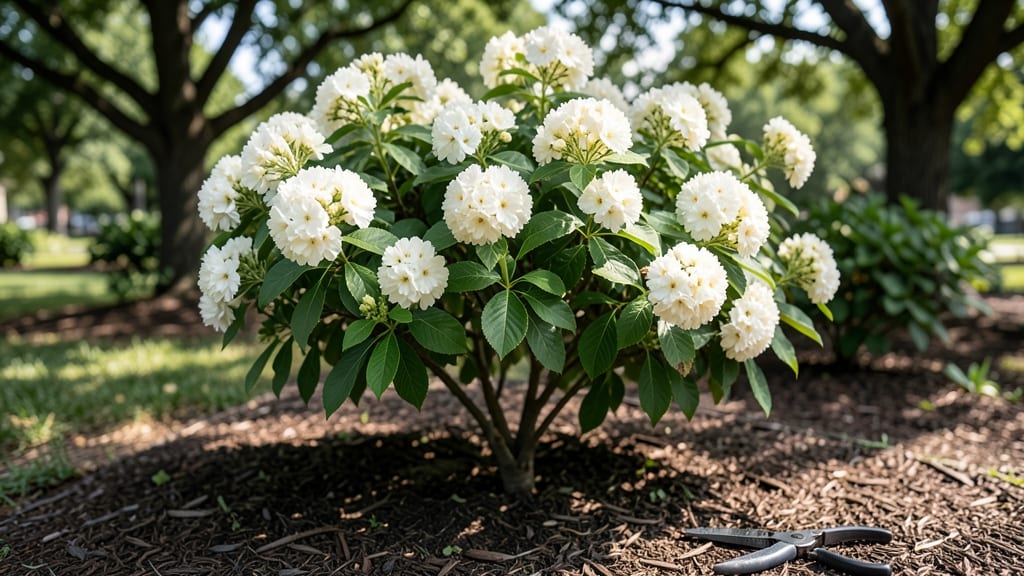
Nothing beats the first whiff of sweet perfume from a fragrant white-flowered shrub as it greets a damp Pacific Northwest morning. That’s your mock orange (Philadelphus) waking up after frost.
This fragrant white-flowered shrub thrives where others falter—its glossy leaves and intoxicating blooms make it the unsung hero of PNW gardens, whether tucked into borders or trained as a fragrant hedge.
Mock orange’s secret? It blooms in late spring to early summer, just when the air still carries a chill, and its flowers last for weeks. Pair it with salmon-colored heuchera or purple-leaf sand cherry for a soft, romantic contrast—think of it as the garden’s quiet perfume, waiting to be discovered.
Even after frost, its sturdy stems hold their scent, making it a year-round star.
📚 In This Guide
- What you need
- Instructions
- Tips and common mistakes
- Wrapping up and next steps
What you need
- ● Fragrant white-flowered shrub: Choose a frost-resistant variety like Spiraea alba (Bridal Wreath), Philadelphus lewisii (Mock Orange), or Abelia grandiflora (Glossy Abelia). Opt for a 1- to 3-gallon container-grown plant for best results.
- ● Well-draining soil: A mix of native soil (60%), compost (30%), and perlite or sand (10%) to prevent root rot.
- ● Organic mulch: 3–4 inches of shredded bark, wood chips, or pine straw to retain moisture and regulate soil temperature.
- ● Slow-release fertilizer: A balanced 10-10-10 or 20-20-20 formula (apply at planting and again in early spring).
- ● Watering can or hose: With a gentle spray nozzle for even moisture distribution.
- ● Garden trowel or spade: For digging holes (size depends on root ball—2–3 times wider and deeper than the container).
- ● Pruning shears: Sharp, bypass-style shears for shaping and post-planting trimming.
- ● Garden gloves: Heavy-duty, waterproof gloves to protect your hands.
- ● Measuring tape or ruler: To ensure proper spacing (most shrubs need 3–6 feet between plants).
- ○ Optional: Soil pH tester (ideal range: 6.0–7.0 for most white-flowered shrubs).
- ● Epsom salt (for magnesium-rich soil, if needed).
- ● Drip irrigation system (for automated watering in dry spells).
- ● Sunlight assessment: Confirm your planting spot gets full sun to partial shade (6+ hours of sunlight daily)—most fragrant white shrubs thrive in these conditions.
- ● Frost-free window: Plant after the last frost date in your zone (typically late April–early June in the PNW).
- ● Water source nearby: Ensure easy access for the first 2–3 weeks post-planting.
- ● Patience: Some shrubs (like Mock Orange) may take 2–3 years to reach full fragrance and bloom potential!
Step-by-step guide to planting and caring for a Pacific Northwest fragrant white-flowered shrub
Here's how to establish a hardy, fragrant white-blossoming shrub that thrives in cool climates.
🌱 Step 1: Select and Prepare the Planting Site
Choose a location with partial shade to full sun—this shrub handles both but produces the most abundant blooms with at least 4-6 hours of morning sunlight. The Pacific Northwest's damp climate means your site should have well-draining soil to prevent root rot. If your soil is heavy clay, amend it with 3-4 inches of compost mixed into the top 12 inches before planting.
Dig a hole twice as wide as the root ball but only as deep as the container it came in. The top of the root ball should sit 1 inch above ground level—this prevents water from pooling around the stem. Loosen the roots slightly if they're circling the pot, but don't tease them apart unless they're severely compacted.
🪴 Step 2: Plant and Water for Immediate Stability
Place the shrub in the hole and backfill with native soil, pressing gently to remove air pockets. Water deeply right after planting—1 gallon per foot of shrub height—to settle the soil and eliminate gaps. You'll know it's enough when water runs out the bottom of the hole and the soil surface looks evenly moist but not soggy.
Mulch around the base with 2-3 inches of shredded bark or wood chips, keeping it 6 inches away from the stem. This conserves moisture and regulates soil temperature, which is critical in the PNW's fluctuating spring weather. Avoid piling mulch against the trunk—this can trap moisture and cause rot.
☀️ Step 3: Establish a Watering and Fertilizing Routine
Water deeply once a week during the first growing season, aiming for 1-1.5 inches of water per week. Check soil moisture by sticking your finger 2 inches down—if it's dry, water again. This shrub is drought-tolerant once established, but young plants need consistent moisture to develop strong roots. Water in the early morning to reduce evaporation and fungal risks.
Apply a balanced, slow-release fertilizer (10-10-10) in early spring and again after flowering. Follow package instructions for dosage—over-fertilizing can lead to excessive leaf growth at the expense of blooms. In the PNW, where soil is naturally nutrient-rich, you can skip fertilizer entirely if your soil is well-amended.
✂️ Step 4: Prune for Shape and Encourage Blooms
Prune immediately after flowering to maintain shape and encourage next year's blooms. Remove dead, diseased, or crossing branches first, cutting back to the nearest healthy bud. Then, shape the shrub by trimming overly long stems to just above a leaf node. Avoid heavy pruning in late summer—this can stimulate tender new growth that won't harden off before winter.
In the Pacific Northwest, where winters are mild but damp, this shrub rarely needs winter protection. However, if you're in a colder microclimate (below 10°F), wrap young plants in burlap or apply a thick layer of mulch around the base. The goal is to insulate roots while allowing air circulation to prevent rot.
⏰ Step 5: Monitor for Pests and Seasonal Adjustments
Watch for aphids or spider mites, which can appear on new growth. Treat infestations early with neem oil or a soapy water spray—both are effective and safe for beneficial insects. This shrub is generally pest-resistant, but crowded conditions or stressed plants attract problems. Space shrubs 4-6 feet apart to improve airflow and reduce disease risk.
In late fall, reduce watering as growth slows. The shrub enters dormancy naturally in the PNW's cool climate, so no special preparation is needed beyond keeping the soil barely moist. If you notice yellowing leaves in fall, it's likely normal senescence—don't fertilize or prune then, as the plant is conserving energy for winter.
Tips & tricks for perfect fragrant white-flowered shrub planting
Common pitfalls—and how to sidestep every one when establishing your Pacific Northwest beauty.
Site Selection Secret: While this shrub thrives in partial shade to full sun, prioritize morning sunlight exposure for maximum blooms. The Pacific Northwest's frequent overcast days mean you'll need that critical 4-6 hours of morning sun to trigger consistent flowering. I've seen plants in full afternoon shade produce half the blooms of identical plants with morning sun—it's the quality of light that matters most.
Soil Prep Strategy: For heavy clay soils, don't just top-dress with compost—mix those 3-4 inches into the top 12 inches of soil. This creates proper drainage channels that prevent root rot, which is particularly critical in the PNW's damp climate. I've had clients skip this step and end up with plants that struggle through wet winters. The key is breaking up that compacted clay layer where roots will actually grow.
Watering Wisdom: That initial 1 gallon per foot of shrub height watering after planting is non-negotiable. Too little and the roots won't establish properly; too much and you'll create waterlogged conditions. I recommend using a watering wand to gently break up soil around the base while watering—this encourages roots to spread outward rather than stay concentrated at the edges of the hole.
Pruning Precision: When shaping your shrub after flowering, always cut just above a leaf node. This ensures new growth will emerge from the correct location. I've seen beginners cut too close to the stem, which creates unsightly stubs and weak growth points. A good trick is to make your cut at a 45-degree angle—this helps water run off the cut rather than pool and rot.
Pro Tips for Fragrant White Flowered Shrub
- Common pitfalls—and how to sidestep every one when establishing your Pacific Northwest beauty.
- Site Selection Secret: While this shrub thrives in partial shade to full sun, prioritize morning sunlight exposure for maximum blooms.
- Soil Prep Strategy: For heavy clay soils, don't just top-dress with compost—mix those 3-4 inches into the top 12 inches of soil.
Frequently asked questions
Got questions about growing and caring for your fragrant white-flowered shrub? You’re not alone! Here are some of the most common inquiries—plus straightforward answers to help you nurture a thriving, aromatic addition to your Pacific Northwest garden.
What’s the best time to plant a fragrant white-flowered shrub in the PNW?
Plant in early spring or fall for optimal root establishment. Spring (March–April) gives roots time to settle before summer heat, while fall (September–October) avoids drought stress. Avoid planting in extreme heat or freezing temperatures—both can shock tender roots. Pro tip: Water deeply after planting to reduce transplant shock!
How cold-hardy are these shrubs, and do they need winter protection?
Most fragrant white-flowered shrubs (like Pieris japonica or Abelia grandiflora) are USDA Zones 6–9 hardy, thriving in the PNW’s mild winters. However, young plants may benefit from a light mulch layer (2–3 inches) to insulate roots. Avoid heavy mulch—it can smother stems. Pro tip: Prune dead blooms in early spring to encourage fresh growth!
How often should I water a newly planted shrub?
Water deeply 2–3 times per week for the first month, then taper to once a week (or when topsoil feels dry). Overwatering can suffocate roots, while underwatering stresses the plant. Pro tip: Use a drip irrigation system or soaker hose to deliver moisture directly to the root zone—no waste!
What are some low-maintenance alternatives if I want less pruning?
If you prefer minimal upkeep, consider Abelia grandiflora (semi-evergreen, fragrant blooms) or Deutzia (clusters of white flowers, disease-resistant). Both thrive in PNW conditions with minimal pruning—just trim back dead wood in late winter. Pro tip: Group shrubs with similar water needs to simplify care!
Why are my leaves turning yellow, and how do I fix it?
Yellowing leaves often signal overwatering, nutrient deficiency, or pests. Check soil moisture—roots need airflow! Amend soil with compost or slow-release fertilizer in spring. For pests (like aphids), spray with neem oil or introduce ladybugs. Pro tip: Test soil pH (ideal: 5.5–6.5)—acidic soil can cause issues!
Can I grow this shrub in a container, and what’s the best pot size?
Yes! Choose a container at least 18–24 inches wide/deep with drainage holes. Use well-draining potting mix and repot every 2–3 years. Place in partial shade (morning sun, afternoon shade) to prevent leaf scorch. Pro tip: Fertilize container shrubs monthly in growing season—they deplete nutrients faster!
Wrapping up and next steps
Transforming your Pacific Northwest garden with a fragrant white-flowered shrub isn’t just about beauty—it’s about creating a resilient, sensory-rich space that thrives year-round. 🌸 From Pieris japonica to Abelia grandiflora, these shrubs bring elegance, fragrance, and hardiness to your outdoor oasis.
Whether you’re a seasoned gardener or just starting, they’re the perfect low-maintenance addition.
Ready to elevate your garden? Pick your favorite shrub, gather your tools, and start planting! Your future blooms—and the pollinators they’ll attract—will thank you. 🌿✨