
Flowers
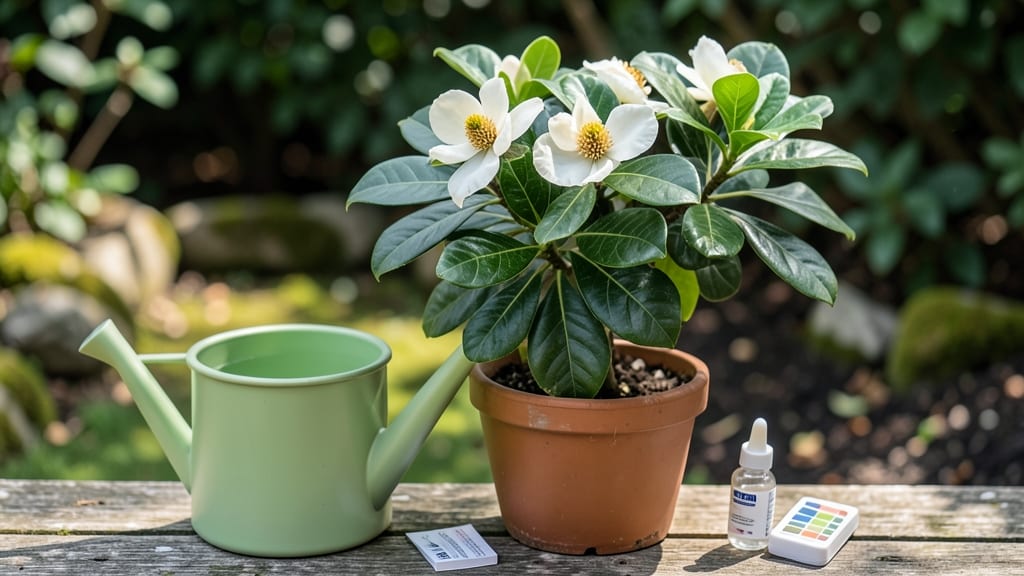
Caring for gardenia flowers isn't just about keeping them alive—it's about unlocking their shockingly lush, intoxicating fragrance all year long. 🌿 I’ve learned the hard way that gardenias demand patience, but when you nail their needs, they reward you with blooms so heavy with scent your neighbors will ask what you’re spraying.
The secret starts with understanding their finicky balance of moisture, light, and acidity—get it right, and you’ll have flowers from spring through fall (and even winter with the right tweaks).
Here’s the thing—gardenias hate soggy roots but also dry spells, so your watering routine needs to be foolproof: keep the soil consistently moist but never waterlogged.
A 5-gallon container with drainage holes or well-amended garden soil is your best friend, and they’ll thrive in morning sun with afternoon shade (think dappled light under a tree). The real game-changer?
Regular pruning after blooming to encourage bushier growth, and feeding them with acid-loving fertilizer every 6 weeks during growing season.
What you’ll end up with is a plant that bursts into creamy-white perfection every few weeks, filling your garden with a sweet, tropical aroma that’s impossible to resist.
The first time you see those glossy leaves and heavy clusters of blooms, you’ll understand why gardenias are worth the extra care—it’s not just a flower, it’s a sensory experience. Ready to transform your garden into a fragrant paradise?
This works for both potted gardenias and in-ground plants, whether you’re in a humid climate like Florida or a milder zone like California. The key is adapting the care slightly for your specific conditions—drier climates need more frequent watering, while rainy seasons might require raised beds to prevent root rot.
Let’s get those blooms going strong!
📚 In This Guide
- What you need
- Instructions
- Tips and common mistakes
- Wrapping up and next steps
What you need
- ● Gardenia plant – Choose a healthy specimen (potted or bare-root) from a trusted nursery. Pro tip: 💡 Opt for Gardenia jasminoides for the best fragrance and blooms!
- ○ Well-draining potting mix – A blend of peat moss, perlite, and pine bark (ratio: 2:1:1). Optional: Add orchid bark for extra aeration.
- ● Pot with drainage holes – 12–16 inches in diameter for mature plants; 6–8 inches for young gardenias. Terracotta pots help wick away excess moisture.
- ● Watering can with a rose attachment – Ensures gentle, targeted watering to avoid disturbing roots.
- ○ Humidity tray or pebble tray – Keeps moisture levels ideal (60–70% humidity). Optional: A humidifier for indoor plants.
- ○ Balanced liquid fertilizer (10-10-10 or 20-20-20) – Dilute to half-strength during growing season (spring–fall). Optional: Organic options like fish emulsion or compost tea.
- ○ Pruning shears (sterilized) – Sharp, clean tools prevent disease. Optional: Hydrogen peroxide (3%) for sterilizing between cuts.
- ○ Mulch (optional but helpful) – Pine bark or shredded leaves retain moisture and regulate soil temperature.
- ● Bright, indirect light – 6+ hours of morning sun or dappled shade (avoid harsh afternoon sun). Indoor gardenias? Place near east- or north-facing windows.
- ● Warmth – Ideal temperature range: 65–75°F (18–24°C). ❄️ Avoid drafts or temps below 50°F (10°C)—gardenias are tropical divas!
- ● Acidic soil (pH 5.0–6.5) – Test soil with a pH meter or use vinegar or lemon juice to lower pH if needed.
- ● Garden gloves – Protects hands from thorns and acidic soil.
- ● Soil moisture meter – Prevents over- or under-watering (gardenias hate soggy roots!).
- ● Spray bottle with distilled water – Mimics natural humidity for indoor plants.
- ○ Plant supports (optional) – Bamboo stakes or trellises for leggy gardenias.
Step-by-step guide to perfect gardenia flower care
Here's how to keep your gardenias blooming beautifully all year—no guesswork, just proven techniques.
🌿 Step 1: Master the Light and Temperature Balance
Gardenias thrive in bright, indirect light—think dappled sunlight or a west-facing window. Too much direct sun scorches leaves, while too little light stunts blooms. I position mine near a sheer curtain to diffuse harsh afternoon rays. Your gardenia will tell you if it's happy: dark green, glossy leaves and buds forming every 4-6 weeks mean you're on track.
Keep temperatures between 65-75°F during the day and 55-65°F at night. Gardenias hate drafts, so avoid placing them near AC vents or doors that open frequently. If your home runs cooler, supplement with a small grow light for 12-14 hours daily—just don't let it touch the leaves, or you'll burn them.
💧 Step 2: Water with Precision and Monitor Soil
Water your gardenia when the top 1-2 inches of soil feel dry to the touch. Stick your finger in—if it's damp, wait another day. Overwatering is the #1 killer of gardenias because it causes root rot. I use room-temperature water (cold water shocks roots) and pour it slowly until it drains from the bottom. Empty the saucer after 15 minutes to prevent soggy roots.
Use well-draining potting mix—gardenias despise soggy feet. If your plant's leaves yellow or drop buds, it's often a sign of inconsistent moisture. Here's the trick: water deeply but less frequently. A 1-gallon pot might need 1 cup of water every 5-7 days, while a 3-gallon pot could go 10-14 days between waterings. Adjust based on humidity—dry air means more frequent watering.
☀️ Step 3: Feed and Prune for Continuous Blooms
Gardenias are heavy feeders, but you can't just dump fertilizer on them. Use a balanced, acidic fertilizer (like 10-10-10 or 20-20-20) diluted to half-strength every 4-6 weeks during spring and summer. I switch to a low-phosphorus formula in fall to encourage root growth over blooms. Always water before and after fertilizing to prevent root burn.
Prune right after flowering to shape the plant and encourage new growth. Use clean, sharp pruners to cut just above a leaf node at a 45-degree angle. Remove any dead, yellow, or crossing branches first—this improves airflow and reduces disease risk. Never prune more than 1/3 of the plant at once, or you'll shock it into dormancy. I also pinch back leggy stems to promote bushier growth.
⏰ Step 4: Adjust for Seasonal Changes
In winter, gardenias need less water and fertilizer. Reduce watering to every 10-14 days and stop fertilizing until spring. If your home is dry, mist the leaves occasionally to raise humidity—just avoid wetting the flowers, or they'll develop brown spots. A pebble tray with water under the pot helps too, but keep leaves from touching the water to prevent rot.
If your gardenia drops buds or flowers in winter, it's usually due to low humidity or sudden temperature drops. Move it away from cold windows and drafts. In spring, resume regular care and watch for new buds forming at the leaf nodes. Here's the secret to year-round blooms: consistency. Gardenias reward steady care with nonstop flowers if you keep light, water, and temperature stable.
Tips & tricks for perfect gardenia flower care
Took me years to figure out these simple secrets that'll keep your gardenias blooming like a pro—no green thumb required.
Light Positioning: That west-facing window is ideal, but if you don't have one, rotate your gardenia quarter-turn weekly so all sides get even light exposure. I learned this the hard way after my plant developed lopsided growth from always facing the same direction. The goal is consistent, bright indirect light—think of it as giving your plant a gentle sunbath without the risk of sunburn.
Temperature Fine-Tuning: The 65-75°F daytime range is critical, but here's the secret: gardenias actually prefer slightly cooler nights (55-65°F) to trigger bud formation. If your home stays above 80°F at night, move the plant to a cooler room or use a small fan on low setting near it—just don't let it blow directly on the leaves. This mimics their natural tropical environment where nights are cooler than days.
Watering Technique: The 15-minute drainage rule is non-negotiable, but here's what nobody tells you: use a moisture meter to check soil moisture before watering. I keep mine handy and insert it into the soil—if it reads below 30% moisture, that's your cue to water. This prevents both overwatering (which causes root rot) and underwatering (which stresses the plant). For extra insurance, I always water in the morning so excess moisture has time to evaporate before nightfall.
Fertilizer Timing: When you're fertilizing every 4-6 weeks during spring and summer, here's the pro move: alternate between a balanced fertilizer (like 10-10-10) and an acid-loving plant formula (like 8-3-9). Gardenias thrive in slightly acidic soil (pH 5.0-6.5), and this rotation gives them all the nutrients they need without overloading any single element. Always flush the soil with plain water after fertilizing to prevent salt buildup.
Pro Tips for Gardenia Flower Care
- Took me years to figure out these simple secrets that'll keep your gardenias blooming like a pro—no green thumb required.
- Light Positioning: That west-facing window is ideal, but if you don't have one, rotate your gardenia quarter-turn weekly so all sides get even light exposure.
- Temperature Fine-Tuning: The 65-75°F daytime range is critical, but here's the secret: gardenias actually prefer slightly cooler nights (55-65°F) to trigger bud formation.
Frequently asked questions
Got questions about keeping your gardenia flowers thriving? You’re not alone! Here are some of the most common concerns—plus expert tips to keep those fragrant blooms happy year-round.
How often should I water my gardenia plants?
Water gardenias deeply when the top 1–2 inches of soil feel dry—usually every 5–7 days, depending on humidity and heat. Overwatering is the #1 killer! Ensure pots have drainage holes, and avoid soggy roots. In winter, reduce watering slightly since growth slows. Pro tip: Use rainwater or distilled water if your tap water is hard—gardenias hate chlorine and fluoride!
Why aren’t my gardenias blooming, even with proper care?
Blooms need three key things: sunlight (6+ hours daily), balanced fertilizer (high phosphorus in spring/summer), and stress-free conditions. If your plant is too crowded or lacks nutrients, it may focus on leaves instead. Try this: Prune leggy stems after blooming to encourage bushier growth, and avoid moving the plant—gardenias hate location changes mid-season.
What’s eating my gardenia leaves? Pest control tips?
Common culprits include aphids, spider mites, and whiteflies. Check undersides of leaves for sticky residue or tiny webs. Combat pests naturally:
- Neem oil spray (diluted) – repeat every 5–7 days.
- Insecticidal soap for soft-bodied bugs.
- Hose off pests with water (early morning works best).
Can gardenias survive indoors year-round? What’s the best setup?
Yes! Place them near east- or north-facing windows for gentle light (they burn in harsh afternoon sun). Use a humidifier or pebble tray with water to mimic tropical humidity (50%+). Rotate the pot weekly so all sides get light, and avoid drafts (AC vents, heaters). In winter, supplement with a grow light if blooms slow down.
How do I propagate gardenias from cuttings?
Gardenias root slowly but successfully! Take 4–6 inch cuttings from healthy stems (just below a leaf node) in spring or early summer. Dip the cut end in rooting hormone, then plant in a mix of perlite and peat moss. Keep the soil moist (not soggy), cover with a plastic bag to trap humidity, and place in bright, indirect light. Roots may take 8–12 weeks—be patient!
Wrapping up and next steps
Caring for gardenias may seem like an art, but with the right knowledge, you’ll unlock their luxurious, fragrant blooms year-round! 🌸 From keeping their soil moist to pruning wisely and protecting them from pests, every step ensures these beauties thrive.
Remember, patience and consistency are key—your efforts will reward you with stunning, intoxicating flowers that brighten any space.
Ready to transform your garden or home? Start small: pick one tip from this guide and apply it this week. Whether you’re a seasoned gardener or a beginner, your gardenia will thank you with perfection in every petal!