
Flowers
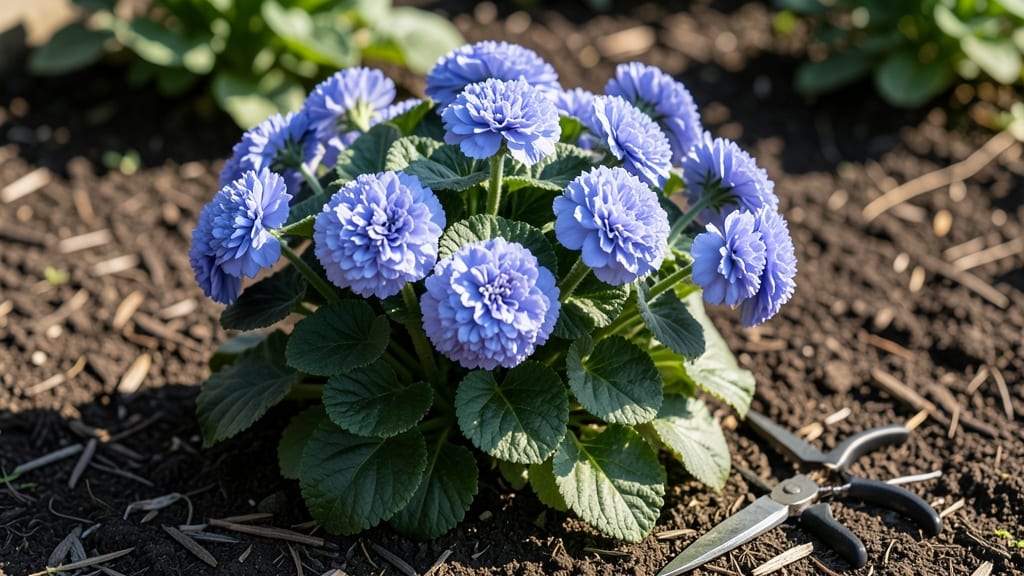
Blue-flowered geraniums transform any Pacific Northwest garden into a pollinator paradise—even after frost. 🌿 I’ve watched them bloom reliably through early spring rains and late autumn chills, their vibrant blue petals drawing bees and butterflies when little else is in flower.
These aren’t your grandmother’s geraniums; they’re hardy, long-blooming stars that thrive in partial shade, making them perfect for shady borders or woodland gardens where other flowers struggle.
The key to their magic lies in how they pair with other plants. Try tucking them alongside silver-leaved heucheras or ferns for a soft, textured contrast, or let them spill over container edges with trailing lobelia or dusty miller.
In cottage-style gardens, they’ll mingle beautifully with lavender and catmint, creating a soothing blue-and-purple palette that stays fresh all season. Their frost-resilience means you’ll enjoy color from late spring through early fall—long after many annuals have faded.
What makes them truly special is how they soften sharp garden edges while adding movement. Let them cascade over walls or border paths, where their delicate blooms catch the light just right. In containers, they’ll spill gracefully, filling gaps between taller plants like salvias or Russian sage.
The secret? Prune them lightly after each flush of blooms to encourage bushier growth—it’s the little effort that pays off with months of effortless beauty.
Whether you’re designing a shady nook, brightening a patio, or filling a cottage garden with color, these geraniums deliver reliable charm with minimal fuss. Their ability to handle Pacific Northwest’s damp, cool climate makes them a must-have for any garden that wants to stay lively from spring to frost.
Ready to see how they’ll work in your space?
📚 In This Guide
- What you need
- Instructions
- Tips and common mistakes
- Wrapping up and next steps
What you need
- ● Geranium seeds or seedlings: Choose Pelargonium varieties like Pelargonium × hortorum (Zonal Geranium) or Pelargonium peltatum (Ivy Geranium) with blue or violet-blue blooms. Quantity: 3–5 plants (or seeds for 10–15 plants, as germination rates vary).
- ● Well-draining potting mix: A high-quality, organic blend with perlite or sand (e.g., 50% peat moss, 30% compost, 20% perlite). Quantity: 1–2 bags (1–2 cubic feet each).
- ● Containers or garden bed: For containers: 6–8" pots with drainage holes (1 per plant). Quantity: 3–5 pots.
- ● For in-ground planting: A sunny spot with 6+ hours of light and loose, slightly acidic soil (pH 6.0–7.0).
- ● Slow-release fertilizer: Balanced (10-10-10) or phosphorus-rich (5-10-5) for blooms. Quantity: 1 small bag (5–10 lbs).
- ● Watering can or hose with gentle spray: Avoid soaking the soil—geraniums hate soggy roots!
- ● Pruning shears: Sharp, clean pair for trimming dead blooms or leggy stems.
- ○ Mulch (optional): 1–2" layer of pine bark or straw to retain moisture and insulate roots in cooler PNW winters.
- ○ Pollinator-friendly companions (optional): Plant nearby: Lavender (for bees)
- ● Yarrow (for butterflies)
- ● Catmint (for long-season blooms)
- ● Cold frame or frost cloth (PNW-specific!):strong> Protect young seedlings from late frosts (temperatures below 32°F/0°C).
- ● Garden gloves: For handling prickly stems or soil amendments.
How to grow hardy blue geraniums in the Pacific Northwest
Here's how to cultivate these frost-tolerant pollinator favorites that thrive where others fail.
🌱 Step 1: Select the Right Variety for Cold Climates
Pacific Northwest gardeners need hardy geranium varieties like 'Rozanne' or 'Johnson's Blue'—these survive 20°F nights and bloom from early spring to frost. Avoid tender annual geraniums (Pelargoniums) that die in winter. Look for plants labeled perennial geranium or cranesbill geranium at local nurseries.
I always check the foliage texture too—rugged, deeply lobed leaves handle wet winters better than delicate types. These varieties also attract hummingbirds and bees, making them a true pollinator magnet. Plant them where you'll enjoy their 4- to 6-inch blue-purple blooms all season long.
🪴 Step 2: Prepare Well-Draining Soil in Part Sun
Geraniums hate soggy roots, so amend your soil with 2-3 inches of compost mixed into the top 12 inches of garden bed. They tolerate partial shade but bloom best with 4-6 hours of morning sun—afternoon shade protects them from the PNW's intense summer sun.
I dig a hole twice as wide as the root ball but only as deep. The crown should sit just above soil level—burying it too deep causes rot. Water deeply after planting, then let the soil dry slightly before watering again. Overwatering is the #1 killer of these tough plants.
☀️ Step 3: Provide Consistent Moisture Without Overwatering
Water when the top 2 inches of soil feel dry—geraniums need steady moisture but despise wet feet. In the PNW's rainy seasons, you'll need to adjust your watering schedule to prevent fungal diseases. I use a rain gauge to track weekly rainfall and supplement only when we get less than 1 inch per week.
Mulch with 2-3 inches of shredded bark to retain moisture and protect roots from winter freeze-thaw cycles. This is especially critical in coastal areas where soil stays damp longer. Watch for yellowing leaves—this usually means too much water or poor drainage.
✂️ Step 4: Deadhead and Prune for Continuous Blooms
Remove spent blooms regularly to encourage more flowers. I pinch off faded flowers with my fingers—no need for shears. This keeps the plant focused on producing new blooms rather than setting seed. Geraniums bloom prolifically if you stay on top of deadheading.
In early spring, cut back last year's growth by one-third to stimulate fresh, bushy growth. Avoid heavy pruning in fall—this can reduce winter hardiness. I always prune after the last frost when new growth is visible. This timing ensures the plant has time to harden off before winter.
⏰ Step 5: Protect from Winter's Harshest Conditions
While these geraniums handle frost, heavy snow or prolonged wet winters can cause rot. I mound 3-4 inches of mulch around the base in late fall to insulate roots. In areas with 10°F or colder winters, add a layer of burlap over the crown for extra protection.
Spring is the real test—watch for new growth emerging in early March. If you see shoots but no leaves, the plant may have suffered winter damage. Don't panic—geraniums are resilient and often recover fully. Once you see new leaf growth, remove winter protection and resume regular care.
Tips & tricks for perfect hardy blue geraniums
These cold-hardy beauties reward attention with stunning blooms—here's how to maximize their potential in the PNW's challenging climate.
Variety Selection Insight: When choosing between 'Rozanne' and 'Johnson's Blue', opt for 'Rozanne' if you want continuous blooms from spring to frost—it's the most prolific in our region. For a more compact, bushier plant, 'Johnson's Blue' delivers intense color with slightly less volume. Both thrive in 20°F nights, but 'Rozanne' handles wetter winters better due to its disease-resistant foliage. I've found the key difference lies in their leaf structure—'Rozanne' has slightly more rugged lobes that shed water more efficiently.
Soil Preparation Hack: The 2-3 inches of compost mixed into the top 12 inches of soil isn't just about nutrients—it's about creating that perfect air-to-water ratio geraniums crave. I recommend adding a handful of perlite to your compost mix for coastal gardeners where drainage is critical. This prevents the classic PNW problem of soggy roots that lead to rot. For clay-heavy soils common in the Willamette Valley, mix in some coarse sand to improve drainage while maintaining moisture retention.
Watering Strategy: The 1 inch per week guideline works for average PNW summers, but adjust based on your microclimate. In Seattle's rainy winters, you might not need supplemental watering at all—just monitor the top 2 inches of soil and water only when it feels dry. For hotter inland areas like the Columbia Basin, consider installing a drip irrigation system on a timer to deliver ½ inch every other day during peak summer. This mimics natural rainfall patterns while preventing fungal issues from overhead watering.
Winter Protection Pro Tip: The 3-4 inches of mulch recommendation is non-negotiable for our winters, but here's the secret: use straw or leaves instead of wood chips. Wood chips can compact and hold too much moisture against the crown, while straw allows for better air circulation. For areas expecting 10°F or colder, I've had success using a combination of mulch and a lightweight frost blanket draped over the crown—just make sure to secure it so it doesn't blow away in winter storms.
Pro Tips for Geranium Blue Flowers
- These cold-hardy beauties reward attention with stunning blooms—here's how to maximize their potential in the PNW's challenging climate.
- Variety Selection Insight: When choosing between 'Rozanne' and 'Johnson's Blue', opt for 'Rozanne' if you want continuous blooms from spring to frost—it's the most prolific in our region.
- Soil Preparation Hack: The 2-3 inches of compost mixed into the top 12 inches of soil isn't just about nutrients—it's about creating that perfect air-to-water ratio geraniums crave.
Frequently asked questions
Can geraniums with blue flowers survive PNW winters?
Yes! While most Pelargonium geraniums (zonal or ivy types) are tender perennials, hardy geraniums (like Geranium sanguineum or Geranium macrorrhizum) thrive in the PNW’s cooler climates. These varieties tolerate light frost (down to 10–15°F) and even bloom in spring. For extra protection, mulch heavily or plant in sheltered spots.
How long does it take for blue geraniums to flower?
Patience pays off! From seed, expect 12–16 weeks before blooms appear, while established plants (purchased as starts) may flower in 6–8 weeks under ideal conditions. Deadhead spent blooms to encourage continuous flowering. In the PNW’s shorter growing season, start seeds indoors in early spring for the best results.
Are there blue geranium alternatives for pollinators?
If blue geraniums prove tricky, try these PNW-friendly pollinator magnets with similar hues:
- Delphinium (blue larkspur) – Tall, dramatic spikes loved by bees.
- Agastache (hyssop) – Drought-tolerant with violet-blue blooms.
- Salvia (sage) – ‘May Night’ or ‘Blue Hill’ varieties attract hummingbirds.
- Lobelia – Compact and perfect for borders or containers.
Why aren’t my blue geraniums attracting pollinators?
Pollinators love geraniums, but a few tweaks can boost their appeal:
- Plant in full sun (6+ hours/day) for vibrant blooms.
- Avoid pesticides—neonicotinoids harm bees. Use neem oil or soap spray instead.
- Add companion plants like lavender or yarrow to create a pollinator buffet.
- Ensure consistent moisture—drought stress reduces nectar.
Can I grow blue geraniums in containers in the PNW?
Yes! Container gardening works well for tender geraniums (like Pelargonium), but choose large pots (12"+ diameter) with drainage holes. Use a well-draining mix (add perlite or sand) and move containers indoors or to a garage when temps drop below 40°F. Hardy geraniums (like Geranium sanguineum) can stay outside year-round in containers, but protect them from wind.
Wrapping up and next steps
Geranium blue flowers are a fantastic choice for Pacific Northwest gardeners—whether you're drawn to their vibrant color, pollinator-friendly appeal, or hardy resilience against frost. These stunning blooms add beauty while supporting local ecosystems, making them a win-win for both aesthetics and sustainability. 🌿
Ready to transform your garden? Start by selecting the right variety, prepping your soil, and giving these beauties the care they deserve. Your next step? Grab some seeds or plants and get growing—your garden (and the bees!) will thank you.