Aphids
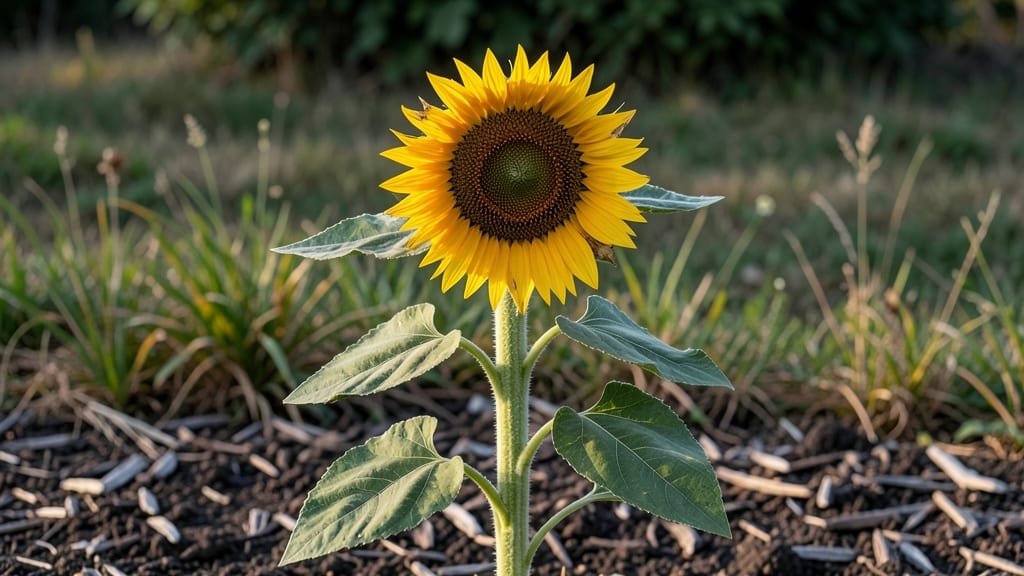
The Gilcrease Orchard sunflower transforms any garden into a rustic pollinator paradise with its towering stems and golden blooms. 🌻 I fell in love with these sunflowers the first time I saw them swaying in a vintage orchard—there’s something about their bold vertical lines that elevates a garden from ordinary to extraordinary.
Their rustic charm and massive blooms (up to 12 inches wide!) make them the star of cottage gardens, wildflower meadows, or even cut-flower arrangements.
Pairing these sunflowers with coneflowers, ornamental grasses, or heirloom vegetables creates an orchard-like aesthetic that feels both timeless and intentional. They thrive in zones 2–10, making them versatile for nearly any climate, and their loose, airy growth habit ensures they won’t crowd out smaller plants.
The key to their visual impact? Plant them in drifts or clusters—never singly—to maximize their dramatic effect.
What you’ll love most is how these sunflowers draw bees, butterflies, and hummingbirds like magnets, turning your garden into a buzzing ecosystem. Their deep green foliage contrasts beautifully with the golden blooms, adding texture and movement to any design.
Whether you’re going for a wildflower meadow or a structured cottage garden, Gilcrease Orchard sunflowers deliver effortless elegance with minimal maintenance.
For best results, give them plenty of space (2–3 feet apart) and full sun, and watch them grow into a stunning vertical focal point. Their late-summer blooms also make them perfect for seasonal color extensions—just don’t forget to leave some seed heads for winter interest!
The possibilities for integrating them into your garden are endless, and the payoff is pure joy for both you and the pollinators.
📚 In This Guide
- What you need
- Instructions
- Tips and common mistakes
- Wrapping up and next steps
What you need
- ● Gilcrease Orchard sunflower seeds – 1 pack (approx. 50-100 seeds)
- ● Well-draining potting mix or garden soil – Enriched with compost (at least 20% organic matter)
- ● Sunflower seed starter trays or biodegradable pots – 50-cell tray or 4-inch pots (if starting indoors)
- ● Organic fertilizer (5-10-10 or balanced NPK) – For transplanting
- ● Watering can or hose with gentle spray nozzle – For consistent moisture
- ○ Garden stakes or trellis (optional but helpful) – For vertical support (6+ ft tall)
- ● Trowel or hand shovel – For planting seeds
- ○ Gloves (optional) – For handling soil and seeds
- ● Sunny garden spot (full sun, 6+ hours/day) – Critical for growth!
- ● Spray bottle (for seedlings) – To mist young plants
- ● Mulch (straw or wood chips) – To retain moisture and deter weeds
- ● Pollinator-friendly companion plants – Marigolds, cosmos, or borage to attract bees
- ● Neem oil or insecticidal soap – For aphid prevention (though Gilcrease is resistant!)
- ● Decorative stakes or paint – For marking sunflower rows
How to plant and maintain Gilcrease Orchard sunflowers for stunning pollinator gardens
Here's the straightforward approach I use to grow these towering beauties—perfect for adding vertical drama and pollinator appeal.
🌱 Step 1: Choose and Prepare the Planting Site
Gilcrease Orchard sunflowers thrive in full sun with at least 6-8 hours of direct light daily. Scout your yard for an open area with well-draining soil—they hate soggy roots. If your soil is heavy clay, mix in 2-3 inches of compost to improve aeration and fertility.
These sunflowers grow 10-12 feet tall, so space them 3-4 feet apart in all directions. I like to plant them near fences or property lines where their height won't interfere with pathways. Mark the spots with stakes so you don't accidentally plant too close together.
🌱 Step 2: Plant Seeds at the Right Depth and Time
Sow seeds ½ inch deep in early spring, about 2-3 weeks before your last frost date. The seed packet will tell you exactly when to plant based on your zone. I've found that planting too early in cold soil delays germination, while waiting until after the last frost ensures the soil warms up enough for quick sprouting.
Drop 2-3 seeds per hole—you'll thin to the strongest seedling later. Water gently after planting to settle the soil around the seeds. Keep the soil consistently moist until germination, which typically occurs in 7-14 days when conditions are ideal. You'll know it's time when the first green shoots push through the soil.
☀️ Step 3: Provide Consistent Care for Maximum Height and Pollinator Appeal
Once seedlings reach 4-6 inches tall, thin them to 1 plant every 3 feet to give each enough space to reach its full height. Use sharp scissors to snip unwanted seedlings at soil level—this prevents disease spread better than pulling.
Water deeply once a week during dry spells, aiming for 1 inch of water per week. The deep roots of these sunflowers make them surprisingly drought-tolerant once established, but consistent moisture during flowering encourages bigger blooms that attract more pollinators. You'll see the plants perk up noticeably after a good soaking.
✂️ Step 4: Support and Maintain for Long-Lasting Vertical Impact
As stems grow taller, they may need staking—especially in windy areas. Install 6-foot stakes at planting and tie stems loosely with soft plant ties every 2-3 feet up the stalk. This prevents breakage while allowing natural movement that strengthens the stems.
Remove any dead or damaged leaves throughout the season to improve air circulation. This simple maintenance keeps the plants healthy and looking their best. The goal is to let them grow unobstructed until they reach their full height—typically by mid-summer in most climates.
🐝 Step 5: Enjoy the Pollinator Magnet You've Created
When the 6-8 inch wide blooms appear in late summer, you'll notice an immediate increase in pollinator activity. Bees, butterflies, and hummingbirds will flock to the nectar-rich flowers. Leave some seed heads on the plants through winter—they provide food for birds and add beautiful texture to the garden.
After flowering, you can cut back the stalks to 3 feet tall if you prefer a shorter look, or leave them for winter interest. The dried seed heads also make excellent arrangements for fall and winter decor. Either way, you'll have created a stunning vertical feature that supports local ecosystems.
Tips & tricks for growing stunning Gilcrease Orchard sunflowers
Here's what I've learned from years of growing these dramatic pollinator magnets—simple secrets that make all the difference.
Soil Prep Secret: Before planting, test your soil's drainage by digging a hole and filling it with water. If it doesn't drain within an hour, you definitely need that 2-3 inches of compost recommendation. I've seen sunflowers struggle in heavy clay, but with proper amending, they'll thrive. For extra insurance, mix in a handful of perlite to improve aeration right where you'll plant.
Timing is Everything: Those 2-3 weeks before last frost aren't just arbitrary—they're about soil temperature. Use a soil thermometer to confirm it's consistently above 55°F before planting. Cold soil slows germination dramatically. If you're in doubt, wait until after your last frost date, even if it means planting slightly later. The 7-14 day germination window will still work perfectly.
Thinning Technique: When thinning to 1 plant every 3 feet in Step 3, do it gradually over a week rather than all at once. This reduces stress on the remaining plants. I also recommend thinning on a cloudy day—the plants handle the shock better when not battling direct sun. Use clean, sharp scissors to avoid tearing stems, which can invite disease.
Pollinator Power-Up: To maximize those 6-8 inch wide blooms, add a balanced organic fertilizer when the plants reach 4-6 inches tall. Look for one with equal parts nitrogen, phosphorus, and potassium. This boost gives you bigger flowers that attract more pollinators. Just be careful not to over-fertilize—sunflowers are heavy feeders but can get leggy if overdone.
Pro Tips for Gilcrease Orchard Sunflowers
- Here's what I've learned from years of growing these dramatic pollinator magnets—simple secrets that make all the difference.
- Soil Prep Secret: Before planting, test your soil's drainage by digging a hole and filling it with water.
- Timing is Everything: Those 2-3 weeks before last frost aren't just arbitrary—they're about soil temperature.
Frequently asked questions
about growing Gilcrease Orchard sunflowers for pollinator gardens—plus tips to troubleshoot common issues!When is the best time to plant Gilcrease Orchard sunflowers?
Plant seeds 2–3 weeks after your last frost date (spring) for summer blooms. In warmer climates, you can also sow in late summer for fall flowers. These sunflowers thrive in full sun (6+ hours daily) and tolerate poor soil, making them low-maintenance.
Why aren’t bees visiting my Gilcrease Orchard sunflowers?
If pollinators are scarce, check for aphids or neonicotinoid pesticides—both can deter bees. Plant companion flowers like borage or bee balm nearby to attract them. Also, ensure blooms are open and healthy; Gilcrease sunflowers are bee-friendly but need vibrant, pest-free flowers to lure visitors.
Can I grow Gilcrease Orchard sunflowers in containers?
Yes! Use a 5-gallon pot or larger with drainage holes. Plant 1–2 seeds per container, and ensure the pot gets full sun. Dwarf varieties like Gilcrease adapt well to containers, making it ideal for balconies or small gardens. Just keep soil moist but not soggy.
What should I do if my sunflowers develop yellow leaves?
Yellow leaves often signal overwatering, nutrient deficiency, or fungal issues. Check soil moisture—sunflowers hate soggy roots. If leaves curl or spots appear, treat with neem oil or copper fungicide. A balanced fertilizer (like 10-10-10) can revive them if they’re underfed.
Are Gilcrease Orchard sunflowers annual or perennial?
These sunflowers are hardy annuals—they die back after frost but self-seed prolifically. In mild winters, you might spot volunteers sprouting the next year! For guaranteed regrowth, save seeds from mature heads and replant in spring.
Wrapping up and next steps
Planting Gilcrease Orchard sunflowers in your pollinator garden isn’t just about adding bold beauty—it’s a simple, impactful way to support bees, butterflies, and other beneficial insects. 🌻 With their towering vertical foliage and vibrant blooms, these sunflowers create a thriving ecosystem while bringing a stunning focal point to any space.
Whether you're a seasoned gardener or just starting out, this low-maintenance variety makes it easy to make a difference.
Ready to take the next step? Start by gathering your seeds and soil—then watch your garden transform into a buzzing haven for pollinators! 🐝 For even more inspiration, explore companion plants like borage or bee balm to create an even richer habitat.