Container Gardens
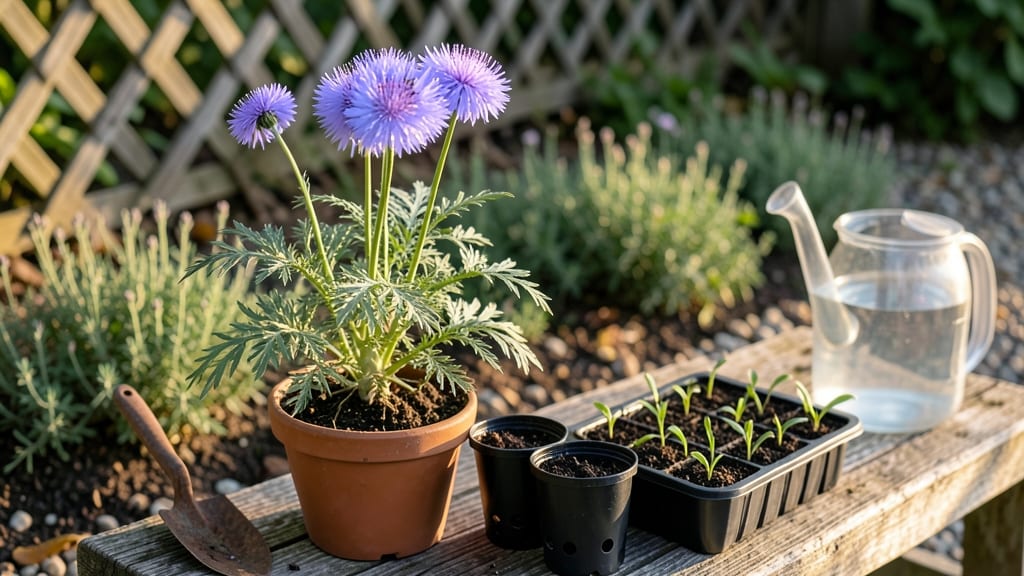
Growing cornflowers in pots is the secret to flooding your patio with that shockingly lush blue—far beyond what store-bought bouquets can ever offer. I've grown them in containers for years, and the secret isn't complicated—just the right pot, soil, and a sunny spot.
The first time I saw those deep blue blooms popping up in early summer, I knew I'd never plant them in the ground again.
You only need 5-7 gallon pots for a full display, well-draining potting mix, and 6-8 hours of sunlight daily. Water when the top inch feels dry, but don't drown them—cornflowers hate soggy roots.
The plants grow 2-3 feet tall, so they make dramatic vertical accents in small spaces. I've even grown them in hanging baskets for a cascading effect.
By mid-summer, you'll have weeks of bold blooms that attract pollinators and cut beautifully for arrangements. The flowers last fresh for days, and the plants self-seed easily, so you'll get free new plants next year. Plus, they're drought-tolerant once established, making them perfect for busy gardeners.
Works great in window boxes, balcony planters, or even large containers mixed with other annuals. The key is keeping them happy with good drainage and occasional deadheading. Ready to add that vibrant blue to your space? Let's get those seeds started!
📚 In This Guide
- What you need
- Instructions
- Tips and common mistakes
- Wrapping up and next steps
What you need
- ● Cornflower seeds (Centaurea cyanus) – Choose a variety like 'Black Ball' or 'Blue Boy' for vibrant color. Quantity: 5–10 seeds per pot (or 1–2 per small container).
- ● Containers – Opt for pots with drainage holes (4–6 inches in diameter for 1–2 plants). Materials: Terracotta, ceramic, or plastic.
- ● Well-draining potting mix – A blend of pearlite, vermiculite, or sand (20–30% by volume) mixed with compost or garden soil (70–80%).
- ● Drainage layer – Pebbles, gravel, or broken pottery (1–2 inches at the pot’s bottom).
- ● Watering can or spray bottle – For gentle hydration (avoid soggy soil!).
- ○ Fertilizer (optional but helpful) – A balanced, water-soluble fertilizer (10-10-10 or 20-20-20) or slow-release granules.
- ● Sunlight – Full sun (6+ hours daily). Place pots near a sunny window, balcony, or patio.
- ● Temperature – Ideal range: 60–75°F (15–24°C). Cornflowers tolerate light frost but thrive in warmth.
- ● Patience – Germination takes 10–21 days; blooms appear in 8–10 weeks.
- ● Mulch – Straw or shredded leaves to retain moisture and suppress weeds.
- ● Support stakes – Tall varieties (like 'Black Ball') may need bamboo stakes or tomato cages.
- ● Decorative elements – Painted pots, pebbles, or moss for a polished look.
- ● Seed-starting kit – If sowing indoors first (includes heat mats for faster germination).
How to grow cornflowers in containers for stunning season-long color
These cheerful blue blooms thrive in pots with the right care—here’s how to coax their vibrant flowers all season.
Select the Right Containers and Soil Mix
Cornflowers need well-draining soil and room to grow, so choose containers at least 12 inches deep and 10 inches wide for each plant. Terracotta pots work best—they wick away excess moisture, preventing root rot. If using plastic, add 2-3 extra drainage holes to avoid soggy soil.
Fill each pot with a mix of 50% potting soil and 50% perlite or coarse sand. This ratio ensures excellent drainage while retaining enough moisture for roots. Avoid garden soil—it compacts and suffocates delicate cornflower roots. Tap the pot gently after filling to settle the mix without compacting it.
Plant Seeds at the Correct Depth and Spacing
Sow 2-3 seeds per pot at a depth of ¼ inch, pressing lightly but not firmly. Cornflower seeds are tiny, so I use a toothpick to place them precisely. Space them 1 inch apart—crowding leads to weak stems and fewer blooms. Cover with a thin layer of soil, then mist gently with water until the surface is damp.
Place the pots in a warm, sunny spot (at least 6 hours of light daily). Germination takes 7-14 days, depending on temperature. Keep the soil consistently moist but never waterlogged—dryness delays sprouting, while excessive moisture causes rot. A humidity dome helps speed up germination if your home is dry.
Provide Full Sun and Gradual Watering
Once seedlings emerge, move pots to a location with full sun (6+ hours daily). Cornflowers wilt quickly in shade, so a south-facing window or balcony is ideal. If indoors, supplement with a grow light kept 6 inches above the plants for 12-14 hours daily. Without enough light, stems stretch weakly, and blooms become sparse.
Water when the top inch of soil feels dry, typically every 2-3 days. Let excess water drain completely—cornflowers hate wet feet. Mulch the soil surface with ¼ inch of perlite to retain moisture and prevent crusting. Overwatering is the fastest way to kill these drought-tolerant blooms, so err on the side of dryness.
Fertilize Lightly and Deadhead for Continuous Blooms
When seedlings reach 4 inches tall, apply a balanced liquid fertilizer (10-10-10) at half strength. Feed again every 4-6 weeks during the growing season. Cornflowers are light feeders—too much fertilizer produces lush foliage but fewer flowers. After blooming begins, switch to a low-phosphorus fertilizer (5-10-5) to encourage more flowers instead of leaves.
Pinch back the top set of leaves when plants are 6 inches tall to encourage bushier growth. As blooms fade, deadhead spent flowers by snipping the stem just above the next set of leaves. This redirects energy to new buds, extending the flowering season from early summer to frost. Wear gloves—cornflower stems are prickly!
Overwinter and Renew for Next Season
In fall, reduce watering as growth slows. Cornflowers are annuals, but you can save seeds for next year. Let a few flowers dry on the stem, then collect the seeds inside. Store them in a cool, dry place until spring. In spring, start fresh pots with new seeds—cornflowers self-sow poorly and benefit from a fresh start each year.
For a second flush of blooms, trim back faded plants by half their height in early summer. Water and fertilize lightly, then watch for new growth within 2-3 weeks. This trick works best in warm climates or with late-summer planting. With proper care, your pots will burst with blue blooms from June until frost—a true showstopper.
Tips & tricks for growing cornflowers in pots
Here's what I learned after growing these vibrant blooms for years—simple tricks that make all the difference.
Container Selection Matters: While terracotta pots are ideal, you can also use fiberglass or glazed ceramic containers as long as they have proper drainage. The key is avoiding plastic without extra holes—these can trap moisture and lead to root rot. I've had great success with window boxes too, especially for balcony gardens where space is limited.
Germination Environment: The 7-14 day germination window can feel like an eternity, but creating a mini greenhouse effect helps. After sowing your 2-3 seeds per pot, cover the container with clear plastic wrap or a humidity dome. This maintains moisture levels and can cut germination time by nearly half. Just remember to remove the cover once sprouts appear to prevent mold.
Lighting Solutions: For indoor growers, positioning your grow light 6 inches above the plants is crucial. I recommend using a full-spectrum LED bulb that mimics natural sunlight. If you notice seedlings stretching toward the light (a condition called "leggy growth"), lower the light slightly or increase exposure time to 14 hours daily. This prevents weak stems that can't support the heavy blooms.
Fertilizer Timing: When your seedlings reach 4 inches tall, that first application of half-strength 10-10-10 fertilizer is critical. I've found that using a spray bottle to apply the diluted fertilizer directly to the soil surface helps prevent leaf burn. After blooming begins, switch to the 5-10-5 fertilizer—this low-phosphorus blend encourages more flowers rather than leafy growth, which is exactly what we want for those stunning blue blooms.
Pro Tips for Growing Cornflowers In Pots
- Here's what I learned after growing these vibrant blooms for years—simple tricks that make all the difference.
- Container Selection Matters: While terracotta pots are ideal, you can also use fiberglass or glazed ceramic container...
- Germination Environment: The 7-14 day germination window can feel like an eternity, but creating a mini greenhouse ef...
Frequently asked questions
What’s the best pot size for cornflowers?
Cornflowers thrive in small to medium pots—aim for at least 6 inches deep and 8 inches wide per plant. If growing multiple seeds, use a 12-inch pot with good drainage. Overcrowding leads to leggy stems and fewer blooms, so space plants 6–8 inches apart.
How long does it take for cornflower seeds to sprout?
With consistent moisture and warmth (60–75°F), cornflower seeds typically sprout in 7–14 days. Keep soil damp (not soggy) and place pots in bright, indirect light until seedlings emerge. Pro tip: A heat mat can speed up germination if your home runs cool!
Can I grow cornflowers in pots indoors year-round?
Yes! Cornflowers are annuals but can bloom indoors with 12+ hours of sunlight daily (supplement with grow lights if needed). In winter, reduce watering slightly—overwatering in low light causes root rot. For continuous blooms, deadhead spent flowers and sow new seeds every 4–6 weeks.
Why aren’t my cornflower seedlings growing tall?
Leggy or stunted seedlings often mean too little light or overcrowding. Move pots to a sunny windowsill or under grow lights (6–8 inches away). If soil is compacted, gently loosen roots when transplanting. Bonus: A pinch of fish emulsion (diluted) can boost growth if plants look pale.
What’s a good alternative if cornflowers won’t grow in my pots?
Try bachelor’s buttons (Centaurea cyanus cousins) or larkspur for similar blue blooms. For low-maintenance options, calendula or nasturtiums thrive in pots and attract pollinators. Just ensure your pots have drainage holes—cornflowers (and their substitutes) hate soggy feet!
Wrapping up and next steps
Growing cornflowers in pots is a rewarding way to bring bold, cheerful blue blooms to your space—whether you're a seasoned gardener or just starting out!
With the right containers, soil, and care, you can enjoy their vibrant beauty year-round, even in small balconies or windowsills. Now that you’re equipped with tips and answers to common questions, it’s time to grab those pots and get planting!
🌱 Next step: Pick your favorite cornflower variety, gather your supplies, and start nurturing your little blue paradise. Watch those seeds sprout, and soon, you’ll be surrounded by nature’s artistry—one pot at a time! 💙