Flowers
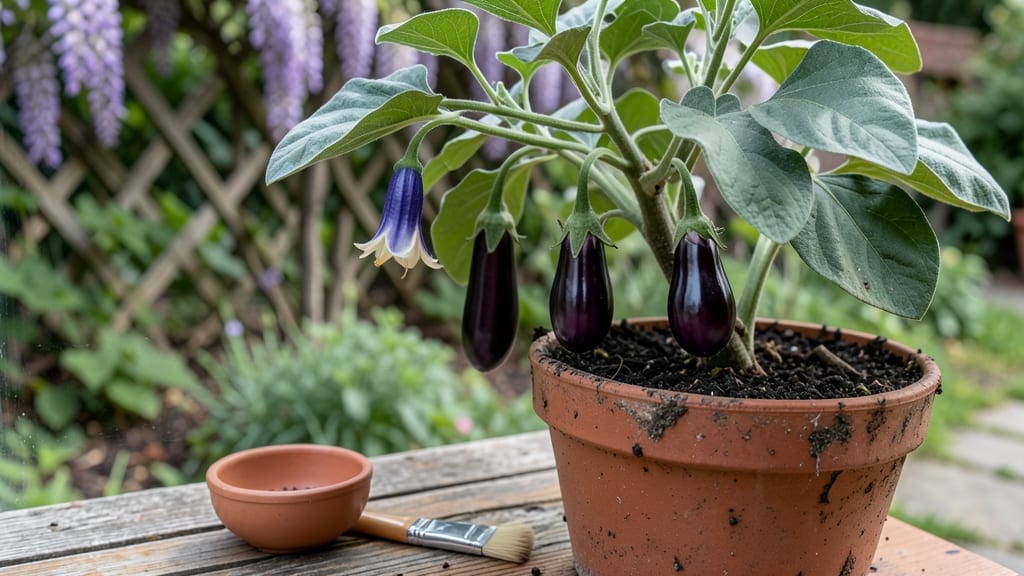
Hand pollinating eggplant flowers doubles your harvest when Mother Nature skips her job. 🌱 I learned this after my first eggplant season ended with just a handful of undersized fruits—turns out, those delicate purple blooms need a little help sometimes, especially in hot, humid summers or when bees stay away.
The good news is you don’t need fancy tools—just a soft paintbrush or cotton swab and a steady hand. Timing matters most: pollinate in the morning when flowers are fresh and open, focusing on those that stay closed by noon (a sign they’re ready for action).
This simple step transforms floppy blossoms into heavy, glossy eggplants that’ll have your neighbors asking for cuttings.
You’ll notice the difference within weeks—plants that once struggled now produce 3-5 times more fruit, all uniform in size and shape. The secret? Consistency. Spend just 5 minutes daily during peak bloom, and you’ll harvest until frost.
Even if you’ve killed plants before, this method is impossible to mess up.
Works for all eggplant varieties, from long purple beauties to tiny Japanese types. Here’s how to make it foolproof—no green thumbs required.
📚 In This Guide
- What you need
- Instructions
- Tips and common mistakes
- Wrapping up and next steps
What you need
- ● Soft-bristled paintbrush (e.g., makeup or artist’s brush, size 0–2) – 1–2 brushes (sterilize between plants to prevent disease).
- ○ Small hand mirror or magnifying glass – Helps spot tiny stamens (optional but helpful for beginners!).
- ● Gloves (nitrile or cotton) – 1 pair (keeps hands clean and protects from prickly stems).
- ● Spray bottle with water – 1 small bottle (for gentle moisture if flowers feel dry).
- ● Notebook & pen – Track pollination dates and flower stages for consistency.
- ● Healthy eggplant plants – Choose varieties with open, mature flowers (purple or white petals, no wilting).
- ● Morning timing – Pollinate on dry, sunny mornings (before 10 AM) when flowers are fully open.
- ● Patience & steady hands – Eggplant stamens are delicate; gentle touch is key!
- ● Honey or sugar water – A few drops on the brush can attract bees (if outdoor pollinators are present).
- ● Pruning shears – For removing spent flowers or excess blooms to redirect energy.
- ● Labeling tags – Mark pollinated flowers to monitor fruit development.
How to hand pollinate eggplant flowers for maximum fruit set
Here's the simple method I use to double my eggplant harvests—no fancy tools, just a little attention.
🌿 Step 1: Identify Ready-to-Pollinate Flowers
Pick flowers with fully opened petals but no visible fruit swelling at the base. These are your best candidates for pollination. I check my plants every morning after the dew dries—eggplants release pollen best when flowers are dry and upright.
Look for flowers with bright yellow stamens that haven't wilted yet. These are packed with fresh pollen. Avoid flowers that already show signs of wilting or have tiny fruit bumps forming—they've already been pollinated naturally or won't accept new pollen.
🌱 Step 2: Collect Fresh Pollen
Gently remove a flower from a different plant (or the same plant if it's large enough) that's at the same stage. Hold the flower stem firmly and twist it off at the base. The key is to use pollen from flowers that are just opening—they contain the freshest, most viable pollen.
Place the collected flower on a clean surface and let it sit for 5 minutes. This gives the pollen time to dry slightly and makes it easier to transfer. I like to use a small paper plate or even the lid of my pollen collection container—just make sure it's clean to avoid introducing bacteria to the flower.
💧 Step 3: Transfer Pollen to Target Flowers
Use a small, soft brush (like a makeup brush or paintbrush) to gently collect pollen from the stamens of your collected flower. Dip the brush into the yellow pollen clusters and make sure you get a good coating. If you're working with multiple flowers, I recommend using a separate brush for each plant to prevent cross-contamination.
Now, take the brush and lightly stroke the center of the target flower's stigma (the small, cone-shaped part in the middle). Make three gentle strokes in different directions to ensure full coverage. You'll see the stigma darken slightly—this means the pollen has adhered properly. If the stigma remains light, you may need to apply more pollen or use a fresh brush.
☀️ Step 4: Monitor and Repeat Daily
After pollinating, keep an eye on the flowers for 24-48 hours. Successful pollination will cause the flower to wilt and drop, while the ovary at the base will begin to swell into a tiny eggplant. I mark these with a small stick or ribbon so I don't accidentally pollinate them again.
Repeat this process every morning for 7-10 days after the first flowers appear. Eggplants produce flowers continuously, so you'll need to pollinate new blooms as they open. The more flowers you pollinate, the more fruit you'll get—just don't overdo it, or the plant will struggle to support all the developing fruit.
Tips & tricks for hand pollinating eggplant flowers
Common pitfalls—and how to sidestep every one—when you're working with eggplant flowers.
Timing Secret: That 5-minute wait for pollen to dry in Step 2 is crucial. I learned this the hard way after transferring damp pollen that just slid off the stigma. Use a small timer on your phone to avoid rushing—patience here means more successful pollinations. The pollen needs to be dry enough to stick properly, so don't skip this step even if you're in a hurry.
Visual Cues for Step 1: In Step 1, look for flowers where the petals are fully open but still bright and firm—not drooping or curling at the edges. The stamens should be a vibrant yellow, not brown or wilted. I check for these visual cues first thing in the morning when flowers are freshest. If you see any tiny bumps at the base of the flower, that means it's already been pollinated and won't accept new pollen.
Brush Technique: For Step 3, use a makeup brush with soft bristles—it's perfect for collecting pollen without damaging the delicate flower parts. Dip the brush into the pollen clusters and make sure you get a good coating, but avoid pressing too hard. When transferring pollen, make three gentle strokes on the stigma. You'll know it worked if the stigma darkens slightly—this means the pollen has adhered properly. If it stays light, you may need to apply more pollen or use a fresh brush.
Monitoring Success: After pollinating, watch for the flower to wilt and drop within 24-48 hours as specified. The ovary at the base should begin to swell into a tiny eggplant. I mark these with a small stick or ribbon to avoid accidentally pollinating them again. If you're not seeing any swelling after 48 hours, try pollinating again with fresh pollen from a different flower.
Pro Tips for Hand Pollinating Eggplant Flowers
- Common pitfalls—and how to sidestep every one—when you're working with eggplant flowers.
- Timing Secret: That 5-minute wait for pollen to dry in Step 2 is crucial.
- Visual Cues for Step 1: In Step 1, look for flowers where the petals are fully open but still bright and firm—not drooping or curling at the edges.
Frequently asked questions
Got questions about hand-pollinating eggplants?
You’re not alone! Here are the most common queries—and straightforward answers—to help you master the process like a pro.
When is the best time to hand-pollinate eggplant flowers?
Pollinate eggplant flowers in the morning when they’re fully open (usually between 8 AM and 10 AM). This timing ensures the stigma is receptive and reduces humidity-related issues. Avoid pollinating after rain or late in the day, as moisture can hinder pollen transfer.
How do I know if my eggplant flowers are ready for pollination?
Ready-to-pollinate flowers have a white or light purple corolla (petals) and a sticky stigma (the cone-shaped center). If the stigma is dry or the flower hasn’t opened fully, wait 24 hours. Discard male flowers (with long stems and no stigma) or use them for pollination if female flowers are scarce.
What’s the easiest tool for hand-pollinating eggplants?
A soft paintbrush or cotton swab works best—gently tap the brush against the male flower’s anther (yellow pollen sac) and then the female flower’s stigma. Avoid fingers, as oils can clog the stigma. For large gardens, a pollen transfer tool (like a small artist’s brush) speeds up the process.
Why aren’t my eggplants setting fruit after pollination?
Common culprits include poor pollination technique, temperature stress (below 60°F or above 90°F), or pesticide residue on flowers. Double-check your method, ensure flowers are healthy, and avoid spraying chemicals during blooming. If issues persist, hand-pollinate twice daily for 2–3 days.
Can I use pollen from one eggplant variety to pollinate another?
While cross-pollination between similar varieties (e.g., ‘Black Beauty’ and ‘Ichiban’) is possible, it may produce unpredictable hybrids with mixed traits. For consistent results, stick to pollinating flowers from the same plant or variety. Save seeds only from isolated plants if you’re experimenting!
Pro Tip:
Label your plants! If you’re testing pollination methods or varieties, use colored flags or markers to track which flowers you’ve pollinated. This helps monitor success rates and adjust your approach.
Wrapping up and next steps
Hand pollinating eggplant flowers is a simple yet powerful way to boost your harvest and ensure healthier, more abundant fruits. 🌱 By taking just a few minutes each day, you’ll unlock the full potential of your plants—no fancy tools or expertise required!
Whether you’re a seasoned gardener or a curious beginner, this method is your secret weapon for a thriving garden.
Ready to put your new skills to the test? Start by monitoring your eggplants daily, and soon, you’ll be rewarded with plump, vibrant fruits. Share your success with fellow gardeners or experiment with other hand-pollination techniques—your green thumb is about to get even greener! 🌟