Flowers
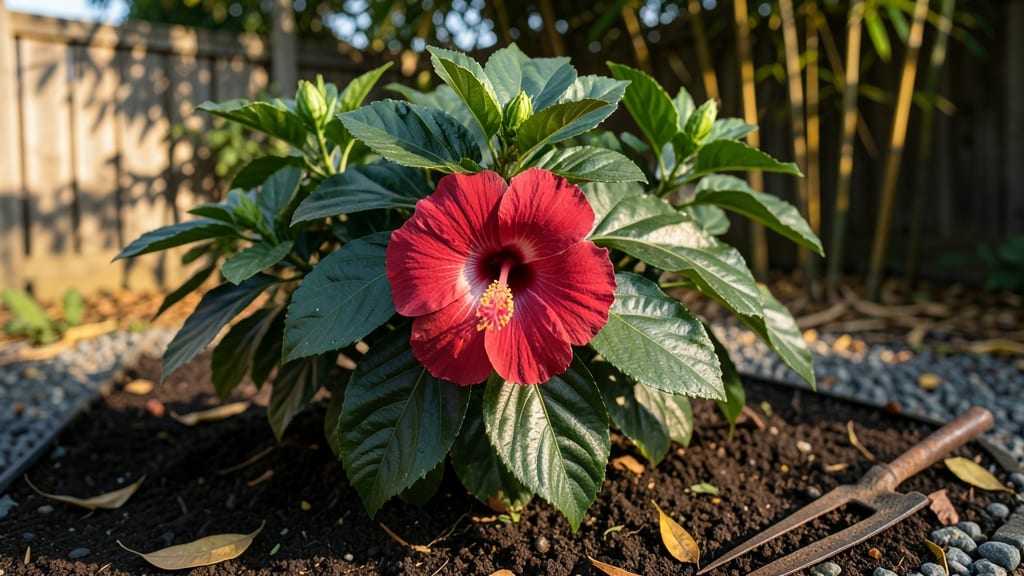
Caring for hibiscus flowers means waking up to bold, trumpet-shaped blooms that last all season—if you nail the basics. I’ve learned the hard way that these showstoppers aren’t high-maintenance, but they do demand consistency in water, light, and feeding.
The payoff? A plant that blooms nonstop from spring to frost (or year-round in warm climates) with minimal fuss.
Start with the right spot: full sun for at least 6 hours daily and well-draining soil that mimics their tropical roots. Tropical hibiscus need winter protection, while hardy varieties (like Hibiscus moscheutos) tough it out to Zone 5.
Feed them monthly with a balanced fertilizer during bloom time, and you’ll see those 5-inch-wide flowers popping up like clockwork. The secret’s in the routine—not the complexity.
Pruning feels intimidating, but it’s just about shaping and encouraging new growth. Cut back leggy stems after blooming to keep the plant compact, and trim any dead or diseased branches immediately.
With the right care, your hibiscus will reward you with vibrant blooms in every hue—deep reds, sunny yellows, even snowy whites—all while attracting hummingbirds to your garden.
This works for both patio pots and garden beds, whether you’re growing a single specimen or a full border. The key is observing your plant’s signals: drooping leaves mean water adjustments, yellowing foliage signals overfeeding.
Master these basics, and you’ll have hibiscus that thrive with minimal effort—not just for a season, but year after year.
📚 In This Guide
- What you need
- Instructions
- Tips and common mistakes
- Wrapping up and next steps
What you need
- ● Hibiscus plant: Choose between tropical (Hibiscus rosa-sinensis) or hardy (Hibiscus moscheutos) varieties, depending on your climate. Start with a healthy 1-2 foot tall plant from a nursery.
- ● Well-draining potting mix: Use a blend of 60% peat moss or coconut coir, 30% perlite or pumice, and 10% compost for optimal aeration. For outdoor planting: Amend garden soil with compost (1 part compost to 3 parts soil).
- ● Container (if potted): A 12-18 inch diameter pot with drainage holes. Terracotta or fabric pots work best to prevent root rot.
- ● Fertilizer: Balanced liquid fertilizer (10-10-10 or 20-20-20): Dilute to half-strength for regular feeding.
- ○ Slow-release granules: Optional but helpful (e.g., Osmocote 14-14-14). Apply at planting and mid-season.
- ● Pruning shears: Sharp, clean shears for trimming dead blooms or shaping the plant.
- ● Watering can or hose with a gentle spray nozzle: Hibiscus prefers deep watering, not frequent light sprinkles.
- ● Mulch: Organic mulch (e.g., shredded bark) to retain moisture and regulate soil temperature.
- ● Epsom salt: 1 tablespoon per gallon of water monthly for magnesium boosts (especially for yellowing leaves).
- ● Support stake or trellis: For larger varieties (e.g., Hibiscus syriacus) that may need structural support.
- ● pH test kit: To monitor soil pH (ideal range: 6.0–7.0 for tropical hibiscus).
- ● Insecticidal soap or neem oil: For organic pest control (e.g., aphids, spider mites).
Step-by-step guide to year-round hibiscus flower care
Here's how I keep my hibiscus blooming nonstop—even in cooler months.
Position for Maximum Sunlight
Hibiscus demands full sun exposure—at least 6-8 hours daily—to produce vibrant blooms. Place your plant where it receives direct sunlight, ideally near a south-facing window or in a sheltered outdoor spot. If indoors, supplement with a grow light for 12-14 hours per day during shorter winter months.
Watch for signs of insufficient light: leaves stretching toward the window or pale, sparse foliage. If this happens, adjust the plant’s position or increase light exposure immediately. Outdoor hibiscus may need relocation if summer shade creeps in—move it back into full sun to maintain blooming.
Water Deeply and Consistently
Hibiscus roots thrive when kept evenly moist but never soggy. Water deeply until water drains freely from the bottom of the pot, then wait until the top 1-2 inches of soil feel dry before watering again. Overwatering causes root rot, while underwatering leads to drooping leaves and bud drop.
In hot weather, check soil moisture daily—hibiscus in containers dry out faster. Mulch the soil surface with 2-3 inches of organic mulch to retain moisture and regulate temperature. Avoid letting the plant sit in saucers of standing water; empty excess water after 10 minutes.
Fertilize for Continuous Blooms
Feed hibiscus every 2-4 weeks during the growing season (spring through fall) with a balanced, water-soluble fertilizer (10-10-10 or 20-20-20). Reduce feeding in winter to once a month unless growing indoors with grow lights. Over-fertilizing burns roots and causes leaf yellowing.
For extra blooms, switch to a low-nitrogen, high-phosphorus fertilizer (like 5-10-5) when buds form. Watch for new buds—these appear as small, tight clusters at the leaf axils. Remove any yellow or brown leaves immediately to redirect energy to flowering.
Prune for Shape and Encourage New Growth
Prune hibiscus after blooming or in early spring to shape the plant and stimulate new growth. Cut back leggy stems by one-third to encourage bushier growth. Remove dead, damaged, or crossing branches with clean, sharp pruners—always make cuts just above a leaf node or outward-facing bud.
Pinch back new growth tips in late spring to promote branching. This is especially important for tropical hibiscus, which can become top-heavy. After pruning, fertilize lightly to support recovery. Avoid heavy pruning in fall—it reduces winter hardiness.
Protect from Pests and Seasonal Stress
Inspect hibiscus regularly for aphids, spider mites, or whiteflies, which thrive on tender new growth. Treat infestations early with neem oil or insecticidal soap, applying in the early morning or evening to avoid harming beneficial insects. Wipe leaves with a damp cloth weekly to remove dust, which blocks sunlight.
In cooler months, move potted hibiscus indoors before temperatures drop below 50°F. If outdoors, mulch heavily and wrap the pot in burlap for extra insulation. Watch for bud drop—this often signals temperature stress or drafts. Keep the plant in a stable environment to maintain blooming.
Tips & tricks for perfect hibiscus flower care
Here's what I've learned after years of keeping hibiscus blooming through every season—these small details make all the difference.
Light Optimization: If your hibiscus isn't getting enough natural light, consider rotating the pot quarter-turns every few days to ensure even exposure. This prevents lopsided growth and helps maintain that perfect round shape. For indoor plants, position the grow light 12-18 inches above the plant—closer than the instructions suggest—to compensate for weaker winter sunlight.
Watering Technique: The key to that perfect evenly moist soil is checking moisture at the bottom of the pot, not just the surface. Stick your finger 2-3 inches deep—if it's dry, water thoroughly. For container plants, I find using a moisture meter with a 30-50% range gives the most consistent results. Remember, those 10 minutes for draining excess water are critical—never let your hibiscus sit in standing water.
Fertilizer Timing: When switching to that low-nitrogen, high-phosphorus fertilizer for budding, I apply it every 2 weeks during the bloom phase rather than monthly. The extra phosphorus boost encourages more buds to form, and I've found hibiscus respond beautifully to this frequent, lighter feeding schedule. Always dilute fertilizer to half-strength when applying to encourage blooms rather than leaf growth.
Pruning Precision: When cutting back those leggy stems by one-third, I make my cuts just above a leaf node where you can see a small bump or growth point. This ensures new growth emerges from the exact spot you want. For tropical hibiscus, I avoid pruning after mid-summer—the plant needs all its energy to harden off for winter, not produce new growth that might not survive cooler temperatures.
Pro Tips for Hibiscus Flower Care
- Here's what I've learned after years of keeping hibiscus blooming through every season—these small details make all the difference.
- Light Optimization: If your hibiscus isn't getting enough natural light, consider rotating the pot quarter-turns every few days to ensure even exposure.
- Watering Technique: The key to that perfect evenly moist soil is checking moisture at the bottom of the pot, not just the surface.
Frequently asked questions
Got questions about keeping your hibiscus blooms happy? Here are some of the most common concerns—and their easy solutions!
How often should I water my hibiscus plant?
Hibiscus loves moisture but hates soggy roots. Water when the top 1-2 inches of soil feel dry—usually 2-3 times per week in warm weather. Reduce to once a week in cooler months. Pro tip: Mulch around the base to retain moisture and prevent evaporation!
Why isn’t my hibiscus flowering?
Lack of blooms often means low light or poor nutrition. Move your plant to bright, indirect sunlight (6+ hours/day) and feed it a balanced fertilizer every 4-6 weeks during growing season. Prune leggy stems in spring to encourage new growth—and blooms!
What pests should I watch for?
Common culprits include aphids, spider mites, and mealybugs. Check leaves regularly! Treat mild infestations with a soapy water spray (1 tsp mild soap per quart of water). For tougher pests, use neem oil or insecticidal soap. Prevention tip: Keep your hibiscus healthy—stressed plants attract pests!
Can hibiscus survive winter indoors?
Yes! Move potted hibiscus inside before temps drop below 50°F (10°C). Place it near a south-facing window for sunlight and reduce watering. Avoid drafts or sudden heat changes. Bonus: Prune lightly in early spring to prep for the next growing season!
What’s the easiest way to propagate hibiscus?
Use stem cuttings! Snip a 4-6 inch healthy stem just below a leaf node, dip in rooting hormone, and plant in moist potting mix. Keep humid (cover with a plastic bag) and place in bright, indirect light. Roots should form in 2-4 weeks. Pro move: Bottom heat (like a heating mat) speeds up rooting!
Wrapping up and next steps
Caring for hibiscus flowers is simpler than you might think—with the right light, water, and occasional love, these stunning blooms will reward you with vibrant colors year-round! 🌸 Whether you’re a beginner or a seasoned gardener, the key is consistency and a little attention to their needs.
Now that you’re armed with the essentials, why not plant one today and watch your garden transform?
Ready to dive in? Pick your favorite hibiscus variety, gather your supplies, and start nurturing your tropical beauty—your future blooms will thank you!