Propagation
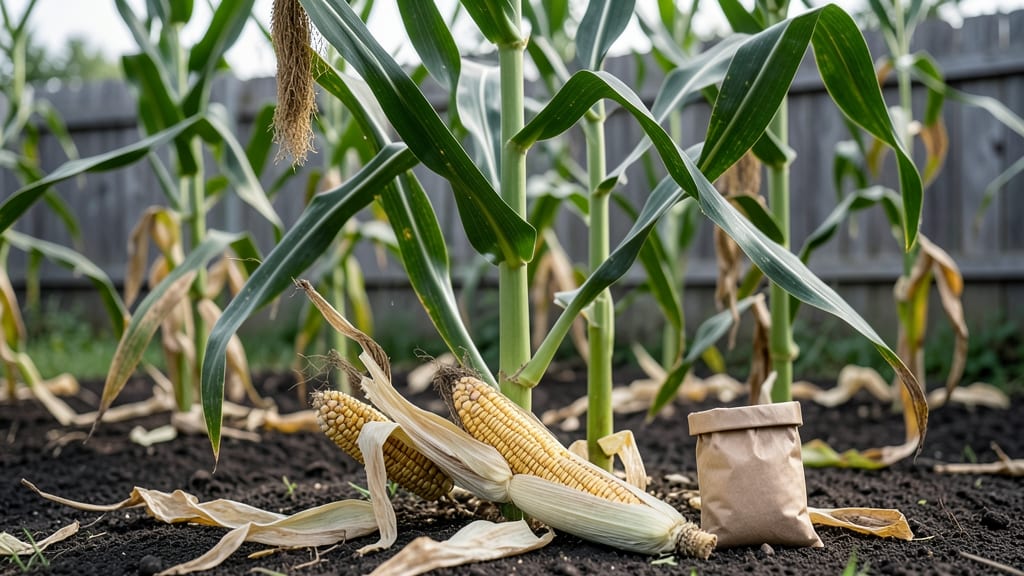
Collecting cornflower seeds is easier than it looks—just wait for those papery blue blooms to turn into rusty brown seed heads. 🌻 The right timing and a few simple tools mean you'll harvest plump, viable seeds ready for next year's garden, saving money and keeping heirloom varieties alive.
Here's the thing—you don't need fancy equipment. Grab a pair of clean scissors or pruners, a brown paper bag for drying, and a sunny spot indoors.
The key is watching for seed heads that split open naturally; those are ready to harvest when they turn from blue to tan and start cracking.
Once you've collected the dried heads, let them fully dry for a week or two before gently rubbing the seeds into your palm. The best part? These seeds stay viable for years if stored in a cool, dry place, giving you free flowers season after season without buying new ones.
This method works for any cornflower variety, whether you're growing them in borders, containers, or wildflower meadows. The more you save, the more you'll have to share—or plant even more next year.
📚 In This Guide
- What you need
- Instructions
- Tips and common mistakes
- Wrapping up and next steps
What you need
- ● Mature cornflower plants: Choose healthy, fully bloomed plants with dried seed heads (brown and papery). Aim for at least 3-5 plants for a good seed harvest.
- ● Pruning shears or sharp scissors: For cleanly cutting seed heads without damaging the stems.
- ● Paper bags or brown lunch bags: 2-3 medium-sized bags (one per plant or per batch) to collect seeds and prevent spillage.
- ● Newspaper or cardboard: A flat surface (about 2’ x 3’) for drying and threshing seeds.
- ● Fine-mesh sieve or colander: To sift out debris and chaff from the seeds.
- ● Small bowl or container: For storing clean, dry seeds.
- ● Air-tight container (e.g., glass jar or seed envelope): To preserve seeds long-term (label it with the date!).
- ● Glove: Protects hands from prickly seed heads if you’re sensitive to texture.
- ● Fan or hairdryer (on low heat): Speeds up drying for impatient gardeners! 🌬️
- ● Magnifying glass: Helps inspect seeds for viability (look for plump, intact seeds).
- ● Seed moisture meter: For tech-savvy gardeners who want to ensure seeds are 10-15% moisture before storage.
- ● Desiccant packets: Adds an extra layer of dryness to your air-tight storage container.
Step-by-Step guide to harvesting and saving cornflower seeds
Here's how I collect seeds from mature cornflower blooms—simple, rewarding, and perfect for next year's garden.
🌱 Step 1: Wait for Seed Heads to Fully Mature
Cornflower seeds ripen when the flower heads turn from vibrant blue to a dry, papery brown. I watch for the petals to drop completely and the seed heads to feel crisp when squeezed gently—this usually happens 4-6 weeks after flowering. The seeds inside should rattle when you shake the head.
Don't rush this step—green or partially dried heads won't yield viable seeds. I like to harvest on a dry morning after the dew has evaporated. This prevents moisture from sticking to the seeds and causing mold during storage.
💧 Step 2: Cut the Seed Heads and Prepare for Drying
Use clean, sharp scissors to snip the dried seed heads from the stems, leaving about 1 inch of stem attached. This makes handling easier later. I lay them on a clean, dry towel or paper in a single layer, stems facing up. This prevents them from touching and sticking together.
Place the tray in a warm, dry spot with good airflow—a sunny windowsill or well-ventilated room works perfectly. Avoid direct sunlight or heat sources, which can scorch the delicate seed heads. They'll need 7-10 days to fully dry, depending on humidity levels.
✂️ Step 3: Extract and Store the Seeds
Once the heads are completely dry, gently rub them between your palms or use a clean spoon to scrape out the seeds. I find a paper plate works best—just hold the head over it and tap lightly. The seeds will fall out while chaff and debris stay behind.
Remove any remaining chaff by wafting the seeds in a gentle breeze or sifting them through a fine mesh strainer. Store the clean seeds in a paper envelope or small glass jar in a cool, dark place. They'll stay viable for 2-3 years if kept dry.
🌿 Step 4: Test Germination Before Planting Next Year
Before sowing, I do a quick germination test: place 10 seeds between damp paper towels in a sealed plastic bag. Keep them in a warm spot (65-75°F) and check daily. If 80% or more sprout within 7-14 days, your seeds are ready for planting—this ensures strong, healthy seedlings next season.
If germination is poor, the seeds may have dried out too much. In that case, try planting them fresh—they might still sprout in ideal conditions. Cornflowers are forgiving, so even a few good seeds will give you beautiful blooms.
Tips & tricks for perfect cornflower seed collection
Here's what nobody tells you about harvesting cornflower seeds—little tricks that make all the difference between a handful of seeds and a full jar of plump, viable ones.
Timing is Everything: Those 4-6 weeks after flowering are critical—don't harvest too early! I've learned the hard way that green seed heads won't yield good seeds. Wait until the petals have completely fallen off and the heads feel crisp when you gently squeeze them. This usually happens in late summer or early fall, depending on your climate. If you're unsure, shake the head—if seeds rattle inside, they're ready.
Drying Strategy: The 7-10 days of drying in Step 2 can be tricky if your home is humid. I place a small fan nearby to circulate air without creating a breeze that could scatter seeds. If you live in a damp climate, consider using a food dehydrator set to its lowest setting (around 95°F) to speed up the process safely. Just avoid direct heat sources—those delicate seed heads can scorch easily.
Seed Extraction Hack: When it's time to extract seeds in Step 3, I find a clean paper plate works best—just hold the dried head over it and tap lightly with a spoon. The seeds will fall out cleanly while chaff stays behind. For stubborn seeds, gently rub the head between your palms over the plate. This method keeps your workspace tidy and makes separating seeds from debris effortless.
Storage Wisdom: Once your seeds are clean and dry, store them in a cool, dark place like a pantry or basement. I use small paper envelopes labeled with the year and variety—cornflowers are self-seeding, but labeled storage prevents mix-ups. The 2-3 year viability promise holds true if you keep them completely dry. Add a tiny silica gel packet to your storage container for extra moisture protection.
Pro Tips for Collect Cornflower Seeds
- Here's what nobody tells you about harvesting cornflower seeds—little tricks that make all the difference between a handful of seeds and a full jar of plump, viable ones.
- Timing is Everything: Those 4-6 weeks after flowering are critical—don't harvest too early!
- Drying Strategy: The 7-10 days of drying in Step 2 can be tricky if your home is humid.
Frequently asked questions
Got questions about collecting cornflower seeds? You’re not alone! Here are some common concerns—and their answers—to help you succeed.
When is the best time to harvest cornflower seeds?
Harvest seeds when the flower heads turn brown and dry but before they shatter or fall apart. This usually happens 4–6 weeks after flowering, depending on your climate. Check daily in late summer or early fall for the perfect moment.
How long do cornflower seeds stay viable?
Cornflower seeds remain viable for 1–2 years if stored properly in a cool, dry place (like a sealed container in the fridge). For best results, plant them within 6 months of collection. If they’re past their prime, try sowing them anyway—sometimes they still sprout!
What if my cornflower heads don’t produce seeds?
If your plants flower but skip seed production, check for these issues:
- Pests (like aphids) may have damaged the buds.
- Poor pollination—hand-pollinate with a soft brush if bees are scarce.
- Overcrowding can reduce seed yield; thin plants for better airflow.
Can I collect seeds from store-bought cornflowers?
Yes! Many commercially grown cornflowers (like Centaurea cyanus) are open-pollinated, meaning their seeds are true to type. Just ensure the flowers aren’t treated with chemicals that could harm seed viability. Organic or heirloom varieties are safest.
What’s the easiest way to store collected seeds?
Clean seeds thoroughly, let them dry completely (1–2 weeks), then store them in:
- A paper envelope (breathable, mold-resistant).
- A glass jar with silica gel (for long-term dry storage).
- The fridge or freezer (slow decay for 2+ years).
Wrapping up and next steps
Collecting cornflower seeds is a simple yet rewarding process that lets you propagate these vibrant blooms year after year! By following the right timing—waiting for the seed heads to dry and turn brown—you’ll ensure plump, viable seeds ready for planting.
Whether you’re saving seeds for next season or sharing them with fellow gardeners, your efforts will bring beautiful blue blooms back to your garden.
Now that you’re equipped with the know-how, grab those dried seed heads and get ready to sow the seeds in well-prepared soil. Happy gardening—your future cornflowers will thank you! 🌱