Aphids
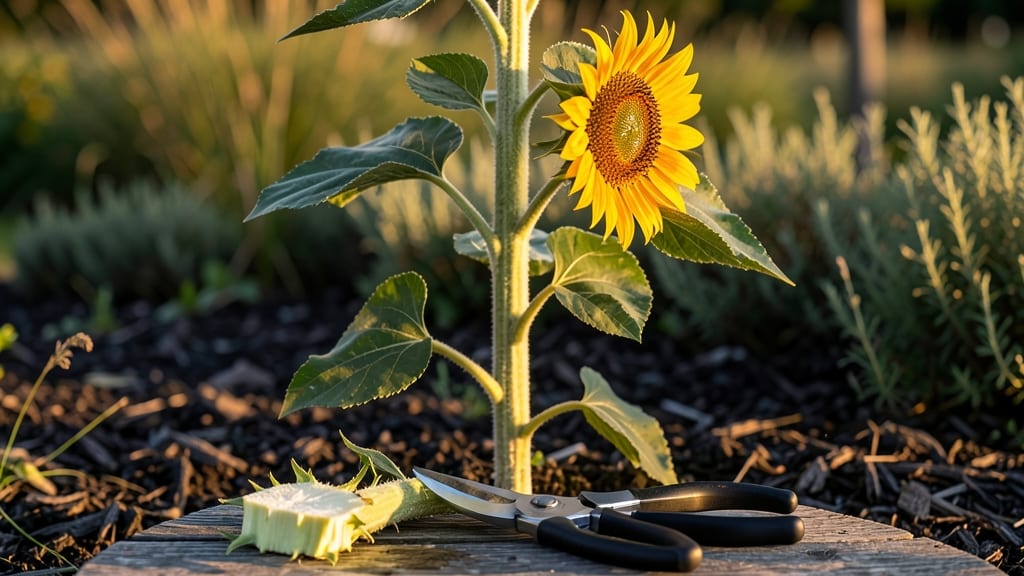
Cutting sunflowers for regrowth turns one stem into a bushy display of secondary blooms—something I never expected when I first tried it. 🌻 The secret lies in timing and technique: wait until the first flowers fade, then make a clean cut just above a set of leaves, and watch the plant rebound with new shoots.
You’ll need sharp pruners, a sunny spot, and patience—no fancy tools required. Most varieties respond well, but giant varieties like ‘Mammoth’ may focus energy on height rather than reblooming. After cutting, keep the soil moist and fertilize lightly to encourage fresh growth.
Within weeks, you’ll see new stems shooting up from the base, each capable of producing another round of blooms. The plant stays healthy, the garden stays colorful longer, and you avoid the sad sight of sunflowers fading too soon.
Works best for dwarf and medium varieties in zones 3-10. Just avoid cutting too late in the season—you’ll want those second blooms to mature before frost. Ready to give it a try?
📚 In This Guide
- What you need
- Instructions
- Tips and common mistakes
- Wrapping up and next steps
What you need
- ● Pruning shears or sharp bypass pruners – Look for clean, sterilized blades (7-10 inches long) to make precise cuts without damaging the stem.
- ● Disinfectant (rubbing alcohol or bleach solution) – 1 part bleach to 9 parts water to sterilize tools before and after use.
- ○ Gloves (optional but recommended) – Garden or work gloves to protect hands from thorns and sap.
- ● Watering can or hose – For post-cut hydration to reduce stress on the plant.
- ○ Balanced fertilizer (optional but helpful) – 10-10-10 or similar NPK ratio to support regrowth after pruning.
- ● Plant growth stimulator – Like seaweed extract or rooting hormone to encourage faster regrowth.
- ● Mulch (straw or wood chips) – To retain moisture and protect the base of the stem.
- ● Support stake or small cage – If your sunflower is tall and needs extra stability after cutting.
- ● Notebook or marker – To label cut stems (if propagating) or track regrowth progress.
Step-by-step guide to pruning sunflowers for renewed growth
Here’s how to coax those towering stems back into action—no fancy tools needed.
✂️ Step 1: Choose the Right Time to Cut
Wait until the first bloom has fully opened but starts to wilt—usually 7-10 days after petals unfurl. This signals the plant has shifted energy from flowering to seed production. Cutting too early robs the plant of its initial bloom cycle, while waiting too long means the stem may already be drying out.
Use clean, sharp pruning shears (or even kitchen scissors in a pinch) to make a clean diagonal cut about 2-3 inches below the faded flower head. This leaves enough stem to support new growth without leaving a stub. The goal is to remove the spent bloom while preserving the plant’s energy reserves.
🌱 Step 2: Stimulate New Growth with Proper Technique
After cutting, inspect the stem for side buds—small green nubs hidden along the main stalk. These are your secret weapon for second blooms. If you see 3-5 strong side buds within 6 inches of the cut, your plant is primed for regrowth. If buds are sparse or weak, the stem may not produce another substantial bloom.
Water the base deeply right after pruning to reduce stress. Sunflowers are thirsty, and a good soak encourages roots to push nutrients upward for new shoots. Keep soil evenly moist (not soggy) for the next 5-7 days—you’ll notice fresh leaves emerging from the side buds within a week if conditions are right.
☀️ Step 3: Optimize Light and Care for Second Blooms
Move your sunflower to the sunniest spot in your garden—full sun (6+ hours daily) is non-negotiable for regrowth. Leggy stems or pale leaves mean it’s not getting enough light, and the plant will focus energy on survival instead of blooming. If your sunflower starts leaning toward the light, rotate the pot or stake it to keep it upright.
Fertilize lightly with a balanced 10-10-10 formula (or compost tea) 2 weeks after cutting. Too much nitrogen now will produce leafy growth at the expense of flowers. Watch for new shoots emerging from the side buds—these will eventually grow into secondary stems capable of producing smaller but vibrant blooms.
⏰ Step 4: Monitor and Support Regrowth
Second blooms typically take 4-6 weeks to mature, so patience is key. You’ll know regrowth is on track when you see new leaves unfurling from the side buds and the main stem thickening slightly. If growth stalls after 3 weeks, check for pests (like aphids) or fungal spots on leaves—treat with neem oil if needed.
Stake taller regrowth stems if they exceed 3 feet to prevent toppling. Sunflowers are heavy, and wind or rain can snap weak new growth. Harvest the first regrowth bloom by cutting the stem just above a leaf node to encourage one last cycle of smaller blooms before frost. By late summer, you’ll have a cascade of secondary flowers where one once stood.
Tips & tricks for perfect sunflower regrowth
Here's what nobody tells you about breathing new life into your sunflowers—these tricks make all the difference.
Timing is Everything: Those 7-10 days after the first bloom opens are your golden window. I learned this the hard way after cutting too early and losing my plant's initial bloom potential. Look for petals that have fully unfurled but are starting to droop slightly—this signals the plant is shifting energy downward. If you miss this window, you might find your stem already drying out before you can stimulate regrowth.
Cutting Technique Matters: That 2-3 inch cut below the faded bloom isn't arbitrary—it's about preserving the plant's energy reserves. Make your diagonal cut just above a leaf node (where leaves attach) to encourage new growth from that spot. Confession: I skipped this detail for years and wondered why my plants never rebloomed well. The angle of the cut also matters—it prevents water from pooling on the stem, which could lead to rot.
Side Bud Inspection: Those tiny green nubs hidden along the main stalk are your secret weapon for second blooms. If you see 3-5 strong side buds within 6 inches of your cut, your plant is primed for regrowth. I've seen plants with weak or sparse buds fail to produce substantial second blooms. Take a close look—sometimes the buds are hidden under larger leaves, so you might need to gently part the foliage to spot them.
Light and Fertilizer Balance: After pruning, move your sunflower to the sunniest spot possible—full sun (6+ hours daily) is non-negotiable. I've seen regrowth stall when plants were moved to partial shade. And here's the thing about fertilizer: too much nitrogen too soon will give you leafy growth at the expense of flowers. Wait those 2 weeks before applying that balanced 10-10-10 formula. This timing lets the plant recover from the pruning shock before pushing new growth.
Pro Tips for Cut Sunflowers For Regrowth
- Here's what nobody tells you about breathing new life into your sunflowers—these tricks make all the difference.
- Timing is Everything: Those 7-10 days after the first bloom opens are your golden window.
- Cutting Technique Matters: That 2-3 inch cut below the faded bloom isn't arbitrary—it's about preserving the plant's energy reserves.
Frequently asked questions
Got questions about cutting sunflowers for regrowth? You’re not alone! Here are answers to the most common concerns—plus a few pro tips to keep your sunflowers thriving.
When is the best time to cut sunflowers for regrowth?
Cut sunflowers after they’ve bloomed but before the seeds fully mature (usually late summer to early fall). Aim for a sunny, dry day to minimize stress on the plant. Avoid cutting too early—wait until the flower head turns brown and dries out slightly. This ensures the stem still has energy to regrow!
How low should I cut the stem for regrowth?
Leave about 6–12 inches of stem above the soil. Cutting too low risks damaging the root system, while leaving too much may weaken the plant. Use clean, sharp shears to make a diagonal cut just above a leaf node. This encourages new shoots to sprout from the stem’s growth points.
Will cutting sunflowers for regrowth affect next year’s blooms?
Not if done correctly! Sunflowers are perennial in warm climates (zones 4–9), so cutting them back properly can actually stimulate stronger regrowth for next season. In colder areas, treat them as annuals—cut back in fall, mulch the base, and they may return the following year with better vigor.
What if my sunflower doesn’t regrow after cutting?
Don’t worry—it might just need a little patience! First, check for pests (like aphids) or disease on the remaining stem. If the plant looks healthy but sluggish, try fertilizing lightly with a balanced 10-10-10 mix. If it’s a young sunflower, it may need more time (some take 4–6 weeks to regrow).
Can I cut sunflowers for regrowth if they’re already seed-bearing?
Yes, but with a caveat: If the seeds are fully mature (hard and dry), the plant has already diverted most of its energy to seed production. Cutting then may yield little to no regrowth. For best results, cut before seeds harden—this gives the stem a fighting chance to recover and sprout new blooms!
Wrapping up and next steps
Cutting sunflowers for regrowth isn’t just a clever gardening trick—it’s a way to extend your harvest and enjoy those cheerful blooms longer!
By following the right steps—like using sharp tools, timing cuts properly, and providing post-pruning care—you’ll give your plants the best shot at a second (or even third!) round of beauty. 🌻
Now that you’re armed with the know-how, roll up your sleeves and get pruning! Start with one or two stems to test the process, and soon, you’ll be watching your garden transform into a sunflower paradise. Happy gardening—and here’s to more blooms ahead! 🌱