
Flowers
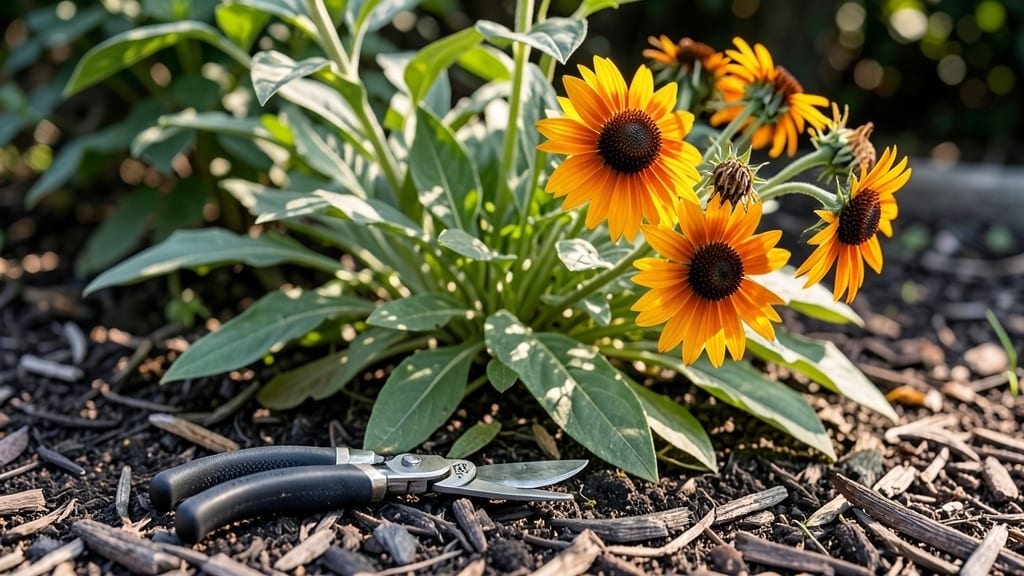
Deadheading cone flowers transforms your garden from a one-time showstopper to a nonstop bloom machine—and the trick is simpler than you think. ✂️ My first attempt left the stems looking like a disaster, but after three seasons of practice, I’ve perfected a foolproof method that keeps Rudbeckia and Echinacea flowering until frost.
The key? Timing, the right cuts, and a little patience to let the plant recover between blooms.
You’ll need just three things: sharp pruners (or clean scissors), gloves (those thorns don’t play nice), and a sunny afternoon when the blooms have faded but the stems are still green.
The goal is to remove the spent flower head while leaving the lower leaves intact—this keeps the plant energized for the next round of blooms.
Most gardeners overlook the second cut where you trim just above a set of healthy leaves, and that’s what makes the difference between a few extra flowers and a full second flush.
After deadheading, your plants will reward you with bold, fresh blooms in as little as 4-6 weeks, depending on the variety. The stems stay sturdy, the foliage stays lush, and you avoid the messy seed heads that can spread everywhere.
Plus, you’ll skip the energy drain of seed production, letting the plant focus on what matters: more flowers. Think of it like giving your plants a little haircut—they’ll thank you with a longer, more vibrant show.
This method works for both perennial and annual cone flowers, whether you’re growing them in full sun beds or container gardens. The only rule? Don’t go overboard—trim no more than a third of the plant at once, or you’ll stress it out.
Now grab those pruners and get ready to turn your garden into a summer-long spectacle.
📚 In This Guide
- What you need
- Instructions
- Tips and common mistakes
- Wrapping up and next steps
What you need
- ○ Pruning shears or sharp scissors: A bypass pruner (clean, sharp blades) works best—avoid dull tools that crush stems. Optional: Small hand pruners for delicate cuts.
- ○ Gloves (optional but recommended): Lightweight gardening gloves protect hands from thorns and dirt. Look for nitrile-coated or cotton options for grip.
- ● Disinfectant (70% isopropyl alcohol or diluted bleach): A small spray bottle or wipe to sterilize tools between cuts—prevents disease spread! Quantity: 2–4 oz of solution.
- ● Trash bag or bucket: For collecting spent blooms. A 5-gallon bucket with a lid keeps debris contained.
- ○ Water spray bottle (optional): Helps clean tools mid-task or refresh wilting foliage. Size: 8–16 oz.
- ● Best time to deadhead: Early morning or late afternoon when temperatures are mild (avoid midday heat).
- ● Weather check: Deadhead only on dry days—wet stems can encourage fungal growth.
- ● Plant identification: Confirm your cone flowers are Echinacea purpurea, E. pallida, or E. paradoxa (all deadhead similarly).
Step-by-step guide for deadheading cone flowers
Here's how I keep my cone flowers blooming all season with just a few easy cuts.
🌿 Step 1: Identify Spent Blooms and the Right Time to Cut
Look for blooms that have fully opened and started to fade—the petals will look droopy or brown at the edges. Cone flowers (Echinacea) have those distinctive spiky centers, and you'll want to cut just above the first set of healthy leaves below the bloom. This is where new growth will emerge.
I always deadhead in the morning when the flowers are still firm and the air is cool. This prevents stress on the plant and gives it time to recover before the heat of the day. The key is to act before the bloom turns completely brown or the seed head forms—once that happens, the plant puts energy into seed production instead of new flowers.
✂️ Step 2: Make the Clean Cut at the Right Spot
Use clean, sharp pruners or shears to make your cut. Angle the cut slightly downward, about 1/4 inch above where the bloom meets the stem. This prevents water from pooling on the cut and causing rot. You'll see a small bump or node where new buds form—this is your target spot.
If you're unsure where to cut, look for the first set of leaves below the bloom. Cutting just above them encourages the plant to send energy into new growth from that point. I always test the sharpness of my tools first by cutting a piece of paper—dull blades crush stems and invite disease.
🌱 Step 3: Encourage More Blooms with Follow-Up Care
After deadheading, give the plant a light watering if the soil feels dry to the touch. Cone flowers are drought-tolerant, but they'll reward you with more blooms if they're not struggling for moisture. I like to water at the base rather than overhead to keep the foliage dry and prevent fungal issues.
Watch for new buds forming at the base of where you cut. These will emerge within 2-3 weeks if conditions are right. If your plant isn't producing new blooms, check its light—cone flowers need full sun (6+ hours daily) to thrive. They'll also tolerate partial shade, but you'll get fewer blooms.
⏰ Step 4: Repeat Regularly for Continuous Blooms
Deadhead every 1-2 weeks throughout the blooming season to keep your cone flowers looking their best. The more you remove spent blooms, the more energy the plant puts into producing new ones. I set a reminder on my phone for every Tuesday and Thursday—it only takes a minute per plant.
By late summer, you might notice the plant slowing down. That's normal—cone flowers often have a second flush of blooms in fall. Stop deadheading in early autumn to let the plant focus on setting seeds for next year. The dried seed heads also add winter interest to your garden!
Tips & tricks for perfect cone flower deadheading
Here's what nobody tells you about keeping your Echinacea blooming like a pro.
Timing Secret: The morning after a light rain is actually the best time to deadhead. The soil is moist enough to support new growth, and the flowers are fully hydrated, making them easier to handle. I've noticed my plants respond best when I work between 7-9 AM—this gives them the whole day to recover before evening stress.
Tool Technique: Don't have pruners? A clean pair of kitchen scissors or even your fingers (for small blooms) work in a pinch. The key is always to make the cut at a 45-degree angle to prevent water from sitting on the stem. I keep a small bottle of rubbing alcohol nearby to wipe down my tools between cuts—this prevents spreading any potential diseases from plant to plant.
Visual Cues: Look for the "bud bump" where the bloom meets the stem—this is your target spot for cutting. It should feel slightly thicker than the rest of the stem and often has tiny leaf buds forming. If you're unsure, cut just above the first set of healthy leaves below the bloom. This simple trick ensures you're always cutting in the right place for maximum regrowth.
Seasonal Strategy: In late summer, when your plants start slowing down, switch to a "selective deadheading" approach. Instead of removing every spent bloom, leave some to develop seed heads—they'll provide winter interest and attract pollinators. I mark these with a small piece of twine so I don't accidentally cut them later in the season.
Pro Tips for Dead Head Cone Flowers
- Here's what nobody tells you about keeping your Echinacea blooming like a pro.
- Timing Secret: The morning after a light rain is actually the best time to deadhead.
- Tool Technique: Don't have pruners?
Frequently asked questions
Got questions about deadheading cone flowers? You’re not alone!
Here are the most common concerns—plus quick, expert answers to keep your garden thriving.
When is the best time to deadhead cone flowers?
Deadhead after the blooms fade but before they turn brown or seed. For cone flowers (like echinacea), aim for late summer to early fall. This encourages more flowers and prevents self-seeding, which can clutter your garden. Pro tip: Morning is ideal—stems are firmer and easier to cut!
How do I know if I’m cutting too much?
Cone flowers are hardy! Cut back up to 1/3 of the stem (but never below the first set of leaves). If you see bare stems, you’ve gone too far—just trim back to a leafy section. Over-cutting can stress the plant, but don’t worry: Cone flowers bounce back fast. Think of it like a haircut—too short, and you’ll regret it!
What if my cone flowers aren’t reblooming after deadheading?
Reblooming depends on the variety! Some (like Echinacea purpurea) bloom once but produce tons of flowers. Others (like Echinacea paradoxa) rebloom lightly. If yours are sluggish, check for:
- Sunlight: 6+ hours of sun daily.
- Water: 1 inch per week (drought stress = fewer blooms).
- Soil: Well-draining, slightly alkaline soil.
Can I use deadheaded cone flowers for anything?
Don’t toss those spent blooms:
- Compost them for nutrient-rich soil.
- Dry them for winter arrangements (hang upside-down!).
- Leave some seeds for pollinators (but remove extras to control spread).
What if I see black spots or wilting after deadheading?
Black spots or sudden wilting could signal powdery mildew or root rot. If you see:
- Yellow leaves: Overwatering or poor drainage.
- Black spots: Fungal issue—trim infected parts and space plants for airflow.
- Soft stems: Root rot (cut back dead tissue, repot if needed).
Wrapping up and next steps
Deadheading cone flowers is a simple yet powerful way to keep your garden vibrant and encourage more blooms all season long! 🌸 With just a few precise cuts, you’ll transform wilted stems into fresh, lush growth—proving that a little effort goes a long way.
Now that you’re armed with the know-how, grab those shears and get pruning—your garden will thank you with a stunning display of color and life!
Ready for even more blooms? Try experimenting with different deadheading techniques or share your progress with fellow gardeners for extra tips. Happy gardening! 🌿