
Pruning
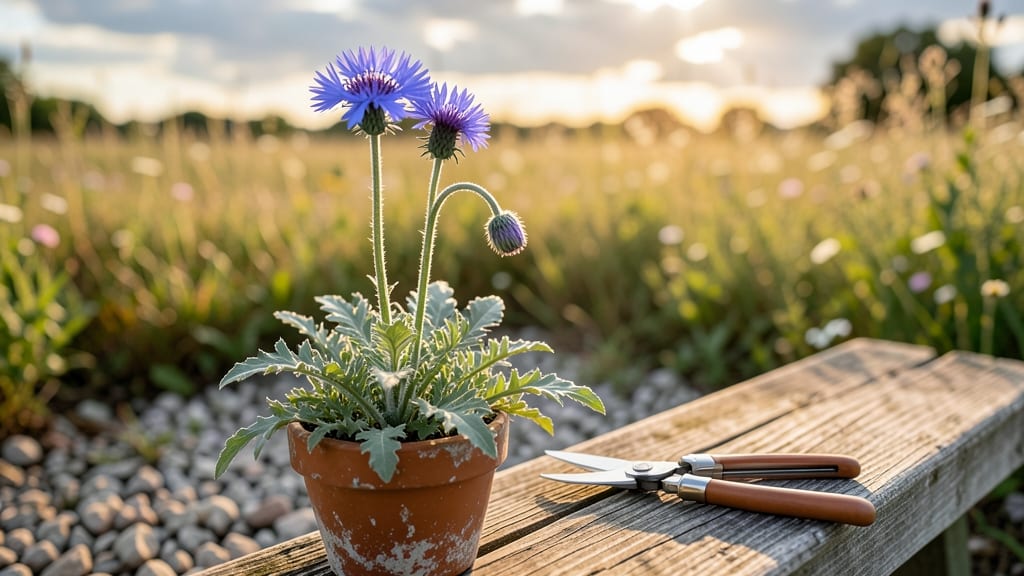
Deadheading cornflowers isn’t just a chore—it’s the secret to nonstop blue blooms all summer long. ✨ I’ve spent years watching these cheerful wildflowers fade too soon, until I learned the three simple cuts that keep them flowering for months.
The best part? You don’t need fancy tools or a green thumb—just a pair of clean shears and a little timing.
Here’s the game-changer: snip just above the first set of healthy leaves (about 1/4 inch up) once the center blooms turn brown. This prevents seed formation while encouraging side shoots to burst into new flowers.
Most gardeners overcut stems, which weakens the plant—so resist the urge to trim too short. Cornflowers self-seed like crazy anyway, so you’ll still get next year’s crop without extra effort.
You’ll notice the difference in 10-14 days: fresh buds unfurling where old blooms once stood. The plants stay bushier, the color stays vibrant, and you’ll avoid the sad post-summer slump that kills so many annuals. Even my black-thumb attempts now produce cornflowers that outlast any store-bought bouquet.
Works for both garden beds and containers, and the technique scales from a single pot to a wildflower meadow. Ready to turn those fading blooms into a never-ending show? Let’s get to those shears.
📚 In This Guide
- What you need
- Instructions
- Tips and common mistakes
- Wrapping up and next steps
What you need
- ● Sharp pruning shears or bypass pruners – Look for ergonomic, stainless-steel blades (3-4 inches long) to avoid crushing stems.
- ● Clean, sharp garden scissors or hand pruners – For smaller blooms or delicate stems (2-3 inches long).
- ○ Gloves (optional but recommended) – Lightweight, breathable garden gloves to protect hands from thorns or prickly stems.
- ● Disinfectant (rubbing alcohol or bleach solution) – 1 part bleach to 9 parts water to sterilize tools between cuts.
- ● Bucket or compost bin – For collecting spent blooms and debris.
- ○ Water spray bottle (optional) – To mist tools or hands if working in dry conditions.
- ● Knee pad or cushion – For comfort if deadheading low-growing or sprawling cornflower varieties.
- ● Magnifying glass – Helps spot tiny buds or hidden blooms in dense foliage.
- ● Pruning saw (for thick stems) – Only needed if dealing with woody, overgrown cornflower stalks.
- ● Plant markers or labels – To track varieties if you’re experimenting with different cornflower types.
Step-by-Step instructions for deadheading cornflowers
Here's the method I've used for years—no fuss, just consistent blooms.
✂️ Step 1: Wait for the Right Time to Deadhead
Deadhead cornflowers when one or two flowers per stem have fully opened but before they begin to fade. The ideal moment is when the petals are fully unfurled but still vibrant—this ensures you're cutting at peak energy storage for new blooms. I always check the center of the flower: if the stamens are still bright yellow and the petals feel firm to the touch, it's time.
Cornflowers are resilient, but cutting too early (when buds are still tightly closed) removes potential blooms. If you see petals starting to brown at the edges or stamens turning dull, you've waited too long. The goal is to redirect the plant's energy from seed production back into fresh flower growth.
✂️ Step 2: Make the First Cut at the Right Angle
Use clean, sharp pruning shears or your fingers to pinch off the spent bloom just above the first set of healthy leaves or side buds on the stem. This is where new flower stems will emerge. I make a 45-degree angle cut about 1/4 inch above the leaf node—this prevents water from pooling on the cut surface, which could rot the stem.
If you're using shears, disinfect them with rubbing alcohol between plants to prevent spreading disease. Never pull or tear the flower head—this can damage the stem and leave ragged edges that invite pests. The cleaner the cut, the faster the plant recovers and sends out new growth.
✂️ Step 3: Encourage Bushier Growth with Strategic Cuts
After the first deadheading, watch for new side shoots forming at the leaf nodes. Once these reach 2-3 inches tall, they're ready for their own deadheading treatment. Cut back these secondary stems just above the next set of leaves to promote even bushier growth. This is where cornflowers really shine—they'll reward you with a dense, continuous display of blooms.
Real talk: if you see a stem with no new buds forming after a few weeks, it's likely exhausted. In that case, cut it back to the main stem or remove it entirely. Cornflowers are forgiving, but they won't produce forever without a break. I usually give my plants a mid-season "rest" by stopping deadheading for 10-14 days to let them regroup.
Tips & tricks for perfect cornflower deadheading
Here's what I've learned after years of keeping my cornflowers blooming all season long.
Timing Secret: The 10-14 day rest period I mentioned is actually more important than you might think. This break gives your plants time to recover and build energy reserves for their next flowering cycle. I've seen exhausted plants completely revive after just one week of rest—don't skip it, even if your cornflowers look fine. The plant knows best when it needs a break.
Cutting Technique: That 45-degree angle cut in Step 2 isn't just about aesthetics—it's about plant health. The angled cut creates a larger surface area for water absorption while preventing moisture from pooling at the cut site. For extra protection, I dip my pruners in rubbing alcohol between cuts (as mentioned) and make sure to cut on a dry day when stems are firm. Wet stems can lead to rot if you're not careful.
Visual Cues: When checking for the perfect deadheading time in Step 1, focus on three key visual cues: petals should be fully unfurled but still vibrant, stamens should be bright yellow, and the center should feel firm to the touch. If you see any brown edges on petals or dull stamens, you've waited too long. Think of it like checking a fruit's ripeness—you want that perfect balance between fully developed and still fresh.
Seasonal Strategy: Early in the season, focus on removing only the most spent blooms to encourage strong initial growth. As summer progresses, you can be more aggressive with deadheading since the plants have established their root systems. I find that by mid-summer, my cornflowers are so vigorous they'll produce new blooms within days of deadheading—it's amazing what a little pruning can do!
Pro Tips for Deadhead Cornflowers
- Here's what I've learned after years of keeping my cornflowers blooming all season long.
- Timing Secret: The 10-14 day rest period I mentioned is actually more important than you might think.
- Cutting Technique: That 45-degree angle cut in Step 2 isn't just about aesthetics—it's about plant health.
Frequently asked questions
Got questions about deadheading cornflowers? You’re not alone! Here are some of the most common queries—and straightforward answers—to help you keep those vibrant blooms coming all season long.
When is the best time to deadhead cornflowers?
Deadhead your cornflowers right after the petals fade but before the seed pod forms. This usually means pinching or snipping blooms in the late morning or early afternoon when the plant is hydrated and resilient. Avoid deadheading in extreme heat or right after rain to prevent stress on the plant.
How do I know if I’ve deadheaded correctly?
You’ve nailed it if you’ve removed the entire spent bloom (including the seed head) but left the leafy stems intact. Look for a clean cut just above a set of leaves or a side bud—this encourages new growth. If you see stubby stems with no leaves, you’ve gone too far!
Can I use deadheaded cornflower stems for anything?
Toss them into a compost pile for nutrient-rich soil later, or let them dry for wildflower seed collections. You can also snip them into smaller pieces and propagate new plants in water or soil—cornflowers often root surprisingly well!
How often should I deadhead cornflowers?
Check your plants weekly during peak bloom (spring to early summer) and deadhead as needed. Cornflowers are forgiving, so don’t stress over missed blooms—just focus on consistency. Over time, you’ll notice fewer faded flowers and more vibrant new ones popping up!
What if my cornflowers stop blooming after deadheading?
Don’t panic! A few common culprits could be over-pruning (cutting too close to the base), poor soil nutrients (try a balanced fertilizer), or lack of sunlight. If the issue persists, check for pests or diseases (like powdery mildew) and adjust care accordingly. Sometimes, a little extra water and patience work wonders.
Wrapping up and next steps
Deadheading cornflowers is a simple yet rewarding task that keeps your garden vibrant and full of life!
With just a few precise cuts, you’ll encourage longer blooms, healthier plants, and a stunning display all season long. 🌸 Now that you’re armed with the know-how, grab those shears and give your cornflowers the care they deserve—your garden will thank you!
Ready to take it further? Try experimenting with companion planting near your cornflowers to attract even more pollinators and boost your garden’s beauty! 🐝