
Flowers
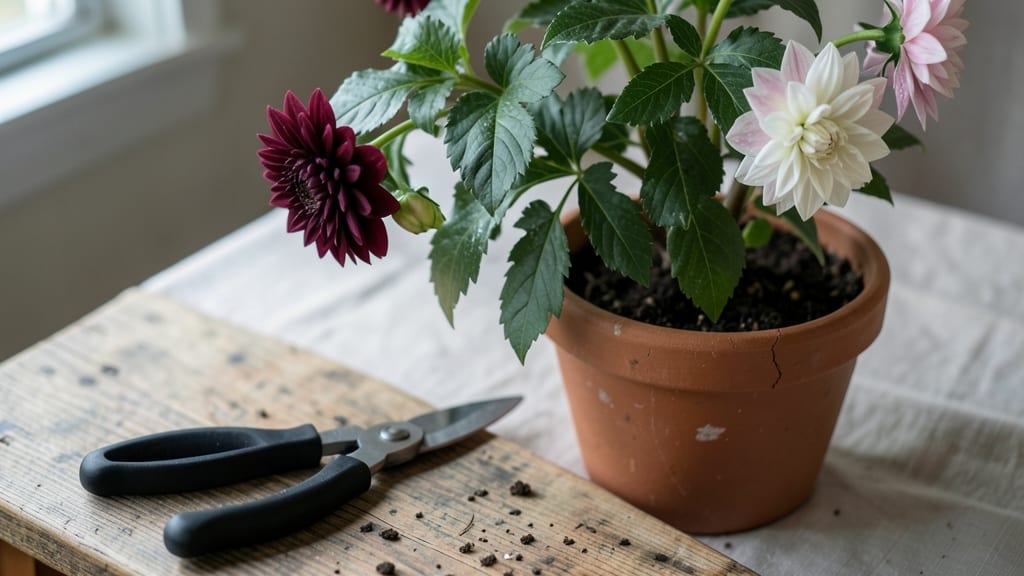
Drying dahlia flowers captures their bold colors and intricate forms for winter arrangements—something I discovered after my first garden season when I refused to let those stunning blooms fade with the frost. ✨ The key is harvesting at the right moment: when petals are fully open but still firm, usually in the cool morning hours after dew has dried.
Skipping this step means flowers that flop or lose their vibrancy during drying, so timing matters more than you'd think.
You'll need just three basic supplies: fresh-cut dahlias, brown paper bags (for air-drying), and either silica gel (for speed) or a dry, dark space (for patience).
The air-drying method takes 2-3 weeks, while silica gel preserves flowers in 3-5 days—both work, but each has trade-offs for color retention and texture. I've tried both, and honestly, the slower method often yields better results for delicate varieties.
What you end up with are flowers that look almost fresh, their deep reds and velvety purples still rich against winter walls. You can tuck them into handmade wreaths, frame pressed petals, or even sprinkle them into potpourri for a burst of garden memories.
The best part? No more rushing to enjoy them before they wilt—these blooms last for years if stored properly.
Even beginners can master this—just watch for humidity traps and handle petals gently. I'll walk you through the exact steps that keep my dried dahlias looking showstopping, plus how to revive any that lose their shape along the way. Let's preserve that summer magic for the cold months ahead.
📚 In This Guide
- What you need
- Instructions
- Tips and common mistakes
- Wrapping up and next steps
What you need
- ● Fresh dahlias: Harvest fully bloomed but still firm flowers (avoid wilting or overripe ones). Aim for 10-20 stems depending on your drying method.
- ● Sharp pruning shears or scissors: Clean, sterilized tools to cut stems at a 45-degree angle (about 2-3 inches from the base).
- ● Water: A bucket or bowl of room-temperature water for immediate post-harvest hydration.
- ● Newspaper or paper towels: For blotting excess moisture from stems before drying.
- ● Drying method-specific supplies: Air-drying: Brown paper bags (1 per flower), string or rubber bands, and a cool, dark, well-ventilated space (e.g., closet or pantry).
- ● Silica gel drying: 2-3 pounds of food-grade silica gel (like blank">this), a sealed container (e.g., plastic bin with lid), and a fine-mesh strainer or sifter for cleanup.
- ● Microwave drying: A microwave-safe plate, parchment paper, and a microwave (use short bursts, 30-60 sec, on low power).
- ● Storage containers: Airtight jars, boxes, or envelopes (e.g., mason jars with lids or cardboard boxes lined with tissue paper).
- ○ Optional but helpful: A spray bottle with distilled water (for reviving dried flowers later).
- ● Dahlia-specific preservative: A commercial flower preservative (like blank">Floralife) to extend freshness before drying.
- ● Labeling tags: Small cards or sticky notes to mark varieties/dates.
- ● Time: Drying takes 1-4 weeks, depending on the method (silica gel = fastest; air-drying = slowest).
- ● Patience: Avoid rushing—overhandling can damage delicate petals!
- ● Weather check: Harvest dahlias on a dry, sunny morning (after dew has evaporated) for best results.
Step-by-step guide to drying dahlia flowers
Here's how to save your garden's best blooms for winter decor.
🌿 Step 1: Select and Harvest at Peak Freshness
Choose dahlias with fully opened petals but no signs of wilting or browning. The best time to harvest is in the early morning when moisture levels are lowest. Use clean, sharp scissors or pruners to cut stems at a 45-degree angle about 2 inches below the bloom. This prevents water from pooling in the stem and encourages better drying.
Remove any leaves along the stem that will touch the drying surface. These can harbor mold and ruin your dried flowers. I like to strip them off gently by hand—just don't tug too hard or you might damage the stem. Once harvested, arrange the flowers immediately in a single layer on a clean, dry surface.
💧 Step 2: Prepare for Air Drying
Air drying is the simplest method for dahlias. Start by gently shaking off any excess moisture from the stems—this speeds up the drying process significantly. Here's the thing—dahlias dry best when their stems are intact, so avoid cutting them further. You'll want to place them in a spot with good air circulation and low humidity (below 50% if possible).
I use a window screen or coffee filter paper as a drying surface because they allow air to flow freely underneath. Arrange the flowers with stems pointing downward—this helps the moisture drain away from the bloom. Keep them out of direct sunlight, which can cause fading or cracking. A well-ventilated room or covered porch works perfectly.
☀️ Step 3: Monitor and Complete the Drying Process
Drying time varies, but dahlias typically take 2-4 weeks to fully dry. You'll know they're ready when the petals are completely dry to the touch and the stems snap easily when bent. Check them weekly to ensure no mold is developing—if you see any fuzzy spots, remove those blooms immediately and move the remaining flowers to a drier location.
Once fully dry, gently separate the petals from the stems if desired. Store them in airtight containers with silica gel packets to absorb any remaining moisture. I like to keep them in small muslin bags or envelopes—they're easy to pull out for winter arrangements without damaging the delicate petals. Label each container with the variety and drying date so you can track their freshness.
✂️ Step 4: Preserve for Long-Term Use
For extra-long preservation, you can press dahlias between heavy books for 2-3 weeks until completely flat. This method works best for smaller blooms and creates stunning paper-like flowers. For larger dahlias, air drying is your best bet—they retain more of their natural shape and texture. Either way, avoid using heat sources like hair dryers or ovens, which can scorch the petals.
When arranging your dried dahlias, handle them gently to prevent breakage. The petals will be brittle but still beautiful. Store containers in a cool, dark place to maintain their color and prevent fading. With proper care, your dried dahlias can last years—perfect for creating elegant winter bouquets or adding rustic charm to holiday decor.
Tips & tricks for perfectly preserved dahlias
Here's what I learned the hard way after ruining three batches of dahlias—these tricks make all the difference.
Harvest Timing: The early morning harvest window is non-negotiable for vibrant results. Dew-heavy petals can develop mold during drying, so gently blot any surface moisture with a paper towel after cutting. I've found that harvesting when the blooms are just fully open (not yet wilting) gives the best balance of color retention and structural integrity.
Drying Surface Selection: Don't underestimate the importance of your drying surface! While window screens and coffee filters work, I've had the best luck with breathable craft paper or even brown paper bags with holes punched in them. These materials allow perfect airflow while preventing petal adhesion. Place your flowers with stems pointing down—this gravity-assisted drainage is what prevents mold growth.
Humidity Control: The 50% humidity threshold mentioned is critical, but here's what nobody tells you—bathrooms with exhaust fans can actually work better than dry attics. The gentle airflow from the fan creates a mini convection system that speeds up drying without risking petal damage. Just avoid spaces with central air or dehumidifiers running constantly, as they can create too-dry conditions that make petals brittle.
Storage Secret: Once your dahlias are fully dry, don't just toss them in any container. I wrap each batch in acid-free tissue paper before storing in airtight containers with silica gel. The tissue paper prevents petal-to-petal abrasion during storage, while the silica gel maintains moisture balance. Labeling containers with the drying date helps you track which varieties are freshest—some dahlias maintain their color for years, while others fade within 12 months.
Pro Tips for Dry Dahlia Flowers
- Here's what I learned the hard way after ruining three batches of dahlias—these tricks make all the difference.
- Harvest Timing: The early morning harvest window is non-negotiable for vibrant results.
- Drying Surface Selection: Don't underestimate the importance of your drying surface!
Frequently asked questions
Got questions about drying dahlias?
Here are some of the most common ones—and their answers—to help you preserve those stunning blooms like a pro!
How long does it take to dry dahlia flowers?
Drying time depends on the method! Air-drying takes 2–4 weeks (patience is key!), while silica gel or microwave methods can speed it up to 24–48 hours. Check regularly—flowers are ready when petals crumble slightly but still hold their shape.
Can I dry dahlias in a dehydrator?
Yes! Set your dehydrator to 95°F (35°C) and dry the flowers for 2–4 hours, depending on thickness. Place them petal-side up on the trays to avoid curling. Monitor closely—they’re done when edges feel dry but not brittle.
Why are my dried dahlias turning brown or mushy?
Brown spots or mushiness usually mean moisture or mold. If using air-drying, ensure the area is well-ventilated and dry (humidity is the enemy!). For silica gel, shake excess granules off before storage. If mold appears, toss the batch—safety first!
What’s the best way to store dried dahlias?
Keep them in a cool, dark, dry place (like a sealed jar or envelope) to prevent fading. Add a silica gel packet if humidity is a concern. Avoid plastic bags—they trap moisture and speed up decay. Label with the date to track freshness (they last 1–2 years!).
Can I dry dahlias with their stems attached?
Not ideal! Trim stems to 1–2 inches before drying to reduce bulk and speed up the process. Leaving long stems can cause uneven drying or mold. Plus, shorter stems make arranging dried blooms way easier later!
Wrapping up and next steps
Drying dahlia flowers is a simple yet rewarding way to extend their beauty and keep your space vibrant all year long! 🌸 With the right techniques—whether air-drying, using silica gel, or trying a microwave method—you can preserve their color and shape with ease.
Now that you’re equipped with these tips, why not pick a few blooms from your garden and start your own dried flower collection today?
For extra inspiration, check out creative ways to display your dried dahlias—think wreaths, potpourri, or framed arrangements. Happy crafting! ✨