Planting
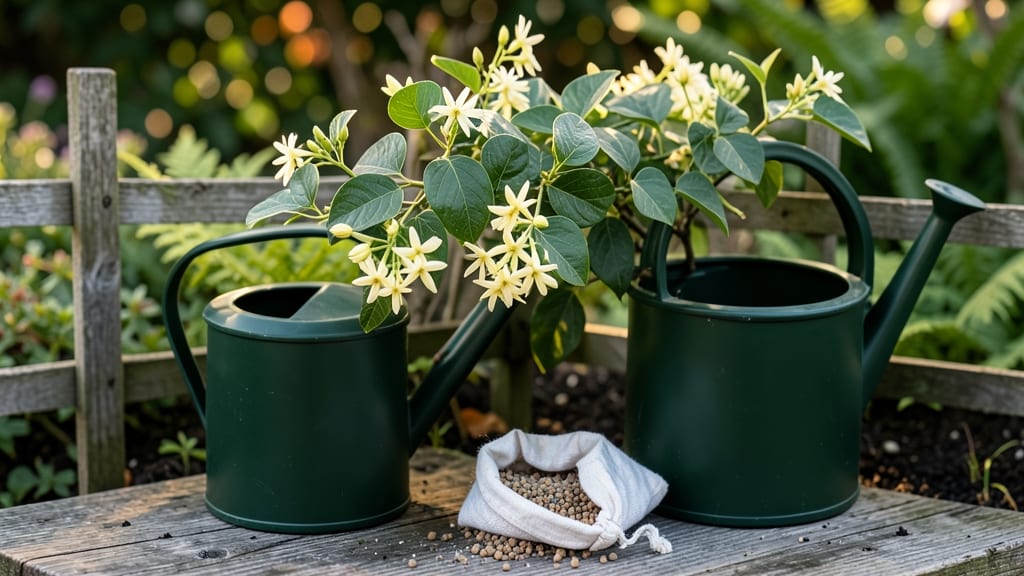
Here’s how to increase flowering in your jasmine plant—because that leafy green wall finally deserves to smell like a tropical vacation. 🌿 The secret isn’t some rare fertilizer or black magic; it’s sunlight, strategic pruning, and understanding what your plant actually needs to thrive. bloom.
I went from one lonely flower in June to clusters of fragrant blooms by August using these simple adjustments.
The first rule? Sunlight is non-negotiable—jasmines crave 6+ hours of direct light daily, but afternoon shade helps in hot climates. Next, prune in early spring to shape the plant and encourage new growth, then again right after flowering to keep it compact.
Overwatering kills blooms faster than anything—let the top inch of soil dry out between drinks, and use well-draining soil.
You’ll see the difference within 4-6 weeks of adjusting care: darker green leaves, more vigorous growth, and—most exciting—those signature jasmine blossoms appearing earlier and lasting longer.
The fragrance alone makes it worth the effort, but the bonus is how much easier the plant becomes to maintain once you crack the code.
Works for both climbing and bush varieties, whether you’re in a warm zone or a cooler climate with a sunny spot. Let’s get those blooms going strong!
📚 In This Guide
- What you need
- Instructions
- Tips and common mistakes
- Wrapping up and next steps
What you need
- ● Jasmine plant (preferably Jasminum officinale, J. sambac, or J. polyanthum—choose a healthy, mature specimen).
- ● Well-draining potting mix (10–15 lbs, or enough to fill your pot). Look for a blend labeled for acid-loving plants or flowering vines.
- ● Pruning shears (sharp, sterilized, and bypass-style to avoid crushing stems).
- ● Gloves (gardening gloves to protect your hands from thorns or sap).
- ● Watering can or hose with a fine-mist nozzle (to avoid disturbing soil).
- ○ Balanced liquid fertilizer (e.g., 10-10-10 or 20-20-20, 5–10 oz per gallon of water). Optional but recommended: A phosphorus-rich fertilizer (like 5-10-5) for blooming.
- ● Support structure (trellis, stakes, or cage—6–8 feet tall for climbing varieties).
- ● pH testing kit (to check soil acidity—jasmine thrives in 6.0–7.0 pH).
- ● Slow-release fertilizer granules (mix into soil at planting time for steady nutrition).
- ● Mulch (organic, like pine bark or cocoa hulls, to retain moisture and acidity).
- ● Grow lights (LED full-spectrum, 12–16 hours/day, if indoors and sunlight is limited).
- ● Hormone rooting gel (for propagating cuttings if you want to expand your jasmine family!).
- ● Spray bottle (for misting leaves if humidity is low).
Step-by-step guide to boosting jasmine blooms through light and pruning
Here’s how I coaxed my jasmine into a nonstop flowering machine—no fancy tricks, just smart light management and strategic cuts.
☀️ Step 1: Position for Maximum Sunlight Exposure
Jasmine thrives in bright, indirect light—think 6-8 hours of morning sun followed by afternoon shade. I place mine near an east-facing window where it gets gentle sunlight all day without scorching. If you’re using grow lights, position them 12-18 inches above the plant and run them for 14-16 hours daily to mimic long summer days.
Watch for these signs: Leaves turning pale yellow or stretching toward light mean it’s not getting enough. Dark, crispy edges? It’s getting too much direct sun. Adjust gradually—jasmine hates sudden light changes, which can cause bud drop.
✂️ Step 2: Prune for Airflow and Flower Stimulation
Pruning isn’t just about shaping—it’s about encouraging blooms. After the first flush of flowers fades, cut back one-third of the longest stems to just above a leaf node. This redirects energy from leaf growth to flower production. I always use clean, sharp pruners to avoid damaging stems, which jasmine is sensitive to.
Here’s the trick: Prune right after flowering (not during) to avoid removing next year’s buds. If your plant looks leggy, trim back even more—jasmine responds well to aggressive pruning as long as you do it at the right time. Never prune in fall; you’ll cut off winter buds.
💧 Step 3: Adjust Watering for Peak Blooming Conditions
Overwatering is the silent killer of jasmine flowers. Let the top 2 inches of soil dry out between waterings—jasmine roots need oxygen to support heavy blooms. I water deeply once a week in summer and reduce to every 10-14 days in winter. Use room-temperature water to avoid shocking the roots.
Yellowing leaves? You’re probably overwatering. Brown, crispy edges? Too dry. The goal is consistent moisture without soggy soil. A moisture meter helps, but I just stick my finger in—if it’s damp past the first knuckle, wait another day.
🌿 Step 4: Fertilize Strategically for Flower Power
Jasmine needs phosphorus-rich fertilizer (like a 5-10-5 blend) to produce flowers, not just leaves. I switch to a balanced bloom booster in spring and feed every 4-6 weeks until early summer. Stop fertilizing after mid-summer—jasmine sets next year’s buds in fall, and fresh growth now will delay blooming.
Watch for these cues: Dark green, glossy leaves mean it’s happy. Pale or yellowing foliage? You’re overdoing it. Always water before fertilizing to prevent root burn. A light application is better than a heavy one—jasmine responds better to gradual feeding.
Tips & tricks for perfect jasmine blooms
Here's what nobody tells you about keeping your jasmine in peak flowering condition—these are the details that separate a few blooms from a full, fragrant display.
Light Transition Strategy: If you're moving your jasmine from indoors to outdoors, do it gradually over 7-10 days. Place it in a shaded spot for the first few days, then slowly increase sunlight exposure. This mimics natural seasonal changes and prevents the shock that causes bud drop. I've seen jasmine plants go from sparse blooms to overflowing with flowers just by mastering this slow transition.
Pruning Timing Secret: The instructions mention pruning right after flowering, but here's the extra detail: look for the first signs of new growth after the flowers fade—those are your cues. Cut back to just above a leaf node where you see fresh green growth emerging. This ensures you're not removing potential next-year buds while still encouraging new blooms. I learned this the hard way after pruning too early and getting almost no flowers the following season.
Watering Technique: When checking soil moisture, don't just stick your finger in—gently squeeze a handful of soil. If it crumbles easily, it's dry enough. If it sticks together, hold off another day. This tactile check gives you more reliable feedback than just feeling dampness. I also use a spray bottle to mist the leaves occasionally, which mimics morning dew and helps keep the plant hydrated without overwatering.
Fertilizer Application: The instructions mention a 5-10-5 blend, but here's the pro move: mix your fertilizer with water first, then apply. This creates a gentle, even distribution that prevents root burn. I also recommend using a slow-release granular fertilizer in spring—it feeds the plant steadily over months without the risk of over-fertilizing. The key is consistency: better to under-feed slightly than give too much too soon.
Pro Tips for Increase Flowering In Jasmine Plant
- Here's what nobody tells you about keeping your jasmine in peak flowering condition—these are the details that separate a few blooms from a full, fragrant display.
- Light Transition Strategy: If you're moving your jasmine from indoors to outdoors, do it gradually over 7-10 days.
- Pruning Timing Secret: The instructions mention pruning right after flowering, but here's the extra detail: look for the first signs of new growth after the flowers fade—those are your cues.
Frequently asked questions
Got questions about boosting your jasmine’s blooms? You’re not alone! Here are answers to the most common concerns—from timing tricks to troubleshooting woes.
Why isn’t my jasmine flowering even after pruning and sunlight?
Jasmine needs consistent care—think of it like a picky diva! Check for these culprits: over-fertilizing with nitrogen (it loves blooms, not leaves!), root-bound pots (repot if roots circle the container), or stress from sudden temp changes. If it’s still shy, try a light shock: Move it to a slightly cooler spot at night (like a garage) for 2 weeks to mimic its natural dormancy trigger.
How long does it take to see more flowers after adjusting care?
Patience, plant parent! With ideal conditions (sunlight, pruning, and balanced fertilizer), you’ll often see new buds in 4–8 weeks. However, established jasmines may take 2–3 months to fully respond—especially if they’ve been neglected. Track your progress with a flowering journal (yes, really!) to spot patterns.
Can I force jasmine to bloom out of season?
Jasmines are opportunistic bloomers—they’ll flower when conditions are perfect. To trick them into spring/summer blooms in fall/winter:
- Use a grow light (12–14 hours/day) to mimic long days.
- Drop nighttime temps 10°F cooler (e.g., 60°F instead of 70°F).
- Fertilize with low-nitrogen, high-phosphorus food (like 5-10-5).
Should I prune jasmine in winter or spring for best flowers?
Timing matters! Prune right after flowering (late spring/early summer) to encourage next year’s blooms. Winter pruning is risky—jasmine buds form in late summer/fall, and cutting too late can remove next year’s flowers. Exception: If your plant is overgrown, do a light trim in late winter (just to shape), but avoid heavy pruning.
What do I do if my jasmine has buds but they drop before opening?
Dropping buds usually mean stress—common causes include:
- Inconsistent watering (soak dry soil, then let it dry slightly between waterings).
- Humidity swings (jasmine loves 50–60% humidity; mist leaves or use a pebble tray).
- Pests (spider mites or aphids suck sap—spray with neem oil if you spot them).
- Overcrowded roots (repot if roots are circling).
Are there jasmine varieties that bloom more easily?
Yes! Some jasmines are low-maintenance bloomers:
- Jasminum officinale (Common Jasmine): Fragrant but needs patience.
- Jasminum polyanthum (Pink Jasmine): Easier indoors—blooms year-round with care.
- Jasminum sambac (Arabian Jasmine): Fast-growing and prolific if pruned well.
- Trachelospermum jasminoides (Star Jasmine): Drought-tolerant and blooms on old wood.
Wrapping up and next steps
Growing a jasmine plant with abundant, fragrant blooms is absolutely within your reach!
By mastering the balance of sunlight exposure, strategic pruning, and proper care, you’ll transform your plant into a flowering powerhouse. 🌸 Remember, patience and consistency are key—your efforts will be rewarded with clusters of intoxicating blossoms that’ll make your garden (or balcony!) the envy of the neighborhood.
Ready to take the next step? Start by observing your plant’s current habits—does it need more sun, a trim, or a nutrient boost? Then, pick one technique from this guide and implement it this week.
Before you know it, your jasmine will be bursting with life and filling the air with its signature sweet scent! Happy gardening! 🌿✨