
Lawn
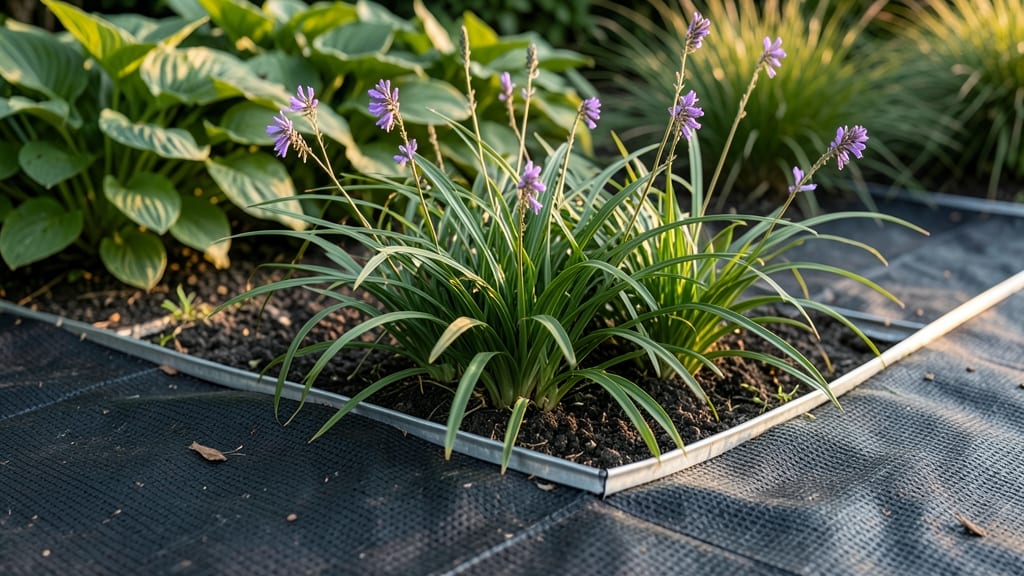
Keeping grass out of flower beds feels like fighting a losing battle—until you try the right barriers. I've spent years testing everything from landscape fabric to vinegar sprays, and these solutions actually work without poisoning your soil or your plants.
The key is combining physical barriers with consistent maintenance. A sturdy edging keeps grass roots out, while a thick layer of mulch or landscape fabric blocks sunlight where grass can't survive. Even my stubborn Bermuda grass patches stay suppressed when I do this right.
You'll end up with clean, weed-free beds that stay that way all season. The flowers thrive without competition, and you skip the endless pulling that turns gardening into a chore. Let's get those flower beds looking sharp.
Works for any yard type, from sunny borders to shady garden nooks. The same principles apply whether you're dealing with creeping Charlie or crabgrass—just adjust the barrier thickness for your grass type.
📚 In This Guide
- What you need
- Instructions
- Tips and common mistakes
- Wrapping up and next steps
What you need
- ● Edging Tool – A sturdy metal or plastic edging tool (18–24" length) to define borders cleanly.
- ● Landscape Fabric – Non-woven, breathable fabric (3–4 ft wide, enough to cover the flower bed area + 6" overlap).
- ● Mulch or Ground Cover – Straw, wood chips, or gravel (2–3" depth, enough to cover the entire bed).
- ● Shovel or Spade – For digging and adjusting soil levels.
- ● Measuring Tape & String (or Stakes) – To mark and measure your flower bed edges precisely.
- ● Gloves – Heavy-duty gardening gloves to protect your hands.
- ● Hose or Water Source – For wetting soil before edging and keeping plants hydrated.
- ○ Pre-Emergent Herbicide – Optional for stubborn grass (apply before planting if grass is already invading).
- ● Decorative Edging Stones/Brick – For a polished, long-lasting border (e.g., brick, pavers, or metal edging).
- ● Weed Barrier Mat – Thicker than landscape fabric (great for high-grass areas).
- ● Knee Pads – Because gardening on your knees is almost always necessary. 😉
- ● Post-Installation Maintenance Kit – Pruners, rake, and extra mulch for touch-ups.
Step-by-Step instructions for maintaining grass-free flower beds
Here's my foolproof method for creating clean, weed-free borders that actually last.
Select and Install Physical Barriers
Begin by choosing a barrier material that suits your budget and landscape style. I recommend landscape fabric (30-inch width) for most gardens because it blocks grass roots while allowing water and nutrients to penetrate. Lay the fabric along the edge of your flower bed, overlapping seams by at least 6 inches to prevent grass from sneaking through.
For a more permanent solution, consider corrugated metal or plastic edging buried 4-6 inches deep along the bed's perimeter. This creates a physical barrier that grass simply can't penetrate. Press the edges firmly into the soil to eliminate gaps where grass might grow through. If using fabric, secure it with U-shaped landscape staples every 12-18 inches to keep it in place during seasonal shifts.
Prepare the Soil and Apply Pre-Emergent Treatment
After installing your barrier, remove any existing grass or weeds within the flower bed area using a hand weeder or sharp spade. Work carefully to avoid disturbing nearby plants. Once the area is clear, apply a pre-emergent herbicide specifically formulated for flower beds. This creates a chemical barrier that prevents grass seeds from germinating for up to 3-4 months, giving your flowers a clean start.
Focus application along the bed's perimeter, extending 6-12 inches beyond your barrier. Water lightly after application to activate the treatment, but avoid heavy watering for 24 hours to prevent washout. This step is critical—skipping it means grass seeds in the soil will sprout as soon as your barrier is in place.
Establish Ground Cover or Mulch
Once your barrier is secure and pre-emergent has had time to work, add a 2-3 inch layer of mulch or living ground cover to suppress any remaining grass and protect your flowers. Organic mulches like shredded bark or pine straw work well, but avoid thick layers that can smother plants. Spread the mulch evenly, keeping it 2 inches away from plant stems to prevent rot.
For long-term suppression, consider planting low-growing perennials like creeping thyme, ajuga, or clover along the bed's edge. These plants create a dense mat that outcompetes grass naturally. Water thoroughly after mulching to help settle the material and encourage root growth in your flowers. Check mulch levels monthly—topping up as needed prevents grass seeds from finding purchase in exposed soil.
Monitor and Maintain Year-Round
Grass control isn't a one-time task—regular maintenance keeps your flower beds pristine. Inspect barriers monthly for gaps or tears, especially after heavy rains or seasonal ground shifts. Patch any holes immediately with additional fabric or edging material. In late summer, reapply pre-emergent if your original treatment has worn off, focusing on the 12-inch perimeter around the bed.
For established beds, a hand weeder is your best friend. Remove any grass shoots that appear along the barrier before they spread. If grass invades despite your barriers, spot-treat with a post-emergent herbicide (like glyphosate) applied carefully to avoid damaging flowers. The key is consistency—grass grows aggressively, so stay one step ahead by checking edges weekly during peak growing seasons.
Tips & tricks for maintaining grass-free flower beds
Between us, the real secret to keeping grass at bay isn't just about the initial setup—it's the details that make all the difference in the long run.
Barrier Installation Precision: When you're securing that 30-inch landscape fabric in Step 1, pay special attention to the seams. Overlapping by atstrong>6 inches isn't just a suggestion—it's what prevents grass from finding those tiny gaps where fabric meets fabric. I learned this the hard way after seeing grass sprout through 1-inch overlaps in my first attempt. For the U-shaped landscape staples, place them every 12-18 inches along the edges, but also add extra staples at any corners or sharp turns where fabric might pull away.
Pre-Emergent Application Strategy: The 24-hour no-water rule after applying pre-emergent is non-negotiable, but here's what nobody tells you—focus your application on the 12-inch perimeter beyond your barrier, not just the immediate edge. Grass seeds can travel surprisingly far, and this extra buffer gives you that critical extra protection. Pro tip: Use a spreader for even coverage, especially if you're working with irregularly shaped beds. Uneven application means uneven protection.
Mulch Layering Technique: That 2-3 inch layer of mulch in Step 3 isn't just about looks—it's a strategic move. When you spread it, create a slight mound (about 1/4 inch higher) along the barrier edge. This prevents water from pooling against your fabric during rains, which can weaken the barrier over time. And remember, the 2-inch clearance from plant stems isn't just to prevent rot—it also makes it easier to spot any grass shoots that might try to sneak through.
Long-Term Maintenance Secret: The monthly inspections in Step 4 are your best defense, but here's the real game-changer: keep a small roll of extra landscape fabric and a pack of staples in your garden shed. When you find those inevitable tears after heavy rains, you can patch them immediately rather than waiting for your next shopping trip. For the weekly checks during peak seasons, I set a reminder on my phone for every Thursday morning—it takes me about 10 minutes and saves hours of weeding later.
Pro Tips for Keep Grass Out Of Flower Beds
- Between us, the real secret to keeping grass at bay isn't just about the initial setup—it's the details that make all the difference in the long run.
- Barrier Installation Precision: When you're securing that 30-inch landscape fabric in Step 1, pay special attention to the seams.
- Grass seeds can travel surprisingly far, and this extra buffer gives you that critical extra protection.
Frequently asked questions
Got questions about keeping grass at bay in your flower beds? You’re not alone—here are some of the most common concerns and straightforward answers to help you tackle this challenge with confidence.
What’s the best time of year to install grass barriers?
For most barrier methods like landscape fabric or edging, spring or early fall is ideal. The soil is workable, weeds are less aggressive, and you avoid extreme heat or frost. If you’re using pre-emergent herbicides, apply them before grass seeds germinate in early spring.
Will mulch alone stop grass from invading my flower beds?
Mulch helps suppress grass, but it’s not foolproof. Organic mulch (like wood chips) breaks down over time, allowing grass to sneak through. For better results, combine mulch with a barrier fabric or edging. A 3–4 inch layer of mulch works best when paired with another method.
How often should I check or maintain grass barriers?
Check your barriers 2–3 times a year—especially after heavy rains, storms, or seasonal shifts. Look for gaps in fabric, cracks in edging, or grass sprouting through mulch. Pro tip: Trim back any grass that creeps near the edges of your flower beds to prevent it from spreading.
Are there chemical-free ways to keep grass out?
Try these non-toxic methods:
- Corn gluten meal (a natural pre-emergent)
- Boiling water (pour on grass sprouts to kill them)
- Vinegar spray (1 part vinegar to 1 part water—use carefully on weeds only)
- Heavy mulching (cardboard + mulch = smothering effect)
My grass keeps growing back even after I’ve installed a barrier. What am I doing wrong?
Grass is persistent—here’s how to troubleshoot:
Gaps in fabric? Grass seeds can slip through tiny holes. Use a thick, woven landscape fabric (at least 4–6 mil) and overlap edges by 6+ inches.
Edging too shallow? Bury plastic or metal edging 4–6 inches deep to block roots.
Mulch too thin? Aim for 3–4 inches of mulch to block sunlight and smother grass.
Grass from nearby lawn? Use a metal or vinyl edging to create a physical break.
If the problem persists, consider a combination of methods (e.g., fabric + edging + mulch).Wrapping up and next steps
Keeping grass out of your flower beds doesn’t have to be a never-ending battle—with the right barrier solutions, you can reclaim your garden’s beauty year-round! 🌸 Whether you choose landscape fabric, edging, or natural mulch, consistency is key.
Start small, experiment with what works best for your space, and soon you’ll enjoy a neat, vibrant flower bed that steals the show.
Ready to take the next step? Grab your tools, pick a method, and get started today! Your garden’s transformation is just a few cuts and layers away. 🌱