
Flowers
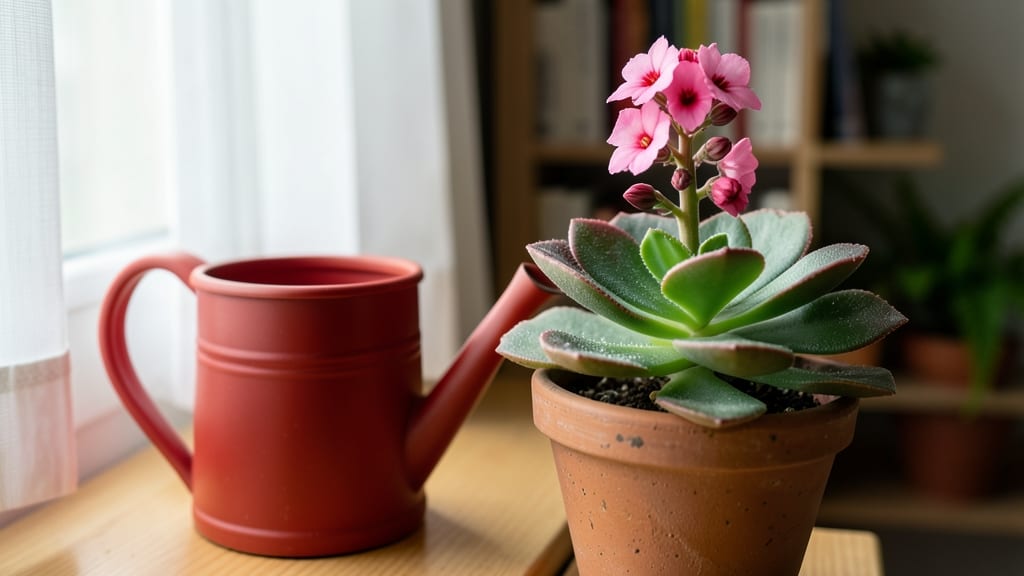
Making kalanchoe flower is all about tricking the plant into thinking winter has arrived—even when it’s summer in your home. 🌸 The secret lies in controlling light exposure, and once you master it, you’ll have vibrant blooms lasting for months.
My first attempt failed miserably when I ignored the light trick, but after a few seasons of trial and error, I finally cracked the code.
Kalanchoe thrives on 12-14 hours of darkness every night for 5-6 weeks before blooming. That means covering the plant with a box or moving it to a closet after sunset. You’ll also need bright, indirect light during the day—think east or south-facing windows.
Too little light, and the plant stretches leggy; too much direct sun, and it burns. The right balance is everything.
Once you’ve got the light routine down, cut back on watering and fertilizing to mimic dormancy. Your plant will respond with buds forming in 4-6 weeks, and those buds will burst into clusters of cheerful blooms that last 6-8 weeks with proper care.
The first time I saw my kalanchoe covered in pink and red flowers in December, I knew I’d never go back to the guesswork.
This method works for all kalanchoe varieties, from the classic Kalanchoe blossfeldiana to trailing types like Kalanchoe tubiflora. Just remember: patience is key. Skip the shortcuts, and you’ll be rewarded with a plant that flowers reliably, season after season—no greenhouse or fancy equipment required.
📚 In This Guide
- What you need
- Instructions
- Tips and common mistakes
- Wrapping up and next steps
What you need
- ● Kalanchoe plant: 1 mature plant (for repotting) or
- ● 1-3 healthy stem cuttings (4-6 inches long) or
- ● Kalanchoe seeds (if starting from scratch)
- ● Well-draining potting mix: 2-3 gallons (use a cactus/succulent blend or add perlite/pumice for aeration).
- ● Pot with drainage holes: 1 container (6-8 inches in diameter for mature plants; smaller for cuttings).
- ○ Rooting hormone (optional but helpful): 1 small bottle or powder packet.
- ● Spray bottle: 1 (for misting cuttings).
- ● Scissors or pruning shears: 1 pair (sterilized with rubbing alcohol).
- ○ Gravel or pebbles (optional): 1 small bag (for decorative drainage layer).
- ● Bright, indirect light: South or east-facing window (or grow lights for 12-14 hours/day).
- ● Water: Room-temperature, filtered if possible.
- ● Fertilizer (balanced or succulent-specific): 1 bottle (diluted to half-strength).
- ● Patience! Kalanchoe blooms need 10-12 hours of darkness daily for 6+ weeks to trigger flowers. 🌙
- ● 🌡️ Temperature: Keep between 65–75°F (18–24°C) for optimal growth.
- ● ✨ Soil test: Ensure pH is 6.0–7.0 (use a kit if unsure).
- ● 🎯 Pruning shears: Clean with 70% isopropyl alcohol between cuts to prevent disease.
Step-by-Step instructions for encouraging Kalanchoe blooms
Here's how to coax vibrant flowers from your Kalanchoe—it's all about light, timing, and a little strategic stress.
🌱 Step 1: Provide Consistent Bright Light
Kalanchoe thrives in full sun to partial sun—place it within 3-6 inches of a south-facing window or under 12-14 hours of artificial grow light daily. Without enough light, the plant will grow leggy and refuse to bloom. I use a full-spectrum LED grow light on a timer to ensure consistent exposure, especially in winter when daylight shortens.
Watch for stretched stems and sparse leaves—this is your cue the light is insufficient. Rotate the pot quarter-turn weekly so the plant grows evenly toward the light source. If leaves start curling or developing brown tips, it's getting too much direct afternoon sun—move it back 6 inches from the window.
⏰ Step 2: Trigger Flowering with Controlled Darkness
This is the secret to blooming: 14 hours of light followed by 10 hours of complete darkness for 6-8 weeks. Start by moving your Kalanchoe to a dark closet, covered cabinet, or blacked-out room (no peeking light!) 6 PM and return it to light by 8 AM. Use a timer if you're forgetful—consistency is key.
Real talk: No cheating here. Even a nightlight or streetlamp will prevent flowering. If your plant doesn't bloom after 8 weeks, extend the dark period to 12 hours for another 2 weeks. You'll know it's working when you see buds forming at the stem tips—they start tiny and fuzzy, like little green bumps.
💧 Step 3: Adjust Watering for Stress-Free Blooming
Water only when the top 1-2 inches of soil feel completely dry—overwatering is the #1 reason Kalanchoe skips flowering. I use the finger test: stick your index finger into the soil. If it's damp past your first knuckle, wait another day. Underwatering is better than soggy roots, but don't let the plant wilt either.
During the 6-8 week dark treatment, reduce watering by 30%—this mild stress mimics natural drought conditions and encourages bud formation. You'll see leaves pucker slightly when moisture is low, but they should spring back when watered. If leaves turn yellow or mushy, you've overdone it. Drain excess water from saucers immediately—Kalanchoe roots rot in standing water.
☀️ Step 4: Maintain Ideal Temperature and Humidity
Keep your Kalanchoe in a temperature range of 60-75°F—it won't bloom if it's too hot or cold. Drafty windows or air conditioning vents will cause buds to drop. I place mine on a heat mat set to 65°F in winter to stabilize temperatures, especially if my home runs cooler at night.
Humidity isn't critical, but 30-50% is ideal. If your home is dry (like most indoor spaces in winter), mist the plant once weekly or place the pot on a pebble tray with water to add moisture without soggy soil. Watch for brown leaf edges—this signals low humidity. A quick wipe with a damp cloth removes dust and helps leaves absorb light better.
✂️ Step 5: Deadhead and Prune for Continuous Blooms
Once flowers fade, snip spent blooms at the base with clean scissors to encourage new flowers. I deadhead every 2-3 days during peak bloom to keep the plant looking fresh. Don't cut into leaf stems—always target the stem just below the flower head. This redirects the plant's energy toward new buds instead of seed production.
After flowering, prune leggy stems back by one-third to encourage bushier growth. You'll see new side shoots emerge within 2-3 weeks—this is your plant rebounding. Pinch off any flowers that appear during this recovery phase; you want the plant to focus on foliage first. Once new growth is 3-4 inches tall, resume the dark treatment to trigger another bloom cycle.
Tips & tricks for perfect Kalanchoe blooms
Common pitfalls—and how to sidestep every one when coaxing vibrant blooms from your Kalanchoe.
Light Source Strategy: For the 12-14 hours of artificial light mentioned in Step 1, position your grow light 12 inches above the plant to avoid leaf burn. I've found that full-spectrum LEDs work best because they mimic natural sunlight across the spectrum—blue for growth, red for flowering. If using natural light, rotate your plant quarter-turn weekly to prevent lopsided growth toward the window. The goal is even exposure on all sides, not just the sunny side.
Dark Treatment Precision: The 10-hour darkness period starting at 6 PM is non-negotiable for flowering. Here's my foolproof method: cover the plant with a light-blocking box (like a cardboard box with holes cut for ventilation) or move it to a closet with a door that seals completely. Even a small crack lets in enough light to prevent bud formation. I test my setup by shining a flashlight at the plant during darkness—if you can see any light, it's not dark enough.
Watering Technique: The finger test in Step 3 is brilliant, but here's what nobody tells you: press your finger into the soil 1 inch deep, not just at the surface. The top layer dries fastest, but moisture deeper down tells you the real story. During the 6-8 week dark treatment, I reduce watering to once every 10-12 days—this controlled drought stress is what triggers bud formation. Watch for leaves that pucker slightly when dry; they should spring back when watered, not stay limp.
Temperature Consistency: Maintaining the 60-75°F range is easier said than done, especially with drafty windows. I place my Kalanchoe on a heat mat set to 65°F during winter nights when my home dips below 60°F. For daytime heat, avoid placing it near vents or radiators—consistent temperatures prevent bud drop. If you notice buds forming but then falling, this is your plant's way of saying "too hot" or "too cold." Adjust placement immediately to stabilize the environment.
Pro Tips for Make Kalanchoe Flower
- Common pitfalls—and how to sidestep every one when coaxing vibrant blooms from your Kalanchoe.
- Light Source Strategy: For the 12-14 hours of artificial light mentioned in Step 1, position your grow light 12 inches above the plant to avoid leaf burn.
- Dark Treatment Precision: The 10-hour darkness period starting at 6 PM is non-negotiable for flowering.
Frequently asked questions
Got questions about coaxing those stunning Kalanchoe blooms? You’re not alone! Here are the most common queries—plus quick, actionable answers to keep your plant thriving.
Why isn’t my Kalanchoe flowering?
Kalanchoes need 12–14 hours of darkness daily (like a "night trick") for 6–8 weeks to trigger blooms. Check for interrupted light (e.g., streetlights, TV glow) or overwatering. If it’s been months, it might just need patience—some varieties bloom sporadically!
How long does it take for Kalanchoe to flower after buying?
Store-bought plants may bloom in 4–8 weeks if they’ve already started. For new growth, expect 8–12 weeks of darkness + proper care. Pro tip: Buy a plant in bud stage (not fully open) for faster results!
Can I make Kalanchoe flower indoors without sunlight?
Yes! Use a grow light (LED or fluorescent) for 10–12 hours/day, then 12+ hours of darkness (cover with a box or move to a closet). Place it near a sunny window for best results, but supplement with artificial light if needed.
What do I do if my Kalanchoe’s flowers fall off?
Dropping blooms usually mean stress—check for overwatering (let soil dry completely), underwatering (wilted leaves), or temperature shocks (keep it 65–75°F). Deadhead spent blooms to encourage new ones, but avoid cutting stems too short!
Can I propagate Kalanchoe while it’s flowering?
Yes! Propagate from leaf or stem cuttings anytime, but wait until after blooming if your goal is a flower-filled plant. Cuttings root faster in warm, humid conditions—use water or well-draining soil. Just avoid disturbing the parent plant during its bloom cycle!
Wrapping up and next steps
Growing Kalanchoe flowers is a rewarding experience that brings vibrant color and life to your space—without needing a green thumb! 🌸 With the right care, you’ll enjoy stunning blooms year-round, turning your home into a cheerful sanctuary.
Now that you’re equipped with the know-how, why not start with just one plant and watch your confidence (and blooms!) grow?
Ready to expand your indoor garden? Try propagating your Kalanchoe or experiment with different varieties to keep the fun going! 🌱