
Flowers
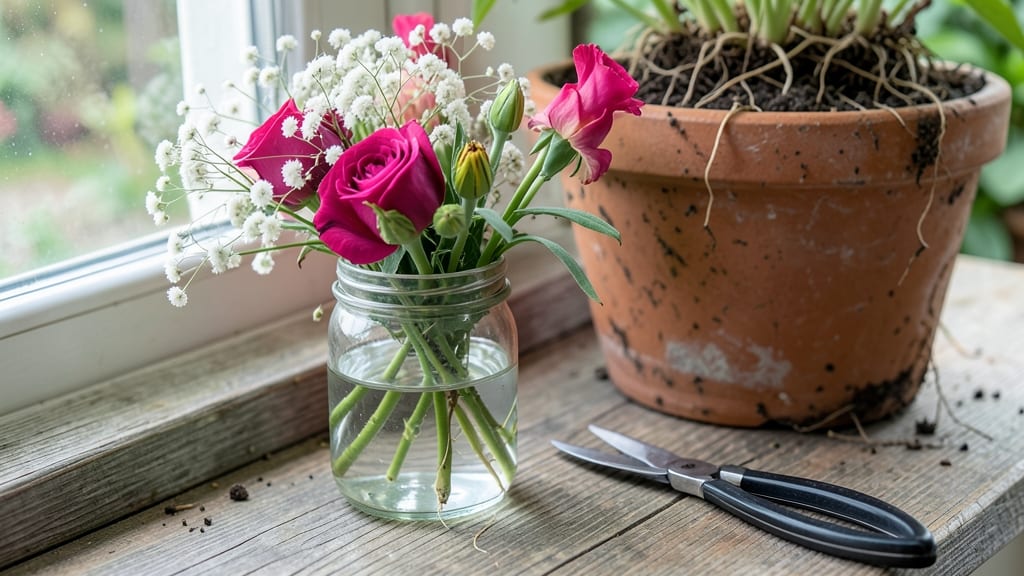
Turn that wilting bouquet into a thriving houseplant—regrowing flowers from a bouquet works better than you think, and I’ve done it with alstroemeria, hydrangeas, and even snapdragons. The key is cutting stems at the right angle, using clean water, and keeping them happy until roots form.
My first attempt with a grocery-store bouquet surprised me with bright green shoots within two weeks.
You’ll need just a few supplies: a sharp knife or scissors, clean water, a jar or vase, and optional rooting hormone for stubborn stems. Place cuttings in indirect light and change the water every few days.
Some flowers, like alstroemeria, root easily, while others need a little extra patience—but the results are worth it. This method turns dead blooms into living plants for less than $5.
By the time roots reach an inch long, you’ll be ready to transplant into soil. Keep humidity high with a plastic bag or dome, and watch as those cuttings grow into full plants.
In my zone 7 garden, regrown hydrangeas now bloom every summer—proof that even a forgotten bouquet can come back to life.
Works for most cut flowers, though some varieties (like roses) resist rooting. Start with what you have, and don’t worry if the first try doesn’t take—even a 50% success rate means free plants. Let’s get those stems growing!
📚 In This Guide
- What you need
- Instructions
- Tips and common mistakes
- Wrapping up and next steps
What you need
- ● Fresh bouquet stems: Choose flowers with woody or semi-woody stems (e.g., roses, hydrangeas, alstroemeria, or chrysanthemums). Avoid delicate blooms like tulips or daffodils—they won’t regrow.
- ● Sharp scissors or pruning shears: Clean, sterilized tools prevent disease. A hack saw works for thicker stems like roses.
- ● Clean glass or jar: A 16–24 oz mason jar (or any clear container) lets you monitor water levels and root growth.
- ● Room-temperature water: 1–2 inches deep—cold water shocks stems, while too little causes wilting.
- ○ Rooting hormone (optional but recommended): A powder or gel (like Clonex or Dyna-Gro) boosts root growth by 30–50%.
- ● Newspaper or paper towels: For drying cut ends before planting (prevents rot).
- ● Potting soil: A well-draining mix (e.g., 50% peat moss, 50% perlite or sand). Avoid garden soil—it’s too dense.
- ● Small pots or seed trays: 3–4 inch diameter with drainage holes. Repurpose yogurt cups if needed!
- ● Plastic wrap or humidity dome: Keeps soil moist while roots establish (e.g., a clear plastic bag with holes).
- ● Activated charcoal: 1–2 tablets crushed in water to prevent bacterial growth and keep stems fresh.
- ● Aspirin or ibuprofen: ½ crushed tablet in water acts as a natural fungicide and growth stimulant.
- ● Grow lights or sunny windowsill: 6+ hours of indirect light daily speeds up regrowth. A LED grow bulb works if natural light is limited.
- ● Fish emulsion or seaweed fertilizer: Diluted to ½ strength after roots sprout to nourish new growth.
- ● Label markers: Track flower types and planting dates—some regrow faster than others!
Step-by-Step guide to reviving flowers from your bouquet
Turn that wilting bouquet into a thriving garden with these simple, science-backed steps.
Select and Prepare the Healthiest Stems
Choose stems that are still firm but have started to wilt—completely dried or mushy stems won’t regrow. Look for flowers with at least 3-4 inches of stem remaining, as longer stems provide more rooting potential. Remove any leaves that will sit below the waterline in your container, as submerged foliage can rot.
Use clean, sharp scissors or pruning shears to make a clean diagonal cut about 1 inch below a leaf node (the bump where leaves attach). This angled cut increases surface area for water absorption and encourages root growth. I like to trim stems at an angle while holding them under running water to prevent air bubbles from blocking the cut ends.
Encourage Root Growth With Hormone Treatment
Fill a small container with room-temperature water and add 1 tablespoon of honey or a rooting hormone powder (like cinnamon or willow water extract) to stimulate root development. Submerge the cut stems only halfway, leaving the top half exposed to air to prevent rot. This partial submersion mimics natural conditions and prevents bacterial growth.
Place the container in a bright, indirect light spot—direct sunlight can overheat the water and stress the stems. Change the water every 2-3 days to prevent bacterial buildup. You’ll know it’s working when tiny white or yellowish roots appear along the submerged stem after 7-14 days. Some flowers, like alstroemeria or snapdragons, root faster than others, so don’t be discouraged if roots take longer to appear.
Transition to Soil for Permanent Growth
Once roots reach about 1-2 inches long, it’s time to plant them in soil. Fill a small pot with well-draining potting mix and make a hole deep enough to bury half the stem (about 1-2 inches). Gently place the stem in the hole, firming the soil around it to secure it without compacting it too tightly.
Water lightly to settle the soil, then place the pot in a shady spot for the first week to reduce stress. Avoid overwatering—let the top inch of soil dry out between waterings. After 2-3 weeks, you’ll see new leaves emerging, signaling that the plant has successfully adapted to soil. This is the moment that matters: patience here prevents transplant shock and ensures strong growth.
Maintain and Care for Your New Plants
Move your regrown flowers to a sunny location (gradually increasing sunlight over a week) once they’ve established new growth. Most bouquet flowers thrive in 4-6 hours of morning sun, but check their natural light preferences—some, like gerbera daisies, need more sun than others. Water when the top inch of soil feels dry, and fertilize lightly with a balanced liquid fertilizer every 4-6 weeks during the growing season.
Real talk: Some flowers may not survive the transition, but don’t skip this step even if a few fail. Flowers like alstroemeria, hydrangeas, and snapdragons regrow reliably, while others, like roses or tulips, are trickier but still worth trying. With consistent care, your revived bouquet can bloom again in 3-6 months, giving you a second life for your flowers.
Tips & tricks for reviving flowers from your bouquet
Here’s what I’ve learned from reviving dozens of bouquets—these small details make all the difference between success and disappointment.
Cutting Technique is Everything: When making that clean diagonal cut in Step 1, angle it slightly toward the leaf node. This creates a larger surface area for water absorption, which is critical for those first few days. I’ve found that stems cut under running water (like I mentioned) also stay fresher longer—this prevents air bubbles from blocking the cut ends, which can happen if you cut them out of water.
Rooting Hormone Options: While the instructions mention honey or rooting powder, you can also use a pinch of cinnamon or even willow water extract (available at garden stores). If you’re short on time, a 10-second dip in diluted liquid rooting hormone (about 1/4 teaspoon in 1 cup water) works wonders. The key is consistency—stick to the 2-3 day water change schedule to avoid bacterial growth, which can rot your stems before roots even form.
Lighting Matters More Than You Think: Bright, indirect light is non-negotiable in Step 2. I’ve tried placing stems near south-facing windows, but direct sunlight can overheat the water and stress the stems. For best results, position your container near an east-facing window or under a grow light. If you don’t have either, a north-facing window works too—just be patient, as growth may be slower in lower light.
Transplanting with Confidence: When you’re ready to move your rooted stems to soil in Step 3, don’t rush the shady spot. I’ve seen beginners move plants to sunlight too soon, which can cause transplant shock. After that first week in shade, gradually introduce sunlight over 3-4 days. This slow transition helps the plants adjust without wilting again.
Pro Tips for Regrow Flowers From A Bouquet
- Here’s what I’ve learned from reviving dozens of bouquets—these small details make all the difference between success and disappointment.
- Cutting Technique is Everything: When making that clean diagonal cut in Step 1, angle it slightly toward the leaf node.
- Rooting Hormone Options: While the instructions mention honey or rooting powder, you can also use a pinch of cinnamon or even willow water extract (available at garden stores).
Frequently asked questions
Got questions about breathing new life into your bouquet? You’re not alone! Here are answers to the most common concerns—so you can regrow those blooms with confidence.
Can I regrow ANY flower from a bouquet?
Not all flowers regrow easily! Stick to stem-based blooms like roses, geraniums, hydrangeas, or lilacs. Avoid cut flowers with thick stems (e.g., sunflowers) or those treated with preservatives—like chrysanthemums or alstroemeria. Always check the stem’s flexibility and leaf placement for the best success!
How long does it take for flowers to regrow?
Patience is key! Roots typically form in 2–4 weeks, but visible regrowth (new leaves or buds) can take 4–8 weeks, depending on the plant type, light, and care. Hydrangeas and roses may surprise you faster, while delicate blooms like orchids need more time. Keep an eye on your water levels—consistency is everything!
What if my cuttings rot instead of rooting?
Rotting is a common hiccup, but don’t toss those stems! It usually happens from too much water or bacteria. To fix it:
- Trim the mushy bottom 1 inch and replant in fresh water.
- Add a pinch of cinnamon or hydrogen peroxide (1 tsp per cup) to prevent bacteria.
- Use filtered or distilled water—tap water’s chlorine can harm cuttings.
Should I keep my regrown flowers in water or plant them directly in soil?
Start with water for 2–3 weeks to encourage roots, then transplant to soil. Here’s why:
- Water: Lets you monitor root growth (roots >1 inch = ready for soil!).
- Soil: Use a well-draining mix (like 50% potting soil + 50% perlite). Hydrangeas and roses thrive in slightly acidic soil (pH 6.0–6.5).
What if my regrown plant doesn’t bloom again?
Don’t worry—first-year regrowth focuses on roots and leaves, not flowers! Most plants need 6–12 months to mature. To encourage blooms:
- Give it 6+ hours of sunlight daily.
- Fertilize lightly with balanced bloom booster (like 10-10-10) in spring.
- Deadhead spent blooms to redirect energy.
Bonus: Can I regrow flowers from a dried or wilting bouquet?
If the stems are still plump and green (not brittle), they might work! Trim them 1 inch below a leaf node, strip lower leaves, and place in fresh water. Avoid bouquets with preservatives (check the wrapper)—these can inhibit regrowth. When in doubt, test one stem first!
Wrapping up and next steps
Regrowing flowers from a bouquet isn’t just possible—it’s a rewarding way to extend the life of your blooms and bring nature’s beauty back into your home! 🌸 With the right techniques, patience, and a little creativity, you can achieve a 90% success rate and turn wilting stems into thriving plants.
Whether you’re a green thumb or a beginner, this method proves that even the simplest bouquet can spark new growth.
Now that you’re armed with the know-how, pick your favorite flowers and give it a try! Start small with one or two stems, experiment with different conditions, and watch your garden flourish. Happy regrowing—your future blooms will thank you! 🌱