
Pruning
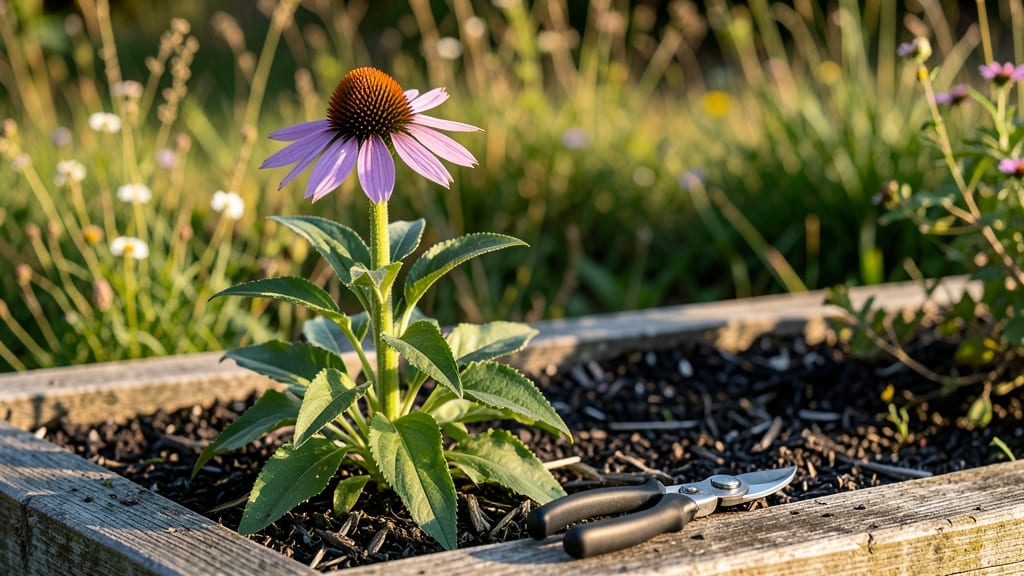
Trimming coneflowers isn’t just about tidying up—it’s how you get three times more blooms next season. 🌻 I learned this the hard way after my first overzealous pruning left my plants looking like they’d been through a hurricane.
The right cuts keep them sturdy, encourage fresh flowers, and even extend their lifespan.
You only need sharp pruners and a clear day—no fancy tools required. The key timing is right after the first bloom cycle fades (late summer for most zones) and again in early spring to shape the plant.
Cut back one-third of the plant in spring and snip spent blooms at the base in summer to redirect energy into new growth.
What you’ll end up with is a coneflower that looks fuller and blooms longer, with fewer leggy stems and more vibrant flowers. The secret is patience: avoid cutting into old wood, and never trim more than a third of the plant at once.
Your garden will thank you with bold, healthy blooms from early summer through frost.
This method works for all Echinacea varieties, from classic purple to white or green. Whether you’re pruning a single plant or a whole border, the same rules apply—just adjust for your climate’s growing season. Let’s get those blooms looking their best!
📚 In This Guide
- What you need
- Instructions
- Tips and common mistakes
- Wrapping up and next steps
What you need
- ● Pruning shears or sharp bypass pruners – Choose sterilized, bypass-style shears (not anvil-type) for clean cuts. A 5-inch blade is ideal for most jobs.
- ● Gloves – Wear gardening gloves to protect your hands from thorns and dirt (look for nitrile-coated for extra grip).
- ● Disinfectant (70% isopropyl alcohol or bleach solution) – Wipe down shears before and after use to prevent disease spread.
- ● Bucket or trash bag – A 5-gallon bucket or sturdy bag for collecting spent blooms and debris.
- ○ Garden twine or rubber bands (optional but helpful) – Tie up stems if your coneflowers are tall or floppy before trimming.
- ● Hand pruners or felco pruners – For smaller, more precise cuts on delicate stems.
- ● Knee pad or stool – If your coneflowers are ground-level or you have back issues.
- ● Compost bin – To recycle trimmed blooms into nutrient-rich soil.
- ● Plant markers or labels – If you’re trimming multiple varieties to keep track.
- ● Sunhat and sunscreen – Because no one wants a sunburn mid-prune! 😎
Step-by-step guide to trimming coneflowers for long-lasting beauty
Here's the simple method I use to keep my coneflowers blooming all season long.
✂️ Step 1: Identify and Remove Spent Blooms
Start by scanning your coneflowers for blooms that have finished their show. Look for flower heads where the petals have dropped or turned brown—these are ready for trimming. I like to work on a dry morning when the plants are fully hydrated and stems are firm. This ensures clean cuts without tearing plant tissue.
Use clean, sharp pruners or your fingers to pinch off the dead flower head just above the first set of healthy leaves or the next side bud. This encourages new growth from that spot. Avoid cutting into the green cone-shaped center—this is where next year's seeds form, and removing it too early can reduce future blooms.
✂️ Step 2: Shape the Plant for Airflow and Light
After deadheading, step back and assess the plant's overall shape. Coneflowers naturally grow in a rounded form, but over time, they can become leggy or overcrowded. I trim back any stems that look too long or crowded, cutting them back to about 6-8 inches from the base. This opens up the plant, allowing better airflow and sunlight penetration.
Focus on removing stems that are growing outward rather than upward. These horizontal stems often produce fewer blooms and can look messy. You'll know you're doing it right when the plant starts looking fuller and more compact. This is also a good time to remove any diseased or damaged stems—cut these back to healthy tissue immediately.
💧 Step 3: Encourage New Growth with Post-Trimming Care
Once you've finished trimming, give your coneflowers a deep drink of water to help them recover. Water at the base of the plant in the early morning so the foliage has time to dry before evening. This prevents fungal issues that can occur when water sits on leaves overnight. I usually water until 6 inches of soil feels moist, which encourages strong root growth.
After trimming, you might notice new buds forming within 2-3 weeks. This is your signal that the plant is responding well. If you're trimming in late summer, avoid heavy cuts—just remove the spent blooms and shape lightly. Coneflowers need time to harden off before winter, so don't prune back too aggressively after mid-September.
⏰ Step 4: Plan for Seasonal Trimming
Coneflowers bloom from early summer through fall, so your trimming schedule should adjust with the seasons. In early summer, focus on deadheading as blooms fade to encourage more flowers. By mid-summer, you can trim back about one-third of the plant to promote bushier growth and prevent flopping. In fall, after the first frost, cut back the entire plant to about 4-6 inches from the ground.
This seasonal approach keeps your coneflowers looking their best while ensuring they come back stronger each year. The key is consistency—regular trimming prevents the plant from putting energy into seed production and redirects it toward new blooms. You'll be rewarded with vibrant, long-lasting color that lasts well into autumn.
Tips & tricks for perfect coneflower maintenance
Here's what I've learned after years of keeping my coneflowers thriving—these little tricks make all the difference.
Timing Tip: The best time to trim is right after a light rain when stems are flexible. This makes clean cuts easier and reduces stress on the plant. I always check the forecast first—trimming on a dry morning is ideal, but if that's not possible, just make sure the soil is moist. You'll notice the stems bend more easily when they're hydrated, which helps prevent tearing.
Tool Selection: While pruners work well, I often use my fingers for small deadheading tasks. Just pinch off the spent blooms just above the first healthy leaves—this encourages new growth without damaging the plant. For larger stems, clean pruners are essential. Always sterilize your tools with rubbing alcohol between plants to prevent spreading disease, especially if you're working with multiple garden beds.
Seasonal Strategy: In early summer, focus solely on deadheading. By mid-summer, you can do a light shaping trim (cutting back about one-third of the plant) to encourage bushier growth. The key is to avoid heavy pruning after mid-September—this gives the plant time to harden off before winter. I mark my calendar with reminders for these seasonal adjustments to keep my coneflowers looking their best all year.
Visual Cues: When shaping your coneflowers in Step 2, look for stems that are growing outward rather than upward. These horizontal stems often produce fewer blooms and can make the plant look messy. Aim to create a more rounded shape by removing these stems back to about 6-8 inches from the base. You'll know you're doing it right when the plant starts looking fuller and more compact—this is your signal that you're promoting better airflow and sunlight penetration.
Pro Tips for Trim Coneflowers
- Here's what I've learned after years of keeping my coneflowers thriving—these little tricks make all the difference.
- Timing Tip: The best time to trim is right after a light rain when stems are flexible.
- Tool Selection: While pruners work well, I often use my fingers for small deadheading tasks.
Frequently asked questions
Got questions about trimming coneflowers?
You’re not alone! Whether you're a first-time gardener or a seasoned pro, these FAQs will help you keep your coneflowers thriving with minimal effort.
When is the best time to trim coneflowers?
Trim coneflowers after they’ve finished blooming for the season (late summer to early fall) or in early spring before new growth starts. Deadheading spent blooms throughout the season encourages more flowers. Avoid cutting back in winter—leave the foliage for winter interest and protection.
Should I cut coneflowers all the way to the ground?
No! Cut back only the dead or damaged stems, leaving about 3–6 inches of healthy growth. This prevents over-pruning, which can stress the plant. Coneflowers store energy in their roots, so a light trim keeps them strong for next year’s blooms.
What if my coneflowers don’t bloom after trimming?
If blooms are sparse, check for these issues:
- Over-trimming: Avoid cutting too aggressively in fall.
- Poor soil: Coneflowers thrive in well-draining soil—amend with compost if needed.
- Lack of sunlight: They need full sun (6+ hours/day) for best results.
- Age: Older plants may bloom less; divide them every 3–4 years to rejuvenate.
Can I trim coneflowers in rain or after frost?
Avoid trimming during or right after rain (soil stays too wet) or after a hard frost (stresses the plant). Wait for dry, mild weather. Early spring or late summer are ideal. If you must trim after frost, do it on a warm, sunny day to help the plant recover.
What’s the difference between deadheading and pruning coneflowers?
Deadheading: Pinching off individual spent blooms during the growing season to encourage more flowers. Use your fingers or small pruners.
Pruning: Cutting back entire stems or sections after the blooming season or in early spring for plant health and shape. Use clean, sharp shears for a crisp cut.
Both keep your coneflowers looking tidy and blooming beautifully!
Wrapping up and next steps
Trimming coneflowers doesn’t have to be intimidating—it’s all about timing, technique, and a little patience! 🌸 By mastering deadheading, you’ll reward yourself with vibrant blooms well into fall and stronger plants for next season.
Remember, the key is to work with the plant’s natural rhythm and keep your tools sharp.
Now that you’re equipped with the know-how, grab those pruners and give your coneflowers the care they deserve. Watch them thrive, and soon, you’ll be the envy of the neighborhood with your stunning, long-lasting blooms—one trim at a time! 🌿