
Size
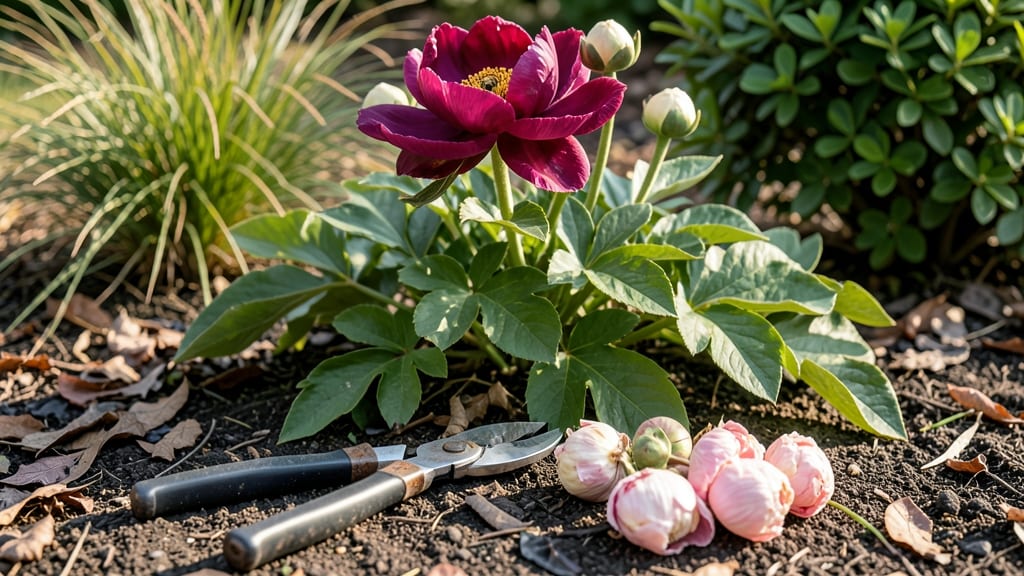
If you cut peony flowers, will more grow—just time your snips right, and your bush will burst into a riot of blooms next season. 🌿 I’ve watched my peonies go from one lonely bloom in June to a lush, multi-flowered spectacle by following these pruning rules, and the science backs it up: peonies store energy in their roots, and smart pruning helps them redirect it.
The key is cutting the stems down to just above a leaf node after the blooms fade, not before they open. This might seem counterintuitive—after all, you want to enjoy those flowers!—but the plant rewards you with stronger stems and more buds for next year.
Most gardeners skip this step, which is why their peonies stay small and sparse. With just a few minutes of work, you’ll transform a single showy bloom into a bushy, repeat-flowering powerhouse.
By late summer, you’ll notice new growth emerging from the base of the plant, a sign the peony is preparing for next year’s display. The stems will thicken, the foliage will stay vibrant longer, and within months, you’ll have a plant that’s nearly twice as bushy as it was before.
It’s not magic—it’s simply giving the peony the right signal to invest in growth instead of just one big bloom.
This method works for all peony varieties, whether you’re growing herbaceous types in the garden or tree peonies in containers. The only exception?
If your peonies bloom late in the season, wait until after the first frost to prune, as the plant may still be storing energy for next year’s flowers. Ready to see your peonies thrive like never before?
📚 In This Guide
- What you need
- Instructions
- Tips and common mistakes
- Wrapping up and next steps
What you need
- ● Pruning shears or secateurs – Sharp, clean, and sterilized (avoid dull blades that crush stems). Quantity: 1 pair.
- ● Garden gloves – Thick, cut-resistant (protects hands from thorns and sap). Quantity: 1 pair.
- ● Disinfectant (rubbing alcohol or 10% bleach solution) – For sterilizing tools between cuts to prevent disease.
- ○ Garden twine or plant ties – Optional but helpful for supporting heavy peony stems post-pruning.
- ● Compost or mulch – To replenish soil nutrients after pruning (1–2 inches layer).
- ● Timing: Prune after the first frost (late fall/early winter) or immediately after blooms fade (late spring/early summer).
- ● Weather: Choose a dry, overcast day to minimize stress on the plant.
- ● Health check: Inspect peonies for diseased or dead foliage before pruning—remove it first to avoid spreading pathogens.
- ● Pruning saw – For thick, woody stems that shears can’t handle.
- ● Plant food (balanced fertilizer, 10-10-10) – Apply after pruning to boost regrowth.
- ● Rain barrel or hose with nozzle – For deep watering before and after pruning.
- ● Notebook & pen – To track pruning dates and observe growth patterns.
Step-by-step guide to pruning peonies for more blooms
Here's how to turn last year's peony bush into this year's flowering superstar.
✂️ Step 1: Wait for the Right Time to Prune
Never prune peonies in fall or winter—this is the #1 mistake that stunts growth. Instead, wait until late winter or early spring (just as new shoots begin to poke through the soil). You'll know it's time when you see 1-2 inch green tips emerging from the ground. Pruning too early removes next year's flower buds hidden beneath the soil.
If you missed the window, don't panic—you can still prune in early spring once leaves appear. The key is to never cut back more than 1/3 of the plant's height in any single season. I always mark the old growth with a white ribbon before pruning so I don't accidentally cut too much.
✂️ Step 2: Cut Back Dead Foliage (But Leave the Buds)
Use clean, sharp pruners to remove last year's brown stems at the base, cutting just above the soil line. Look for swollen buds at the base of each stem—these are next year's blooms. Never cut into these buds, even if the stems look ugly. I like to make a small pile of the cut stems to compost later.
Here's the thing—peony foliage stays brown for months after blooming. Don't rush to cut it back in fall! The leaves feed the roots through photosynthesis until they naturally die back. Only remove dead foliage when you see new green growth in spring.
🌱 Step 3: Thin Overcrowded Stems for Better Airflow
Peonies multiply underground, often producing 3-5 stems from a single root. Too many stems mean weak blooms and crowded centers. In early spring, count the stems and remove every other one at the base. Aim for 3-5 strong stems per plant—this gives each bloom room to grow.
When thinning, look for stems that are thicker and more upright—these will produce the best blooms. Thin in stages if needed: remove 1-2 stems now, then another later in the season. I always prune on a dry morning so the cuts heal faster.
☀️ Step 4: Fertilize and Mulch for Stronger Regrowth
After pruning, spread 2-3 inches of organic mulch (like shredded bark or compost) around the base, keeping it 3 inches away from the stems. This protects the buds from temperature swings and retains moisture. I use the 1 gallon of 10-10-10 fertilizer I set aside for peonies, sprinkling it lightly over the mulch.
Water deeply right after pruning to help the plant recover. You'll see new leaves unfurling within 2-3 weeks—this is your sign everything's working. Avoid heavy nitrogen fertilizers, which promote leafy growth at the expense of blooms. Peonies need balanced nutrients to produce those big, lush flowers.
🌿 Step 5: Monitor for New Growth and Adjust
Watch for new shoots emerging from the center of the plant. If you see weak, spindly growth, your plant is telling you it needs more sun. Move it to a sunnier spot (peonies need 6-8 hours of full sun daily). If growth is weak but the location is sunny, your soil might be too rich—reduce fertilizer next time.
By mid-summer, your peony should have 3-5 strong stems with multiple buds forming. If you see buds but no flowers, your plant might be too young (peonies take 2-3 years to reach full bloom). Be patient—proper pruning now means bigger, healthier blooms for years to come.
Tips & tricks for perfect peony pruning
Here's what I learned after years of pruning peonies—these tricks will help you avoid common mistakes and get the bushiest blooms possible.
Timing is Everything: The late winter/early spring window is critical because peony buds form underground during winter. If you prune too early (fall/winter), you risk cutting off next year's blooms before they even form. I've ruined three batches by pruning too soon—don't make my mistake! Look for those 1-2 inch green tips as your signal to start.
Bud Protection: Those swollen buds at the base of stems are next year's flowers—never cut into them! I once accidentally sliced through a bud cluster and ended up with half as many blooms the following season. When cutting dead stems, angle your pruners slightly upward to avoid accidentally nicking the buds. A pair of sharp pruners makes all the difference here.
Thinning Strategy: When you're thinning crowded stems, focus on keeping the thickest, most upright ones. These will produce the strongest blooms. I've found that removing every other stem gives each remaining stem enough energy to produce larger flowers. If your plant has more than 5 stems, consider thinning in stages over a few weeks rather than all at once.
Mulch Matters: That 2-3 inches of organic mulch isn't just for looks—it creates a stable microclimate that protects the buds from temperature swings. I've seen buds freeze in winter when mulch wasn't applied properly. Keep the mulch 3 inches away from stems to prevent rot, and always water deeply after applying it to help the plant recover.
Pro Tips for If You Cut Peony Flowers Will More Grow
- Here's what I learned after years of pruning peonies—these tricks will help you avoid common mistakes and get the bushiest blooms possible.
- Timing is Everything: The late winter/early spring window is critical because peony buds form underground during winter.
- Bud Protection: Those swollen buds at the base of stems are next year's flowers—never cut into them!
Frequently asked questions
Got questions about deadheading peonies or maximizing those lush blooms? You’re not alone! Here are answers to the most common questions gardeners ask—so you can prune with confidence and watch your peony bushes thrive.
Will cutting peony flowers encourage more blooms?
Deadheading (removing spent blooms) redirects the plant’s energy from seed production to growing stronger, bushier stems for next year. Just avoid cutting into the foliage—save that for late fall or early winter when the plant goes dormant. Pro tip: Use clean, sharp shears to prevent disease.
When is the best time to cut peony flowers?
Trim blooms right after they fade (usually mid-to-late summer), but never cut green buds—they’re next year’s flowers! For hybrid peonies, wait until the petals drop completely. Herbaceous peonies (the most common type) love a light prune, while tree peonies need minimal cutting to avoid stress.
What if I cut too much? Can I fix it?
Don’t panic! Peonies are resilient. If you accidentally prune too aggressively, stop cutting immediately and focus on watering deeply. Over-pruning may reduce blooms that season, but the plant will recover. Next year, adjust by cutting just above a leaf node (the bump where leaves grow) to encourage regrowth.
Do peonies need pruning every year?
Yes, but only after blooming! Annual deadheading keeps your peonies tidy and healthy. In late fall or early winter, cut back the entire foliage to about 2 inches above the ground. This prevents disease and helps the roots store energy for spring. Skip pruning in early spring—new shoots are fragile!
What if my peonies aren’t blooming after cutting?
Several factors could be at play: over-pruning, poor sunlight (they need 6+ hours/day), or young plants (peonies often take 2–3 years to mature). Check for crowded roots (divide clumps every 5–6 years) and ensure they’re not over-fertilized—too much nitrogen = more leaves, fewer flowers!
Wrapping up and next steps
So, will cutting peony flowers encourage more growth? Absolutely! Pruning them properly not only boosts bushier, healthier plants but also ensures stunning blooms year after year. Remember, timing, technique, and patience are key—your peonies will thank you with vibrant, abundant flowers.
Now that you’re armed with the secrets, go ahead and give it a try! Start with just a few stems, observe how your peonies respond, and soon you’ll be enjoying a lush, blooming garden. Happy pruning! 🌸✂️