Flowers
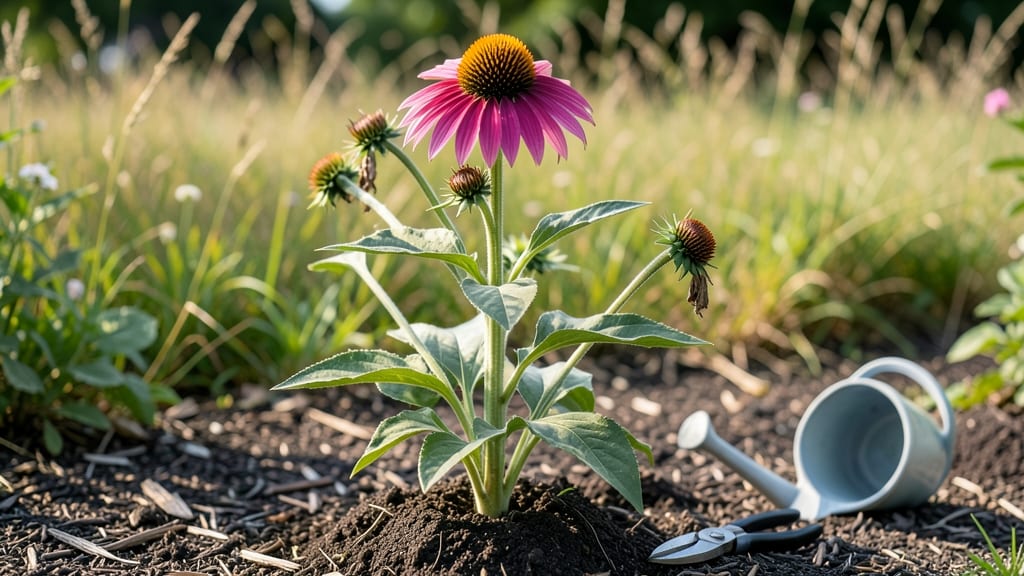
Illinois perennial flowers that return year after year are the secret weapon for effortless beauty—no replanting, no fuss, just vibrant blooms that outperform annuals every time. 🌸 I remember the first time my black-eyed Susans outshone my carefully planted annuals: they thrived through the brutal 2020 summer heat while the store-bought petunias wilted by July.
The right perennials for our climate don't just survive—they dominate, turning sunbaked borders into pollinator magnets that hum with bees from May through October.
These plants handle Illinois' extremes like pros: drought-resistant coneflowers, shade-tolerant asters, and wildlife-loving milkweed all thrive with minimal care. The soil here—whether clay-heavy or sandy—won't stop them, and their deep roots mean fewer watering trips once established.
My go-to trio starts with purple coneflowers for summer color, Russian sage for late-season drama, and bee balm for pollinator action. Together, they create a low-maintenance palette that needs dividing every 3-4 years, not replanting every spring.
What you end up with is a garden that looks intentional without the annual upkeep. Imagine sunny borders bursting with gold and purple, woodland edges layered with white and pink blooms, or pollinator patches teeming with life by mid-June.
These perennials handle our hot summers, freeze-thaw cycles, and even deer nibbles better than most annuals ever could. The best part? By year three, they're at their peak while your neighbors are still struggling with wilting petunias.
Whether you're designing a wildlife-friendly meadow or a no-fuss border, these Illinois natives deliver season-long interest with zero guilt. Let's talk specifics—like where to plant each for maximum impact and how to combine them for year-round texture and color.
The first step is choosing the right mix for your light conditions, and I've got the foolproof combinations that work in my Zone 5b garden every single year.
📚 In This Guide
- What you need
- Instructions
- Tips and common mistakes
- Wrapping up and next steps
What you need
- ● Perennial flowers (Illinois-native or well-adapted varieties): 5–10 plants per variety (e.g., Coneflower (Echinacea purpurea), Black-eyed Susan (Rudbeckia hirta), Bee Balm (Monarda fistulosa), or Daylily (Hemerocallis))
- ● Check USDA Zone 5–6 hardiness ratings for your location.
- ● Well-draining soil: Amend heavy clay soil with 3–4 inches of compost or organic matter (e.g., leaf mold, aged manure).
- ● Garden tools: Trowel or hand shovel
- ● Garden fork (for loosening soil)
- ● Pruners (for trimming dead foliage)
- ● Watering supplies: Hose with adjustable nozzle or watering can (1–2 gallons capacity)
- ○ Drip irrigation kit (optional but helpful for drought-prone areas)
- ● Mulch: 2–3 inches of organic mulch (e.g., shredded bark, straw, or pine needles) to retain moisture and suppress weeds.
- ● Fertilizer: Slow-release balanced fertilizer (10-10-10) or compost tea for nutrient boosts (apply in early spring).
- ● Soil test kit: To check pH (aim for 6.0–7.0 for most perennials).
- ● Plant supports: Stakes or cages for taller varieties like Joe Pye Weed (Eutrochium).
- ● Seasonal care products: Fungicide (for powdery mildew prevention)
- ● Insecticidal soap (for aphids or beetles)
- ● Garden journal: To track planting dates, blooming cycles, and maintenance notes!
Step-by-Step guide for planting Illinois perennial flowers
Here's how to establish hardy perennials that return stronger each season.
🌱 Step 1: Choose the Right Species for Your Illinois Climate
Illinois perennials thrive in USDA Zones 5-6, so select varieties that match your microclimate. Coneflowers, black-eyed Susans, and daylilies handle our hot summers and cold winters beautifully. I always check the sun exposure tag—most perennials need full sun (6+ hours daily), while hostas and asters tolerate partial shade.
Local nurseries often carry Illinois-adapted varieties like butterfly weed or purple coneflower, which attract pollinators while requiring minimal care. These plants establish deep roots in their first season, making them drought-tolerant once mature. If your soil drains poorly, opt for sedum or Russian sage—they thrive in rocky or sandy soils common in Illinois.
🪴 Step 2: Prepare the Planting Site for Long-Term Success
Clear the area of weeds and loosen soil to a depth of 12 inches to encourage root spread. Illinois clay soil can compact easily, so I mix in 2-3 inches of compost to improve drainage and fertility. For heavy clay, add 1 inch of coarse sand to prevent waterlogging, which can rot perennial roots.
Test your soil's pH—most Illinois perennials prefer 6.0-7.0. If your soil is too acidic, spread lime according to package instructions 2-3 months before planting. Mark planting locations with stakes to avoid overcrowding; mature perennials need 18-24 inches of space between plants, depending on the variety.
☀️ Step 3: Plant at the Right Time and Depth
Fall is the best time to plant perennials in Illinois—roots establish before winter, and plants bloom more vigorously the following spring. Dig holes twice as wide as the root ball but only as deep as the container's base. This prevents burying the crown, which can cause rot.
Place the plant in the hole, backfill with native soil, and water deeply to eliminate air pockets. Mulch with 2-3 inches of shredded bark or straw to retain moisture and suppress weeds. Avoid piling mulch against stems—keep it 2-3 inches away to prevent moisture buildup and disease. Water immediately after planting to help roots settle into the soil.
💧 Step 4: Water and Maintain Through the First Season
Water newly planted perennials 1-2 times weekly for the first 4-6 weeks, keeping soil evenly moist but not soggy. You'll know they're established when leaves show new growth in spring—this means roots have spread into the surrounding soil. After the first year, most Illinois perennials need only 1 inch of water weekly during dry spells.
Deadhead spent blooms in late summer to encourage a second flush of flowers, but leave seed heads for winter interest and wildlife. Divide clumps every 3-4 years in early spring or fall to maintain vigor. Perennials like daylilies and hostas spread aggressively—check them annually to prevent overcrowding.
Tips & tricks for perfect Illinois perennial gardens
Here's what I've learned after years of growing these tough, beautiful plants in our Midwest climate—simple secrets that make all the difference.
Soil Prep Secret: When loosening that 12-inch depth in Step 2, don't just scratch the surface—break up the compacted clay in horizontal layers. I use a broadfork to gently loosen without disturbing the soil structure too much. This creates channels for roots to spread naturally, which is especially important for Illinois's heavy soils. The 2-3 inches of compost should be mixed into the top 6 inches only—deeper compost can create anaerobic pockets that hurt root development.
Planting Depth Caution: That "as deep as the container's base" rule in Step 3 is critical—burying the crown (where stems meet roots) invites rot, while planting too shallow exposes roots to temperature swings. For container-grown plants, I actually remove the top inch of soil from the root ball before planting to ensure perfect depth. This small adjustment prevents years of maintenance headaches.
Watering Wisdom: The 1-2 times weekly guideline in Step 4 works, but timing matters more than frequency. Water deeply in the morning so roots absorb moisture before afternoon heat evaporates it. I use a rain gauge to track exactly 1 inch of water—most garden hoses deliver 2-3 times that! For new plantings, I soak the soil until water runs out the bottom of the hole, then let it drain completely before adding more.
Seasonal Maintenance Hack: Mark your calendar for late August—this is when most Illinois perennials need their second deadheading. Cut back just above the first set of healthy leaves to encourage new growth before frost. For varieties like coneflowers, leaving some seed heads provides winter interest for birds while still allowing you to deadhead others for continued blooms. This simple seasonal check prevents overgrowth and keeps your garden looking intentional.
Pro Tips for Illinois Perennial Flowers
- Here's what I've learned after years of growing these tough, beautiful plants in our Midwest climate—simple secrets that make all the difference.
- Soil Prep Secret: When loosening that 12-inch depth in Step 2, don't just scratch the surface—break up the compacted clay in horizontal layers.
- Planting Depth Caution: That "as deep as the container's base" rule in Step 3 is critical—burying the crown (where stems meet roots) invites rot, while planting too shallow exposes roots to temperature swings.
Frequently asked questions
Got questions about growing Illinois perennial flowers? You’re not alone! Here are answers to the most common queries to help you achieve a stunning, low-maintenance garden:
What are the easiest perennials to grow in Illinois?
For beginners, opt for hardy perennials like coneflowers (Echinacea), black-eyed Susans (Rudbeckia), or daylilies (Hemerocallis). These thrive in Illinois’ climate, require minimal care, and attract pollinators. Pro tip: Choose native species—they’re naturally adapted to local soil and weather!
When is the best time to plant perennials in Illinois?
Plant perennials in early spring (March–April) or fall (September–October) for best results. Avoid extreme heat or frost. Fall planting gives roots time to establish before winter, while spring ensures blooms the first season. Pro tip: Water deeply after planting to reduce transplant shock.
How do I keep perennials blooming all season?
Deadhead spent blooms regularly to encourage more flowers. Divide overcrowded clumps every 3–4 years (spring or fall). Use a balanced fertilizer in early spring, and mulch to retain moisture. Bonus: Some perennials, like shasta daisies, naturally rebloom with proper care!
What pests or diseases should I watch for in Illinois perennials?
Common issues include aphids, Japanese beetles, and fungal diseases like powdery mildew. Inspect plants weekly, and use neem oil or insecticidal soap for pests. Improve airflow by spacing plants properly, and avoid overhead watering to prevent mildew. Pro tip: Remove infected leaves immediately to stop spread.
Can I grow perennials in containers or small spaces?
Choose compact varieties like dwarf coneflowers or miniature hostas. Use well-draining soil and containers with drainage holes. Key tip: Group plants with similar water needs, and rotate containers occasionally for even growth. Small spaces? Try vertical gardens or window boxes!
Wrapping up and next steps
Transforming your Illinois garden into a vibrant, low-maintenance haven is easier than you think!
Perennial flowers like coneflowers, black-eyed Susans, and daylilies bring beauty year after year with minimal effort—perfect for busy gardeners or beginners. 🌸 With the right soil, sunlight, and a little care, you’ll enjoy blooms that keep coming back, season after season.
Ready to get started? Pick 1-2 perennials that suit your space, grab your tools, and dive in—your future garden will thank you! For extra inspiration, browse our planting guides or join local gardening groups to share tips and triumphs.