
Companion Plants
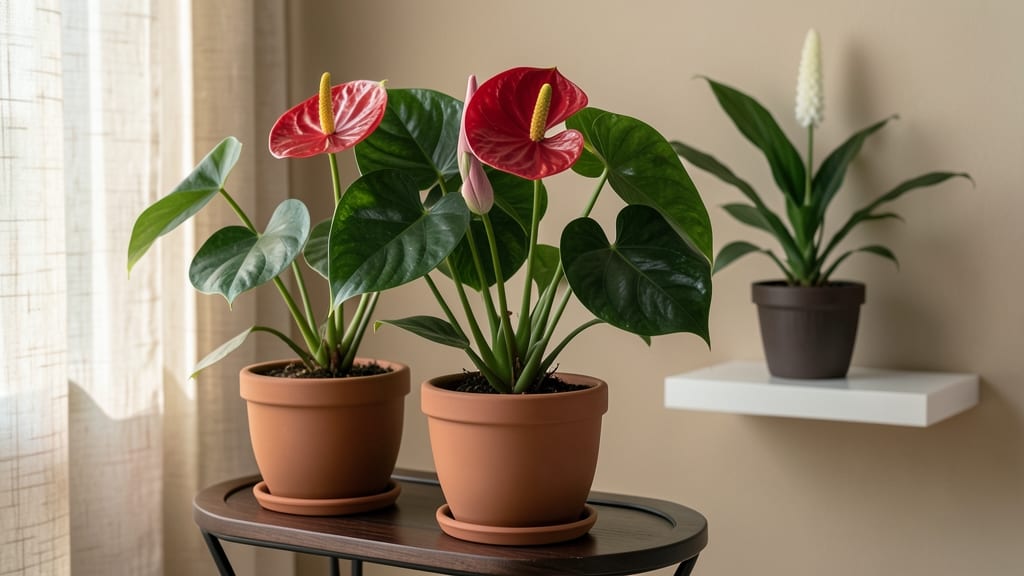
Indoor flowering plants year-round aren’t just possible—they’re thriving in my dim living room right now. 🌿 I’ve learned which varieties actually bloom indoors without harsh sunlight, and the secret isn’t fancy grow lights but the right plant choices and a few simple tweaks to your space.
Peace lilies, African violets, and orchids top the list because they evolved to handle lower light. The key is matching their needs: water only when the top inch of soil feels dry, use well-draining potting mix, and feed lightly every 4-6 weeks.
My African violets even rebloom every 6 weeks with this routine.
You’ll end up with a living room that smells like a greenhouse—sweet, earthy, and occasionally citrusy from the blooms. The plants stay compact, colorful, and productive without taking over your space. Best part? No more sad, leggy stems or bare branches.
Works perfectly for apartments, offices, or any room with north-facing windows. Let’s get those blooms going all year!
📚 In This Guide
- What you need
- Instructions
- Tips and common mistakes
- Wrapping up and next steps
What you need
- ● Low-light flowering plants: 3–5 plants (e.g., African Violet, Peace Lily, Spider Plant, or Kalanchoe). Choose varieties known for blooming in minimal light.
- ● Well-draining pots: 1–2 pots per plant (6–12 inches in diameter, with drainage holes). Terracotta or ceramic works best.
- ● High-quality potting mix: 1–2 bags (look for a blend labeled for indoor plants or flowering plants, with perlite or orchid bark for aeration).
- ● Watering can or spray bottle: 1 (with a narrow spout for precise watering).
- ○ Grow lights (optional but recommended): 1–2 LED grow lights (12–15 watts per plant, full-spectrum for best results).
- ● Fertilizer: 1 bottle of balanced liquid fertilizer (e.g., 10-10-10 or 20-20-20) or slow-release granules.
- ● Humidity tray or pebble tray: 1–2 (to maintain moisture levels, especially in dry climates).
- ● Plant saucers: 1–2 (to catch excess water and add aesthetic appeal).
- ● Plant food or bloom boosters: 1 (e.g., fish emulsion for extra nutrients).
- ● Self-watering system: 1 (for busy plant lovers—great for maintaining consistent moisture).
- ● Decorative planters or cache pots: 1–2 (to match your home’s style once plants are established).
- ● Plant labels: 1 pack (to track care needs and blooming cycles).
- ● Pruning shears: 1 pair (for trimming dead leaves or encouraging bushier growth).
Step-by-step guide to growing low-light indoor bloomers year round
Here's how to keep your favorite indoor flowers thriving in dim corners—no bright windows required.
🌱 Step 1: Select the Right Low-Light Varieties
Start with plants that naturally tolerate low light, like peace lilies, spider plants, or African violets. These varieties evolved to thrive in shaded environments, making them perfect for indoor spaces without direct sunlight. Avoid sun-loving plants like geraniums or succulents—they'll just sulk in dim corners.
Check the plant tags or research each variety's light needs before purchasing. Some low-light plants, like the cast iron plant, are nearly indestructible, while others, like orchids, need slightly brighter indirect light. Place your new plants near east-facing windows or a few feet from north-facing ones for the best results.
🪴 Step 2: Choose the Perfect Containers and Soil Mix
Use pots with drainage holes to prevent root rot—a common issue with low-light plants that can't dry out quickly. Terracotta pots work well because they allow moisture to evaporate through the walls, while plastic pots retain humidity better for tropical varieties.
Fill containers with a well-draining potting mix designed for indoor plants. I like to add a handful of perlite or orchid bark to improve aeration, especially for moisture-sensitive varieties. Avoid garden soil—it compacts easily and suffocates roots in containers.
☀️ Step 3: Position Plants Strategically for Indirect Light
Place your plants within 3-6 feet of a window where they'll receive bright, indirect light for at least 6 hours daily. South-facing windows provide the most light, but east or north exposures work well for low-light specialists.
Rotate pots quarter-turn weekly so all sides get even exposure. You'll notice leaves growing toward the light—this is their way of stretching for more energy. If stems grow leggy or leaves lose color, move the plant closer to the window or supplement with a grow light for 12-14 hours daily.
💧 Step 4: Water and Feed for Consistent Blooms
Water when the top inch of soil feels dry—low-light plants need less frequent watering than sun-lovers. Overwatering causes root rot, while underwatering leads to crispy leaves. I use the "finger test" daily to check moisture levels before adding more water.
Feed with a balanced liquid fertilizer (like 10-10-10) every 4-6 weeks during spring and summer. Cut back to monthly in fall and winter when growth slows. Deadhead spent blooms regularly to encourage new flowers—this simple step keeps plants producing year-round instead of putting energy into seed development.
✂️ Step 5: Prune and Maintain for Long-Term Health
Trim leggy stems back to encourage bushier growth. Use clean, sharp scissors to make cuts just above a leaf node—this prevents damage and promotes new branching. I prune in early spring to shape plants and remove any yellow or brown leaves that drain energy.
Dust leaves monthly with a damp cloth to help them absorb light more efficiently. Dust blocks sunlight, reducing photosynthesis and slowing growth. If you notice pests like spider mites, treat immediately with insecticidal soap or neem oil—low-light plants are more susceptible to infestations because their natural defenses weaken without strong sunlight.
Tips & tricks for perfect low-light indoor bloomers
Took me years to figure out these tricks—here's how to keep your low-light bloomers thriving all year.
Variety Matters: Peace lilies and spider plants are my top picks for dim corners because they're forgiving with light and water. If you notice your blooms fading after a few weeks, try moving them closer to an east-facing window where they'll get that crucial 6 hours of bright, indirect light daily. For orchids, which need slightly more light, position them within 3 feet of a window or use a grow light for 12-14 hours a day—this mimics their natural tropical environment.
Container Intelligence: That drainage hole isn't just for looks—it's your first line of defense against root rot. I've ruined three peace lilies by ignoring this! Use terracotta pots for plants that need to dry out faster, like African violets, and plastic pots for moisture-loving varieties. Pro tip: Elevate pots on saucers to prevent water pooling at the bottom, which can drown roots over time.
Light Strategy: The quarter-turn weekly rotation isn't just about even growth—it's about preventing your plants from growing lopsided. I learned this the hard way when my spider plant developed a permanent lean toward the window. For maximum light efficiency, clean windows monthly (dust blocks 25% of light!) and avoid placing plants behind curtains that filter out natural light.
Fertilizer Timing: That 4-6 week feeding schedule during spring/summer is perfect, but here's what nobody tells you—cut back to monthly in winter because your plants are essentially hibernating. I over-fertilized my African violets in December and ended up with crispy brown edges. Always dilute your fertilizer to half-strength in winter months to prevent salt buildup in the soil.
Pro Tips for Indoor Flowering Plants Year Round
- Took me years to figure out these tricks—here's how to keep your low-light bloomers thriving all year.
- Variety Matters: Peace lilies and spider plants are my top picks for dim corners because they're forgiving with light and water.
- Container Intelligence: That drainage hole isn't just for looks—it's your first line of defense against root rot.
Frequently asked questions
Got questions about keeping indoor flowering plants blooming all year? Here are some common ones—and their answers!
Which low-light flowering plants bloom the longest?
Peace lilies (Spathiphyllum) and African violets (Saintpaulia) are top picks for continuous blooms with minimal light. For bold colors, try Kalanchoe blossfeldiana—it thrives in indirect light and can flower for months with proper care. Just avoid drafts and overwatering!
How often should I fertilize indoor flowering plants?
Feed most flowering plants every 4–6 weeks during spring and summer with a balanced liquid fertilizer (like 10-10-10). Reduce to once every 2–3 months in fall/winter when growth slows. Pro tip: Flush soil with water every 3 months to prevent salt buildup from fertilizers.
Why aren’t my indoor flowers blooming?
Common culprits: too little light (move to a brighter spot, even north-facing windows), overcrowded roots (repot if roots circle the pot), or lack of dormancy. Some plants (like Christmas cactus) need 12+ hours of darkness monthly to trigger blooms. Check your plant’s specific needs!
Can I keep flowering plants in a basement or office?
Yes! Opt for low-light specialists like ZZ plants (technically not a true flower but has striking blooms) or Cast iron plants (which produce small white flowers). Add a grow light (LED or fluorescent) for 6–8 hours/day if natural light is nearly nonexistent. Avoid cold drafts—most prefer 65–75°F.
What’s the easiest flowering plant for beginners?
Start with African violets or peace lilies—both are forgiving and bloom reliably. For zero-effort blooms, try Spider mums (Kalanchoe): they store energy in their leaves and can rebloom with minimal care. Just keep soil slightly moist and avoid direct sun.
Wrapping up and next steps
Bringing life and color indoors has never been easier—even in low-light spaces! With the right indoor flowering plants year round, you can enjoy vibrant blooms without relying on sunlight. Whether you’re a busy plant parent or just starting your green journey, these low-maintenance bloomers are your perfect companions.
Ready to transform your space? Pick one (or two!) plants from this list and give them a try—your home (and future plant babies) will thank you! 🌸