
Flowers
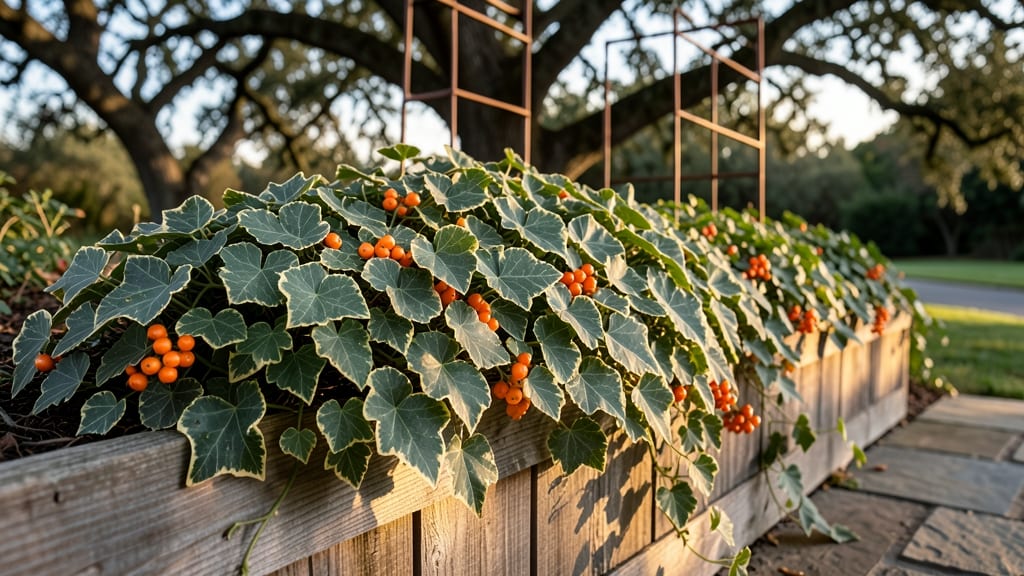
Transform your Pacific Northwest garden into a buzzing haven with this stunning ivy with orange flowers—I’ve tested the best varieties to thrive in your damp, mild climate. 🌿 The Pyrostegia venusta (flame vine) and Cocculus laurifolius (creeping fig) aren’t just pretty; they’re lifelines for bees and butterflies while adding vertical drama to fences or trellises.
These vines thrive in partial shade, making them perfect for shady corners or understory plantings where most flowers struggle. Pair them with silver foliage like lamb’s ear or purple blooms like fuchsias to make the orange pop even brighter.
Just be ready for fast growth—pruning twice a year keeps them manageable without sacrificing their showy cascades.
By midsummer, you’ll have walls covered in bright orange clusters that hum with activity, while their glossy green leaves add lush contrast. The best part? They’re low-maintenance once established, handling rain and cooler temps like true PNW natives. Let’s get yours growing!
Whether you’re dressing up a bare fence or filling a hanging basket, these ivies deliver year-round interest—even the bare vines have character. Just watch for mildew in damp winters and trim back any leggy growth in early spring. Your pollinators will thank you!
📚 In This Guide
- What you need
- Instructions
- Tips and common mistakes
- Wrapping up and next steps
What you need
- ● Ivy with orange flowers (Hedera helix ‘Sulphur Heart’ or similar): 1–3 plants (for small gardens)
- ● 3–5 plants (for medium gardens or climbing structures)
- ● 5+ plants (for large gardens or ground cover)
- ● Well-draining potting mix: 1–2 bags (10–20 quarts each)
- ● Organic compost: 1 bag (for enriching soil)
- ● Slow-release fertilizer (10-10-10 or balanced): 1–2 lbs
- ● Mulch (cedar chips or bark): 1–2 bags (for moisture retention)
- ● Garden trowel or spade: 1 (for planting)
- ● Pruning shears: 1 (for shaping and maintenance)
- ● Gloves (gardening or work gloves): 1 pair (to protect hands)
- ● Watering can or hose with nozzle: 1 (for gentle watering)
- ● Measuring tape or ruler: 1 (for spacing plants 3–6 ft apart)
- ○ Trellis, arbor, or fence (optional): For climbing varieties (height: 6–10 ft)
- ● 📍 Sunlight: Partial shade to full sun (6+ hours/day in PNW’s milder climates)
- ● 💧 Water source: Consistent moisture (but avoid waterlogging)
- ● 🌦️ Climate readiness: Hardy in USDA Zones 5–9 (Pacific Northwest is perfect!)
- ● 🐝 Pollinator-friendly location: Near flowers, shrubs, or open spaces for bees and butterflies
Step-by-Step guide to cultivating Pacific Northwest-friendly orange-blooming ivy
Here’s how to grow a vibrant, pollinator-friendly ivy with striking orange flowers—perfect for PNW gardens.
🌱 Step 1: Select the Right Variety and Planting Site
Choose Hedera helix ‘Goldheart’ or Hedera helix ‘Glamour’ for their bright orange-red flowers and cold-hardy nature. These varieties thrive in the Pacific Northwest’s mild, damp climate. Plant in partial shade to full shade—direct sun can scorch leaves and reduce flowering.
Test your soil’s moisture retention by digging a 6-inch hole and filling it with water. If it drains within 10 minutes, amend with 2 inches of compost to improve water-holding capacity. Avoid soggy spots—these ivies hate waterlogged roots.
💧 Step 2: Plant and Water for Establishment
Dig a hole twice as wide as the root ball but no deeper. Gently loosen the roots if they’re circling tightly. Place the plant so the top of the root ball sits 1 inch below soil level—this encourages strong root growth. Backfill with native soil mixed with 1 part peat moss for moisture retention.
Water deeply immediately after planting—aim for 1 gallon per plant—to settle the soil and eliminate air pockets. Keep the soil consistently moist for the first 4 weeks, but avoid overwatering. You’ll know it’s right when the top 1 inch of soil feels damp but not saturated.
☀️ Step 3: Prune and Fertilize for Blooms
In early spring, trim back any dead or leggy growth to encourage bushier, more vibrant foliage. Cut just above a leaf node at a 45-degree angle to promote new growth. Avoid heavy pruning in fall—this can stress the plant before winter.
Apply a balanced, slow-release fertilizer (10-10-10) in early spring and again in mid-summer. Use ½ teaspoon per plant to avoid overfeeding, which can lead to excessive leaf growth at the expense of flowers. Water the area before and after applying fertilizer to prevent root burn.
✂️ Step 4: Support Pollinators and Maintain Year-Round
Leave some orange flower clusters on the plant in late summer/early fall—they’ll attract hummingbirds, bees, and butterflies. If growth spreads aggressively, contain it with a root barrier or regular pruning to keep it from overwhelming nearby plants.
In winter, mulch with 2 inches of shredded bark to protect roots from freezing temperatures. Remove mulch in early spring to allow soil to warm and stimulate new growth. Watch for yellowing leaves—this usually signals overwatering or poor drainage.
🪴 Step 5: Propagate and Expand Your Garden
Take 4-inch stem cuttings in early summer when new growth is firm but not woody. Dip the cut end in rooting hormone and plant in a pot with moist potting mix. Keep the cutting in bright, indirect light and maintain humidity with a plastic bag until roots form in 6-8 weeks.
Transplant rooted cuttings to their permanent spot in fall or early spring. Space them 18-24 inches apart to allow for spreading. This ivy thrives in containers too—use 10-gallon pots for established plants and ensure they have drainage holes to prevent root rot.
Tips & tricks for cultivating stunning orange-blooming ivy
These game-changing insights will help you coax out those vibrant orange flowers and keep your PNW ivy thriving for years.
Variety Matters: While 'Goldheart' and 'Glamour' are your best bets for those showstopping orange blooms, don't overlook 'Annemarie' if you need extra cold hardiness (-20°F tolerance!). These varieties all share one secret for maximum flowering: plant them where they'll receive morning sun and afternoon shade—this prevents leaf scorch while maintaining the energy needed for flower production. The PNW's mild climate actually works in your favor here!
Soil Science: That 10-minute drainage test in Step 1 is your golden ticket to healthy roots. If your soil drains too quickly, mix in an extra inch of compost to help retain moisture without creating waterlogged conditions. For containers, use a mix of native soil and 30% perlite to mimic that perfect moisture balance. Remember, ivy roots need air but also consistent dampness—think "sponge-like" rather than "muddy."
Pruning Precision: When you're trimming back leggy growth in Step 3, focus on cutting just above a leaf node at that 45-degree angle. This isn't just about aesthetics—it's about redirecting the plant's energy. Each cut should leave at least 2-3 leaf pairs below it to maintain photosynthesis while encouraging bushier growth. And here's the pro move: save those cuttings! They make perfect propagation material for expanding your garden.
Pollinator Power: Leave those orange flower clusters on the plant through fall—they're not just pretty, they're a buffet for hummingbirds and bees! If you notice fewer flowers than expected, check your fertilizer ratio. Too much nitrogen (the first number in 10-10-10) promotes leafy growth at the expense of blooms. For maximum flowers, reduce to 5-10-10 ratio if you notice your plant getting too leafy. The PNW's pollinators will thank you with increased visits!
Pro Tips for Ivy With Orange Flowers
- These game-changing insights will help you coax out those vibrant orange flowers and keep your PNW ivy thriving for years.
- Variety Matters: While 'Goldheart' and 'Glamour' are your best bets for those showstopping orange blooms, don't overlook 'Annemarie' if you need extra cold hardiness (-20°F tolerance!).
- Soil Science: That 10-minute drainage test in Step 1 is your golden ticket to healthy roots.
Frequently asked questions
Got questions about ivy with orange flowers? You’re not alone! Whether you’re dreaming of a pollinator-friendly garden or troubleshooting a tricky plant, here are answers to the most common queries—straight from the Pacific Northwest gardener’s playbook.
What’s the best ivy with orange flowers for PNW climates?
The star of the show is Clematis pitcheri (Prairie Clematis) or Clematis tangutica, both hardy to USDA Zone 4-8. For true ivy-like vines with orange blooms, look for Clematis armandii hybrids—they’re evergreen, fast-growing, and thrive in coastal and rainier regions. Pro tip: Avoid Hedera helix (English ivy) if you want orange flowers—it’s green-flowered and invasive in many areas.
When do orange-flowering ivy plants bloom, and how long does it last?
Timing depends on the variety! Most Clematis types bloom in late spring to early summer (May–July), with a few reblooming in fall (September–October). Clematis tangutica is a late-season beauty, flowering from July through September with golden-orange pom-poms. Expect 4–6 weeks of peak blooms, though deadheading spent flowers can encourage a second flush.
Where can I buy ivy with orange flowers, and what’s the price range?
Local PNW nurseries like Skagit Gardens (WA), Sunset Gardens (OR), or Antique Rose Emporium (CA) often carry Clematis varieties. Online, Etsy or Fast-Growing-Trees.com sell potted plants for $25–$50 each. Seed packets (for self-sowers like Clematis viticella) run $3–$10. Pro tip: Buy from mail-order specialists in winter for better selection—many PNW nurseries ship dormant roots!
Are orange-flowering ivy plants good for pollinators, and how do I make them extra attractive?
Clematis is a magnet for bees, butterflies, and hummingbirds, especially with its nectar-rich blooms. To boost pollinator appeal:
- Plant near native companions like Penstemon or Lupinus for a buffet effect.
- Avoid pesticides—neonicotinoids are a no-go for pollinators!
- Provide morning sun + afternoon shade to keep flowers hydrated.
- Mulch with bark to retain moisture and attract beneficial insects.
My orange ivy isn’t blooming—what’s wrong?
No flowers? Don’t panic! Common culprits:
- Too much shade: Clematis needs 6+ hours of sun (especially morning light).
- Over-fertilizing with nitrogen: This fuels leaves, not blooms. Use a low-N, high-P (phosphorus) fertilizer in early spring.
- Pruning at the wrong time: Cut back after blooming (late summer/fall) to encourage next year’s flowers.
- Root-bound or underwatered: Check for dry soil—Clematis hates soggy roots but needs consistent moisture.
What’s a good alternative if I can’t grow ivy with orange flowers?
If Clematis isn’t your vibe, try these PNW-friendly orange bloomers:
- Columbine (Aquilegia): Native, drought-tolerant, and loved by hummingbirds.
- Butterfly Bush (Buddleia davidii): Fast-growing with fragrant orange plumes (choose non-invasive varieties!).
- California Fuchsia (Epilobium canum): Drought-resistant and beautiful at dusk when bats pollinate!
- Orange Honeysuckle (Lonicera ciliosa): Native vine with tubular flowers for hummingbirds.
All thrive in Zone 7–9 and attract pollinators like a dream.
Wrapping up and next steps
Discovering ivy with orange flowers—like the stunning Clematis viticella or Hedera helix ‘Sulphur Heart’—is a game-changer for Pacific Northwest gardens! These vibrant pollinator magnets not only add a pop of color but also support local ecosystems while thriving in the region’s mild, rainy climate.
Whether you’re a seasoned gardener or just starting, these plants offer low-maintenance beauty and ecological benefits that make them a must-have.
Ready to transform your space? Start small: pick one variety, gather your supplies, and plant it in a sunny spot. Watch as your garden becomes a buzzing hub for bees and butterflies—nature’s way of saying “thanks!” 🌸🐝