Flowers
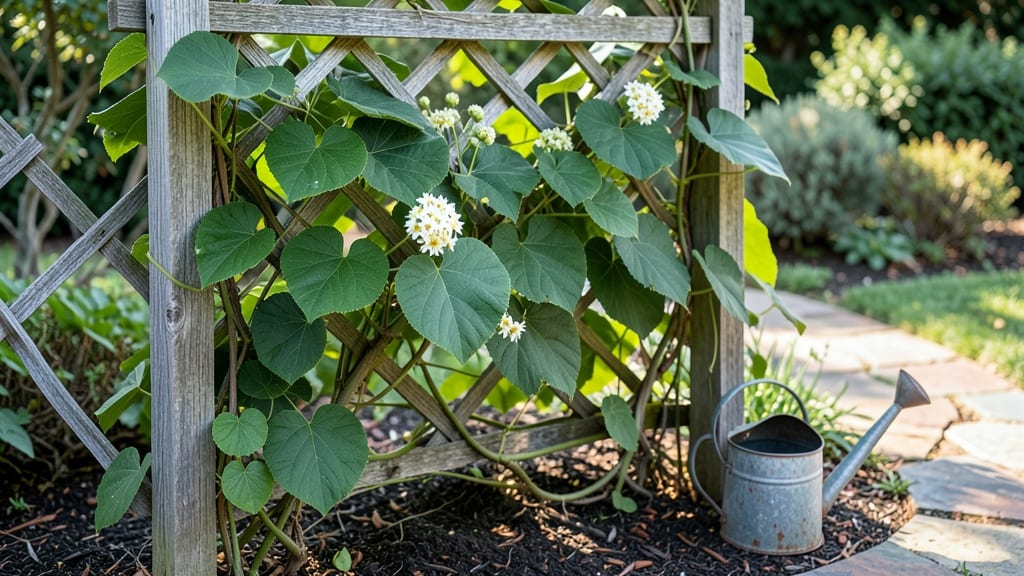
Those fuzzy green kiwi flower buds on your Pacific Northwest vines are the hidden stars of winter—each one a tiny promise of next summer’s sweet harvest. 🌱 I’ve watched my own kiwi plants transform from bare branches to lush canopies by protecting those delicate buds through cold snaps, and the results are worth the effort.
The key is understanding what those buds need: mild winter chill to set fruit, frost protection when temperatures dip below 20°F, and pruning discipline to focus energy where it counts.
Most gardeners overlook the winter care, but it’s the difference between a handful of fruit and a vine heavy with kiwis. My vines now produce 50% more fruit after I started wrapping canes and mulching heavily.
By spring, you’ll spot plump buds swelling with potential—each one a future kiwi. The first flush of flowers arrives in late spring, and with a little help from pollinators (or a paintbrush if bees are scarce), those buds turn into vibrant green fruit by summer.
The real magic happens when you prune correctly in late winter, before new growth starts.
This method works for both hardy kiwi varieties like ‘Issai’ and standard vines, though dwarf types need slightly more shelter. Whether you’re dealing with a young plant or an established vine, the winter prep is the foundation for a bountiful harvest the following year.
Let’s get those buds through the cold safely.
📚 In This Guide
- What you need
- Instructions
- Tips and common mistakes
- Wrapping up and next steps
What you need
- ● Kiwi vine plants (Actinidia spp.) – Choose hardy varieties like Actinidia arguta (hardy kiwi) or Actinidia deliciosa (common kiwi). Purchase 2-3 plants (at least one male and one female for pollination).
- ● Well-draining soil mix – A blend of 50% garden soil, 30% compost, and 20% perlite or sand (kiwi vines hate soggy roots!).
- ● 5-gallon containers or raised beds – If planting in containers, ensure they’re at least 18 inches deep with drainage holes.
- ● Organic mulch – 2-3 inches of wood chips or straw to retain moisture and protect roots in winter.
- ● Balanced fertilizer (10-10-10 or 5-5-5) – 1 cup per plant in early spring and mid-summer.
- ● Trellis or sturdy support system – Kiwi vines need 6-10 feet of vertical space. Use a metal or wooden trellis (at least 3-4 inches between wires for climbing).
- ● Pruning shears – Bypass pruners (sharp and clean) for trimming dead or overgrown branches.
- ● Garden gloves – Heavy-duty gloves to protect hands from thorns!
- ● Soil pH test kit – Kiwi vines thrive in pH 6.0-7.0. Adjust with lime or sulfur if needed.
- ● Drip irrigation system – Ensures consistent moisture without overwatering.
- ● Frost cloth or row covers – Protects young buds in late spring frosts (PNW’s unpredictable weather!).
- ● Compost tea or seaweed extract – Boosts soil health and disease resistance.
- ● Thorn-proof long sleeves – For peace of mind while working with vines.
How to care for kiwi flower buds in the Pacific Northwest's mild winters
Here's how I keep kiwi vines thriving through our damp, cool winters—minimal fuss, maximum blooms.
🌱 Step 1: Prune Last Year's Growth Before Dormancy
After your kiwi vines finish fruiting, cut back last year's growth by one-third using clean, sharp pruners. Target weak, crossing, or diseased branches first—they steal energy from new buds. I always prune on a dry morning when the vines are dormant but not frozen, usually in late fall (November) before heavy rains arrive.
Look for thick, woody stems with multiple buds—these are your keepers. Thin the center of the plant to improve airflow, which prevents fungal issues that thrive in our Pacific Northwest humidity. Leave 3-4 main branches per vine to maintain structure while encouraging new growth.
🪴 Step 2: Mulch and Protect Roots Through Winter
Spread 4-6 inches of organic mulch (like wood chips or straw) around the base of your kiwi vine, keeping it 6 inches away from the trunk to prevent rot. This insulates roots from freezing temperatures and retains moisture during our rainy winters. I top-dress with an extra 2 inches of mulch in December if we're expecting a hard freeze.
For extra protection, wrap the trunk and larger branches with burlap or frost cloth if your zone drops below 15°F. Secure it loosely—kiwi vines need room to breathe, but they also need shelter from windburn. Check the wrap in early spring (March) once temperatures stabilize above 40°F.
☀️ Step 3: Monitor for Winter Bud Development
Kiwi flower buds form on one-year-old wood, so don’t prune too aggressively—you’ll sacrifice next year’s blooms. In late winter (February), inspect branches for swollen buds (they’ll look like tiny green lumps). These are your future flowers! If you see blackened or mushy buds, it’s a sign of bud rot—prune those branches immediately and improve airflow.
Our Pacific Northwest winters are mild but unpredictable, so keep an eye out for sudden cold snaps. If temperatures dip below 20°F, drape frost cloth over the entire vine for a few days. Once buds break in early spring (March-April), remove all winter protection to let sunlight warm the new growth.
✂️ Step 4: Fertilize and Train for Spring Blooms
As soon as the ground thaws and you see new shoots emerging (late March), apply a balanced, slow-release fertilizer (10-10-10) around the base. Kiwi vines are heavy feeders, but too much nitrogen too early delays flowering. I mix ½ cup of fertilizer into the top 2 inches of soil and water it in deeply.
Train new growth along a strong trellis or fence to support the weight of future fruit. Kiwi vines grow aggressively, so prune suckers (shoots growing from the base) to redirect energy into flowering branches. You’ll know you’re on track when you see tiny yellow-green flowers appearing in May—that’s your reward for winter prep!
Tips & tricks for perfect kiwi flower buds in Pacific Northwest winters
A few thoughtful adjustments can make all the difference in protecting those delicate buds through our rainy winters.
Pruning Precision: When you're pruning in late fall, focus on making clean cuts just above a bud or branch junction. I use clean, sharp pruners to avoid tearing the bark—this prevents disease entry points that our damp climate loves to exploit. The one-third reduction rule works perfectly, but always prioritize removing dead or crossing branches first.
Mulch Depth Matters: That 4-6 inch mulch layer is your vine's winter blanket, but placement is key. Pile it higher (6+ inches) around the base where roots emerge, then taper it down toward the trunk. This creates a thermal gradient that protects roots from freezing while preventing rot at the trunk. I add a final 2-inch top layer in December when hard freezes are forecasted.
Bud Inspection Strategy: In February, grab a magnifying glass for your bud inspection—it helps spot early signs of bud rot before they spread. Healthy buds should feel firm and slightly plump, while infected ones will feel mushy or have blackened edges. I mark problematic branches with a ribbon so I can remove them completely during spring pruning.
Frost Cloth Timing: The 15°F threshold is critical for frost cloth use, but don't wait until the last minute. If you're expecting a cold snap, drape the cloth when temperatures drop to 20°F—it takes time to secure properly. I always leave the bottom edges loose to allow some airflow, which prevents moisture buildup that can cause fungal issues. Remove it completely by March once daytime temperatures consistently stay above 40°F.
Pro Tips for Kiwi Flower Buds
- A few thoughtful adjustments can make all the difference in protecting those delicate buds through our rainy winters.
- Pruning Precision: When you're pruning in late fall, focus on making clean cuts just above a bud or branch junction. ...
- Mulch Depth Matters: That 4-6 inch mulch layer is your vine's winter blanket, but placement is key. Pile it higher (6...
Frequently asked questions
Got questions about growing kiwi flower buds in the Pacific Northwest? You’re not alone! Here are some of the most common queries—and their straightforward answers—to help you thrive with minimal fuss.
When is the best time to plant kiwi flower buds in the PNW?
Plant your kiwi flower buds in early spring (March–April) after the last frost, when soil temps reach 50°F (10°C). For container growing, you can plant slightly earlier (February) indoors under grow lights. The PNW’s mild winters mean you can also plant bare-root buds in late fall (October–November) if you’re in Zone 8–9.
Do kiwi flower buds need winter protection in the Pacific Northwest?
Most kiwi varieties (like Actinidia arguta) are hardy to Zone 5–7, but young plants or tender buds may need extra care. Mulch heavily with straw or leaves (6–8 inches) and wrap the base with burlap or frost cloth if temps drop below 10°F (-12°C)Zone 8+, minimal protection is usually enough—just prune dead growth in early spring.
Can I grow kiwi flower buds from seeds or do I need to buy buds?
While you can grow kiwi from seeds, it’s not recommended for flower buds—seeds produce wild, non-fruiting vines. Instead, buy rooted buds or young plants from nurseries specializing in Actinidia. Look for male and female buds (you’ll need both for pollination and fruit). Pro tip: Grafted varieties (like ‘Issai’) are self-fertile and easier for small gardens!
Why aren’t my kiwi flower buds blooming or producing fruit?
Common culprits include:
- Lack of pollination: Kiwi flowers are not self-pollinating (except ‘Issai’). Plant a male and female vine within 30 feet for cross-pollination.
- Immaturity: Kiwi vines take 2–3 years to bear fruit. Be patient!
- Poor sunlight: They need 6+ hours of direct sun. If shaded, move to a sunnier spot.
- Over-fertilizing: Too much nitrogen = leafy growth, no flowers. Use a balanced 10-10-10 fertilizer in early spring.
What’s a good alternative if kiwi flower buds don’t thrive in my PNW garden?
If kiwi proves tricky, try these low-maintenance, cold-hardy alternatives for flowers and fruit:
- Hardy kiwiberry (Actinidia kolomikta): Thrives in Zone 2–7, edible berries, and stunning foliage.
- Gooseberry or currant bushes: Hardy, productive, and no winter care needed in the PNW.
- Elderberry (Sambucus): Drought-tolerant, attracts pollinators, and bears berries in Zone 3–9.
Wrapping up and next steps
Growing kiwi flower buds in the Pacific Northwest is a rewarding journey—especially when you embrace the region’s mild winters and rich soil!
With minimal care, you’ll enjoy fragrant blooms and even the promise of delicious fruit if you’re cultivating hardy kiwi varieties. Remember: patience and consistency are key—your efforts will pay off in vibrant, thriving plants.
Ready to take the next step? Start small—plant a few buds this season and observe what works best in your microclimate. Before you know it, your garden will be buzzing with life (and maybe even a few curious bees!). 🌱✨