Blooming
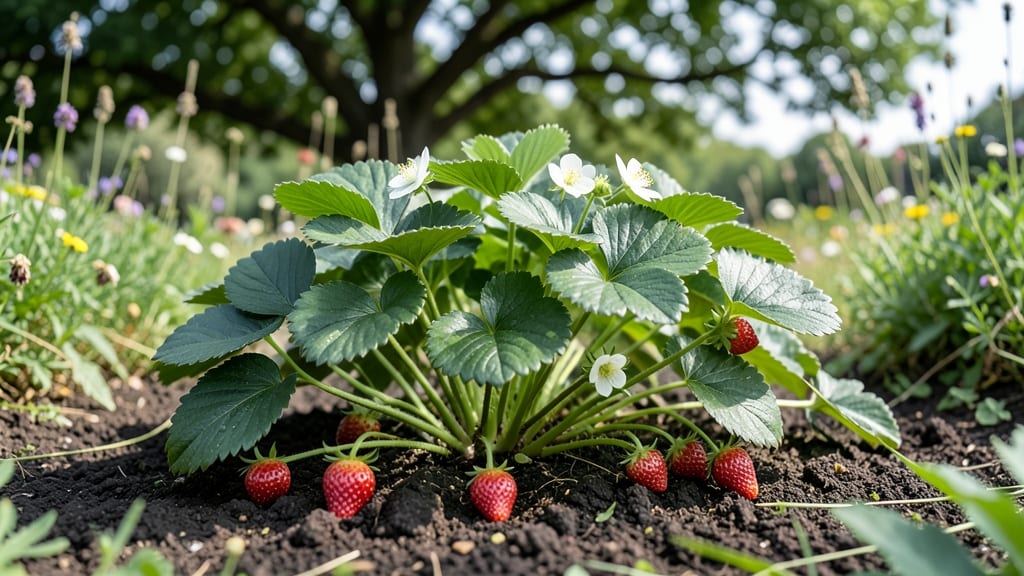
The strawberry blossom flower turns Pacific Northwest gardens into a springtime masterpiece, defying frost with its delicate charm. 🌸 I’ve watched these cheerful blooms transform bare winter beds into a sea of pink and white, their sweet fragrance cutting through the damp air like a promise of warmer days.
The secret lies in their resilience—these blossoms don’t just survive the occasional late frost; they thrive, returning year after year with minimal fuss.
Designing around them is easier than you’d think. Pair their soft hues with deep purples from salvia or bold blues from delphiniums for a striking contrast, or let them mingle with early bloomers like crocuses and hellebores for a layered, ever-evolving display.
Their compact growth habit makes them perfect for edging paths, filling containers, or creating a low, lush border that invites pollinators from the moment the snow melts.
What you’ll love most is how they bridge seasons—brightening the garden in late winter, setting the stage for summer berries, and even offering a second flush of blooms if you prune strategically.
The result? A garden that feels alive from the first thaw, with color, texture, and movement that keeps evolving as the light changes.
Whether you’re refreshing a tired corner or planning a new bed, strawberry blossoms bring effortless elegance. They’re the unsung hero of early spring, and once you see them in your own space, you’ll never design a garden the same way again.
📚 In This Guide
- What you need
- Instructions
- Tips and common mistakes
- Wrapping up and next steps
What you need
- ● Strawberry plants or seeds: For planting: Fragaria chiloensis (wild or cultivated varieties; check local nurseries for PNW-friendly options). For seeds: Collect fresh seeds from ripe strawberries (or buy from specialty seed suppliers).
- ● Well-draining soil: Mix 1 part compost with 2 parts native PNW soil (sandy loam ideal).
- ● Garden bed or containers: For beds: 6-inch-deep, 12-inch-wide rows (or individual mounds). For containers: 12-inch-deep pots with drainage holes (1 plant per pot).
- ● Mulch: 2–3 inches of straw or wood chips to retain moisture and protect roots.
- ● Watering can or hose with gentle nozzle.
- ● Gloves and hand trowel (for planting/seeding).
- ● Slow-release fertilizer: Balanced 10-10-10 or organic options like fish emulsion.
- ● Row covers or frost cloth (for early spring protection in chilly PNW mornings!).
- ● Pruners (for trimming runners or spent blossoms).
- ● Epsom salt (1 tbsp per gallon of water monthly for magnesium boost).
- ● Strawberry jars or decorative planters (for urban gardeners with limited space!).
Step-by-step guide to cultivating Pacific Northwest frost-resilient strawberry blossoms
Here's how to coax vibrant spring blooms from hardy strawberry plants—even after late frosts.
🌱 Step 1: Choose the Right Variety for Cold Climates
Select June-bearing or everbearing strawberry varieties bred for the Pacific Northwest, like 'Seascape' or 'Albion'. These handle 20-25°F temperatures better than tropical types. Check your local extension office for region-specific recommendations—some varieties thrive in your microclimate while others struggle just miles away.
I always plant bare-root plants in early spring (March-April) or fall (September-October) when soil temperatures stabilize above 40°F. The roots establish better before summer heat arrives. If using potted plants, choose ones with healthy white roots—brown or mushy roots mean the plant's been sitting too long and will struggle to recover.
☀️ Step 2: Prepare Frost-Protected Planting Sites
Strawberries need full sun (6-10 hours daily) but benefit from afternoon shade in hot summers. In the PNW, I plant mine on south-facing slopes where cold air drains away naturally. Avoid low spots where frost lingers—even a single night below 28°F can blacken blossoms before they open.
Amend the soil with 2-3 inches of compost before planting to improve drainage (strawberries rot in soggy soil). Mix in a handful of bone meal at planting time—it provides phosphorus for strong root development. Space plants 18-24 inches apart in rows 3-4 feet apart to allow airflow and reduce fungal diseases like gray mold.
💧 Step 3: Water Strategically to Prevent Frost Damage
Deep water once a week (about 1 inch total) during establishment, but cut back in late summer to encourage dormancy. The key to frost resilience? Even moisture. Fluctuations cause roots to dry out, making plants more vulnerable to cold snaps. I water in the late afternoon so soil retains warmth overnight.
When frost warnings appear, cover plants with row fabric or old bedsheets before sunset. Remove covers by 10 AM to prevent overheating. Never use plastic—it traps too much heat and can scorch leaves. If blossoms appear before last frost dates, protect them with paper bags (they let light through but block cold winds).
✂️ Step 4: Prune for Stronger Frost-Resistant Growth
Remove weak or spindly runners in early spring—they drain energy from the mother plant. Keep only 2-3 of the strongest runners per plant to maintain vigor. I always prune with sterilized scissors to prevent spreading disease between cuts.
After harvest, cut back old leaves to encourage new growth. This also reduces overwintering pests. In fall, mulch with 4-6 inches of straw to insulate roots through winter. The mulch should reach mid-stem height—this protects the crown where new growth emerges in spring. Don't use wood chips; they decompose too slowly and can smother plants.
🌿 Step 5: Protect Blossoms During Late Spring Frosts
When nighttime temperatures dip to 32-35°F after blossoms form, cover plants with cloches or plastic tunnels secured tightly at the edges. Strawberry blossoms are especially sensitive—damage reduces fruit set by 50% or more. I use hoop houses covered with 1mil plastic for entire beds when frost is forecast.
Check covers daily during the day to prevent overheating. If temperatures rise above 75°F under cover, prop open one side. Remove covers completely by 9 AM to allow pollinators access. After three consecutive frost-free nights, you can leave covers off permanently. This is when you'll see bees buzzing—your signal that pollination has begun!
Tips & tricks for perfect strawberry blossoms
Real talk: Growing strawberry blossoms that survive PNW frosts takes more than just planting and hoping. Here’s how I’ve learned to give these delicate flowers the best shot at thriving.
Variety Selection Matters: The difference between thriving and struggling strawberry blossoms often comes down to choosing the right variety. While 'Seascape' and 'Albion' are excellent choices for our climate, don’t overlook local extension office recommendations—they’ve tested varieties that work best in your specific microclimate. I’ve seen 'Totem' perform exceptionally well in wetter areas of the PNW, while 'Chandler' handles drier summers better. The key is selecting plants that can handle your area’s specific frost patterns.
Timing is Everything: Planting bare-root strawberries when soil temperatures stabilize above 40°F is critical, but don’t rush. Cold soil stresses roots, making plants more vulnerable to frost damage. I’ve learned this the hard way—planting too early in chilly March often leads to stunted growth. If you’re using potted plants, inspect the roots before buying. Healthy roots should be white and firm, not brown or mushy. This visual check has saved me from buying plants that would struggle to establish.
Soil Preparation Strategy: The 2-3 inches of compost and handful of bone meal mentioned in the instructions aren’t just suggestions—they’re game-changers. I’ve found that adding a bit of perlite to the mix improves drainage even more, especially in heavier PNW soils. This prevents the dreaded root rot that can wipe out your plants before they even bloom. The spacing of 18-24 inches apart also makes a surprising difference in airflow, which dramatically reduces fungal diseases that can blacken blossoms before they open.
Frost Protection Hacks: When nighttime temperatures dip to 32-35°F, I’ve discovered that row fabric works better than old bedsheets for several reasons. It’s more breathable, allowing plants to acclimate gradually rather than experiencing sudden temperature swings. For particularly sensitive blossoms, I’ve started using mini hoop tunnels covered with lightweight fabric—this creates a microclimate that protects without overheating. The key is removing covers by 10 AM to prevent heat buildup, which can scorch leaves just as effectively as frost.
Pro Tips for Strawberry Blossom Flower
- Real talk: Growing strawberry blossoms that survive PNW frosts takes more than just planting and hoping. Here’s how I...
- Variety Selection Matters: The difference between thriving and struggling strawberry blossoms often comes down to cho...
- Timing is Everything: Planting bare-root strawberries when soil temperatures stabilize above 40°F is critical, but do...
Frequently asked questions
When is the best time to plant strawberry blossom flowers?
The ideal window is early spring (March–April) or early fall (September–October). Planting in spring gives roots time to establish before summer heat, while fall planting avoids drought stress. For the PNW’s cooler climate, spring is often the safer bet—just ensure the ground isn’t frozen!
How cold can strawberry blossom flowers tolerate?
These hardy beauties thrive in USDA Zones 5–9 and can handle light frosts down to 15–20°F (-9 to -7°C). Young plants may need winter protection (like mulch or frost cloth), but established shrubs bounce back resiliently. A bonus for PNW gardeners!
Can I grow strawberry blossom flowers in containers?
Choose a large pot (at least 12–15 inches wide) with drainage holes and well-draining soil. Dwarf varieties like ‘Springtime’ work best. Keep containers in full sun and water consistently—containers dry out faster than ground soil.
What pests or diseases should I watch for?
Common issues include aphids, spider mites, and powdery mildew (especially in humid PNW summers). Prune for airflow, use neem oil for pests, and avoid overhead watering. Root rot can occur in soggy soil—ensure proper drainage to prevent it!
How do I encourage more blooms?
Prune lightly after flowering (remove spent blooms) to redirect energy to new growth. Feed with a balanced fertilizer (10-10-10) in early spring, and water deeply during dry spells. Over-fertilizing can reduce blooms—moderation is key!
Wrapping up and next steps
The strawberry blossom flower isn’t just a stunning symbol of Pacific Northwest springs—it’s a hardy, frost-resistant gem that brings joy and color to gardens with minimal fuss.
Whether you’re admiring its delicate blooms, harvesting sweet strawberries, or simply embracing its resilience, this plant proves that beauty and durability go hand in hand. 🌸
Ready to welcome this spring star into your garden? Start by gathering your supplies, choosing the perfect spot, and giving these blossoms the love they deserve. Your future self—and your local pollinators—will thank you!