Flowers
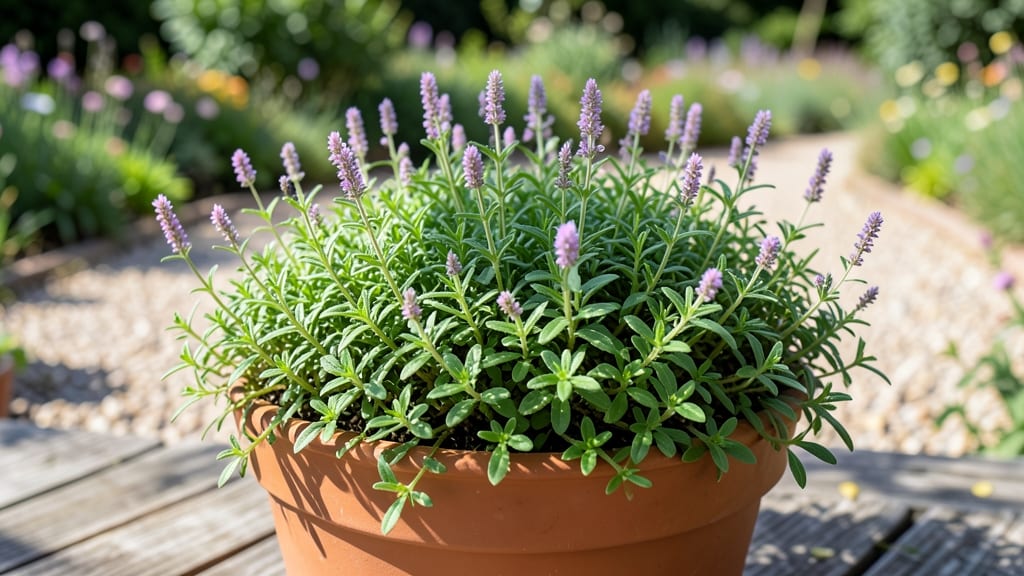
Lemon thyme flowers aren’t just pretty—they’re edible, fragrant, and transform your garden into a dual-purpose powerhouse. 🌿 I’ve grown this versatile herb for years, and the moment those tiny pink-white blooms appear in late spring is my cue to start planning both culinary and ornamental uses.
The secret to coaxing those flowers lies in how you prune, water, and feed the plant—simple adjustments that make all the difference.
This hardy perennial thrives in full sun to partial shade and well-draining soil, making it perfect for borders, containers, or even kitchen windowsills. The key to flowering? Light pruning after harvest to encourage bushier growth and regular deadheading to redirect energy into blooms.
With the right care, you’ll see flowers from June through September, and each one packs a citrusy punch that brightens dishes and bouquets alike.
Those blossoms aren’t just for show—they’re a flavor booster in salads, infusions, and garnishes, while the leaves stay productive all season. The fragrance alone makes lemon thyme a standout in any garden. Once you master the basics, you’ll wonder why you didn’t start sooner.
Whether you’re growing for the kitchen, the landscape, or both, lemon thyme delivers year-round rewards with minimal effort. Let’s dive into the exact steps to turn your plants into flowering, fragrant machines.
📚 In This Guide
- What you need
- Instructions
- Tips and common mistakes
- Wrapping up and next steps
What you need
- ● Lemon thyme plants: 3–5 healthy, mature plants (ensure they’re pesticide-free for edible use).
- ● Pruning shears or sharp scissors: Clean, sterilized tools to avoid damaging stems.
- ● Water: Room-temperature, filtered if possible.
- ● Glass jars or vases: 2–3 medium-sized containers (8–12 oz capacity) for arranging blooms.
- ○ Optional floral preservative: 1 packet (or 1 tsp citric acid + 1 tbsp sugar per quart of water) to extend vase life.
- ● Fresh herbs: Mint, rosemary, or basil for complementary aromas.
- ● Edible flowers: Nasturtiums or pansies to add color and flavor.
- ● Twine or floral tape: To secure stems in arrangements.
- ● Small bowls or ramekins: For individual servings (e.g., garnishes).
- ● A sunny windowsill or well-lit indoor space (lemon thyme thrives in bright light).
- ● Patience! Allow 2–3 weeks for blooms to fully open and release their citrusy scent.
- ● Check for pests (aphids, spider mites) before harvesting—treat with neem oil if needed.
How to grow lemon thyme flowers for edible beauty
Here's how to coax fragrant, edible blooms from your lemon thyme plants—no fancy tricks, just smart care.
🌱 Step 1: Start with Healthy Lemon Thyme Plants
Begin with mature lemon thyme plants that already show signs of vigor—thick stems, glossy leaves, and a bright citrus scent when crushed. If starting from seed, expect blooms in 18-24 months; established plants will flower within 6-12 months under ideal conditions. I always choose plants with 3-4 sets of leaves for best results.
Check for pests like spider mites or aphids before planting. A quick rinse with water or neem oil spray removes any hitchhikers. Healthy foliage means stronger blooms later. Place plants in full sun (at least 6-8 hours daily)—this is non-negotiable for flowering. Partial shade yields leaves, not blooms.
☀️ Step 2: Provide Optimal Light and Water
Lemon thyme thrives in full sun, but if your climate is scorching, provide afternoon shade to prevent leaf burn. I’ve found that morning sun with filtered afternoon light works well in hot zones. Water deeply once a week (or when the top 1-2 inches of soil feel dry), but never let the soil stay soggy—root rot shuts down flowering fast.
Use a well-draining potting mix (or amend garden soil with perlite) to prevent waterlogging. The key is consistency: lemon thyme dislikes wet feet but also won’t flower if stressed by drought. Mulch around the base with 1-2 inches of organic mulch to retain moisture and regulate soil temperature. Watch for wilting leaves—this signals underwatering.
💧 Step 3: Encourage Blooming with Pruning and Fertilizer
Prune back leggy stems in early spring to promote bushier growth and more flower clusters. Cut just above a leaf node—this is where new blooms will form. I pinch off the first few flowers that appear to redirect the plant’s energy into larger, more abundant blooms later in the season. Use clean, sharp shears to avoid damaging stems.
Feed plants with a balanced, water-soluble fertilizer (10-10-10) every 4-6 weeks during the growing season. Too much nitrogen = lush leaves, no flowers. Switch to a low-nitrogen, high-phosphorus fertilizer (5-10-10) when buds form to boost blooming. Stop fertilizing 6-8 weeks before first frost—this helps harden off plants for winter.
✂️ Step 4: Harvest and Preserve Edible Flowers
Harvest blooms in the morning after dew dries but before the sun peaks—this preserves their fragrance and flavor. Snip stems with 3-4 inches of foliage attached to encourage regrowth. Use the flowers fresh in salads, garnishes, or infused oils, or dry them for later use. I like to bundle stems with rubber bands and hang upside down in a dark, dry place for 1-2 weeks until crisp.
Store dried flowers in an airtight container away from light. They’ll keep for 6-12 months if fully dehydrated. For infused oils, pack a jar with blooms and cover with olive oil, then let sit in sunlight for 2-3 weeks, shaking daily. Strain and store in a cool, dark place—this golden elixir elevates everything from roasted veggies to desserts.
🌿 Step 5: Overwinter for Next Year’s Blooms
In colder climates, protect plants with 2-3 inches of mulch and a breathable frost cloth once temperatures drop below 25°F. Lemon thyme is perennial in USDA Zones 5-9, but young plants may need winter shelter. Prune back one-third of the growth in late winter to stimulate fresh spring shoots. I’ve seen plants rebound beautifully after harsh winters with this simple prep.
Container-grown thyme? Move pots to a sheltered spot or indoors near a south-facing window for winter sunlight. Reduce watering to once every 2-3 weeks—overwatering in dormancy is a common mistake. With proper care, your plants will reward you with even more fragrant blooms next season.
Tips & tricks for growing lemon thyme flowers
Here's what nobody tells you about coaxing those fragrant blooms from your lemon thyme—these are the details that separate good plants from showstopping ones.
Light Strategy: That 6-8 hours of full sun isn't just a suggestion—it's the non-negotiable factor for flowering. I've seen plants in partial shade produce leaves for months without a single bloom. If your climate gets scorching afternoons, opt for morning sun with afternoon shade rather than cutting total sunlight hours. The key is maintaining that bright, direct light while preventing leaf burn that can stress the plant and delay blooming.
Pruning Precision: When you're pinching off those first flowers in Step 3, you're not just tidying up—you're redirecting the plant's energy. Focus on removing flowers that appear in the first flush of spring growth. These early blooms often come at the expense of later, more abundant flowers. Cut cleanly just above a leaf node using sharp shears, and you'll encourage the plant to put its energy into developing stronger stems that will produce more dramatic summer blooms.
Fertilizer Timing: The switch from 10-10-10 to 5-10-10 fertilizer when buds form is crucial, but timing matters just as much. I've found that making this switch when you first notice tiny flower buds forming—about 4-6 weeks after the initial spring pruning—gives the best results. Too early, and you'll still get leafy growth. Too late, and you might miss the flowering window entirely. The phosphorus boost helps develop those vibrant blooms without overpowering the plant's natural citrus aroma.
Harvesting Technique: Those 3-4 inches of foliage you leave attached when harvesting isn't just for aesthetics—it's for regrowth. The leaves continue photosynthesis even after the flower is cut, feeding energy back to the plant. I've noticed that plants harvested this way produce more abundant blooms in subsequent seasons. Plus, the attached foliage makes beautiful garnishes while maintaining the plant's vigor. Harvest in the morning when dew has dried but before the sun peaks—this preserves both fragrance and flavor at their peak.
Pro Tips for Lemon Thyme Flowers
- Here's what nobody tells you about coaxing those fragrant blooms from your lemon thyme—these are the details that sep...
- Light Strategy: That 6-8 hours of full sun isn't just a suggestion—it's the non-negotiable factor for flowering. I've...
- Pruning Precision: When you're pinching off those first flowers in Step 3, you're not just tidying up—you're redirect...
Frequently asked questions
Got questions about growing, harvesting, or using lemon thyme flowers?
Here are some of the most common ones—and their answers—so you can dive into this fragrant adventure with confidence!
Can I grow lemon thyme flowers indoors?
Lemon thyme thrives indoors with plenty of sunlight (a south-facing window or grow lights work best) and well-draining pots. Just keep the soil moist but not soggy, and pinch back flowers to encourage bushier growth. Pro tip: Place it near a kitchen window to enjoy the aroma while cooking!
How long does it take for lemon thyme to flower?
With the right care, lemon thyme typically blooms within 6–8 weeks after planting. If your plant isn’t flowering, check for these fixes:
- More sunlight: Aim for 6+ hours of direct light daily.
- Balanced watering: Overwatering can stunt growth.
- Prune regularly: Trim leggy stems to encourage new growth.
Are lemon thyme flowers safe to eat?
Yes! Both the leaves and flowers are edible and pack a bright, citrusy flavor. Use them to garnish dishes, infuse oils, or steep in teas. Just avoid overconsumption—like any herb, moderation is key. Fun fact: They’re a great gluten-free alternative to citrus zest in recipes!
What can I do if my lemon thyme flowers aren’t opening?
Don’t worry—closed buds can mean a few things:
- Temperature shock: Cold drafts or sudden heat changes can delay blooming.
- Overcrowding: Thin out nearby plants for better airflow.
- Light deprivation: Move to a sunnier spot (even a grow light helps!).
Can I substitute lemon thyme flowers for other herbs?
While no herb is a perfect substitute, lemon thyme flowers add a unique zing! For similar flavors, try:
- Lemon verbena (stronger citrus notes).
- Regular thyme flowers (milder, earthier).
- Zest of lemon or lime (for a quick fix).
Wrapping up and next steps
Discovering the delicate beauty—and edible magic—of lemon thyme flowers is a game-changer for gardeners and foodies alike! 🌸 From fragrant garnishes to floral-infused syrups, these tiny blooms pack a punch of citrusy charm.
Whether you’re growing them for their aroma, culinary versatility, or simply to brighten your space, their ease of care makes them a must-try.
Ready to dive in? Start small—plant a few stems in your herb garden or pot them up for a sunny windowsill. Next up: Experiment with their flavors in teas, desserts, or salads, and watch your kitchen (and garden!) bloom with creativity! 🌿✨