
Lawn
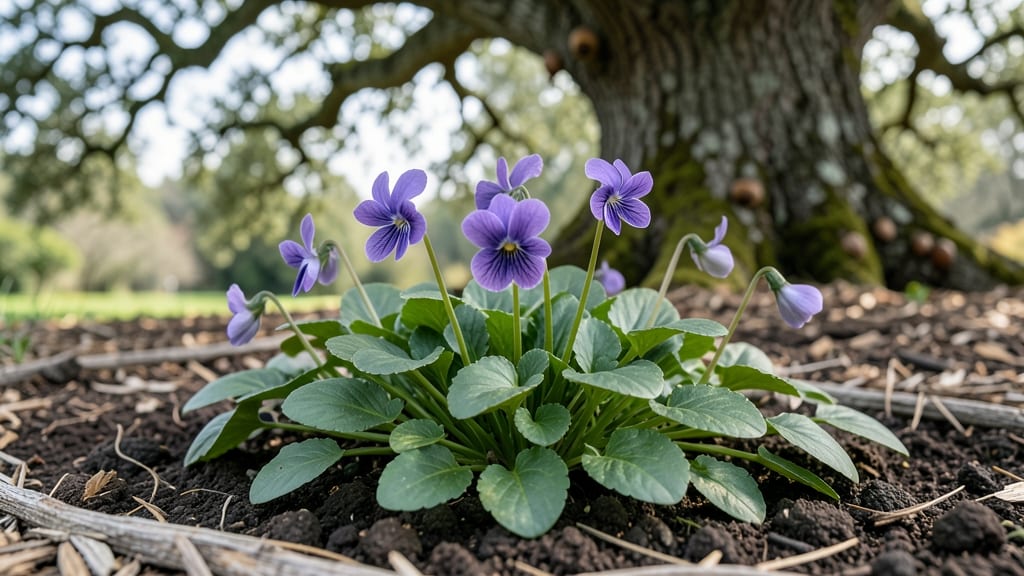
Those unexpected little purple flowers popping up in your lawn might be clover, violets, or another common wildflower—each with its own story to tell. 🌿 I’ve spent years pulling weeds only to realize some of these "nuisances" are actually pollinator magnets or tough ground covers that improve soil.
The key is knowing which ones deserve a place in your yard and which ones need to go.
Start by identifying them: clover’s trifoliate leaves and white blossoms turn purple in late spring, while violets spread aggressively but provide early spring color. Some, like creeping charlie, are pure weeds, while others, like wild strawberries, add unexpected charm.
Grab a magnifying glass or use a plant ID app to spot the differences—your lawn’s health might depend on it.
If you’re dealing with invaders, organic methods like corn gluten meal or targeted hand-pulling work best for most lawns. But if you’re happy with a few wildflowers, let them thrive—they’ll bring bees, butterflies, and a touch of wild beauty you won’t find in a perfect green carpet.
The right balance keeps your lawn looking intentional, not over-manicured.
Whether you’re reviving a patch of clover or eradicating creeping charlie, the goal is a lawn that works for you—not one that follows someone else’s rules. Let’s turn those purple surprises into something that enhances your outdoor space, not just fills it with "weeds."
📚 In This Guide
- What you need
- Instructions
- Tips and common mistakes
- Wrapping up and next steps
What you need
- ● Garden gloves – A pair of durable, breathable gloves (e.g., nitrile-coated for protection against thorns or sap).
- ● Hand trowel or small spade – A 5-inch stainless-steel trowel for gentle digging (avoid plastic for longevity).
- ● Pruners or scissors – Sharp, bypass pruners for clean cuts (disinfect with rubbing alcohol between uses).
- ● Watering can or hose with a gentle spray nozzle – A 1-gallon capacity can for precision or a hose with an adjustable mist setting.
- ○ Lawn identification guide or app – Optional but helpful: Use a plant ID app (e.g., iNaturalist or PictureThis) or a field guide to common lawn wildflowers.
- ● Organic mulch or compost – 2–3 inches of shredded bark or composted leaves to retain moisture and suppress weeds.
- ● Slow-release fertilizer – A balanced 10-10-10 or organic option (e.g., fish emulsion) for nutrient boost.
- ● Kneeling pad – For comfort during extended garden time.
- ● Soil pH test kit – To check if your lawn’s acidity/alkalinity (ideal: 6.0–7.0) needs adjustment.
- ● Epsom salt – 1 tbsp per gallon of water for magnesium-deficient purple blooms (e.g., violets).
- ● Mulch rings or landscape fabric – To protect young plants from weeds.
- ● Camera or smartphone – For close-up photos of flowers/stems to cross-reference with ID guides.
How to identify and care for common purple wildflowers in your lawn
Here's how to spot those tiny purple blooms and give them the right conditions to thrive.
🌱 Step 1: Identify the Most Likely Purple Wildflowers
Start by examining the flowers' size, shape, and growth pattern. Henbit (tiny, scalloped leaves, clustered blooms) and chickweed (oval leaves, star-shaped flowers) are the most common. Clover (three-leaf clusters) often has small purple varieties too. Press a leaf between your fingers—if it feels fuzzy, it's likely creeping charlie (a broadleaf weed with purple flowers).
Look at the flower clusters: dandelions (yellow but sometimes purple-tinged) grow alone, while henbit forms dense mats. If the flowers grow in spikes, they're probably oxalis (shamrock-shaped leaves). Take a photo and compare it to a wildflower guide—most have distinct leaf patterns that confirm the ID.
🌿 Step 2: Assess the Lawn's Current Conditions
Purple wildflowers thrive in partial shade to full sun but often pop up where grass is thin. Check your lawn's moisture level by digging a small hole—if the soil feels dry 2 inches down, that's why these flowers are appearing. They're often nature's way of telling you the grass isn't getting enough water.
Run your hand over the grass blades. If they feel thin and sparse, that's another clue. Purple wildflowers fill gaps where grass struggles. Test soil pH with a kit—most prefer slightly acidic to neutral (6.0-7.0). If your lawn is alkaline, that's why you're seeing more weeds than grass.
✂️ Step 3: Choose Your Approach (Remove or Encourage)
If you want to remove them, pull when soil is moist (after watering) to avoid breaking roots. Use a hand weeder for deep roots like clover. For large patches, spot-treat with a vinegar-based weed killer (5% acetic acid) on sunny days—it won't harm grass but kills most broadleaf weeds. Reapply every 3-5 days until gone.
If you want to keep them, stop mowing those areas until flowers fade. They'll self-seed and spread naturally. Overseed with fine fescue in fall to thicken grass where they're growing. Water deeply 1-2 times weekly to encourage grass roots to outcompete the wildflowers over time.
💧 Step 4: Adjust Watering and Mowing for Long-Term Control
Wildflowers thrive when grass is stressed. Water deeply 1-2 times weekly (1 inch total) to strengthen grass roots. Mow at 3-4 inches tall—taller grass shades out weeds naturally. If you see purple flowers returning next spring, that means your lawn still needs more water or fertilizer.
Apply a slow-release nitrogen fertilizer in early spring (when grass is actively growing). Aim for 0.5 pound of nitrogen per 1,000 sq ft. This helps grass outcompete weeds. For stubborn patches, corp dethatching in early fall removes thatch buildup, letting grass roots access moisture and crowd out wildflowers.
☀️ Step 5: Prevent Future Purple Blooms with Proper Lawn Care
Test soil every 2-3 years—wildflowers often appear when soil lacks nutrients. Amend with compost (½ inch layer) in fall to improve fertility. Aerate in early fall to relieve compacted soil, which grass roots hate but wildflowers tolerate.
Here's the thing—if your lawn has more than 10% wildflowers, it's a sign of underlying issues. Focus on watering consistency, proper mowing height, and seasonal fertilization. Within 3-4 months, you'll see fewer purple blooms as grass fills in naturally.
Tips & tricks for perfect purple wildflower identification
Here's what nobody tells you about turning those mysterious purple blooms into a lawn care advantage.
Leaf Texture is Key: The texture of the leaves is your secret weapon for identification. Run your finger along the leaf—if it feels fuzzy, you're dealing with creeping charlie, which often has purple flowers. Smooth leaves with scalloped edges? That's henbit. Remember, the leaf pattern tells you more than the flower ever will.
Growth Pattern Matters: Pay attention to how the flowers grow. Henbit forms dense mats where the grass is thin, while dandelions (even purple-tinged ones) grow alone. Oxalis creates those distinctive spikes—look for the shamrock-shaped leaves to confirm. This growth pattern is your first clue before you even see the flowers.
Timing is Everything: Purple wildflowers often appear in early spring when grass is still weak. That's why you see them popping up right after your first mow or when soil is dry. If you notice them appearing after watering, that's your lawn telling you it needs more consistent moisture.
Seasonal Strategy: Spring is prime time for identification—flowers are in full bloom and easier to spot. But don't ignore fall! Many of these plants will still be visible before they go dormant. Take photos in both seasons to build your wildflower library for next year.
Pro Tips for Little Purple Flowers In Lawn
- Here's what nobody tells you about turning those mysterious purple blooms into a lawn care advantage.
- Leaf Texture is Key: The texture of the leaves is your secret weapon for identification.
- Growth Pattern Matters: Pay attention to how the flowers grow.
Frequently asked questions
Got questions about those tiny purple blooms popping up in your lawn? You’re not alone! Here are some of the most common queries—plus quick, actionable answers to help you tackle them like a pro.
What are these little purple flowers in my lawn?
Those tiny purple blooms are often clover, creeping Charlie, or wildflowers like henbit or chickweed. Clover is the most common—it’s nitrogen-fixing and thrives in sunny spots. If they’re dense, they might be crowding out your grass!
When is the best time to remove them?
Spring and early fall are ideal for pulling or treating weeds. Avoid late summer when plants are stressed—it’s harder to uproot them. For clover, mow high (3–4 inches) to weaken it before pulling or applying herbicide.
Will they harm my lawn or garden?
Not necessarily! Clover adds nitrogen to soil, benefiting grass. However, if they’re too dominant, they’ll outcompete your lawn. Wildflowers like henbit are annuals—they’ll fade by summer. Focus on balance: thin patches are fine; thick mats may need intervention.
How do I get rid of them without killing my grass?
Try these selective methods:
- Hand-pulling: Grab clover by the roots after rain (soil is softer).
- Corn gluten meal: Apply pre-emergent in early spring to block seeds.
- Spot herbicide: Use a 2,4-D-based product (follow label rates).
- Mow high: Encourages grass to outcompete weeds.
For wildflowers, let them bloom once—they’ll die back on their own.
Can I turn them into a wildflower meadow?
If you love the look, let them spread naturally or seed a low-maintenance wildflower mix. Mow less frequently (3–4 times/year) and avoid herbicides. Just monitor for invasive species like dandelions.
Why do they keep coming back?
Most purple lawn flowers are perennials or self-seeding annuals. Clover spreads via stolons (horizontal stems) and seeds. Wildflowers like henbit drop thousands of seeds. Break the cycle by:
- Pulling before they seed (spring/fall).
- Improving soil health (test pH—most weeds thrive in compacted or acidic soil).
- Adjusting mowing height (taller grass shades out weeds).
Patience is key—consistent effort pays off!
Wrapping up and next steps
Discovering little purple flowers blooming in your lawn isn’t just a charming surprise—it’s a sign of a thriving, diverse ecosystem! Whether you’ve spotted creeping phlox, henbit, or wild violet, these flowers add beauty and resilience to your yard.
Now that you know how to identify and care for them, you’re ready to turn your lawn into a vibrant, low-maintenance paradise.
🌱 Next steps:
- Grab your gardening gloves and give those purple blooms a little love—mulch, water, or gently transplant them if needed.
- Encourage more wildflowers by leaving some areas of your lawn to grow naturally (or try seeding a native wildflower mix!).
- Share your newfound green thumb knowledge with neighbors—you might just inspire a lawn-care revolution!
Your lawn is about to get a whole lot prettier—and you’re the hero behind it! 🌿✨