
Flowers
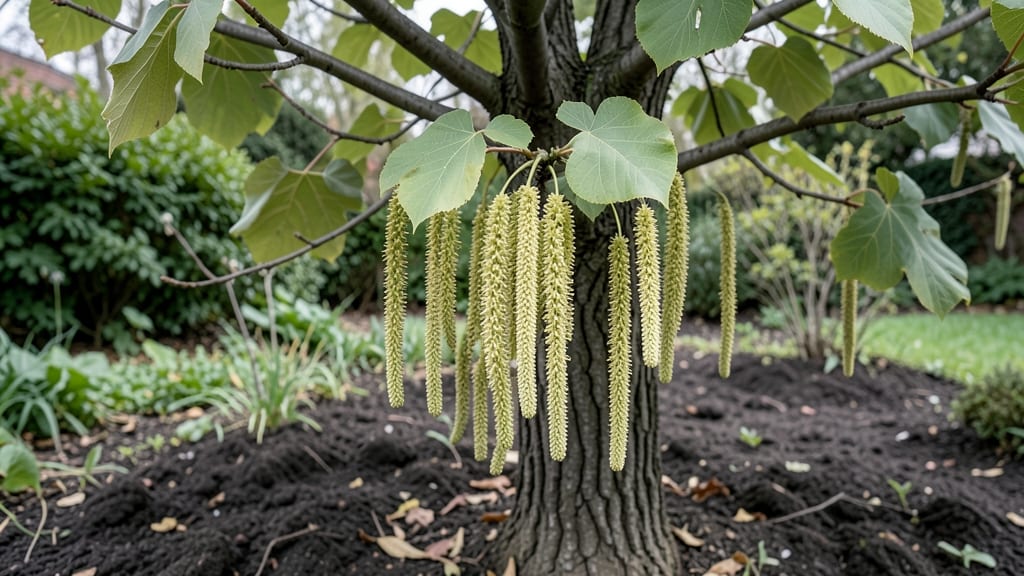
The male mulberry flower is the unsung hero of Pacific Northwest orchards, its delicate yellow-green catkins feeding bees while its frost-resistant nature keeps trees thriving where others fail. 🌱 I’ve watched these fuzzy clusters emerge in late spring, their subtle beauty often overlooked in favor of the showy fruit.
What makes them special isn’t just their hardiness—it’s how they transform into the tree’s lifeblood, supporting pollination before the iconic berries even appear.
Here’s the thing—cultivating male mulberries in cold climates isn’t about fancy techniques. You need well-drained soil, full sun, and patience while the roots establish. The first year, focus on protecting young trees from late frosts; after that, they’ll reward you with minimal care.
By summer, those catkins will have done their job, leaving behind lush foliage that turns golden in fall—a bonus for gardeners who love seasonal interest.
What you’ll end up with is a tree that outlasts most ornamentals, its male flowers playing a quiet but essential role in the ecosystem. The berries may get all the attention, but without these flowers, there’d be no fruit—and no reason to plant mulberries at all.
Plus, the shade they provide in summer is unbeatable, making them a dual-purpose workhorse for any PNW yard.
Works just as well in urban settings as rural landscapes, though dwarf varieties are ideal for smaller spaces. The key is choosing the right cultivar and giving it room to grow—something these resilient trees always repay with vigor. Ready to add one to your landscape?
📚 In This Guide
- What you need
- Instructions
- Tips and common mistakes
- Wrapping up and next steps
What you need
- ● Male mulberry tree saplings: 1–3 (ensure they’re Morus alba or Morus nigra male cultivars for pollen production).
- ● Well-draining soil: 5–10 cubic yards (mix of loam, sand, and compost in a 50/30/20 ratio).
- ● Organic fertilizer: 10 lbs of 5-10-10 (nitrogen-phosphorus-potassium blend) or composted manure.
- ● Mulch: 2–3 inches of wood chips or straw to retain moisture.
- ● Drip irrigation system: 50–100 ft of tubing + emitters (for consistent watering).
- ● Garden tools: Trowel, pruning shears, and a shovel.
- ● pH testing kit: To check soil acidity (ideal: 6.0–7.0).
- ● Frost cloth: 10x10 ft (for young plants in early spring).
- ● Stakes & twine: 4–6 stakes + twine (for support as trees grow).
- ● Mycorrhizal fungi: Boosts root health (apply at planting).
- ● Pollination aids: Small brush or bee-friendly plants nearby.
- ● Soil conditioner: Worm castings or biochar for nutrient-rich soil.
Step-by-step guide for cultivating male mulberry trees in the Pacific Northwest
Here's how to grow hardy, frost-resistant male mulberry trees that thrive in our chilly climate.
🌱 Step 1: Choose the Right Location and Prepare the Soil
Male mulberry trees need space—plant each tree at least 20 feet apart to allow for their mature spread. They do best in full sun, with at least 6-8 hours of direct sunlight daily, though they'll tolerate partial shade in hotter summers. In the Pacific Northwest, a south-facing spot gets the most light without overheating.
Test your soil first—male mulberries prefer well-draining, slightly acidic soil with a pH between 6.0 and 7.5. If your soil is heavy clay, mix in 2-3 inches of compost and some coarse sand to improve drainage. I like to dig a hole twice as wide as the root ball but only as deep—planting too deep can suffocate the roots.
🪴 Step 2: Plant Bare-Root Saplings at the Right Time
Timing matters in our climate: plant bare-root saplings in early spring, just as buds begin to swell, or in early fall before the first frost. Avoid planting in summer heat or winter cold. Soak the roots of your sapling for 2-3 hours before planting to rehydrate them—this helps reduce transplant shock.
Place the tree in the hole so the top of the root ball sits just above ground level. Backfill with native soil mixed with a handful of balanced fertilizer (10-10-10), tamping gently to remove air pockets. Water deeply right after planting—aim for 1-2 gallons to settle the soil around the roots. Mulch with 2-3 inches of wood chips to retain moisture and protect roots from winter freezes.
☀️ Step 3: Water Deeply and Protect from Frost
Young mulberry trees need consistent moisture, especially in our dry summers. Water deeply once a week, providing 10-15 gallons per tree until the soil is moist 12 inches down. You'll know it's right when the top inch feels damp but not soggy. Avoid wetting the leaves to prevent fungal diseases like powdery mildew.
In the Pacific Northwest, late spring frosts can still catch young trees off guard. If frost is forecasted, drape a lightweight frost cloth over the tree and secure it loosely. Mulberries are tough, but young growth is especially vulnerable. Once the tree is established (after 3-4 years), it’ll handle our winters like a champ.
✂️ Step 4: Prune for Shape and Health Annually
Prune your male mulberry in late winter or early spring before new growth begins. Remove any dead, diseased, or crossing branches first—they’re the easiest to spot. Then, thin out the canopy to improve airflow, cutting back branches that grow inward or rub against each other. Aim to keep the tree open and airy to prevent fungal issues.
Here's the thing—male mulberries don’t need heavy pruning, but you’ll want to shape them slightly to encourage a strong structure. Cut back any suckers that sprout from the base, and trim back any overly vigorous branches by one-third to maintain balance. The goal is to keep the tree looking natural while preventing it from becoming too dense.
Tips & tricks for perfect male mulberry flower cultivation
These practical insights will help you grow thriving male mulberry trees that thrive in our Pacific Northwest climate—no guesswork required.
Location and Sunlight Strategy: While the instructions mention 6-8 hours of sunlight, I’ve found that positioning your tree slightly east of true south can actually give it more morning sun—critical for our cooler summers. The early sunlight helps prevent leaf scorch while still giving those 6-8 hours. Also, avoid planting near large evergreens that might cast permanent shade.
Soil Preparation Pro Tip: For that 2-3 inches of compost recommendation, I like to use a mix of well-aged cow manure and leaf mold—it gives the perfect balance of nutrients and organic matter. If your soil tests below pH 6.0, add a handful of sulfur to the planting hole before adding the tree. The roots will appreciate this gradual adjustment rather than a sudden pH shock.
Timing Your Planting: That 2-3 hour root soaking before planting is non-negotiable, but here’s what nobody tells you—soak the roots in cool water, not warm. Warm water can actually accelerate root metabolism too early, making them more vulnerable to transplant shock. I use a bucket of water with a few ice cubes to keep it cool while soaking.
Winter Protection Hack: For those young trees vulnerable to late frosts, I’ve had great success with a double-layer protection system. First, wrap the trunk with tree wrap to prevent sunscald in winter. Then, for the frost cloth, secure it loosely with stakes—don’t pull it too tight. The extra space allows for some airflow while still protecting the tender new growth.
Pro Tips for Male Mulberry Flower
- These practical insights will help you grow thriving male mulberry trees that thrive in our Pacific Northwest climate—no guesswork required.
- The early sunlight helps prevent leaf scorch while still giving those 6-8 hours.
- Soil Preparation Pro Tip: For that 2-3 inches of compost recommendation, I like to use a mix of well-aged cow manure and leaf mold—it gives the perfect balance of nutrients and organic matter.
Frequently asked questions
Got questions about growing male mulberry flowers in the Pacific Northwest? You’re not alone!
Here are some of the most common queries—and their answers—to help you cultivate these frost-resistant beauties with confidence.
Why should I grow male mulberry flowers instead of female trees?
The male mulberry (Morus alba) produces stunning, fluffy catkins in early spring, while female trees focus on fruit production. Male plants are also pollinators for female trees (if you want berries) and avoid messy fruit drop. Plus, their flowers are drought-tolerant and thrive in PNW climates—no fuss, just beauty!
When is the best time to plant male mulberry flowers in the PNW?
Plant in early spring (March–April) or fall (September–October) for optimal root establishment. Avoid summer heatwaves—young plants stress easily. If buying bare-root, soak roots for 2–4 hours before planting to reduce transplant shock. Pro tip: Mulch heavily to protect roots from winter frost!
How cold-hardy are male mulberry flowers in the Pacific Northwest?
Male mulberries are USDA Zones 4–9 hardy, making them perfect for PNW winters (even down to -20°F!). However, young trees (<3 years) may need winter protection like burlap wraps or extra mulch. Established trees? Nearly indestructible! Watch for: Late spring frosts can damage tender new growth.
Can I grow male mulberry flowers in containers or small spaces?
Yes! Dwarf varieties like Morus alba ‘Pendula’ thrive in 15–20 gallon containers with well-draining soil. Place in full sun and water deeply 2–3x/week. Containers limit root spread, so prune annually to maintain shape. Bonus: Container-grown trees flower earlier!
Do male mulberry flowers attract bees or pests? Should I be worried?
Male mulberries are bee-friendly (great for pollinators!) but rarely host pests. Occasional issues:
- Aphids (spray with water or neem oil).
- Japanese beetles (handpick or use traps).
- Powdery mildew (improve airflow, avoid overhead watering).
What if my male mulberry isn’t flowering? How do I troubleshoot?
Common reasons:
- Too young: Trees need 3–5 years to mature.
- Not enough sun: Ensure 6+ hours of direct light daily.
- Over/under-watering: Keep soil consistently moist but not soggy.
- Poor pruning: Avoid cutting back old wood—flower buds form on last year’s growth.
Wrapping up and next steps
Growing male mulberry flowers in the Pacific Northwest’s chilly climate is not just possible—it’s a rewarding adventure! 🌱 With the right frost-resistant varieties, soil prep, and a little patience, you’ll soon enjoy vibrant blooms and lush foliage.
Whether you’re a seasoned gardener or just starting, this guide gives you the tools to succeed.
Ready to take the next step? Start small—plant a single cutting or seedling this season and watch your garden transform. Share your progress with fellow gardeners or experiment with companion plants to boost your mulberry’s growth. Happy growing! 🌸