
Planting
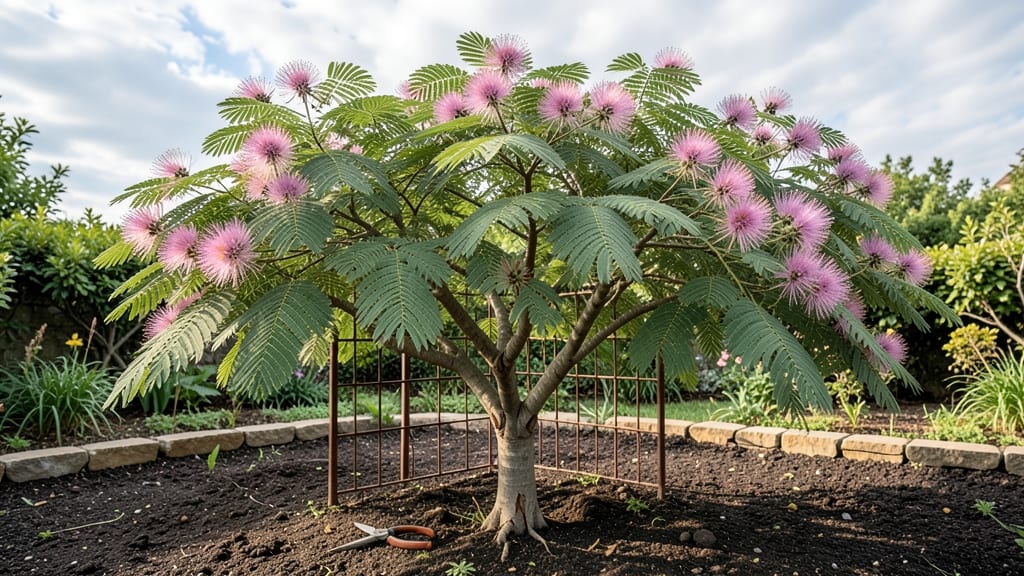
The vibrant mimosa plant flower—with its crimson petals dancing in summer breezes—is the Pacific Northwest’s secret weapon for bold, romantic gardens. key isn’t what you might expect: it’s all about drainage and timing.
Most gardeners struggle because they treat mimosas like tropical plants, but they actually crave cool nights and well-drained soil to prevent root rot.
The right spot makes all the difference: plant in full sun with sandy loam that drains fast, and avoid low-lying areas where water pools. In my own yard, the mimosa near the driveway blooms twice as long as the one in the shady corner—proof that sunlight is non-negotiable.
You’ll also want to mulch heavily to mimic their native conditions, keeping roots cool but never soggy.
By summer’s end, you’ll be rewarded with feathery pink plumes that sway in the breeze, attracting hummingbirds and adding drama to any landscape. The sensitive leaves of Mimosa pudica add a playful touch, while Albizia julibrissin’s fluffy blooms create a cloud-like effect.
Just be patient—these trees take 3-5 years to reach their full glory, but the payoff is worth every wait.
Whether you’re adding height to a mixed border or creating a focal point, mimosas adapt beautifully to urban gardens and coastal climates. The secret? Start small with a container-grown sapling, and you’ll have a thriving tree in no time—no nursery expertise required.
📚 In This Guide
- What you need
- Instructions
- Tips and common mistakes
- Wrapping up and next steps
What you need
- ● Mimosa pudica seeds (or cuttings if propagating): 1-2 packets (50-100 seeds) for a small patch; 3+ packets for a full garden bed.
- ● Well-draining potting mix: 1 cubic yard (or 5-10 gallons for containers). Look for a blend with 50-60% perlite or sand to prevent root rot.
- ● Garden bed or containers: Outdoor beds: 6-inch-deep, sunny (6+ hours/day) spots with loose, sandy soil (mimosa loves acidic to neutral pH 6.0-7.5).
- ● Containers: 5-gallon pots or larger (with drainage holes) for patios or balconies. Terracotta or fabric grow bags work best.
- ● Organic compost: 1-2 bags (for enriching soil with nitrogen and phosphorus).
- ● Mulch: Straw or pine needles (2-3 inches) to retain moisture and regulate temperature.
- ● Hand trowel or transplanting spade (for digging and spacing plants 12-18 inches apart).
- ● Garden gloves (to protect against sensitive mimosa leaves—they’re touch-sensitive!).
- ● Watering can or hose with a gentle spray nozzle (mimosa hates soggy roots!).
- ● Pruning shears (for trimming leggy stems or dead blooms).
- ○ pH testing kit (optional but helpful) to adjust soil pH if needed.
- ● Sunlight: Full sun (6+ hours/day). Mimosa thrives in Pacific Northwest’s dry summers but struggles in shady, damp winters.
- ● Watering routine: Deep watering 2-3 times/week (let soil dry slightly between waterings). Drought-tolerant once established!
- ● Frost protection: Wait until after the last frost (late May in most PNW zones) to plant outdoors. Use row covers if early blooms appear in fall.
- ● Patience: Seeds may take 2-4 weeks to germinate (or up to 6 weeks in cool PNW springs).
Step-by-step guide for cultivating Pacific Northwest mimosa trees
These striking crimson blooms demand patience and precision—but the payoff is worth every step.
Select and Prepare the Ideal Planting Site
Mimosa trees thrive in full sun with at least 6-8 hours of direct light daily, making them perfect for Pacific Northwest's long summer days. Choose a location with well-draining soil—these trees despise soggy roots. If your yard has heavy clay, amend the soil with 3-4 inches of compost before planting to improve aeration.
Here's the thing—mimosa trees grow fast, so give them space. Plant 15-20 feet away from structures or other plants to allow their sprawling habit to develop fully. I always dig a hole twice as wide as the root ball but only as deep as the container—burying the graft union too deep can stunt growth.
Plant at the Right Time and Depth
Spring is the best time to plant mimosa trees in the Pacific Northwest, after the last frost but before summer heat sets in. The ideal window is mid-April to early May, when soil temperatures reach 60°F or warmer. If planting in fall, do it 6-8 weeks before the first frost to allow roots to establish.
Remove the tree from its container and loosen the roots gently if they're circling. Place it in the hole so the top of the root ball sits level with the surrounding soil—never deeper. Backfill with native soil mixed with 1-2 inches of compost, then water deeply to eliminate air pockets. The soil should settle 1-2 inches after watering, so add more if needed.
Establish Proper Watering and Mulching Routines
Newly planted mimosa trees need deep watering twice weekly for the first 3 months, then taper to once weekly once established. Water slowly at the base—1-2 gallons per watering—until moisture reaches 12-18 inches deep. You'll know it's right when the soil feels damp but not saturated 6 inches down.
Spread 3-4 inches of mulch (wood chips or bark) around the base, keeping it 3 inches away from the trunk to prevent rot. This conserves moisture, regulates soil temperature, and suppresses weeds. Replenish mulch annually—it breaks down faster than you'd expect in Pacific Northwest's moist climate.
Prune Strategically for Health and Bloom
Prune mimosa trees in late winter or early spring before new growth begins. Remove 1/3 of the oldest stems at the base to encourage fresh, vigorous growth. Also trim back any dead, diseased, or crossing branches—this improves airflow and prevents fungal issues common in damp Pacific Northwest summers.
Here's where it gets fun: Mimosa trees bloom on new wood, so light pruning in summer after flowering encourages next year's blooms. Never prune in fall—you'll cut off next season's flower buds. Always use clean, sharp pruners and make cuts just above a leaf node or outward-facing bud for the best results.
Protect and Maintain Through Seasons
Pacific Northwest's mild winters usually spare mimosa trees from frost damage, but young trees benefit from wrapping the trunk with burlap if temperatures drop below 20°F. In summer, watch for spider mites—these trees are particularly susceptible. Treat infestations immediately with neem oil to prevent defoliation.
Fertilize lightly in early spring with a balanced 10-10-10 formula, applying 1/2 cup per inch of trunk diameter. Over-fertilizing leads to weak growth and fewer blooms—these trees prefer lean soil. Once established, mimosa trees need little maintenance beyond occasional pruning and water during droughts. With patience, you'll see those bold crimson pom-poms by midsummer.
Tips & tricks for perfect mimosa plant flower cultivation
These insights will help you navigate the nuances of growing Pacific Northwest mimosa trees—where timing, soil, and seasonal care make all the difference.
Site Selection Wisdom: While mimosa trees thrive in full sun with 6-8 hours of direct light, don't overlook microclimates in your yard. The Pacific Northwest's coastal areas often have cooler, foggier mornings—plant on the southern or western side of structures to maximize sunlight exposure. I've seen mimosa trees planted against north-facing walls struggle to bloom properly due to insufficient light during critical growth periods.
Planting Depth Precision: The instructions emphasize placing the root ball so its top sits level with surrounding soil, but here's the detail nobody mentions: Mimosa trees have sensitive graft unions near the base. If you bury this junction too deeply (more than 1 inch below soil level), it can cause the tree to develop multiple trunks or stunt its growth. Use a pencil to mark the graft union before planting as a visual reference.
Watering Technique: The recommended 1-2 gallons per watering for newly planted trees might seem excessive, but mimosa roots need to establish deep. Use a soil probe or long screwdriver to check moisture levels at 12-18 inches—this is how you'll know you're hitting the right depth. In Pacific Northwest's moist climate, overwatering is more common than underwatering, so always check soil dampness before watering rather than relying on a schedule.
Pruning Strategy: When removing 1/3 of the oldest stems in late winter, focus on the largest, thickest branches first. These stems have already served their purpose and removing them encourages new growth from the base. I've found that mimosa trees respond particularly well to this "rejuvenation pruning" every 2-3 years, which can dramatically increase both bloom quantity and size. Always sterilize your pruners with rubbing alcohol between cuts to prevent spreading disease.
Pro Tips for Mimosa Plant Flower
- These insights will help you navigate the nuances of growing Pacific Northwest mimosa trees—where timing, soil, and seasonal care make all the difference.
- Site Selection Wisdom: While mimosa trees thrive in full sun with 6-8 hours of direct light, don't overlook microclimates in your yard.
- Planting Depth Precision: The instructions emphasize placing the root ball so its top sits level with surrounding soil, but here's the detail nobody mentions: Mimosa trees have sensitive graft unions near the base.
Frequently asked questions
Got questions about growing mimosa plant flowers? You’re not alone! Here are answers to the most common queries—from timing to troubleshooting—so you can cultivate those stunning crimson blooms with confidence.
When is the best time to plant mimosa flowers in the Pacific Northwest?
The ideal window is late spring to early summer (May–June), after the last frost when soil temps hit 60°F+. Mimosa plants thrive in warm climates but can handle PNW summers if planted early. For container growing, extend the season by planting in late May and moving indoors before fall frosts.
How long does it take for mimosa flowers to bloom after planting?
With proper care, you’ll see first blooms in 6–8 weeks from transplanting, though full vigor (and those iconic pom-pom flowers) may take 2–3 months. For faster results, choose established nursery plants (1–2 feet tall) over seeds. Pro tip: Deadhead spent blooms to encourage continuous flowering!
Can mimosa plants survive PNW rain and cooler temps?
Mimosa flowers love heat but can tolerate light frosts (down to 25°F) if hardened off. In rainy PNW winters, grow them as annuals or overwinter indoors (keep in bright, cool light). Mulch heavily to protect roots, and avoid soggy soil—drainage is key!
What’s the best alternative if mimosa flowers don’t thrive in my garden?
If your soil or climate struggles with mimosa, try these PNW-friendly alternatives with similar bold blooms:
- Russian Sage (Perovskia atriplicifolia) – Drought-tolerant, purple spikes, thrives in heat.
- Salvia (Salvia nemorosa) – Vibrant red/purple flowers, loves full sun.
- Blanket Flower (Gaillardia) – Heat-resistant, long-blooming orange/red blooms.
Why are my mimosa flowers wilting or dropping buds?
Common culprits:
- Underwatering – Mimosa hates soggy roots but needs consistent moisture during blooming.
- Overcrowding – Space plants 3–4 feet apart for airflow (prevents fungal issues).
- Pests – Watch for aphids or spider mites on new growth. Spray with neem oil if needed.
- Nutrient deficiency – Yellow leaves? Feed with a balanced fertilizer (10-10-10) every 4–6 weeks.
Wrapping up and next steps
Growing mimosa plant flowers in the Pacific Northwest is absolutely doable—even for beginners! 🌸 With the right soil, sunlight, and care, these vibrant blooms will reward you with stunning crimson displays year after year. Whether you're a seasoned gardener or just starting out, the key is patience and consistency.
Ready to take the next step? Start by selecting your preferred variety—like the delicate Albizia julibrissin—and gather your supplies. Then, plant with confidence and watch your garden transform into a burst of color! 🌿