Flowers
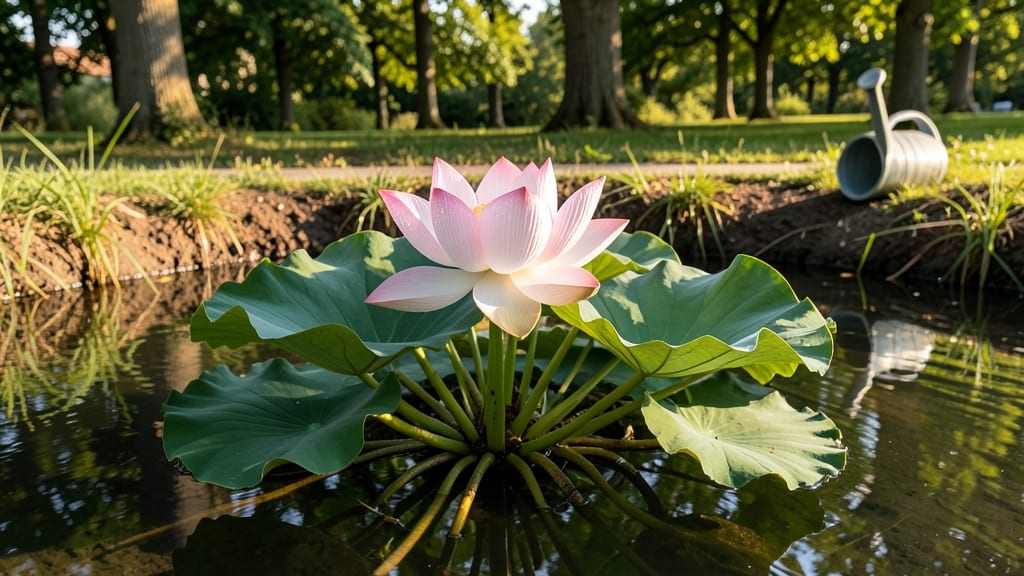
Growing miniature lotus flowers transforms any water feature into a living jewel box. 🌸 These delicate blooms thrive in containers or small ponds, bringing that serene, tropical vibe to even the tiniest backyard.
The secret lies in patience—those first blooms can take a season or two, but once they arrive, they reward you with pink, white, or yellow flowers that float like fairy lanterns on the water.
You’ll need a shallow container (at least 12 inches deep) or a pond with 6-12 inches of water, rich soil mixed with sand for drainage, and full sun for 6-8 hours daily.
Dwarf varieties like 'Mini Star' or 'Little Gem' stay compact, making them perfect for patios or small water gardens. The key is keeping the roots cool while the leaves bask in warmth—think of it like a spa day for your plants.
By midsummer, you’ll see those first buds emerge, followed by blooms that last 3-5 days each. The fragrance alone is worth the wait—sweet and subtle, like a whisper from another world.
And here’s the best part: once established, these lotuses spread gently, filling your water garden with elegant, low-maintenance beauty year after year.
Whether you’re working with a 5-gallon tub or a sunken pond, the same principles apply. We’ll cover how to adjust for containers, troubleshoot slow growth, and keep pests like aphids from crashing your lotus party. Let’s get those roots planted!
📚 In This Guide
- What you need
- Instructions
- Tips and common mistakes
- Wrapping up and next steps
What you need
- ● Miniature lotus tubers: 1–3 (depending on desired plant count; choose healthy, firm tubers with visible growth nodes).
- ● Growing medium: For containers: 5–10 gallons of aquatic soil mix (e.g., 50% peat moss, 30% perlite, 20% sand) or pre-made water garden soil.
- ● For ponds: Natural pond substrate (silt, clay, or sand) with a depth of 12–18 inches of water.
- ● Water source: Containers: Dechlorinated water (use a water conditioner like Seachem Prime or let tap water sit for 24 hours).
- ● Ponds: Stagnant or slow-moving water (avoid fast currents).
- ● Container (if not using a pond): A wide, shallow pot (12–18 inches in diameter) with drainage holes or a floating basket lined with mesh.
- ● Fertilizer: Slow-release aquatic fertilizer tablets (e.g., Osmocote Smart-Release Plant Food) or liquid pond fertilizer (follow label instructions).
- ● Gloves (to protect hands from soil or sharp tuber edges).
- ● Small hand trowel (for planting tubers gently).
- ● Water testing kit (to monitor pH—ideal range: 6.0–7.5 and ammonia/nitrite levels).
- ● Pebbles or gravel (for container drainage or pond aesthetics).
- ○ Floating plants (e.g., water lilies or duckweed; optional for pond shading).
- ○ Solar-powered pond aerator (optional for containers to maintain oxygen levels).
Step-by-Step instructions for cultivating miniature lotus flowers
Here's how to coax those delicate blooms from seed to container or pond.
🌱 Step 1: Prepare the Water Environment
Miniature lotus thrive in 6-12 inches of water—shallow enough for roots to access oxygen but deep enough to keep foliage submerged. For containers, use a wide, shallow basin (at least 12 inches in diameter) with pre-planted aquatic soil at the bottom. Pond growers should place plants in 4-6 inches of water where they'll receive full sun for 6+ hours daily.
I always add a layer of gravel (about 2 inches deep) beneath the soil to prevent root rot—lotus roots are sensitive to waterlogged conditions. The gravel also mimics their natural riverbed habitat. If using a container, ensure it has multiple drainage holes covered with mesh to keep soil in place while allowing water circulation.
🌱 Step 2: Plant Seeds or Tubers Correctly
Miniature lotus can be grown from seeds, tubers, or rhizomes, but tubers are the fastest method. Plant tubers 1-2 inches below the soil surface in early spring (after last frost) or late summer (for fall blooms). Press them gently into the soil—don’t bury them too deep, or they’ll struggle to sprout.
If starting from seed, soak them in lukewarm water for 24 hours first—this softens the tough outer shell and speeds germination. Plant seeds ½ inch deep in moist soil, then cover the container with clear plastic wrap to retain humidity. Keep them in indirect light until sprouts appear (3-6 weeks). Real talk: Seed-grown lotus take 2-3 years to bloom, while tubers often flower in their first season.
☀️ Step 3: Provide Ideal Light and Temperature
Miniature lotus demand full sun—no compromises. Place containers in a south-facing spot or move them to a pond’s deepest, sunniest area. Without enough light, stems grow leggy and flowers stay small. I’ve seen them thrive in 75-85°F water temperatures, but they tolerate down to 50°F if grown in containers (just bring them indoors during frost).
Watch for yellowing leaves—this usually means too much shade or nutrient deficiency. If leaves float too high above the water, gently weigh them down with small stones (lotus need their foliage submerged to prevent scorching). In containers, I use a floating plant mat to keep leaves submerged without damaging stems.
💧 Step 4: Fertilize and Maintain Water Quality
Feed plants monthly with aquatic fertilizer (high in phosphorus and potassium) from spring to fall. I use a slow-release tablet placed in the soil—this prevents algae blooms that compete for nutrients. Over-fertilizing causes excessive leaf growth at the expense of flowers, so follow package rates precisely.
Change 20% of the water weekly to prevent stagnation. Stagnant water breeds fungus gnats and algae, which smother roots. In ponds, add a small fountain or aerator to keep water moving—lotus roots need oxygen, and still water suffocates them. You’ll know your water’s balanced when leaves stay crisp and green, not slimy or spotted.
✂️ Step 5: Prune and Overwinter for Next Season
After blooming, cut back dead flowers (but leave seed pods if you want more plants). In fall, reduce fertilization and gradually reduce water levels by 1 inch per week until roots are exposed. For containers, store tubers in a cool, dark place (like a garage) with barely moist soil until spring. Pond lotus can stay submerged year-round in zones 5-10, but in colder areas, lift them and store like container plants.
Here’s the thing—lotus multiply quickly. Divide tubers every 2-3 years in early spring by gently separating clumps with a knife. Each division needs at least one bud to regrow. Plant divisions in fresh soil to prevent disease spread. With proper care, your miniature lotus will reward you with year-after-year blooms—just don’t skip the winter prep!
Tips & tricks for perfect miniature lotus cultivation
These insider techniques will help you coax those delicate blooms to life—whether in containers or ponds.
Water Depth Precision: The 6-12 inch water range in Step 1 is non-negotiable for miniature lotus. Too shallow and roots won't get enough oxygen; too deep and foliage won't stay submerged properly. I've found that using a clear container lets you visually monitor water levels more easily. For containers, mark the sides with tape at 6 and 12 inches to track adjustments—especially important during seasonal temperature swings that affect water expansion.
Gravel Layer Technique: That 2-inch gravel layer beneath the soil in Step 1 isn't just decorative—it's essential for preventing root rot. I recommend using smooth river rocks (not sharp gravel) to avoid damaging delicate rhizomes. For containers, place a mesh screen over the drainage holes before adding gravel to prevent soil loss while maintaining proper water circulation. This mimics their natural habitat where riverbeds provide both support and oxygen flow.
Seed Soaking Strategy: The 24-hour lukewarm water soak for seeds in Step 2 is your secret weapon for faster germination. Use distilled water if possible—tap water's chlorine can inhibit seed softening. I've seen germination rates double when using this method compared to dry planting. After soaking, plant immediately rather than storing—seeds can develop mold if left too long in water. For best results, soak overnight and plant first thing in the morning.
Sunlight Monitoring: The full sun requirement in Step 3 means you'll need to be vigilant about positioning. I've had containers placed near windows with "full sun" labels that still produced weak stems—turns out the glass filtered too much light. For containers, rotate them weekly to ensure even sun exposure. In ponds, place them where water depth is greatest (4-6 inches) as this naturally collects more sunlight. Watch for leaves growing toward the light source—a sure sign of insufficient light distribution.
Pro Tips for Miniature Lotus Flower
- These insider techniques will help you coax those delicate blooms to life—whether in containers or ponds.
- Water Depth Precision: The 6-12 inch water range in Step 1 is non-negotiable for miniature lotus.
- Gravel Layer Technique: That 2-inch gravel layer beneath the soil in Step 1 isn't just decorative—it's essential for preventing root rot.
Frequently asked questions
Got questions about growing or caring for miniature lotus flowers? You’re not alone! Here are answers to the most common queries to help you cultivate these delicate beauties with confidence.
How long does it take for a miniature lotus to bloom?
A miniature lotus typically takes 3–5 months to bloom after planting, depending on water temperature, sunlight, and growing conditions. In warmer climates (70–85°F), blooms may appear faster, while cooler water can delay flowering. Patience is key—these flowers reward persistence with stunning, short-lived blooms (usually just one day!).
Can I grow a miniature lotus in a container instead of a pond?
Miniature lotuses thrive in deep containers (12+ inches) with at least 6 inches of water and a nutrient-rich substrate (like clay or aquatic soil). Use a floating planter or a pot with drainage holes to prevent root rot. Ensure the container gets full sun (6+ hours daily) and refresh the water weekly to mimic pond conditions.
Are miniature lotuses toxic to pets or wildlife?
While lotus plants aren’t highly toxic, their roots and tubers contain alkaloids that can cause mild stomach upset if ingested in large quantities. Keep them out of reach of curious pets or wildlife, especially if your garden is near water sources where animals drink. Opt for pet-safe alternatives like water hyacinths if safety is a concern.
How do I overwinter miniature lotus tubers?
Miniature lotuses are tender perennials and need protection in cold climates. Before frost, dig up tubers, trim dead foliage, and store them in a cool, dry place (40–50°F) with slightly damp peat moss or sand. Replant in late spring once water temperatures rise above 60°F. Avoid refrigeration—it can cause rot!
Why aren’t my miniature lotus leaves turning green?
Pale or yellowing leaves often signal nutrient deficiency, poor lighting, or root issues. Check your water quality—lotuses need clean, stagnant water (not flowing). Add a balanced aquatic fertilizer monthly and ensure leaves get direct sunlight. If roots look mushy, repot in fresh substrate to prevent rot.
Wrapping up and next steps
Growing a miniature lotus flower is a rewarding journey that brings serenity and beauty to any space—whether a cozy container or a tranquil pond. 🌸 With the right care, patience, and attention to water quality, light, and nutrients, you’ll soon be greeted by delicate blooms that symbolize purity and resilience. Don’t let challenges discourage you—each step, from soil prep to pruning, brings you closer to that magical first bloom!
Ready to dive deeper? Start small:
- Pick a sunny spot and prep your container or pond.
- Plant your first tuber and watch your green thumb grow!