
Pests
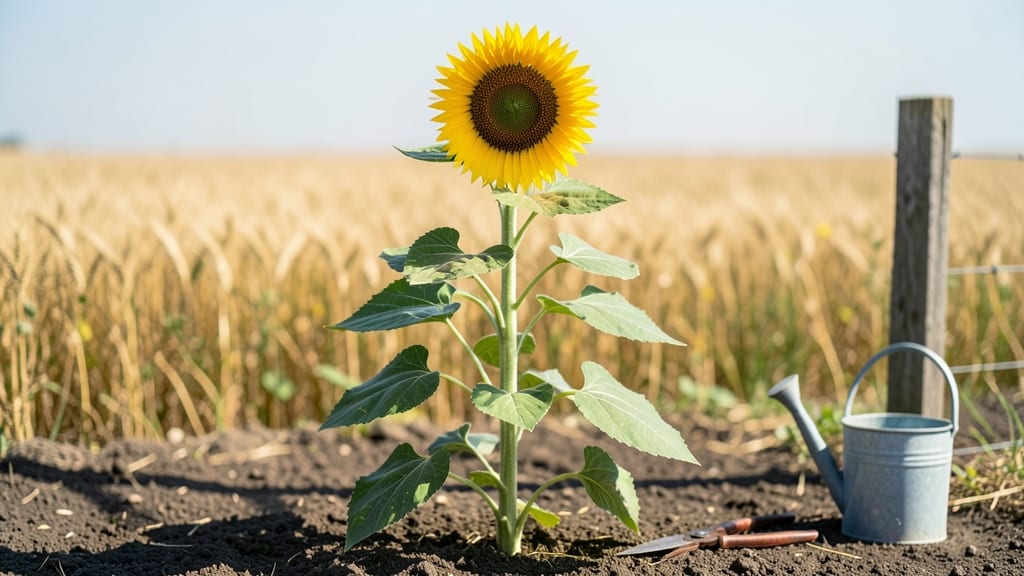
The Moulin Rouge sunflower brings bold drama to Pacific Northwest gardens with its fiery red petals and towering presence. 🌻 I fell in love with it the first time I spotted one in a Seattle garden—it stood out like a spotlight in a sea of muted greens.
This sunflower isn’t just frost-resistant; it’s a showstopper that thrives where others falter, adding height and color even in cooler climates.
What makes it special is how it pairs with other plants. Its deep red blooms contrast beautifully with silver foliage like lamb’s ear or dusty miller, while purple coneflowers and black-eyed Susans echo its boldness.
In mixed borders, it anchors the back of the bed, drawing the eye upward while providing seasonal interest from midsummer through frost. The petals even attract pollinators, making it a functional stunner.
You’ll love how it transforms a plain flower bed into a focal point. Imagine it lining a pathway or framing a patio—its height creates natural vertical interest, and the vibrant color pops against softer hues.
For maximum impact, plant it in odd-numbered groupings (like threes or fives) to create a balanced, eye-catching display that feels intentional, not random.
This sunflower also works as a cut flower, bringing that same bold color indoors. Just be sure to stake it early—its height (up to 8 feet) can make it top-heavy without support.
Whether you’re designing a cottage garden or a modern landscape, the Moulin Rouge sunflower delivers drama without the fuss.
📚 In This Guide
- What you need
- Instructions
- Tips and common mistakes
- Wrapping up and next steps
What you need
- ● Seeds: Moulin Rouge sunflower seeds (1–2 oz packet, ~50–100 seeds). Look for organic or heirloom varieties for best results.
- ● Growing containers or garden bed: Containers: 12–18" deep pots (3–5 per plant, with drainage holes). Use fabric pots or self-watering containers for moisture control.
- ● Garden bed: Well-draining soil in a sunny spot (6+ hours of light daily). Amend clay soil with compost or perlite.
- ● Potting mix: High-quality, sterile seed-starting mix (1–2 bags, 1–2 cubic feet each). Avoid garden soil—it may harbor pests or diseases.
- ● Fertilizer: Seedling stage: Balanced liquid fertilizer (5-5-5 or 10-10-10, diluted to half-strength).
- ● Growth stage: Low-nitrogen, phosphorus-rich fertilizer (e.g., 5-10-10 or compost tea).
- ● Hand trowel or transplanting spade (for planting seeds or seedlings).
- ● Watering can or hose with gentle spray nozzle (to avoid disturbing seedlings).
- ○ Grow lights (optional but helpful)—LED or fluorescent bulbs (12–16 hours/day) if starting indoors before last frost.
- ● Row covers or frost cloth (lightweight, breathable fabric) to protect young plants from late frosts (Pacific Northwest-specific!).
- ● Pest control tools: Neem oil spray (for aphids or spider mites).
- ● Sticky traps (to monitor for whiteflies).
- ● Diatomaceous earth (food-grade, for soil-dwelling pests).
- ● Timing: Start seeds indoors 6–8 weeks before last frost (typically late March–early April in PNW). Transplant outdoors after soil reaches 50°F+.
- ● Location: Choose a site with full sun and shelter from strong winds (sunflowers can topple!).
- ● Soil prep: Test soil pH (ideal: 6.0–7.0). Add compost or aged manure 2–3 weeks before planting.
Step-by-Step guide to growing Moulin Rouge sunflowers in the Pacific Northwest
Here's how to coax these bold blooms to thrive when temperatures dip.
🌱 Step 1: Choose the Perfect Planting Spot
Moulin Rouge sunflowers need full sun—at least 6-8 hours daily—but their real secret in the Pacific Northwest is frost tolerance. Pick a location sheltered from strong winds, like near a fence or building. The soil should drain well since these sunflowers hate soggy roots.
I always test drainage by digging a 6-inch hole, filling it with water, and watching how fast it drains. If water pools after 30 minutes, amend the soil with 2-3 inches of compost to improve structure. These sunflowers grow 6-8 feet tall, so give them 2 feet of space between plants to prevent crowding.
🌱 Step 2: Plant at the Right Time and Depth
Start seeds indoors 4-6 weeks before your last frost date (usually mid-April in the PNW) or sow directly outdoors 2-3 weeks after frost. Moulin Rouge sunflowers germinate best in soil temperatures above 55°F, so wait until nighttime lows stay above 40°F. Plant seeds ½ inch deep—they won’t tolerate being buried too deeply.
I like to pre-soak seeds overnight to speed up germination. Once sprouted, thin seedlings to 1 plant every 2 feet to give roots room to spread. If you’re transplanting, handle seedlings gently—they have delicate taproots that break easily. Water deeply after planting to settle the soil around the roots.
☀️ Step 3: Provide Support and Frost Protection
These sunflowers grow tall but can get top-heavy, especially in windy PNW conditions. Install stakes or cages (like the 3-foot tall tomato cages I use) at planting time to prevent flopping. Bury the stake halfway to avoid damaging roots later.
For early spring or fall plantings, use row covers or frost blankets on nights below 32°F. Moulin Rouge sunflowers can handle light frosts, but their vibrant red blooms develop best in warm, sunny conditions. Watch for buds forming—this is your cue to protect them if frost is forecasted.
💧 Step 4: Water and Fertilize for Bold Blooms
Water deeply once a week, aiming for 1 inch of water total. Let the top 2 inches of soil dry out between waterings to prevent fungal issues. Mulch around the base with 2-3 inches of straw to retain moisture and keep roots cool in summer.
Fertilize lightly with a balanced 10-10-10 formula at planting and again when buds form. Too much nitrogen makes plants grow leafy but few flowers. I’ve found Moulin Rouge sunflowers respond best to low fertilizer—they’re not heavy feeders like some varieties. Stop fertilizing once blooms appear to encourage strong stems.
✂️ Step 5: Enjoy and Extend the Season
Cut blooms in the morning when petals are fully open for the longest vase life. Leave some stems in the garden to attract pollinators like bees and butterflies. Moulin Rouge sunflowers often reseed themselves, so you might see volunteers popping up next year—just thin them to the strongest plants.
To extend the season, deadhead spent blooms by snipping stems just above a set of leaves. This encourages more flowers and keeps plants looking tidy. If frost threatens before seeds mature, cover the heads with a paper bag to protect them for harvest. Their deep red hue makes them a standout in winter arrangements!
Tips & tricks for growing Moulin Rouge sunflowers
Here's what I've learned from years of growing these stunning sunflowers in the Pacific Northwest's unpredictable climate.
Site Selection Secret: The 6-8 hours of daily sun requirement is non-negotiable, but I've found the frost tolerance really shines when planted near south-facing walls or fences. These spots get extra warmth from reflected sunlight while still providing wind protection. In my garden, the sunflowers near the brick wall consistently bloom a week earlier than those in open areas.
Germination Game-Changer: That 55°F soil temperature threshold is crucial, but I've discovered pre-soaking seeds overnight in warm water (not hot) gives them a 24-hour head start. The seeds germinate within 3-5 days instead of the usual 7-10. Just make sure to plant them immediately after soaking—they won't keep well once sprouted.
Support System Strategy: When installing those 3-foot tall tomato cages in Step 3, I bury them halfway to create a sturdy anchor. For extra insurance in windy areas, I tie the cages together with garden twine in groups of three. This creates a mini windbreak that protects all three plants simultaneously. The stakes should be installed at planting time—waiting until the plants are taller makes root disturbance more likely.
Frost Protection Hack: While row covers work well, I've found that placing a simple plastic milk jug (with the bottom cut out) over individual buds during frost warnings works just as effectively. The jugs create microclimates that protect the developing blooms while still allowing sunlight through. Remove them when temperatures rise above 32°F to prevent overheating.
Pro Tips for Moulin Rouge Sunflower
- Here's what I've learned from years of growing these stunning sunflowers in the Pacific Northwest's unpredictable climate.
- Site Selection Secret: The 6-8 hours of daily sun requirement is non-negotiable, but I've found the frost tolerance really shines when planted near south-facing walls or fences.
- Germination Game-Changer: That 55°F soil temperature threshold is crucial, but I've discovered pre-soaking seeds overnight in warm water (not hot) gives them a 24-hour head start.
Frequently asked questions
Got questions about the Moulin Rouge sunflower? You’re not alone! Whether you’re a first-time gardener or a seasoned grower, these answers will help you navigate pests, care, and everything in between.
What makes the Moulin Rouge sunflower resistant to Pacific Northwest frost?
The Moulin Rouge variety thrives in cooler climates thanks to its deep red, velvety petals that protect its core from early frost damage. Its sturdy stem and compact growth (3–4 feet tall) also help it withstand chilly nights better than taller, more delicate varieties. Planting in late spring (after the last frost) ensures optimal resilience.
Can Moulin Rouge sunflowers survive light frost after blooming?
While they’re frost-resistant during growth, fully bloomed Moulin Rouge sunflowers can’t handle frost. A light freeze (<32°F) may damage petals, but the plant itself often recovers. For late-season protection, cover young blooms with frost cloth or move potted plants indoors if temperatures drop below 28°F.
What pests commonly attack Moulin Rouge sunflowers, and how do I prevent them?
Watch for aphids, sunflower moths, and spider mites—they love the sweet nectar! Prevent pests with:
- Neem oil spray (weekly preventive treatment).
- Row covers for young plants to block moths.
- Handpick large pests (like beetles) in the morning.
How do I extend the blooming season for Moulin Rouge sunflowers?
To keep those dramatic red blooms lasting longer:
- Deadhead spent flowers regularly to encourage new buds.
- Water deeply (1–2 inches per week) but avoid soggy soil.
- Fertilize lightly with a balanced 10-10-10 mix when planting.
Are there alternatives to Moulin Rouge if I want a similar look but with better pest resistance?
Yes! Try these disease-resistant, frost-tolerant sunflower varieties:
- ‘Autumn Beauty’ – Striped blooms, great for cut flowers.
- ‘Russian Giant’ – Tall (10+ feet), sturdy, and aphid-resistant.
- ‘Teddy Bear’ (dwarf) – Compact, cheerful, and low-maintenance.
Wrapping up and next steps
The Moulin Rouge sunflower isn’t just a stunning addition to your garden—it’s a resilient one, thriving even in the chilly Pacific Northwest climate while keeping pests at bay. 🌻 Its vibrant petals and low-maintenance charm make it a winner for both beginners and seasoned gardeners alike.
Ready to bring this beauty to life? Start by gathering your supplies, then dive in with confidence! Plant one today, and watch your garden bloom with bold, pest-resistant elegance.