
Planting
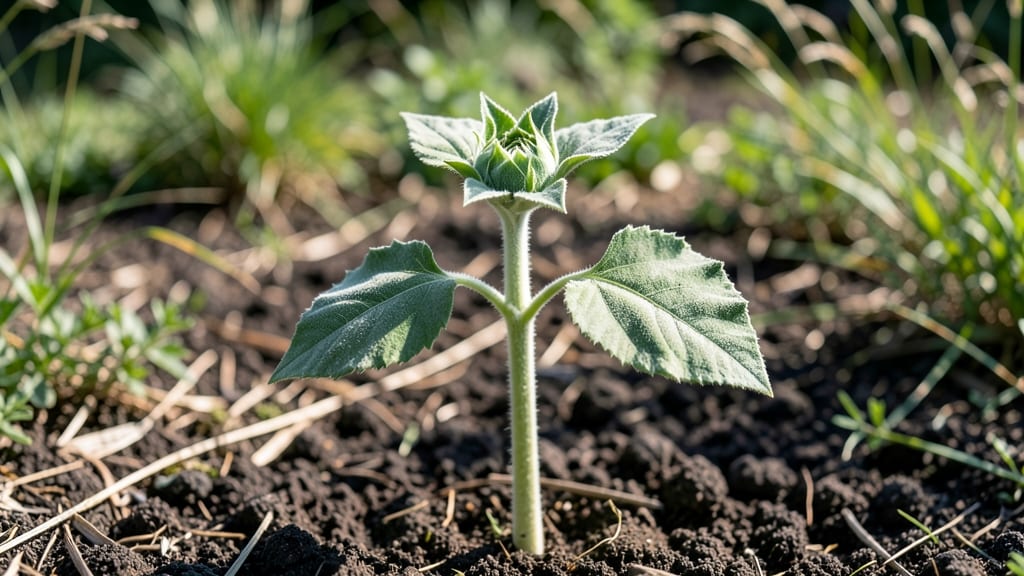
Watch a new sunflower plant shoot from seed to towering blooms in just three weeks—faster than most vegetables, and with less fuss. 🌻 I’ve seen my own seedlings break through the soil like tiny green rockets, and the secret isn’t complicated: it’s all about the soil warmth, consistent moisture, and a little patience.
Most beginners overthink it, but sunflowers are shockingly forgiving once you know their basic needs.
The magic starts with a sunny spot—at least 6-8 hours of direct light daily—and soil that drains well but holds moisture. You’ll need a packet of seeds (or a nursery transplant), a trowel, and a watering can.
Plant seeds 1 inch deep, about 6 inches apart, and keep the soil damp but never soggy. Within days, you’ll see those first leaves unfurling, and by summer, you’ll have stems taller than you are.
By midseason, you’ll be harvesting 12-foot giants with blooms that turn heads and feed pollinators. The stems are sturdy, the growth is relentless, and even a small patch yields enough seeds for next year. The only real challenge? Keeping squirrels off the seeds—but that’s half the fun of gardening.
Works for containers, raised beds, or open ground, and thrives in zones 3-11. Here’s how to avoid the common pitfalls—like leggy stems or slow starts—and keep your sunflowers reaching for the sky.
📚 In This Guide
- What you need
- Instructions
- Tips and common mistakes
- Wrapping up and next steps
What you need
- ● Sunflower seeds: Choose fast-germinating varieties like 'Mammoth' or 'Autumn Beauty' (10–20 seeds per plant, depending on spacing).
- ● Planting containers or garden bed: For containers: 12–18" deep pots (1–2 seeds per pot).
- ● For garden beds: Loose, well-draining soil with full sun (6+ hours/day).
- ● Potting mix or garden soil: Lightweight, nutrient-rich mix (avoid heavy clay).
- ● Watering can or hose: With a gentle spray nozzle for seedlings.
- ● Plant labels: To track varieties and planting dates.
- ● Seedling heat mat: Speeds up germination (especially in cool climates).
- ● Grow lights: If starting indoors before last frost.
- ● Fertilizer: Balanced 10-10-10 or compost for established plants.
- ● Stakes or trellis: For tall varieties (6+ feet) to prevent toppling.
- ● Mulch: Straw or shredded leaves to retain moisture.
Step-by-step instructions for growing sunflowers from seeds
Here's how to get those towering blooms off to a lightning-fast start—sunflowers don't get much easier than this.
🌱 Step 1: Soak Seeds to Jumpstart Germination
Sunflower seeds have tough outer shells that slow germination. Drop 4 seeds into a bowl of lukewarm water and let them soak for 8-12 hours. The reason we soak first is that the outer coating slows germination, and a good soak softens it considerably. You'll see tiny cracks in the seed coats after soaking—that's your signal they're ready.
While soaking, prepare your planting area. Sunflowers need deep roots, so dig holes 1 inch deep—about twice the seed diameter. Space them 6 inches apart in rows 18 inches apart for proper airflow. If planting in containers, choose pots at least 12 inches deep with drainage holes.
💧 Step 2: Plant and Water for Immediate Moisture
After soaking, gently squeeze each seed between your fingers to remove excess water—don't let them sit in puddles. Plant them 1 inch deep in well-drained soil. Press the soil lightly around each seed to ensure good contact, but don't compact it. You want roots to push through easily, not fight dense soil.
Water immediately after planting with ½ inch of water to settle the soil and trigger germination. Keep the soil consistently moist but not soggy—sunflower seedlings hate sitting in water. A good rule is to water when the top 1 inch of soil feels dry. You'll see sprouts in as few as 3-10 days, depending on warmth.
☀️ Step 3: Provide Full Sun and Watch for First Leaves
Sunflowers need full sun (6-8 hours daily) to grow strong and tall. Place your seedlings in the sunniest spot possible—even partial shade will cause them to stretch and weaken. If starting indoors, move them to a sunny windowsill or under a grow light within 24 hours of germination.
Once the first true leaves (not the initial seed leaves) appear, thin your seedlings to the strongest 2 plants per location. Snip the weaker stems at the base with clean scissors—don't pull, or you'll disturb the roots of the remaining plants. This ensures they have room to grow without competing for nutrients.
🌿 Step 4: Fertilize and Monitor for Towering Growth
When seedlings reach 4-6 inches tall, apply a balanced fertilizer (10-10-10) at half strength. Sunflowers are heavy feeders, but too much fertilizer too soon causes weak stems that flop. Mix the fertilizer into the top 2 inches of soil and water deeply to help roots absorb it.
Watch for signs of overwatering—yellowing leaves or wilting despite moist soil means you're watering too much. Sunflowers need 1-1½ inches of water per week, but they can handle dry spells better than soggy soil. Mulch around the base with 2 inches of organic mulch to retain moisture and suppress weeds.
⏰ Step 5: Support Stems and Harvest at Peak Bloom
As sunflowers grow, their stems may need support—especially in windy areas. Install stakes or cages when plants reach 3 feet tall and tie stems loosely with soft fabric. Avoid wire ties, which can cut into the stem as it thickens. You'll see buds form about 6-8 weeks after planting, signaling the final growth phase.
Harvest when the back of the petals turns yellow and the flower head feels heavy in your hand—that's peak maturity. Cut the stem 6 inches below the bloom with sharp shears. Hang dried sunflowers upside down in a dark, dry place for 2-3 weeks to fully cure seeds. Here's the thing—sunflowers grow fast, but patience at the end ensures the best seeds for next year.
Tips & tricks for perfect sunflower growth
Sunflowers reward patience, but these little details make all the difference between struggling seedlings and towering giants.
Soaking Secret: The 8-12 hour soak isn't just about softening shells—it's about hydration. Use room-temperature water (not hot) to avoid shocking the seeds. I place a small plate under my bowl to catch any seeds that might float away during soaking. After squeezing excess water, pat them dry with a paper towel before planting. This prevents waterlogged seeds that could rot instead of sprouting.
Planting Depth Precision: That 1-inch planting depth matters more than you'd think. Too shallow, and seeds dry out; too deep, and they struggle to surface. Use a ruler to verify depth—press the soil firmly around the seed after planting to create good soil contact, but avoid compacting it. Think of it like tucking a seed into a cozy nest rather than burying it.
Sunlight Strategy: The 6-8 hours of daily sun requirement is non-negotiable, but here's what nobody tells you: Morning sun is gentler than afternoon heat. If you're starting indoors, position seedlings near a south-facing window where they'll get the most consistent light. Rotate pots daily so they don't lean toward the light source. This prevents those leggy, weak stems that can't support their own weight later.
Watering Wisdom: That ½ inch of initial water after planting should be your baseline, but timing matters more than quantity. Water in the morning so excess moisture evaporates during the day rather than sitting on leaves overnight. When checking soil moisture, stick your finger in about 1 inch deep—if it feels dry at that level, it's time to water. Sunflowers are drought-tolerant once established, but seedlings need consistent moisture to prevent stress cracks.
Pro Tips for New Sunflower Plant
- Sunflowers reward patience, but these little details make all the difference between struggling seedlings and towering giants.
- Soaking Secret: The 8-12 hour soak isn't just about softening shells—it's about hydration.
- Planting Depth Precision: That 1-inch planting depth matters more than you'd think.
Frequently asked questions
Got questions about growing your own sunflower plants?
You’re not alone! Here are answers to the most common queries to help you cultivate stunning, fast-germinating sunflowers with ease.
How long does it take for sunflower seeds to germinate?
Sunflower seeds typically sprout within 7–14 days after planting, depending on soil temperature and moisture. For faster results, keep the soil warm (around 70°F or 21°C) and consistently damp. If germination takes longer than two weeks, check seed viability or adjust your planting conditions.
Can I grow sunflowers from store-bought seeds?
Store-bought sunflower seeds (even those from packaged snacks) can sprout, but opt for heirloom or hybrid seeds from a nursery for better growth and taller blooms. Rinse seeds thoroughly to remove any salt or seasoning before planting.
How soon will my sunflower plants bloom?
Most sunflower varieties bloom 8–12 weeks after germination, depending on the type. Dwarf varieties may flower faster (6–8 weeks), while giant varieties can take up to 14 weeks. Plant in full sun and provide consistent water to encourage timely blooming.
Why aren’t my sunflower seeds sprouting?
Common culprits include cold soil, overwatering, or old seeds. Try these fixes:
- Warm the soil with black plastic or a heat mat.
- Plant seeds 1–2 inches deep in well-draining soil.
- Test seed viability by soaking them in water—floaters are likely nonviable.
Are sunflowers annual or perennial?
Sunflowers are annuals, meaning they complete their life cycle in one growing season. However, in warm climates, some varieties may self-seed for the next year. Save seeds from healthy plants to replant and enjoy sunflowers year after year!
Wrapping up and next steps
Growing a new sunflower plant from fast-germinating seeds is a rewarding experience that brings vibrant beauty and joy to your garden! 🌻 With the right soil, sunlight, and care, you’ll soon be watching those towering blooms reach for the sky.
Whether you’re a seasoned gardener or a beginner, these cheerful giants are a fantastic way to add color and life to your outdoor space.
Now that you’re armed with tips and answers to common questions, it’s time to get planting! Grab your seeds, pick a sunny spot, and let nature do its magic. Happy gardening—your sunflowers will thank you with a dazzling display! 🌱✨