Tools
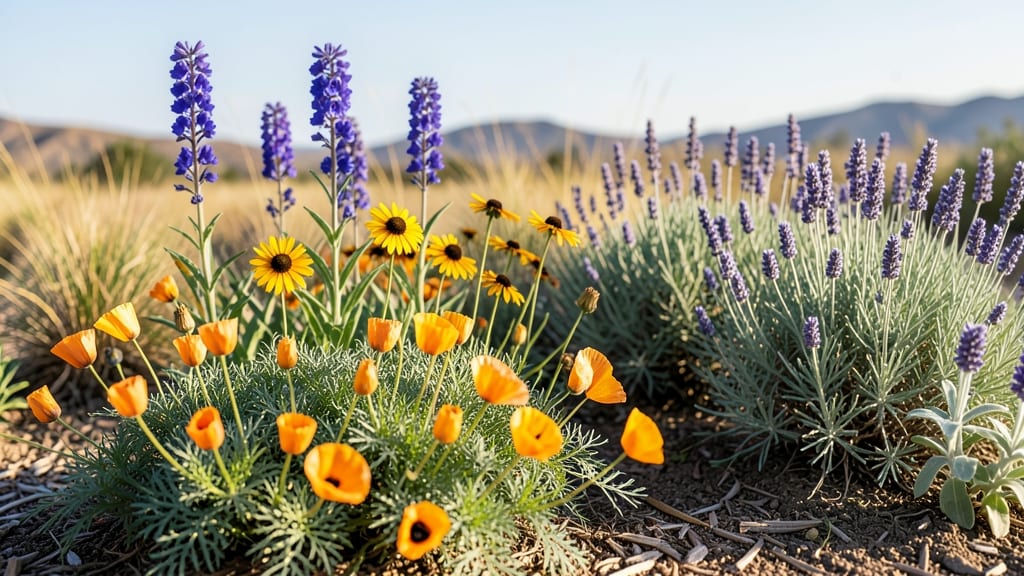
A Pasadena flower garden thrives when it embraces the city’s sun-drenched, drought-smart ethos—where every bloom feels like a celebration of Southern California’s Mediterranean charm. 🌸 The secret isn’t fighting the climate but working with it: choosing plants that sip water like desert natives while packing in color from January to December.
Think lavender’s silvery-blue spikes swaying against the backdrop of a stucco wall, or the fiery orange of California poppies dotting a sloped bed with zero fuss.
My own garden stays lush without extra watering by mixing succulents like agave with flowering perennials like ceanothus—both thrive in Pasadena’s dry summers and still bring bees buzzing. The layout? Curved beds mirror the rolling hills of the San Gabriel Mountains, while raised planters add height and drama.
What you’ll end up with is a garden that looks intentional, not labor-intensive—where the scent of evening primrose drifts through the air at dusk and the hum of pollinators never stops.
Even in winter, you’ll have blooms: snapdragons, sweet alyssum, and the occasional surprise like a hardy fuschia. The best part? Your water bill stays low while your curb appeal stays high.
This works for any Pasadena home, from mid-century modern yards to historic bungalows—just swap out a few plants for your specific microclimate (coastal? Add more ice plants). Let’s design a garden that feels like home, not a chore.
📚 In This Guide
- What you need
- Instructions
- Tips and common mistakes
- Wrapping up and next steps
What you need
- ● Drought-tolerant plants: 10–15 native or adapted varieties (e.g., California poppies, lavender, succulents, or Ceanothus). Soil amendments: 2–3 bags of compost (e.g., Espoma or Fox Farm Ocean Forest) to improve drainage. Mulch: 5–10 cubic feet of wood chips or gravel to retain moisture and suppress weeds. Drip irrigation system: 50–100 feet of tubing, emitters, and a timer (e.g., Rain Bird or Netafim). Hand tools: Trowel, pruners, and a garden fork for planting and maintenance.
- ○ Measuring tape (for layout planning). Wheelbarrow (for hauling soil and mulch). Garden gloves (to protect your hands). Optional: Soil moisture meter (to track water needs) or a hose nozzle with adjustable spray settings.
- ● Sunlight assessment: Note areas with full sun (6+ hours/day) or partial shade for plant placement. Water source: Ensure access to a hose or irrigation setup near your garden. Permits: Check with Pasadena’s Bureau of Water and Power if modifying irrigation or landscaping.
Step-by-Step guide for designing your Pasadena flower garden
Here's how to create a vibrant, waterwise garden that thrives in Southern California's climate.
🌱 Step 1: Plan Your Planting Zones
Pasadena's microclimates mean some spots get morning sun while others stay shaded all day. I always start by mapping my yard into three zones: full sun (6+ hours), partial shade (3-6 hours), and full shade (under 3 hours). Use a garden flag or spray paint to mark these areas—you'll thank yourself later when you're not guessing where to plant.
For year-round color, dedicate your sunniest spots to drought-tolerant perennials like lavender and California poppies. These handle our dry summers beautifully. Shadier areas can feature shade-loving annuals that bloom through winter. I sketch a rough layout first—this helps visualize how plants will mature and fill in over time.
☀️ Step 2: Select Native and Drought-Tolerant Plants
Pasadena's Mediterranean climate thrives with native plants that naturally conserve water. Start with California buckwheat for bold purple blooms, yarrow for flat-topped yellow clusters, and clematis for vertical interest. These plants have deep roots that reach water deep underground, making them perfect for our dry seasons.
I always include at least one romneya coulteri (matilija poppy) for its fragrant white blooms and toyons (California holly) for evergreen structure. These plants handle our hot summers with ease. For color through winter, add California fuchsia and lupines—they'll bloom when many other plants rest.
💧 Step 3: Prepare Soil and Install Drip Irrigation
Pasadena's native soil often compacts easily, so I always amend with 3-4 inches of compost mixed into the top 12 inches. This improves drainage while holding moisture for roots. For new plantings, I create a basin around each plant to direct water exactly where it's needed—this mimics natural rainfall patterns and prevents runoff.
Install a drip irrigation system with emitters spaced 12-18 inches apart. Set your controller for deep watering 2-3 times per week rather than daily shallow watering. This encourages deep root growth, which is exactly what drought-tolerant plants need. I always bury the main lines and only leave the emitters visible—it looks cleaner and protects the system from damage.
✂️ Step 4: Mulch and Maintain Year-Round
Spread 3-4 inches of wood chip mulch around all plants, keeping it 2-3 inches away from stems to prevent rot. This mulch layer keeps soil cool in summer and retains moisture for longer. I refresh it annually in spring, adding new chips to maintain the depth. For flowering plants, I remove spent blooms regularly—this encourages continuous flowering rather than one big burst.
Pasadena's mild winters mean some plants may bloom year-round if conditions are right. I always check for pests after winter rains and prune leggy growth in early spring. The key is to prune just after flowering for most perennials—this keeps them compact and encourages bushier growth. For succulents and cacti, I never water more than absolutely necessary, even in winter.
Tips & tricks for perfect Pasadena flower garden design
Creating a stunning Pasadena garden isn't just about planting—it's about understanding how to make the most of our unique climate and soil.
Sun Mapping Matters: In Step 1, when you're mapping your planting zones, I recommend using a simple app like Sun Surveyor to track sunlight patterns throughout the day. This helps you identify microclimates you might miss by just observing at noon. For example, that northeast corner might get 4 hours of morning sun but then stay shaded—perfect for shade-loving plants like California fuchsia that need some light but not all-day sun.
Plant Pairing Secrets: When selecting plants in Step 2, pair your California buckwheat with yarrow—their different bloom times create continuous color. The buckwheat thrives in full sun while yarrow handles partial shade, so they complement each other beautifully. I also like adding clematis near fences or trellises where it can climb and create vertical interest that draws the eye upward, making your garden feel more spacious.
Soil Prep Shortcut: For the compost amendment in Step 3, don't dig it all the way down to 12 inches—just loosen the top 6 inches and mix in compost. This is enough to improve drainage while being more manageable. The key is creating those basins around plants to direct water exactly where roots need it most. I use a garden rake to create gentle slopes so water naturally flows toward the plant rather than pooling around it.
Year-Round Maintenance Hack: In Step 4, when pruning after flowering, use clean, sharp pruners and make cuts just above a leaf node. This encourages new growth from that point rather than leaving stubs that can rot. For succulents, I wait until spring to prune—our mild winters mean they might still look good, but early spring gives them time to recover before summer heat arrives.
Pro Tips for Pasadena Flower Garden
- Creating a stunning Pasadena garden isn't just about planting—it's about understanding how to make the most of our unique climate and soil.
- Sun Mapping Matters: In Step 1, when you're mapping your planting zones, I recommend using a simple app like Sun Surveyor to track sunlight patterns throughout the day.
- Plant Pairing Secrets: When selecting plants in Step 2, pair your California buckwheat with yarrow—their different bloom times create continuous color.
Frequently asked questions
Got questions about creating or maintaining a stunning Pasadena flower garden with drought-tolerant blooms? You’re in the right place! Here are answers to the most common queries—from planning to troubleshooting—so your garden thrives year-round.
What are the best drought-tolerant flowers for Pasadena’s climate?
Pasadena’s Mediterranean climate (hot, dry summers and mild winters) thrives with native or adapted plants like California poppies, lavender, succulents, and yarrow. These require minimal water once established and attract pollinators. Pair them with ice plant or sage for texture and resilience!
How long does it take for a drought-tolerant garden to establish?
Most drought-tolerant plants need 1–2 years of consistent (but reduced) watering to develop deep roots. During this time, water deeply 2–3 times per week in the first year, then taper to once every 2–4 weeks once mature. Patience pays off with lush, low-maintenance blooms!
Can I still have a colorful garden if I’m on a water restriction?
Focus on mulching (3–4 inches of wood chips or gravel) to retain moisture, group plants with similar water needs, and choose graywater-friendly varieties like bougainvillea or California fuchsia. Drip irrigation systems also maximize efficiency—every drop counts!
How do I keep pests away without chemicals in my Pasadena flower garden?
Encourage natural predators like ladybugs and lizards by planting marigolds or basil nearby. For stubborn pests, try neem oil or soapy water sprays. Avoid overwatering (a common pest magnet) and remove affected leaves promptly. Healthy soil = happy, pest-resistant plants!
Will my drought-tolerant garden still bloom in Pasadena’s summer heat?
Yes! Many drought-tolerant varieties thrive in heat, like blanket flower or desert marigold, which bloom prolifically in summer. Just ensure they get morning sun and afternoon shade if possible. Mulch heavily to protect roots—think of it as a cozy blanket for your plants!
What if my garden looks dull after the first flush of blooms?
Don’t worry—many drought-tolerant plants have seasonal cycles. Deadhead spent blooms to encourage reblooming, and mix in perennials like salvia or penstemon for staggered color. Add evergreen shrubs (e.g., toyons) for structure, and your garden will stay vibrant all year!
Wrapping up and next steps
Transforming your Pasadena garden into a vibrant, drought-tolerant paradise is simpler than you think! With the right native and Mediterranean varieties, you can enjoy year-round color while conserving water and supporting local ecosystems.
Whether you’re a seasoned gardener or just starting, every bloom and leaf you nurture brings beauty—and life—to your outdoor space.
Ready to take the next step? Start small:
- Pick one drought-tolerant plant from this guide and plant it this weekend!
- Join a local gardening group (like the Pasadena Horticultural Society) for tips and inspiration.
- Share your progress—tag #PasadenaFlowerGarden and let your creativity bloom!