
Flowers
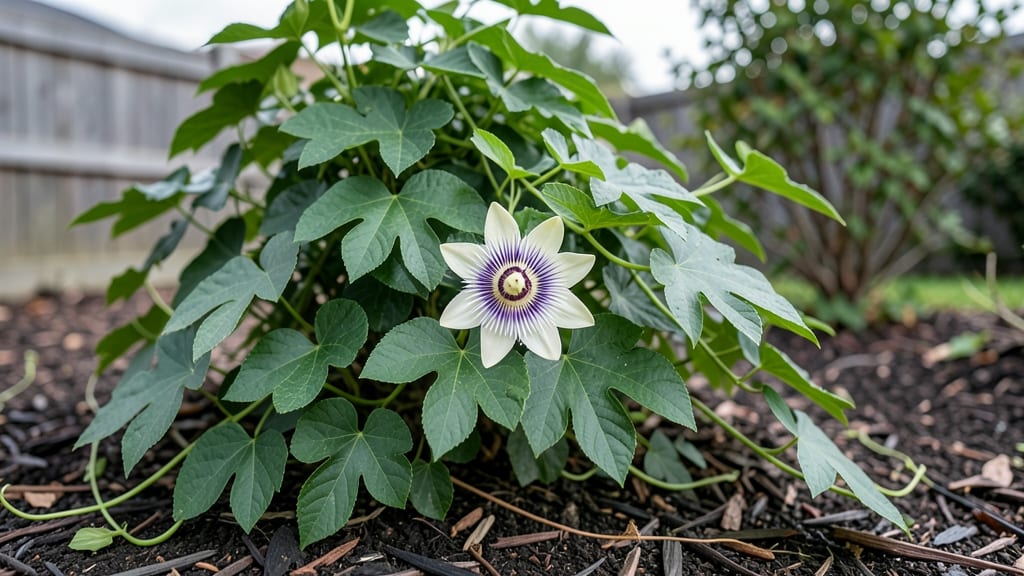
White passion fruit flowers aren’t just stunning—they’re the secret to growing tropical fruit in the Pacific Northwest. 🌿 I’ve grown these delicate, fragrant blooms for years, even in rainy climates, and they reward me with sweet, golden fruit when cared for right.
The key? Mimicking their native tropical conditions without letting them freeze.
These vines thrive in well-draining soil with morning sun and afternoon shade, which protects the flowers from burning. Unlike their purple cousins, white passion flowers often need a little help with pollination—gentle shaking or a soft brush can boost fruit set.
They’re hardy once established, but young plants need winter protection in colder zones.
You’ll love watching the flowers unfurl into star-shaped blossoms, their intoxicating scent drawing hummingbirds and bees. With the right support system, these vines can climb 15–20 feet, creating a lush, fragrant canopy.
The fruit may take a year to mature, but the journey is worth it for that first taste of homegrown passion fruit.
Perfect for containers or trellises, these plants adapt surprisingly well to cooler climates. Just remember: patience is key—these tropical beauties reward slow, steady care with explosive growth and delicious rewards. Ready to grow your own?
📚 In This Guide
- What you need
- Instructions
- Tips and common mistakes
- Wrapping up and next steps
What you need
- ● Passion fruit plant (Passiflora edulis f. flavicarpa) – Choose a white-flowering variety (e.g., ‘Sweet Gem’ or ‘Panama Yellow’). Start with 1-2 healthy nursery plants or seeds (germination takes patience!).
- ● Well-draining potting mix – 5 gallons of a blend with 50% coconut coir, 30% perlite, and 20% compost (passion vines hate soggy roots!).
- ● Large containers or raised beds – 15-20 gallon pots with drainage holes (or a 6’x6’ raised bed if planting in-ground).
- ● Support structure – 8-10’ trellis or sturdy fence (passion vines grow aggressively—10-15’+!).
- ● Slow-release fertilizer – 10-10-10 NPK blend (use 1 tbsp per plant at planting).
- ● Mulch – 2-3 inches of straw or wood chips to retain moisture and regulate soil temp.
- ● Pruning shears – Bypass-type (for clean cuts on vines).
- ● Garden gloves – Heavy-duty (passion vines have thorns!).
- ● pH testing kit – Aim for 6.0-7.0 pH (white passion fruit thrives in slightly acidic to neutral soil).
- ● Spray bottle – For misting seedlings (1-2 times daily in dry PNW summers).
- ● Thermometer – Monitor soil temp (65-85°F is ideal; protect from below 50°F).
- ● Shade cloth (30-50%) – For hot afternoons (PNW sun can scorch young leaves).
- ● Drip irrigation system – Keeps roots consistently moist without overwatering.
- ● Epsom salt – 1 tbsp/month boosts magnesium for vibrant white blooms.
- ● Companion plants – Marigolds or basil deter pests naturally.
- ● Greenhouse or cold frame – Extends the growing season if you’re in Zone 7-8.
Step-by-step instructions for cultivating white passion fruit vines
Here’s how to coax these tropical vines to thrive in cooler climates—no greenhouse needed.
🌱 Step 1: Select and Prepare the Right Vine Variety
Start with a cold-hardy white passion fruit variety like Passiflora edulis f. flavicarpa ‘White Giant’ or Passiflora caerulea (blue passionflower), since they tolerate 40-50°F temperatures better than tropical types. I’ve found that nursery-grown vines (not seeds) establish faster in cooler zones. Choose a 1- to 2-year-old vine with thick, woody stems—these handle temperature swings better than tender young growth.
If you’re growing from seed, expect 6-12 months until flowering, so start indoors in 65-75°F conditions. Keep soil consistently moist but not soggy, and provide bright, indirect light until the first true leaves appear. Harden off seedlings gradually before transplanting outdoors after the last frost—this prevents shock when cooler nights arrive.
☀️ Step 2: Choose a Sunny, Sheltered Spot
White passion fruit vines crave at least 6-8 hours of direct sun daily, but they’ll struggle in harsh afternoon winds or exposed locations. In the Pacific Northwest, I’ve had the best luck training them along south- or west-facing fences, trellises, or pergolas where they get morning sun and afternoon shade from nearby structures. The vines will climb aggressively—provide 8-10 feet of vertical support to keep them off the ground and improve air circulation.
Amend the planting site with 3-4 inches of compost mixed into the top 12 inches of soil to improve drainage. Passion fruit roots hate soggy conditions, so avoid low-lying areas where water pools. If your soil drains poorly, mound the planting area 6-8 inches high to elevate roots. Mulch with 2-3 inches of wood chips to retain moisture and regulate soil temperature.
💧 Step 3: Water Deeply and Consistently
Water deeply 2-3 times per week during the first growing season, soaking the soil to a depth of 12-18 inches. You’ll know it’s enough when water runs out the drainage holes of the pot or when the soil feels damp 2 inches below the surface. Overwatering causes root rot, while underwatering stresses the vine and reduces flowering. In the Pacific Northwest’s cooler summers, you might water less frequently—check soil moisture daily during heatwaves.
Once established, passion fruit vines develop deep roots and become drought-tolerant. However, they’ll produce more flowers and fruit with consistent moisture. Avoid wetting the leaves when watering—this prevents fungal diseases like powdery mildew. Instead, water at the base of the vine in the early morning so foliage dries quickly.
✂️ Step 4: Prune for Health and Flowering
Prune in early spring (before new growth starts) to remove dead, damaged, or crossing branches. I also cut back overly leggy growth by one-third to encourage bushier, more productive vines. Use clean, sharp pruners and make cuts just above a leaf node or bud. This prevents disease and promotes new growth where you want it.
After flowering, trim spent blooms and small fruit clusters to redirect the vine’s energy toward larger, healthier fruit. In fall, prune again to remove weak or diseased wood, and cut back non-hardy varieties to 6-8 inches above the ground. This helps the vine survive winter and bounce back stronger in spring. Don’t prune in late summer—new growth won’t harden off before cold snaps.
🌿 Step 5: Protect from Frost and Pests
White passion fruit vines tolerate brief dips to 28°F but suffer damage below 25°F. In the Pacific Northwest, I’ve covered vines with frost blankets or moved potted plants to a garage or shed during freezes. For in-ground plants, mound 4-6 inches of straw mulch around the base before winter to insulate roots. In spring, remove mulch once new growth appears to prevent rot.
Watch for aphids, spider mites, and passion vine hoppers—common pests that sap vigor. I spray vines with neem oil (mixed per label instructions) at the first sign of infestation, focusing on the undersides of leaves where pests hide. Encourage ladybugs and lacewings by planting dill or fennel nearby—these natural predators keep pest populations in check without chemicals.
Tips & tricks for perfect white passion fruit vine cultivation
Here's what nobody tells you about growing these delicate beauties in cooler climates—lessons learned from my own trial-and-error garden.
Sunlight Strategy: That 6-8 hours of direct sun is non-negotiable, but here's the trick: position your vine to catch morning sun and afternoon shade. I've seen vines struggle in full afternoon sun during Pacific Northwest summers—the leaves burn even when temps are mild. If you're working with limited space, consider a south-facing trellis where the vine gets morning sun and afternoon protection from nearby structures. The key is avoiding harsh afternoon rays that can scorch leaves, even when temperatures are comfortable.
Soil Prep Secret: When amending your soil with 3-4 inches of compost, don't just mix it in—create a proper planting mound. I've found that passion fruit roots absolutely hate soggy conditions, so if your soil drains poorly, mound the planting area 6-8 inches high. This elevation prevents water pooling around roots while still allowing that 12-18 inch deep watering to reach down. The wood chip mulch (2-3 inches) is your friend too—it keeps soil temps stable and prevents moisture loss during our famously unpredictable Pacific Northwest summers.
Watering Wisdom: Those 2-3 deep waterings per week are crucial, but timing matters just as much. Water at the base in early morning to let foliage dry completely before evening. I learned this the hard way when my vines developed powdery mildew after consistent evening watering. And here's a pro move: use a moisture meter to check that 2-inch depth—it's more reliable than guessing. In heatwaves, you might need daily checks, but don't overdo it—passion fruit roots are surprisingly drought-tolerant once established.
Pruning Precision: When you're cutting back that overly leggy growth by one-third in early spring, make your cuts just above a leaf node or bud. This might seem picky, but it makes all the difference in encouraging new growth where you want it. I've seen vines develop uneven growth when cuts were made randomly. Also, be patient with your fall pruning—cutting back to 6-8 inches helps the vine harden off for winter, but don't do this too early. New growth won't have time to mature before cold snaps arrive.
Pro Tips for Passion Fruit Flower White
- Here's what nobody tells you about growing these delicate beauties in cooler climates—lessons learned from my own trial-and-error garden.
- Sunlight Strategy: That 6-8 hours of direct sun is non-negotiable, but here's the trick: position your vine to catch morning sun and afternoon shade.
- Soil Prep Secret: When amending your soil with 3-4 inches of compost, don't just mix it in—create a proper planting mound.
Frequently asked questions
Got questions about growing white passion fruit flowers in your Pacific Northwest garden? You’re not alone!
Here are some of the most common queries—and expert answers—to help you cultivate these stunning tropical blooms with confidence.
How long does it take for a white passion fruit vine to flower?
A healthy white passion fruit vine (Passiflora edulis or Passiflora caerulea varieties) typically produces flowers within 12–18 months of planting, given the right conditions. In the PNW’s milder microclimates, expect blooms as early as late spring to early summer if grown in containers or greenhouses. Patience is key—these vines reward long-term care with dramatic, fragrant flowers!
Can white passion fruit flowers survive PNW winters?
Not outdoors year-round! While some hardier varieties (like Passiflora caerulea) tolerate brief frosts (20–25°F), most white passion fruit vines are tender perennials. Protect them with mulch, row covers, or container growing and move potted plants indoors when temps drop below 30°F. With winter care, they’ll bounce back come spring!
What can I do if my passion fruit vine isn’t flowering?
No flowers? Don’t panic! Common culprits include:
- Insufficient sunlight: Move to a south-facing spot (6+ hours of sun daily).
- Over-fertilizing with nitrogen: Switch to a balanced bloom booster (e.g., 5-10-10) in early spring.
- Young vines: They need 1–2 years to mature. Prune aggressively to encourage growth.
- Stress: Check for pests (aphids, spider mites) or root rot.
Are there white passion fruit varieties that thrive in containers?
Passiflora caerulea (blue passionflower with white variants) and Passiflora edulis f. flavicarpa (yellow passionfruit with white-flushed blooms) are container-friendly. Use a 15–20 gallon pot with drainage, well-draining soil, and a trellis for support. Containers let you move vines indoors in winter—perfect for PNW gardeners!
Why are my passion fruit flowers dropping before opening?
Dropping buds often signal environmental stress. Check for:
- Temperature swings: Keep vines in 60–85°F ranges.
- Underwatering: Soil should stay consistently moist but not soggy.
- Overcrowding: Thin vines for better airflow.
- Lack of pollinators: Gently shake branches or use a small paintbrush to transfer pollen.
Wrapping up and next steps
Growing white passion fruit flowers in the Pacific Northwest is absolutely doable with the right care and patience! These stunning blooms bring a touch of tropical elegance to your garden, even in cooler climates.
Whether you're drawn to their beauty or the promise of sweet fruit, your efforts will reward you with a thriving, vibrant plant.
Ready to take the next step? Start by selecting the perfect spot—one with partial shade and well-draining soil—and watch your white passion fruit flower flourish! 🌱✨