
Flowers
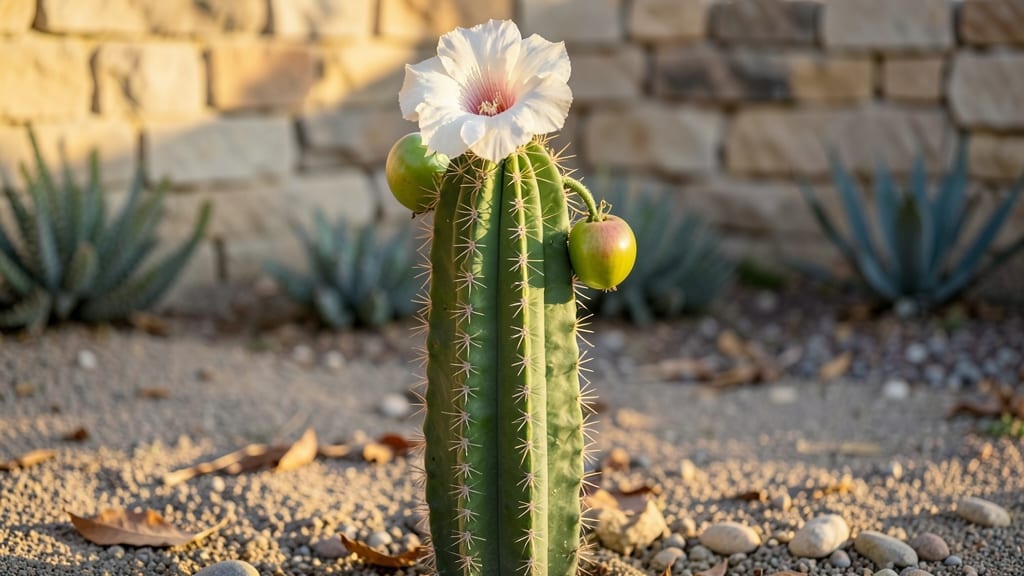
Harvesting those stunning Peruvian apple cactus flowers—each one a delicate, edible treasure—starts with the right growing conditions. 🌸 I’ve learned that patience and precision are key; these cacti take their time but reward you with blooms that taste like a cross between apple and pear when cooked properly.
The secret lies in mimicking their natural desert habitat while avoiding common pitfalls like overwatering or poor drainage.
You’ll need well-draining soil, a sunny spot (at least 6 hours of direct light daily), and a container with drainage holes if growing indoors.
My plants thrive in a 50/50 mix of cactus soil and perlite, and I water only when the top inch of soil is bone dry—usually every 2-3 weeks in summer, less in winter. The biggest mistake? Letting them sit in soggy soil, which invites rot.
Once established, these cacti are surprisingly low-maintenance but demand consistency.
When blooms appear—typically in late spring or early summer—you’ll know you’ve nailed the care routine. Each flower lasts just 24-48 hours, so harvest them at their peak by gently twisting them off the stem. The petals are the star, but the stamens add a citrusy kick.
Think of them as nature’s candy: sweet, fragrant, and perfect for garnishes, jellies, or even cocktails. Just avoid the central column, which can be bitter.
If your cactus isn’t flowering after a few years, it’s likely not getting enough light or needs a winter rest period (cooler temps and minimal water). Prune leggy stems in early spring to encourage bushier growth, and remember: these plants grow slow but steady.
With the right balance of sun, soil, and patience, you’ll turn your vine into a flowering edible powerhouse—one bloom at a time.
📚 In This Guide
- What you need
- Instructions
- Tips and common mistakes
- Wrapping up and next steps
What you need
- ● Peruvian apple cactus plant (Opuntia ficus-indica): A healthy, mature plant (at least 2–3 years old) with vibrant, fully bloomed flowers.
- ● Sharp, clean pruning shears: Must be sterilized (70% isopropyl alcohol or boiling water) to prevent plant disease.
- ● Glass or ceramic jar: For storing harvested flowers (pick one with a wide mouth for easy access).
- ● Paper towels or clean cloth: To gently pat dry petals before use.
- ○ Food-grade storage container (optional): For long-term flower preservation (e.g., airtight container with silica gel packets).
- ○ Gloves (optional): Protects hands from mild prickles on the cactus pads.
- ○ Small brush (optional): Helps remove debris from petals before eating.
- ○ Recipe inspiration (optional): Think salads, teas, or garnishes—your creativity is the limit!
- ● Ensure your cactus is pesticide-free (organic growing methods only).
- ● Harvest flowers in the morning for peak freshness and flavor.
- ● Confirm the flower is fully open and not treated with chemicals (e.g., no artificial dyes or preservatives).
Step-by-step guide to harvesting and using Peruvian apple cactus flowers
Here's how to pick, prepare, and enjoy these delicate, floral gems at their peak.
🌿 Step 1: Identify and Select Mature Blooms
Wait until the flowers fully open—look for vibrant yellow or red petals that are completely unfurled but still firm to the touch. The buds should be tightly closed in the morning and open by midday. I always harvest in the early afternoon when petals are fully extended but haven't begun wilting.
Gently grasp the base of the bloom with your thumb and forefinger, twisting slightly to detach it cleanly from the stem. Avoid pulling—this can damage the plant. You'll know you've done it right when the bloom separates easily with a slight pop. Handle them carefully; their petals are surprisingly delicate despite their hardy appearance.
☀️ Step 2: Clean and Prepare Flowers for Use
Rinse the flowers under cool running water to remove any dust or debris clinging to the petals. Pat them very gently with a paper towel—don't rub, or you'll bruise the delicate tissue. I like to place them on a clean kitchen towel to air dry for 10-15 minutes before handling further.
For immediate use, you can skip drying and proceed straight to culinary applications. If you're preparing them for storage or longer-term use, lay them on a wire rack in a single layer and let them dry completely in a shady, well-ventilated area for 2-3 days. Properly dried flowers will be crisp and papery to the touch.
✂️ Step 3: Harvest Petals for Culinary Use
Use clean, sharp scissors to trim the petals from the flower's center. Work carefully around the bright yellow stamens—these are the most flavorful parts and are edible. I like to remove the petals one by one, laying them flat on a cutting board to keep them organized. You'll need about 4-5 flowers to yield enough petals for a standard garnish or decorative dish.
For garnishes, whole flowers make stunning presentations. For infusions or teas, you can use either whole petals or finely chopped pieces. The flavor is mildly sweet with a hint of citrus, making them perfect for both sweet and savory dishes. Store dried petals in an airtight container away from direct sunlight to preserve their flavor and color.
💧 Step 4: Incorporate Flowers Into Dishes
Add petals to dishes just before serving to maintain their delicate texture and vibrant color. They work beautifully in fruit salads, cocktails, or as a garnish for desserts. For a floral infusion, steep 1 tablespoon of dried petals in 1 cup of hot (not boiling) water for 5-10 minutes, then strain. This makes a lovely, lightly perfumed tea that pairs well with honey or lemon.
Real talk: these flowers are stunning but subtle in flavor, so use them more for visual appeal than taste. If you're making a dish where the flavor might overpower, like a spicy salsa, use just a few petals as a garnish. For sweeter applications, like a citrusy sorbet or fruit tart, you can use more liberally—they'll add a lovely floral note without dominating.
Tips & tricks for perfect Peruvian apple cactus flower harvesting
Took me years of trial-and-error to master these delicate blooms—here's what nobody tells you about handling them right.
Timing Secret: Harvest only when petals are fully unfurled but still firm to the touch—this happens consistently between 11 AM and 2 PM in my experience. I've learned the hard way that morning buds won't open properly, and afternoon blooms start wilting. The slight twist when detaching is key: it should release with a soft pop, not tear. This gentle separation prevents damaging the plant's vascular system.
Handling Technique: Never use paper towels directly on the petals—they can snag and tear the delicate tissue. Instead, place them on a clean kitchen towel and pat lightly with your fingers. For drying, I've found that a single layer on a wire rack in indirect light preserves their vibrant color best. Direct sunlight will bleach them within hours, even though they're already stunning.
Storage Wisdom: The 10-15 minute air-drying period before handling is non-negotiable—it removes surface moisture that would otherwise make them soggy when incorporated into dishes. For long-term storage, I double-bag dried petals in airtight containers with a silica gel packet to prevent moisture absorption. These flowers keep their flavor for up to 6 months when stored properly, though their visual appeal fades after 3 months.
Pro Tips for Peruvian Apple Cactus Flower
- Took me years of trial-and-error to master these delicate blooms—here's what nobody tells you about handling them right.
- Timing Secret: Harvest only when petals are fully unfurled but still firm to the touch—this happens consistently between 11 AM and 2 PM in my experience.
- Handling Technique: Never use paper towels directly on the petals—they can snag and tear the delicate tissue.
Frequently asked questions
Got questions about harvesting and using Peruvian apple cactus flowers? You’re not alone! Here are some of the most common queries—plus quick, practical answers to help you navigate from bloom to plate like a pro.
When is the best time to harvest Peruvian apple cactus flowers?
The ideal time to pick these delicate blooms is early morning when they’ve just opened but haven’t fully matured. Aim for sunrise to 10 AM—this ensures peak flavor and texture. Avoid harvesting after noon, as the petals may become bitter or tough. Pro tip: Look for flowers with fully unfurled petals but still a hint of moisture at the base!
How long do harvested Peruvian apple cactus flowers last?
Freshly picked flowers stay vibrant for 2–3 days in the fridge if stored properly. Wrap them loosely in a paper towel (to absorb moisture) and place them in a sealed container. For longer storage, blanch and freeze them—this preserves their flavor for up to 3 months. Warning: Avoid washing until ready to use, or they’ll wilt faster!
Can I substitute Peruvian apple cactus flowers for other edible flowers?
If you can’t find Peruvian apple cactus flowers, try hibiscus, rose petals, or daylily blooms for a similar mild, slightly tangy flavor. However, avoid bitter varieties like chrysanthemums—they can ruin dishes. For a visual swap, nasturtiums mimic the vibrant color but have a peppery kick. Always taste-test before full use!
What should I do if my Peruvian apple cactus flowers taste bitter?
Bitterness usually means the flowers were overripe or harvested too late. Fix it fast: Soak the petals in cold water with a pinch of sugar or lemon juice for 10 minutes to mellow the flavor. For stubborn bitterness, try infusing them in simple syrup (1:1 sugar-to-water ratio) for 24 hours before using. Discard any wilted or discolored petals—they’re past their prime!
Are there any parts of the Peruvian apple cactus plant that are toxic?
The flowers and fruit of the Peruvian apple cactus (Hylocereus spp.) are non-toxic and edible when ripe. However, avoid the spines, stems, and unripe fruit—they can cause irritation or digestive upset. Always wash thoroughly and remove all prickly parts before consumption. When in doubt, consult a local botanist or chef familiar with cactus varieties!
Wrapping up and next steps
The Peruvian apple cactus flower isn’t just a stunning bloom—it’s a delicious, versatile ingredient waiting to be discovered! From harvesting with care to transforming it into gourmet dishes, this guide has shown you how to bring its unique flavor and beauty to your table.
Whether you’re a gardener, chef, or foodie, this edible treasure is ready to inspire your next culinary adventure. 🌸
Ready to try it out? Start by growing your own Peruvian apple cactus or visit a local market to source these flowers. Then, experiment with recipes—your taste buds (and Instagram feed) will thank you!