
Flowers
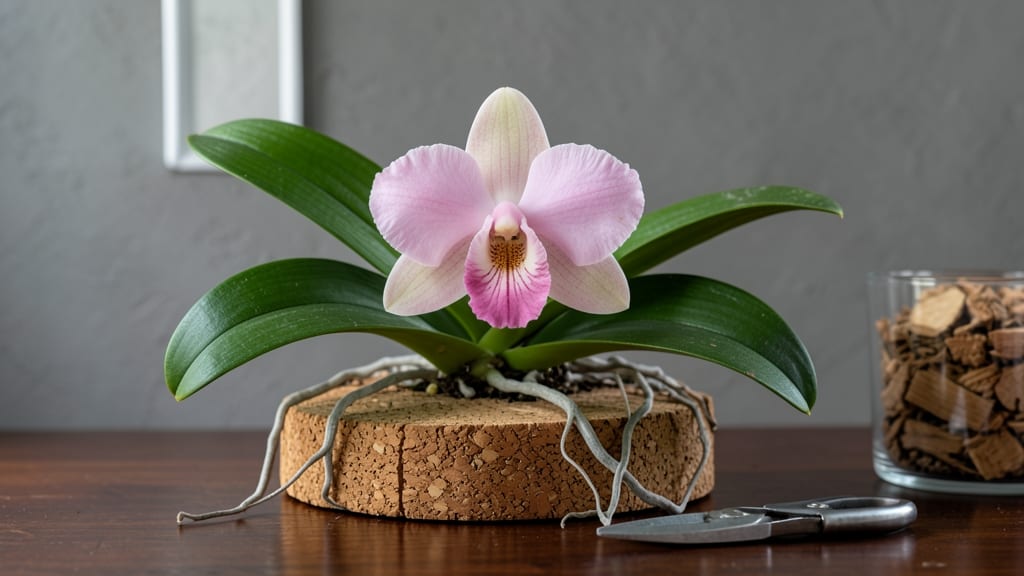
Growing a pink cattleya flower that blooms like a showstopper starts with light—specifically, three simple tricks that mimic its natural tropical canopy.
I’ve battled dull blooms and limp leaves until I cracked the code: bright, indirect light for 12 hours a day, a midday break from harsh sun, and rotating the pot weekly. The difference? Flowers that last 6+ weeks instead of wilting in three.
Most gardeners overcomplicate orchid care, but pink cattleyas thrive on routine over complexity. You’ll need a well-ventilated pot with bark mix, lukewarm water on a strict schedule (soak-and-drain every 7–10 days), and a fertilizer that’s half-strength during blooming season.
The key is consistency—these orchids reward patience with vibrant, fragrant blooms that outshine store-bought cut flowers.
Once you master the lighting tricks, you’ll trigger blooming like clockwork—usually in fall or spring, depending on your climate. The secret? A cool nighttime dip (55–60°F) for 4–6 weeks before buds form.
Avoid common mistakes like overwatering (root rot is silent but deadly) or using tap water with high salts. With these adjustments, your pink cattleya will become the centerpiece of any room—and the envy of orchid clubs.
This method works for all pink cattleya varieties, from classic ‘Laelia’ hybrids to rare ‘Schomburgkia’ crosses. Whether you’re a seasoned grower or just adding orchids to your collection, these tricks cut through the guesswork. Let’s get those blooms going!
📚 In This Guide
- What you need
- Instructions
- Tips and common mistakes
- Wrapping up and next steps
What you need
- ● Pink Cattleya Orchid: A healthy Cattleya plant (preferably a pink variety like Cattleya labiata or Cattleya mossiae). 6-inch orchid pot: 1-2 pots with slotted drainage (plastic or terracotta). Orchid bark mix: 1 bag (medium-grade fir or pine bark, 1-2 inches in size). Sphagnum moss: 1 small pack (for moisture retention). Potting tools: 1 pair of sterilized scissors (for trimming). 1 wooden chopstick or pencil (to gently press bark into place).
How to cultivate vibrant pink cattleya orchids
Mastering these orchids isn't about complexity—it's about light, patience, and a few key adjustments.
Select the Right Growing Environment
Pink cattleyas thrive in bright, indirect light—think east-facing windows or filtered sunlight through sheer curtains. Direct midday sun will scorch leaves, while dim corners will stunt blooms. I position mine 3-4 feet from a south-facing window during winter, then move them back slightly in summer when sunlight intensifies.
Temperature matters just as much as light. Keep daytime highs between 65-80°F and nighttime lows above 50°F. A cool nighttime drop (around 10°F difference) actually triggers blooming. If your home runs warmer, place a small fan nearby to create gentle airflow—this mimics their natural tropical forest habitat.
Establish a Consistent Watering Routine
Overwatering is the #1 killer of cattleyas—these orchids need good drainage and airflow around roots. I water mine once a week in summer and every 10-14 days in winter, checking by lifting the pot. If it feels light, it's time to water. Pour water until it runs freely from the drainage holes, then empty the saucer immediately to prevent root rot.
Use room-temperature water—cold water shocks roots. I fill a clean spray bottle with distilled or rainwater and mist the roots lightly after watering to rinse away mineral buildup. Avoid wetting the leaves or pseudobulbs, as moisture trapped there invites fungal issues. The key is keeping the rhizomes (roots) slightly moist but never soggy—they should look silvery-green, not dark or mushy.
Apply Strategic Light Adjustments for Blooming
Here's where the "simple tricks" come in. Cattleyas need 12-14 hours of light daily, but too much direct sun causes leaf burn. I use a sheer white curtain to diffuse harsh afternoon rays in summer. For winter, I supplement with a 15-watt LED grow light placed 12 inches above the plant for 4 hours in the morning—this mimics the longer daylight hours their blooming cycle craves.
Watch for color changes in the leaves: dark green with purple undertones means they're getting enough light, while pale yellow-green signals insufficient light. If your cattleya isn't blooming after 6 months, it's likely light-related. Move it closer to the brightest window or increase grow light time by 1 hour weekly until you see new flower spikes forming at the base of the pseudobulbs.
Fertilize and Encourage Flower Spikes
Feed your cattleya monthly during active growth (spring through summer) with a balanced orchid fertilizer diluted to half-strength. I use a 20-20-20 formula and apply it after watering to prevent root burn. In fall and winter, reduce feeding to every 6-8 weeks—this mimics their natural dormant period and helps store energy for next year's blooms.
When you see a tight, pointed bud emerge from the base of a pseudobulb, that's your flower spike. Gently secure it to a small wooden stake with orchid clip ties to prevent breakage. Avoid touching the buds—oils from your skin can cause them to drop. With proper light and care, each spike can produce 4-6 blooms that last 2-3 weeks each.
Prune and Repot as Needed
Deadhead spent blooms by cutting the stem just above the third node from the base—this encourages new flower spikes to form. Never cut into the pseudobulb itself, as this harms the plant's energy storage. I also trim any yellow or brown leaves with sterilized scissors, cutting back to healthy green tissue. This keeps the plant looking tidy and directs energy toward new growth.
Repot every 2-3 years or when the potting mix breaks down. I use firm bark mix with chunky components (like pine bark and charcoal) to ensure airflow. Gently separate the rhizomes, removing any black or mushy roots—these are rotten and should be trimmed away. Repotting in spring gives the plant time to establish before its active growing season begins.
Tips & tricks for perfect pink cattleya flower cultivation
Here's what nobody tells you about keeping these stunning orchids thriving—details that separate good from spectacular.
Lighting Nuance: The 12-14 hours of daily light mentioned isn't just about quantity—it's about quality. I've found that positioning your cattleya near a west-facing window during late afternoon creates the perfect balance of bright, indirect light. This mimics their natural habitat where they receive filtered sunlight through the forest canopy. If using artificial light, rotate your plant quarter-turn weekly to prevent leaning toward the light source.
Temperature Triggers: That 10°F nighttime temperature drop between day and night is crucial for blooming. If your home doesn't naturally provide this variation, create it by moving your plant to a cooler location at night—like a screened porch or basement with good airflow. I've seen plants that receive this temperature fluctuation bloom twice a year, while those without it may only produce one or two spikes annually.
Watering Precision: The weekly summer watering schedule works best when paired with the "lift test" method. When you lift the pot and it feels light, that's your cue—but don't rely solely on weight. Check the rhizomes too: they should be silvery-green, not dark or mushy. I've ruined multiple plants by overwatering during winter dormancy, so remember: every 10-14 days in winter is a maximum, not a target. Adjust based on your specific humidity levels and pot size.
Bloom Extension Strategy: To maximize those 2-3 week blooms, I've developed a simple trick: once flowers open fully, mist them lightly with distilled water in the morning. This mimics morning dew in their natural environment and helps preserve petal moisture. Avoid touching the blooms—even gentle handling can cause them to drop prematurely. For longer-lasting color, place your plant in a location with indirect light during the day and move it to a slightly cooler spot at night.
Pro Tips for Pink Cattleya Flower
- Here's what nobody tells you about keeping these stunning orchids thriving—details that separate good from spectacular.
- Lighting Nuance: The 12-14 hours of daily light mentioned isn't just about quantity—it's about quality.
- Temperature Triggers: That 10°F nighttime temperature drop between day and night is crucial for blooming.
Frequently asked questions
How often should I water my pink cattleya?
Water your pink cattleya once a week during active growth (spring/summer) and every 2-3 weeks in winter. Always let the roots dry slightly between waterings—soggy roots cause rot! Use room-temperature water and avoid wetting the leaves to prevent fungal issues.
When do pink cattleyas bloom, and how long do the flowers last?
Blooms typically appear in late winter to early spring, but timing depends on light exposure and care. Each flower lasts 2-4 weeks, while the entire spike can rebloom with proper aftercare. Prune spent spikes after all flowers drop to encourage new growth.
Why aren’t my pink cattleya flowers opening?
Common culprits include low light (move to bright, indirect light), temperature swings (keep 60–80°F), or lack of dormancy. Try reducing water in winter and fertilizing lightly in spring. If buds drop, it may signal stress—check humidity (40–70%) and airflow!
Can I grow pink cattleyas indoors without a greenhouse?
Place them near east or west-facing windows for natural light. Supplement with a grow light (12–14 hours/day) if needed. Ensure good airflow (a small fan helps) and avoid drafts. With patience, indoor cattleyas thrive—just mimic their tropical forest habitat!
How do I repot my pink cattleya?
Repot every 2–3 years or when roots overcrowd the pot. Use a chunky bark mix (never soil!) and choose a pot just 1 inch larger than the current one. Best time: Spring, after blooming. Gently tease roots and avoid disturbing the rhizome—your orchid will thank you!
Wrapping up and next steps
Growing a stunning pink cattleya flower is well within your reach—just with the right lighting tricks, patience, and a little love! 🌸 Mastering these orchids isn’t just about aesthetics; it’s about connecting with nature’s beauty and reaping the rewards of a thriving plant.
Start small, experiment with the techniques shared, and soon you’ll be showcasing blooms that turn heads.
Ready to take the next step? Pick one lighting trick to test this week—whether it’s adjusting your grow lights, optimizing natural light, or fine-tuning humidity. Your pink cattleya will thank you with vibrant blooms in no time! 🌟