
Flowers
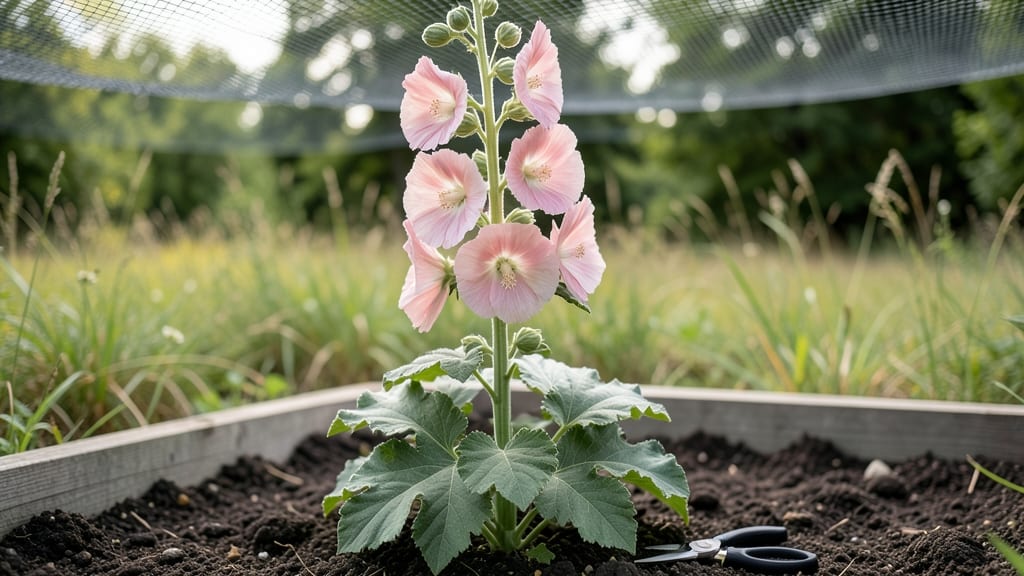
Growing pink marshmallow flowers (Alcea rosea) in containers means you’ll have frost-hardy, cloud-like blooms that last from spring until frost—no matter how small your space.
I’ve grown these in pots for years, and they’ve never failed to impress with their velvety petals and towering stems, even when temperatures dip below freezing.
The secret lies in their love of well-draining soil and full sun, plus a little winter protection that keeps them thriving when other annuals give up.
You’ll need 5-gallon containers (or larger) with drainage holes, a mix of potting soil and compost, and stakes for support—these beauties can reach 4-5 feet tall if happy. Plant seeds indoors 8-10 weeks before your last frost for early blooms, or sow directly in spring after the soil warms.
Water consistently but avoid soggy soil, and feed with a balanced fertilizer every 4-6 weeks to encourage those lush, candy-pink blooms that look like they’re floating in the air.
By midsummer, you’ll have a dramatic vertical display that draws bees and butterflies while adding soft color to borders or cottage gardens. Deadhead spent blooms to prolong flowering, and cut back stems by half in early fall to keep the plants tidy.
Even in winter, the frost-resistant foliage adds texture to containers, making these one of the most reliable perennials for cold climates.
Troubleshooting is easy—watch for powdery mildew in humid weather (space plants for airflow) and aphids (spray with soapy water). These flowers handle neglect better than most, so they’re perfect for busy gardeners who still want effortless drama in their outdoor spaces. Ready to grow yours?
📚 In This Guide
- What you need
- Instructions
- Tips and common mistakes
- Wrapping up and next steps
What you need
- ● Pink Marshmallow Flower Seeds: 5–10 seeds (non-GMO, organic preferred for best results).
- ● Growing Containers: 1–2 5–7 gallon pots (with drainage holes) or
- ● A raised garden bed (at least 12" deep).
- ● Potting Soil: 1 bag of well-draining, nutrient-rich mix (e.g., 50% garden soil + 50% perlite or coconut coir).
- ● Slow-Release Fertilizer: 1 packet of balanced 10-10-10 or organic compost (like worm castings).
- ● Watering Can or Hose: With a gentle spray nozzle for even moisture.
- ● Pruning Shears: Small, sharp pair for deadheading and shaping.
- ● Mulch (straw or shredded bark) to retain moisture and deter weeds.
- ● Epsom salt (for magnesium boost—mix 1 tbsp per gallon of water monthly).
- ● Support stake or tomato cage (if growing tall varieties).
- ● Garden gloves (to protect hands from prickly stems!).
- ● Seed-starting tray (if germinating indoors first).
How to grow pink marshmallow flowers in containers
Here's my foolproof method for cultivating these delicate, frost-hardy blooms in pots.
Select the Right Container and Soil Mix
Choose a container with a minimum 12-inch diameter and depth to accommodate the plant's spreading roots. The pink marshmallow flower thrives in well-draining soil, so I recommend mixing 3 parts potting mix with 1 part perlite for aeration. This combination prevents waterlogging while retaining enough moisture for the plant's deep roots.
Ensure the container has drainage holes—without them, the roots will suffocate. If your chosen pot lacks holes, drill a few near the bottom. The soil should feel slightly damp but not soggy when squeezed; if it crumbles easily, it's ready to use. I always add a thin layer of orchid bark at the bottom to improve drainage further.
Plant at the Correct Depth and Spacing
Dig a hole in the center of the container that's just deep enough to accommodate the root ball of your pink marshmallow flower transplant. The top of the root ball should sit 1 inch below the soil surface—burying it too deeply can cause rot, while planting too shallowly may expose the stem to temperature fluctuations.
Gently remove the plant from its nursery pot and loosen any circling roots with your fingers. Place it in the hole and backfill with soil, pressing lightly to eliminate air pockets. Space multiple plants 18-24 inches apart if growing more than one per container, as they spread widely. Water thoroughly after planting to settle the soil around the roots.
☀️ Step 3: Position for Optimal Light and Frost Protection
The pink marshmallow flower loves full sun to partial shade, with at least 6 hours of direct sunlight daily. Place your container in a spot that receives morning sun and afternoon shade, especially in hotter climates. If growing in a colder region, ensure the container is near a south-facing wall or under a frost cloth during winter.
These flowers are remarkably frost-resistant, but young plants benefit from protection until established. Watch for new growth in early spring—this is your cue that the plant is ready to handle colder temperatures without additional shelter. In containers, roots can freeze more easily, so I often bury the pot in mulch or move it to a sheltered location during hard freezes.
💧 Step 4: Water and Feed for Continuous Blooms
Water deeply once a week during the growing season, allowing the top 2 inches of soil to dry out between waterings. Overwatering is the biggest killer of pink marshmallow flowers, so always check moisture levels before adding more. In containers, soil dries out faster, so monitor closely during hot spells.
Feed with a balanced, water-soluble fertilizer (10-10-10) every 4-6 weeks during the active growing season. Reduce feeding in late summer to encourage blooming rather than leafy growth. You'll notice the most vibrant blooms when the plant receives consistent care—look for deep pink flowers with a soft, velvety texture that stands out against the foliage.
✂️ Step 5: Prune and Maintain for Long-Term Health
Deadhead spent blooms regularly to encourage more flowers and prevent the plant from seeding itself. Cut back wilted stems to the nearest leaf node using clean, sharp pruners. This not only keeps the plant looking tidy but also redirects energy toward new growth.
In late fall, trim back one-third of the plant's height to shape it and prepare for dormancy. This helps the plant conserve energy over winter. If growing in a container, reduce watering significantly in winter—just enough to keep the soil from drying out completely. You'll see fresh, vigorous growth in early spring as temperatures rise.
Tips & tricks for perfect pink marshmallow flower cultivation
These insider tricks will help you coax vibrant blooms from your container-grown pink marshmallow flowers with minimal fuss.
Container Selection: While the instructions specify a minimum 12-inch diameter, I recommend going slightly larger—think 14-16 inches—if you're growing just one plant. The extra space prevents root competition and gives your flower room to establish before spreading. For multiple plants, use individual containers rather than crowding, as pink marshmallow flowers resent sharing space. Terracotta pots work beautifully because they wick away excess moisture, but ensure they have those critical drainage holes.
Soil Mix Upgrade: The recommended 3:1 potting mix to perlite ratio is excellent, but I add an extra 10% coarse sand to improve drainage even further. This prevents the compacting that often occurs in containers over time. For even better results, mix in a handful of worm castings at planting—they introduce beneficial microbes that help roots establish faster. This step takes just two minutes but makes a noticeable difference in early growth vigor.
Light Positioning Strategy: That 6-hour sunlight minimum is non-negotiable, but here's what I've learned about maximizing it: Place your containers where they'll receive morning sun (when UV intensity is lower) and afternoon shade. If you must move them for protection, do it gradually—sudden shade changes can stress the plant. For balcony gardeners, rotate containers weekly so all sides get equal light exposure, preventing lopsided growth.
Winter Survival Hack: While the instructions mention frost cloth and mulch, I've found that wrapping containers in bubble wrap before adding mulch creates an extra insulating layer. This is especially helpful in regions with sudden temperature swings. Remove the wrap in early spring when daytime temperatures consistently stay above freezing. The wrap prevents soil temperature fluctuations that can shock roots during winter dormancy.
Pro Tips for Pink Marshmallow Flower
- These insider tricks will help you coax vibrant blooms from your container-grown pink marshmallow flowers with minimal fuss.
- Container Selection: While the instructions specify a minimum 12-inch diameter, I recommend going slightly larger—think 14-16 inches—if you're growing just one plant.
- Soil Mix Upgrade: The recommended 3:1 potting mix to perlite ratio is excellent, but I add an extra 10% coarse sand to improve drainage even further.
Frequently asked questions
How long does it take for pink marshmallow flowers to bloom after planting?
These resilient blooms typically take 60–90 days to flower from seed when grown in ideal conditions (full sun, well-draining soil, and consistent moisture). If you start with transplants, expect blooms in 4–6 weeks. Patience pays off—once established, they’ll reward you with vibrant pink flowers all season long!
Are pink marshmallow flowers truly frost-resistant? How cold can they handle?
These flowers are hardy to USDA Zone 3, meaning they can survive temperatures as low as -40°F (-40°C). They thrive in cooler climates and even tolerate light frosts after blooming. Just avoid planting seeds until the soil warms to 50°F (10°C)—they dislike cold, wet soil.
Can I grow pink marshmallow flowers in containers? What’s the best pot size?
Yes! They adapt well to containers, especially if you use at least a 12-inch-wide pot with drainage holes. For multiple stems, opt for 18+ inches. Use a light, well-draining potting mix (like one for succulents or herbs) and fertilize lightly every 4–6 weeks. Just keep them near a sunny window or balcony.
Why aren’t my pink marshmallow flowers blooming? Troubleshooting tips.
If your plants are lush but not flowering, check these fixes:
- Not enough sun: They need 6+ hours of direct sunlight daily. Move to a sunnier spot.
- Over-fertilizing: Too much nitrogen = leafy growth, no blooms. Use a balanced 10-10-10 fertilizer sparingly.
- Deadheading needed: Snip spent blooms to encourage new flowers.
- Stress from transplant shock: Wait until roots establish (2–3 weeks) before heavy pruning.
Still struggling? They might need a light pruning after the first flush of blooms to promote bushier growth.
What are some alternatives if pink marshmallow flowers don’t thrive in my climate?
If your area is too hot or humid, try these low-maintenance, frost-tolerant alternatives with similar charm:
- Hollyhocks (Alcea rosea) – Classic cottage-garden blooms, equally hardy.
- Russian Sage (Perovskia atriplicifolia) – Drought-resistant, silvery foliage, and lavender-blue flowers.
- Lavender (Lavandula) – Fragrant, drought-loving, and thrives in containers.
- Catmint (Nepeta) – Long-blooming, deer-resistant, and loves sun.
Each offers unique textures and colors while sharing the pink marshmallow flower’s easy-care vibe!
Wrapping up and next steps
The pink marshmallow flower is a stunning, low-maintenance addition to your garden—especially if you love frost-resistant blooms that thrive in containers! 🌸 With its velvety petals and resilience, this flower brings charm and ease to any space.
Whether you're a beginner or a seasoned gardener, its simple care requirements make it a rewarding choice.
Ready to grow your own? Start by gathering your supplies and follow the steps to create a thriving container garden. Happy planting—and enjoy those dreamy pink blooms! 🌱