
Companion Plants
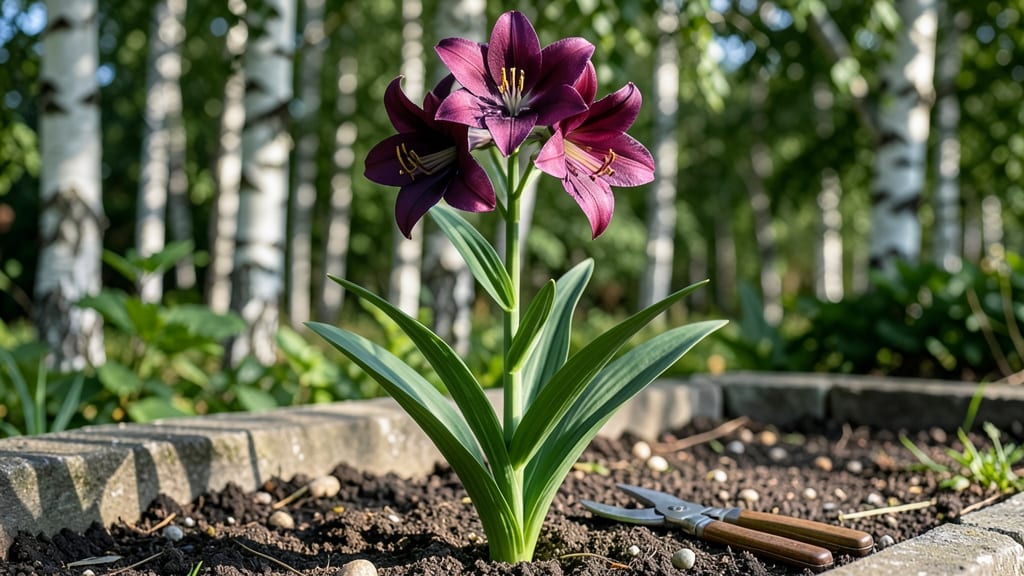
This plant with large purple flowers—like the Jackmanii clematis—was the first to steal my heart when I spotted it in full bloom, its velvety blooms reaching for the sky like royal banners. These plants aren't just pretty; they're the backbone of vertical gardens, transforming fences and trellises into living tapestries.
The best part? They thrive in the PNW's mild summers and cool winters, with varieties like hydrangeas (especially Nikko Blue) and lilacs adding structure and fragrance. Plant them near borders or containers where their dramatic blooms can take center stage—just give them 6 hours of sun and well-draining soil.
Maintenance is easy: prune spent blooms in early spring, and you'll get months of color from late spring through fall.
Imagine a garden where purple clematis drapes over an arbor, lavender adds texture nearby, and hydrangeas soften the edges with their lush foliage. The contrast of deep purple against silver-green leaves creates a showstopping display that lasts all season.
These plants also attract pollinators, making your garden a buzzing hub of life.
For best results, pair them with silver foliage plants like lamb's ear or golden-leafed shrubs to make the purple pop even more. And if you're worried about winter dieback, don't be—most of these plants are hardy to Zone 5, so they'll bounce back stronger every spring.
Let's make your garden the talk of the neighborhood!
📚 In This Guide
- What you need
- Instructions
- Tips and common mistakes
- Wrapping up and next steps
What you need
- ● Plant choice: 1–3 Delphinium (Larkspur) plants (perennial, 3–5 ft tall)
- ● OR 1–2 Dahlia tubers (annual, 3–6 ft tall, choose purple varieties like ‘Galaxy’ or ‘Café au Lait’)
- ● OR 1 Lupine (perennial, 2–4 ft tall, drought-tolerant)
- ● Soil: 1–2 bags (1.5–2 cubic feet each) of well-draining potting mix or native soil amended with compost (for bulbs/seeds, mix in perlite or sand for aeration).
- ● Fertilizer: 1 bag balanced 10-10-10 fertilizer (for seedlings/transplants)
- ● OR 1 lb bone meal (for bulbs like Dahlias)
- ● Watering tools: 1 watering can (1–2 gallons) or drip irrigation kit
- ○ 1 moisture meter (optional but helpful for PNW’s variable rain)
- ● Planting: 1 garden trowel or hand shovel
- ● 1 gloves (gardening or work gloves)
- ● 1 measuring tape (for spacing—Delphinium needs 12–18" apart!)
- ● Support: 2–4 stakes or tomato cages (for tall varieties like Dahlias)
- ● OR 1 roll garden twine (for trellising Lupine)
- ● Protection (PNW-specific!):strong> 1 row cover or frost cloth (for early spring planting)
- ● 1 mulch blanket (straw or wood chips, 2–3 inches thick)
- ● Location: Full sun (6+ hours/day) or partial shade (for Lupine in hotter microclimates).
- ● Climate prep: Test soil pH (aim for 6.0–7.0; Delphinium loves slightly alkaline soil!)
- ● Check frost dates—wait until after the last frost (typically May in PNW) to plant seeds/transplants.
- ○ Companion plants (optional but fun!):strong> 1–2 Salvia or Catmint plants (repel pests)
- ● 1 packet of marigold seeds (deter slugs)
Step-by-step guide to growing a Striking Pacific Northwest showstopper
Here's how to cultivate a bold, long-blooming purple beauty that thrives in our region's cool, moist climate.
Select the Perfect Pacific Northwest Native
For large, dramatic purple blooms that handle our climate beautifully, reach for Lupinus polyphyllus (lupine) or Delphinium elatum (delphinium). Both produce 3-5 inch blooms in stunning purples and thrive in USDA zones 3-9, making them ideal for the PNW. I've found that lupine handles wet winters best, while delphinium prefers slightly drier summers.
Check your site's drainage first. These plants despise soggy roots—amend heavy clay with 2-3 inches of compost if needed. The key is well-draining soil that still holds moisture. You'll know you've got it right when rainwater disappears within 24 hours after heavy showers.
Plant at the Right Time and Depth
Get them in the ground 4-6 weeks before your last frost date—typically late March to early April in most of the PNW. Dig holes twice as wide as the root ball but only as deep as the container's base. This prevents burying the crown too deeply, which causes rot.
Space plants 2-3 feet apart for lupine and 18-24 inches apart for delphinium. The larger the spacing, the better the air circulation—and that means fewer fungal issues. After planting, water deeply until moisture reaches 6 inches down. You'll see the soil surface darken noticeably when it's properly saturated.
Provide Support and Consistent Care
Both lupine and delphinium grow 3-6 feet tall, so install sturdy stakes or cages at planting time. These stems are top-heavy with blooms and need support to avoid flopping in our frequent wind and rain. I use 5-foot bamboo stakes driven 6 inches deep for delphinium, which gets particularly tall.
Water 1-2 times per week during the first growing season, aiming for 1 inch of water per week. Let the top 2 inches of soil dry out between waterings to prevent root rot. Once established, these plants are remarkably drought-tolerant—water only when the soil feels dry 3 inches down.
Prune for Longer Blooming and Health
Deadhead spent blooms every 2-3 weeks during the flowering season to encourage more blooms. Simply pinch off the faded flowers with your fingers or clean pruners. This prevents the plant from setting seed and redirects energy to producing more flowers.
After the first flush of blooms, cut back one-third of the plant's height to promote a second round of flowers. Do this in early July for delphinium or late June for lupine. You'll see fresh growth within 2-3 weeks, followed by another stunning display of purple.
Prepare for Winter and Next Year
In late fall, cut back the stems to 4-6 inches tall after the first hard frost. This prevents snow accumulation from breaking the stems and makes spring cleanup easier. Leave the foliage until early spring—it provides winter interest and protects the crown from temperature swings.
In early spring, apply a 2-inch layer of mulch around the base (but not touching the stems) to protect roots and retain moisture. This is also the time to divide clumps if your plants have become overcrowded. Simply dig up the clump, separate it into 3-4 inch sections, and replant immediately.
Tips & tricks for perfect Pacific Northwest showstopper blooms
A few key strategies will help you grow the most vibrant, long-lasting purple blooms in your PNW garden. These tips come from years of working with these showstopper plants in our unique climate.
Soil Preparation Matters: The 24-hour drainage test is your best friend when amending heavy clay soil. If rainwater lingers beyond this time, mix in an additional inch of compost and consider adding perlite or coarse sand for better aeration. I've seen lupine thrive in amended clay that would otherwise suffocate roots—don't skip this crucial prep step.
Planting Depth is Critical: When creating those holes twice as wide as the root ball, resist the urge to dig deeper than the container's base. The crown should sit just above soil level—any deeper and you risk rot from poor air circulation. I've lost too many delphiniums to over-planting to ever take this lightly again.
Support Systems Save Blooms: Those 5-foot bamboo stakes aren't just decorative—they're essential for preventing wind damage in our coastal areas. Install them at planting time before the stems become top-heavy. For extra security, tie stems to stakes with soft plant ties every 12 inches up the stem, especially important for delphinium which can reach 6 feet tall.
Pruning Timing Creates Second Flushes: The 2-3 week deadheading schedule keeps your plants flowering continuously, but timing that mid-summer pruning is everything. For delphinium, aim for early July when you see the first signs of new growth after the initial bloom—this gives the plant 6-8 weeks to recover before fall. Lupine responds best to late June pruning for that second flush.
Pro Tips for Plant With Large Purple Flowers
- A few key strategies will help you grow the most vibrant, long-lasting purple blooms in your PNW garden.
- Soil Preparation Matters: The 24-hour drainage test is your best friend when amending heavy clay soil.
- Planting Depth is Critical: When creating those holes twice as wide as the root ball, resist the urge to dig deeper than the container's base.
Frequently asked questions
Got questions about growing these stunning plant with large purple flowers? Here are some of the most common ones—plus quick answers to help you nail your garden game in the Pacific Northwest!
What’s the easiest way to grow these plants in the PNW?
Start with container gardening if your soil drains poorly—these beauties hate soggy roots! Use well-draining potting mix (add perlite or sand) and place pots in partial shade (morning sun, afternoon shade). For in-ground planting, amend heavy clay with compost and mulch to retain moisture. Pro tip: Test your soil’s pH—most prefer slightly acidic (6.0–6.5).
When do they bloom, and how long do the flowers last?
Blooms typically appear in late spring to early summer (May–June), with a second flush in fall for some varieties. Individual flowers last 3–5 days, but the plant keeps producing new buds for 4–6 weeks. For extended color, deadhead spent blooms (snip just above the next set of leaves) to encourage reblooming. Bonus: Some cultivars (like Agastache) attract hummingbirds for weeks!
How do I protect them from PNW rain and wind?
These plants are tough but not indestructible. To shield from wind, plant near a hedge, fence, or trellis. For heavy rain, ensure proper drainage—raise containers on feet or use saucers with drainage holes. If leaves yellow, it’s often overwatering. Water deeply 1–2x/week (less in winter) and let the top inch of soil dry out between waterings.
What are some low-maintenance alternatives with similar purple blooms?
If you want large purple flowers but less upkeep, try these PNW-friendly picks:
- Lavender (Lavandula) – Drought-tolerant, fragrant, and thrives in full sun.
- Catmint (Nepeta) – Blooms all summer, deer-resistant, and spreads easily.
- Russian Sage (Perovskia) – Silvery foliage, long bloom season, and zero fuss.
- Salvia ‘May Night’ – Striking purple spikes, heat-tolerant, and attracts pollinators.
Are these plants deer- or pest-resistant?
Most large purple-flowered plants (like Agastache or Salvia) are deer-resistant, but hungry critters might nibble young shoots. For extra protection, plant near deer-deterrents like lavender or Russian sage. As for pests, watch for aphids (spray with soapy water) or Japanese beetles (handpick or use neem oil). Healthy plants = fewer pests! Keep soil rich and water consistently.
Wrapping up and next steps
Adding a plant with large purple flowers to your garden is a fantastic way to bring drama, color, and local charm to your Pacific Northwest space!
Whether you choose the bold Delphinium, the elegant Lilac, or the hardy Bleeding Heart, these showstoppers thrive in your region’s climate while attracting pollinators and boosting biodiversity. 🌸
Ready to transform your garden? Start by selecting the perfect spot, gathering your supplies, and planting with confidence. Your next step: sketch a quick garden layout or browse local nurseries for your favorite purple blooms—then get growing! 🌱