
Flowers
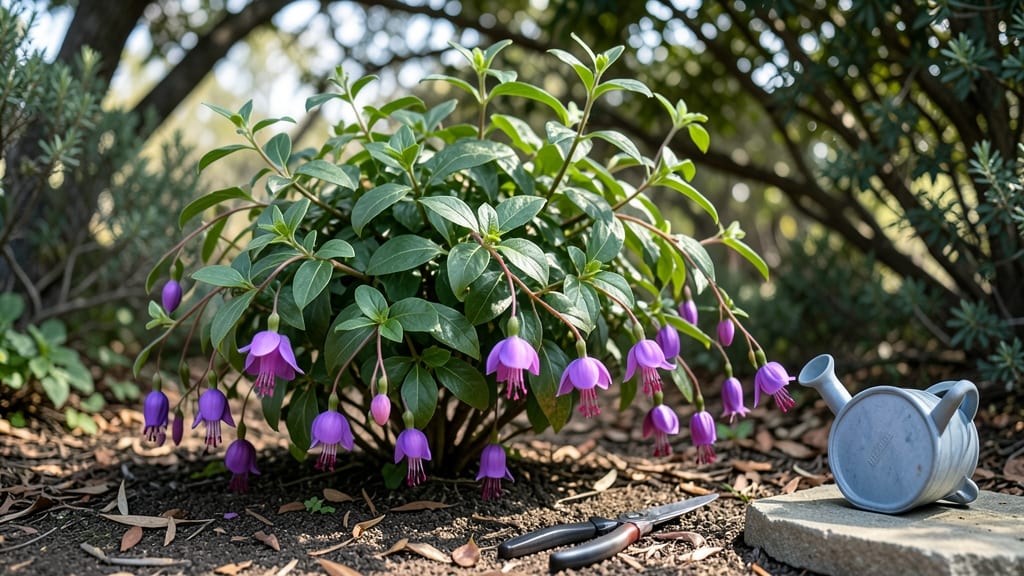
Purple draping flowers transform your garden into a dreamy, romantic escape—think velvety waterfalls of color spilling over trellises and hanging baskets. 🌿 I fell in love with them after planting clematis along my porch, where their lavender-blue blooms create a living curtain that sways in the breeze.
They’re the secret weapon for adding vertical drama without taking up precious ground space, perfect for small yards or urban balconies.
These plants thrive in spots with morning sun and afternoon shade, making them versatile for most gardens. Pair them with silver foliage like lamb’s ear or dusty miller to make the purple pop even more, or tuck them near white flowers for a soft, ethereal contrast.
A single trailing petunia or lobelia can turn a plain fence into a showstopper, while fuchsias add a touch of old-world charm to cottage-style gardens.
The result? A garden that feels like a storybook—layers of color, texture, and movement that draw the eye upward. Imagine sipping tea on a porch surrounded by cascading blooms or strolling through a border where every step reveals new shades of purple.
These flowers don’t just fill space; they create atmosphere, turning ordinary areas into breathtaking focal points.
Whether you’re dressing up a trellis, softening a bare wall, or adding flair to a balcony, purple draping flowers deliver effortless elegance. They’re low-maintenance once established, so you get drama with minimal fuss. Let’s bring that cascading magic to your garden!
📚 In This Guide
- What you need
- Instructions
- Tips and common mistakes
- Wrapping up and next steps
What you need
- ● Purple draping flower plants: Choose from varieties like Petunia 'Supertunia', Lobelia 'Crystal Palace', or Fuchsia 'Giant Marble' (3–5 plants for a full cascading effect).
- ● High-quality potting mix: 2–3 bags (well-draining, peat-based or coco-coir blend).
- ● Containers or garden beds: Hanging baskets: 10–12" diameter (1–2 per plant for trailing).
- ● Window boxes or planters: 12–18" depth (ensure drainage holes!).
- ● Garden soil (if planting outdoors): Loosen and amend with compost.
- ● Slow-release fertilizer: 1–2 granules per plant (or liquid fertilizer for feeding).
- ○ Mulch (optional but recommended): Shredded bark or coconut coir to retain moisture.
- ● Gloves & knee pads: For comfort during planting.
- ● Trowel or small shovel: For transplanting or digging.
- ● Watering can or hose with gentle spray: Avoid damaging delicate stems.
- ● Pruning shears (sterilized): For trimming dead blooms or overgrowth.
- ● Sunlight assessment: Confirm your space gets 4–6 hours of direct sun (adjust for shade-loving varieties).
- ○ Support structures (optional): Small stakes or trellises for upright varieties.
- ● Cascading wire or decorative chains for hanging baskets.
How to create a stunning purple draping flower display
Here's how to craft a lush, cascading flower arrangement that brings drama and color to any garden space.
🌱 Step 1: Choose the Right Purple Draping Varieties
Select plants known for their trailing habits and rich purple blooms. My go-to choices are petunias, fuchsias, or nasturtiums—all thrive in hanging baskets or containers. Petunias offer bold, trumpet-shaped flowers, while fuchsias bring delicate, bell-like blooms. Nasturtiums add a peppery aroma and vibrant, trailing leaves.
Check the plant tags for mature size—most trailing varieties reach 12-24 inches long, perfect for creating a waterfall effect. I like to mix heights: place taller plants in the back and shorter ones in front to build depth. If you're using seeds, start them indoors 6-8 weeks before the last frost for a head start.
☀️ Step 2: Prepare Containers and Planting Medium
Use hanging baskets or deep containers with drainage holes to prevent root rot. A 10-12 inch diameter basket works well for a full, cascading look. Fill the bottom third with lightweight potting mix—I mix 2 parts potting soil with 1 part perlite for extra drainage and air flow.
Moisten the mix until it's damp but not soggy—think of a wrung-out sponge. Press it down lightly to remove air pockets, then add a slow-release fertilizer (like 10-10-10) to feed the plants for 2-3 months. This ensures strong roots and abundant blooms without constant feeding.
💧 Step 3: Plant and Water for Immediate Root Establishment
Gently loosen the roots of your plants if they're root-bound, then place them in the container. For trailing varieties, position them near the edge of the basket so their stems can cascade over the sides. Fill in around the roots with more potting mix, pressing lightly to secure the plants without compacting the soil.
Water thoroughly until it drains from the bottom. Let the excess water run out completely—this prevents soggy soil, which can drown roots. After planting, place the container in a shaded area for 24 hours to reduce transplant shock. This gives the roots time to settle before introducing them to full sun.
✂️ Step 4: Maintain for Continuous Blooms and Trailing Growth
Once planted, keep your draping flowers in full sun to partial shade (6+ hours of sunlight daily). Water when the top inch of soil feels dry—usually every 1-2 days in hot weather. I like to water in the morning so the foliage dries quickly, reducing the risk of fungal diseases like powdery mildew.
Pinch back leggy stems to encourage bushier growth and more blooms. When you see new growth, trim just above a set of leaves to redirect energy into flowering. Deadhead spent blooms regularly—this keeps the plant focused on producing new flowers instead of seeding. Feed every 2-3 weeks with a balanced liquid fertilizer during the growing season.
🪴 Step 5: Prune and Refresh for Year-Long Drama
Mid-season, give your plants a light pruning to remove any yellowed or damaged leaves. This improves airflow and keeps the plant looking tidy. If growth slows, trim back the longest stems by one-third—this often triggers a flush of new, vigorous growth and more blooms.
By late summer, your trailing flowers may start to look tired. Refresh them by trimming back half the stems and repotting into fresh potting mix. This rejuvenates the plant and extends the blooming season. With proper care, your purple cascading display will keep flowering until the first frost, creating a stunning focal point all season long.
Tips & tricks for perfect purple draping flower displays
Here's what I've learned after years of creating cascading flower displays—these small details make all the difference.
Plant Placement Strategy: When arranging your trailing varieties in Step 1, place the tallest plants like petunias at the back center of your container. This creates a natural focal point that draws the eye upward, while shorter fuchsias or nasturtiums along the edges will spill beautifully over the sides. Think of it like a waterfall—you want that visual flow from back to front. The mature size of 12-24 inches gives you perfect flexibility to create that layered effect.
Soil Mix Secret: In Step 2, don't skip the perlite! That 1:2 ratio of perlite to potting soil might seem unusual, but it's what prevents soggy soil and root rot in those hanging baskets. I've ruined three containers by skipping this step—trust me, the drainage makes all the difference. Press that mix down just enough to remove air pockets, but don't compact it too tightly or you'll restrict root growth.
Transplanting Hack: That 24-hour shaded recovery period in Step 3 is non-negotiable for stressed plants. After transplanting, I place my containers on a shaded patio or under a tree. The key is to give roots time to establish before full sun exposure. You'll notice new growth appears within 5-7 days if they've had proper recovery time. Pro tip: Use a small fan on low setting for 10 minutes daily during this period to help strengthen stems.
Fertilizer Timing: The slow-release 10-10-10 fertilizer in Step 2 will last you that full 2-3 months, but don't wait until then to supplement. After 6 weeks, switch to that liquid fertilizer every 2-3 weeks as mentioned in Step 4. I've found that adding a seaweed-based fertilizer to the liquid mix gives plants an extra boost of minerals. Always water thoroughly before applying liquid fertilizer to prevent root burn.
Pro Tips for Purple Draping Flower
- Here's what I've learned after years of creating cascading flower displays—these small details make all the difference.
- Plant Placement Strategy: When arranging your trailing varieties in Step 1, place the tallest plants like petunias at the back center of your container.
- Soil Mix Secret: In Step 2, don't skip the perlite!
Frequently asked questions
Got questions about adding purple draping flower drama to your garden? You’re not alone! Here are some of the most common queries—plus quick, expert answers to help you get started with confidence.
What are the best purple draping flowers for full sun exposure?
If your garden bakes in sunlight, opt for Lantana, Petunia varieties like 'Wave Purple,' or Salvia 'Hot Lips.' These thrive in 6+ hours of direct sun and produce vibrant, cascading blooms. Pair them with drought-tolerant mulch to retain moisture!
How long does it take for purple draping flowers to grow and bloom?
Most trailing purple flowers bloom within 8–12 weeks from seed (or 4–6 weeks from transplants). Faster options like Nasturtiums or Sweet Potato Vine may flower in just 6–8 weeks. Patience pays off—consistent watering and deadheading spent blooms encourage longer, lusher cascades!
Do purple draping flowers need special care during droughts?
Yes! While many (like Verbena) are drought-resistant, they’ll reward you with bigger blooms if you water deeply 1–2 times per week during dry spells. Pro tip: Use self-watering planters or drip irrigation to keep roots happy without overwatering.
Can I grow purple draping flowers in containers? If so, what’s the best setup?
Choose hanging baskets, window boxes, or tall pots (12"+ depth) for trailing varieties. Mix in cactus soil for drainage, add a slow-release fertilizer, and train vines with lightweight spider clips. Petunias and Begonias are top picks for containers!
What pests should I watch for with purple draping flowers?
Common culprits include aphids (tiny green/black bugs), spider mites, and earwigs. Spray leaves with neem oil or introduce ladybugs for natural control. Prevention tip: Prune crowded foliage to improve airflow and reduce pest hideouts.
Still stumped? Drop your question in the comments—we’re happy to help your garden glow with purple!
Wrapping up and next steps
Incorporating a purple draping flower into your garden isn’t just about adding color—it’s about crafting a scene of natural elegance and movement. These cascading beauties bring drama, texture, and a touch of whimsy, transforming any space into a serene retreat.
Whether you’re a seasoned gardener or just starting, their versatility makes them a perfect choice for both containers and landscapes.
Ready to bring this dreamy drama to life? Start by choosing the perfect variety for your climate and space, then gather your supplies and dive in! Your garden’s next masterpiece is just a few steps away—go ahead and make it bloom! 🌸✨