Flowers
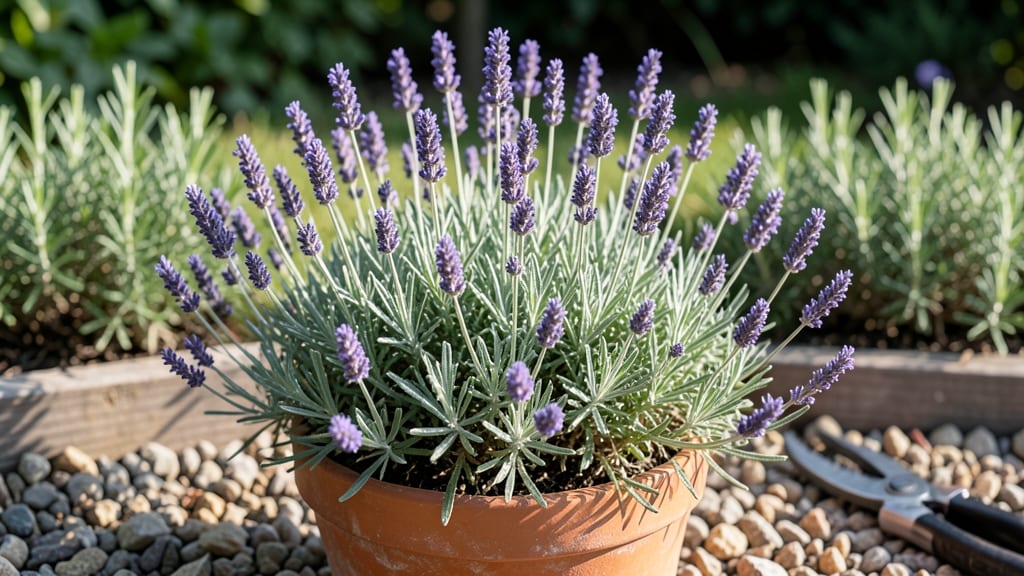
There’s nothing quite like purple lavender flowers to turn a garden into a fragrant sanctuary where bees buzz and tea steeps with floral charm. 🌿 I’ve designed entire borders around their velvety blooms—pairing them with silver foliage for striking contrast or tucking them into containers where their scent drifts through summer air.
The key is placement: full sun brings out the deepest hues, while spacing them just right keeps the fragrance from overwhelming.
Lavender thrives in well-drained soil and needs minimal fuss—just trim back after blooming to encourage bushier growth. I’ve seen it transform rocky slopes into pollinator hotspots or soften modern landscapes with its airy texture.
For tea lovers, harvesting just before full bloom gives the most aromatic leaves, but even if you skip the brewing, the sight of butterflies landing on their spikes is reward enough.
You’ll create a garden that’s both a visual stunner and a functional ecosystem—lavender’s drought tolerance makes it perfect for low-water designs, while its companion plants (like rosemary or catmint) extend the season’s interest. The fragrance lingers long after the blooms fade, and the bees? They’ll thank you all summer long.
Whether you’re lining a path, filling a pot, or planting a pollinator patch, lavender’s versatility means it fits anywhere. Start small—even a single plant in a sunny corner will make a difference. Here’s how to make the most of its magic in your space.
📚 In This Guide
- What you need
- Instructions
- Tips and common mistakes
- Wrapping up and next steps
What you need
- ● Purple lavender plants: 3–5 healthy nursery-grown plants (e.g., Lavandula angustifolia or Lavandula x intermedia). Choose established plants (1–2 years old) for faster blooms!
- ● Well-draining soil: 5–10 gallons of a mix of potting soil (60%), perlite or coarse sand (20%), and compost (20%). Lavender hates soggy roots!
- ● Containers or garden bed: Containers: 12–18" pots with drainage holes (1 pot per plant). Terracotta or fabric pots work best.
- ● Garden bed: Full sun (6+ hours/day) and rocky, alkaline soil (pH 6.5–7.5). Amend clay soil with gravel or sand.
- ● Slow-release fertilizer: 1 tbsp of low-nitrogen, high-phosphorus fertilizer (e.g., 5-10-10) per plant at planting time.
- ● Mulch: 1–2 inches of gravel or pebbles (organic mulch can retain too much moisture).
- ● Pruning shears: Sharp, clean bypass pruners (sterilize with rubbing alcohol between cuts).
- ● Gloves: Heavy-duty gardening gloves (lavender stems can be prickly!).
- ● Watering can or hose: With a gentle spray nozzle (lavender dislikes wet foliage).
- ● Harvesting basket or scissors: A breathable mesh bag or sharp scissors for cutting stems.
- ○ pH testing kit (optional): To check soil acidity if growing in containers or poor soil.
- ● Dried lavender buds: Harvested stems (see instructions for drying).
- ○ Food-grade essential oil (optional): 1–2 drops per cup for infused oils or teas.
- ● Muslin bags or jars: For storing dried lavender or making sachets.
- ● Honey or sweetener (for tea): Local honey pairs divinely with lavender!
Step-by-step guide to cultivating lush purple lavender
Here’s how to grow fragrant, pollinator-loving lavender that thrives year after year.
🌱 Step 1: Choose the Perfect Location and Soil
Lavender demands full sun—at least 6-8 hours daily—and well-draining soil. Pick a spot with southern exposure where it gets morning sun and afternoon warmth. Avoid low-lying areas where water pools, as soggy roots lead to rot.
Amend heavy soil with sand or gravel to improve drainage. Lavender hates humidity and compacted earth. If your garden soil is clay-heavy, mix in 20% coarse sand or crushed granite before planting. The goal is soil that feels gritty and drains within minutes of watering.
🪴 Step 2: Plant with Space and Proper Technique
Dig holes twice as wide as the root ball but only as deep as the container’s base. Space plants 18-24 inches apart—crowding leads to weak stems and poor airflow. Gently remove lavender from its nursery pot and tease the roots if they’re circling.
Place each plant so the top of the root ball sits just below soil level. Backfill with amended soil, pressing lightly to eliminate air pockets. Water deeply right after planting to settle the soil, but avoid soaking the crown—lavender roots rot if they stay wet.
☀️ Step 3: Water and Feed for Long-Term Health
Once established, lavender is drought-tolerant, but young plants need consistent moisture for the first 4-6 weeks. Water at the base every 2-3 days until the soil feels dry 1-2 inches down. Overwatering is the fastest way to kill lavender—it’s adapted to dry climates, not soggy ones.
After the first year, fertilize lightly in early spring with low-nitrogen, high-phosphorus fertilizer (like 5-10-10). Too much nitrogen makes lavender grow leafy but flowerless. Mulch with gravel or pebbles to keep roots cool and deter weeds without smothering the plant.
✂️ Step 4: Prune for Bushiness and Bloom
Prune lavender right after flowering (late summer) to encourage dense growth. Cut back one-third of the current year’s growth with sharp shears, avoiding old wood. This shapes the plant and prevents legginess. Never prune into bare stems—always leave some green growth.
Deadhead spent blooms in early fall to redirect energy into root development for next year. Avoid heavy pruning in spring, as lavender flowers on new growth. If your plant looks woody at the base, it’s time to propagate cuttings or replace it—lavender has a lifespan of 5-7 years before declining.
🐝 Step 5: Protect and Maintain for Pollinators
Lavender’s fragrance attracts bees and butterflies, but it’s also deer-resistant. If rabbits are a problem, install chicken wire cages around new plants until they’re established. The strong scent usually deters pests, but watch for aphids on new growth—spray with neem oil if needed.
In winter, lavender survives in USDA zones 5-9 with a thick layer of mulch (2-3 inches of straw or leaves) around the base. If you’re in a colder zone, group plants together for shared warmth. Avoid heavy snow buildup—it can break stems.
Tips & tricks for perfect purple lavender cultivation
Between us, lavender’s alluring purple blooms and intoxicating scent make it a garden standout—but only if you nail the basics. Here’s how to avoid the pitfalls that turn lavender from lush to limp.
Sunlight Strategy: While the instructions emphasize 6-8 hours of full sun daily, I’ve seen lavender struggle even with "plenty of sun" if it’s not direct. South-facing windowsills or raised beds get the most consistent light. If your garden has afternoon shade, consider a portable grow light for 2-3 hours during the plant’s critical first 4-6 weeks—this is when roots establish and sun requirements matter most.
Soil Science: The 20% coarse sand or gravel amendment is non-negotiable for clay soils, but don’t overlook testing your mix’s drainage. Fill a container with your amended soil, water it thoroughly, then time how long it takes to drain completely—ideal lavender soil should empty within 10-15 minutes. If it pools water, add more gritty material. Pro tip: Mix in 1 part perlite to 3 parts soil for extra insurance against soggy roots.
Pruning Precision: When cutting back one-third of the current year’s growth in late summer, focus on the outermost stems first—they’re the oldest and most woody. Use sharp shears to make clean cuts at a 45-degree angle just above a leaf node. This encourages bushier growth next season. And here’s what nobody tells you: If your lavender looks leggy by spring, it’s already too late to prune—you’ll have to wait until next year’s blooms to shape it properly.
Winter Survival: That 2-3 inch mulch layer in colder zones is your best defense against freeze-thaw cycles that heave roots out of the ground. For extra protection in zones 5 or colder, wrap young plants in burlap after the first frost. I’ve seen lavender survive -15°F with this method, though the scent may be less intense the first year after severe cold. Grouping plants also works because their combined foliage traps heat—just be sure to space them 18-24 inches apart as instructed to maintain airflow.
Pro Tips for Purple Lavender Flowers
- Between us, lavender’s alluring purple blooms and intoxicating scent make it a garden standout—but only if you nail the basics.
- Sunlight Strategy: While the instructions emphasize 6-8 hours of full sun daily, I’ve seen lavender struggle even with "plenty of sun" if it’s not direct.
- Soil Science: The 20% coarse sand or gravel amendment is non-negotiable for clay soils, but don’t overlook testing your mix’s drainage.
Frequently asked questions
Got questions about purple lavender flowers?
You’re not alone! Here are answers to the most common queries—from planting to harvesting—so you can grow (and enjoy) this fragrant beauty with confidence.
When is the best time to plant purple lavender?
Plant purple lavender in early spring (after the last frost) or early fall (4–6 weeks before the first frost). Avoid summer heat, which can stress young plants. Well-drained soil and full sun (6+ hours/day) are key—lavender hates soggy roots! For containers, plant in late spring to let the soil warm up.
How long does it take for purple lavender to bloom?
With patience, purple lavender typically blooms 60–90 days after planting from seeds (or same season if transplanted as mature plants). Early spring plantings often flower by mid-summer. Prune spent blooms to encourage reblooming in fall, but avoid cutting into old wood—this can kill the plant!
Are purple lavender flowers good for pollinators?
Purple lavender is a pollinator magnet, attracting bees, butterflies, and hoverflies with its nectar-rich blooms. For maximum impact, plant in clusters (3+ plants) and avoid pesticides. Bonus: The flowers also repel pests like moths and fleas—nature’s built-in garden helper!
Why are my purple lavender leaves turning brown?
Brown leaves usually signal overwatering or poor drainage. Lavender thrives on drought-like conditions—water deeply but infrequently (once a week in summer, less in winter). Amend heavy soil with sand or gravel, and ensure pots have drainage holes. Yellowing leaves? Check for root rot or nutrient deficiencies (try a balanced fertilizer in spring).
Can I use purple lavender flowers for tea, or do I need a special variety?
Yes! Most purple lavender varieties (like English lavender) are safe for tea, but avoid Spanish lavender (toxic) or hybrid lavandins. Harvest just-before-full-bloom flowers, dry them in bundles, and steep 1 tsp per cup of hot water for 5–10 minutes. Pro tip: Mix with chamomile or mint for a soothing blend!
What can I plant near purple lavender for a pollinator-friendly garden?
Pair lavender with drought-tolerant companions like:
- Salvia (bees love it!)
- Thyme or oregano (herbs that thrive in similar conditions)
- Russian sage (long blooms, same color palette)
- Catmint (deer-resistant and pollinator-friendly)
Wrapping up and next steps
Purple lavender flowers aren’t just a feast for the eyes—they’re a fragrant, pollinator-friendly powerhouse for gardens and even your cup of tea! 🌸 Whether you’re growing them for beauty, bees, or relaxation, their versatility makes them a must-have.
With the right care and a little creativity, you can transform your space into a blooming sanctuary that thrives year after year.
Ready to dive in? Start small—plant a few lavender sprigs or brew a soothing cup of lavender tea tonight. Your garden (and your senses) will thank you! 🌿✨