
Flowers
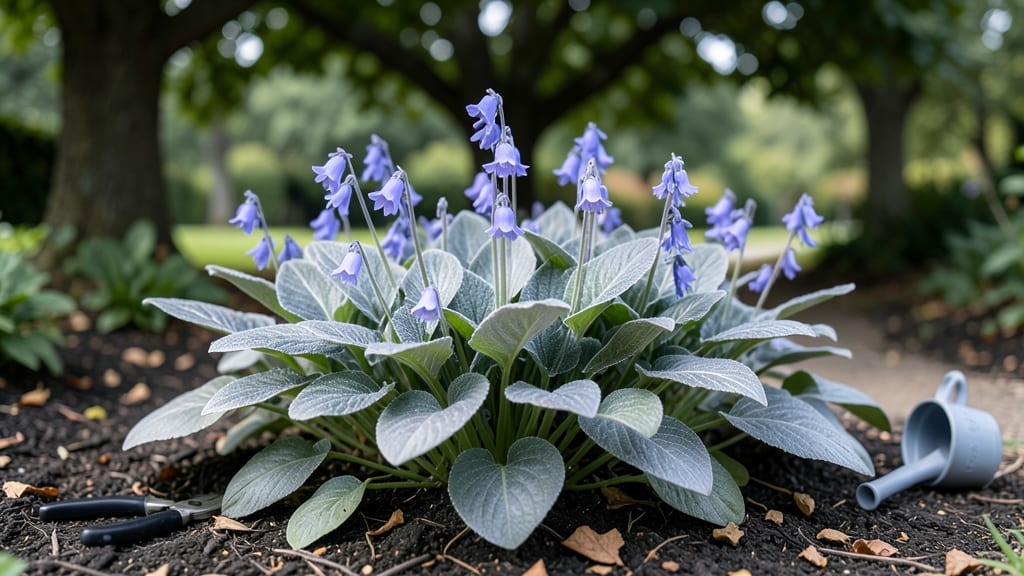
The Purple Moonlight flower thrives in the Pacific Northwest's damp, cool climate—its delicate lavender blooms even brighten winter gardens. 🌿 I first fell for it after my first frost left neighboring flowers drooping, while these kept standing tall, their petals dusted with morning dew.
This biennial beauty isn't just frost-resistant; it's a self-seeding workhorse that multiplies each year with minimal effort.
You'll need a spot with partial shade—morning sun and afternoon dappled light work best—and well-draining soil rich in organic matter. The secret to its success lies in patience: sow seeds directly in fall or early spring, and resist the urge to disturb them once established.
Water consistently but avoid soggy soil, which leads to root rot in our rainy climate.
By late spring, you'll be rewarded with clusters of fragrant blooms that attract pollinators while repelling pests. The flowers stay vibrant for weeks, and the seed pods add winter interest.
Prune spent blooms to encourage more flowers, but leave some for seed heads if you want next year's crop to pop up naturally.
Pair it with sweet woodruff or lungwort for a woodland garden feel, or plant near roses to deter aphids. Even in Zone 6, this plant handles cold snaps like a champ—perfect for gardeners who love low-maintenance, high-impact plants that keep giving year after year.
📚 In This Guide
- What you need
- Instructions
- Tips and common mistakes
- Wrapping up and next steps
What you need
- ● Seeds: 20-50 Hesperis matronalis seeds (organic, untreated preferred)
- ● Growing Medium: Well-draining potting mix (50% peat moss, 30% perlite, 20% compost)
- ● OR native PNW soil amended with compost (if planting outdoors)
- ● Containers (if starting indoors): 4-6" biodegradable pots (2-3 per seed)
- ● Fertilizer: Balanced organic fertilizer (10-10-10 or 5-5-5 NPK ratio)
- ● Mulch: Straw or shredded leaves (2-3 inches for insulation)
- ● Gloves (gardening or nitrile)
- ● Trowel (for transplanting)
- ● Watering can (with a fine rose nozzle)
- ● Spray bottle (for seedling misting)
- ● Pruners (sterilized, for deadheading)
- ○ pH Test Kit (optional but helpful—ideal soil pH: 6.0-7.0)
- ● Frost cloth (lightweight, for early/late season protection)
- ● Growth lights or sunny windowsill (if starting indoors early)
- ● Epsom salt (for magnesium boost, 1 tbsp per gallon of water)
- ● Compost tea (for nutrient-rich soil)
- ● Stakes or cages (if flowers need support in windy PNW conditions)
Step-by-Step guide to cultivating Purple Moonlight flowers in the Pacific Northwest
This cold-hardy beauty thrives in your region’s climate—here’s how to coax its striking blooms.
🌱 Step 1: Select the Right Location and Soil Prep
Purple Moonlight (Lunaria annua) loves partial shade but tolerates full sun with afternoon relief—critical in the PNW’s humid summers. Choose a spot with morning sun and dappled afternoon light to prevent leaf scorch. The soil should drain well but retain moisture; amend heavy native soil with 2-3 inches of compost to improve aeration.
Here’s the thing—this plant despises soggy roots. If your site holds water after rain, raise beds or plant on a slight mound. Test drainage by digging a 6-inch hole, filling it with water, and checking if it drains within 2 hours. If not, mix in sand or perlite (up to 20% of the soil volume).
☀️ Step 2: Plant at the Right Time and Depth
Spring is ideal for transplanting Purple Moonlight, but it’s frost-tolerant enough to handle early spring plantings once soil warms to 45°F. Dig holes twice as wide as the root ball but only as deep—burying too deep suffocates stems. Space plants 18-24 inches apart to allow air circulation, which prevents fungal issues common in the PNW’s damp climate.
Gently tease the roots if they’re circling in the container, then backfill with native soil mixed with compost. Water deeply right after planting to eliminate air pockets, but avoid compacting the soil. You’ll know it’s right when the surface looks settled but still crumbly.
💧 Step 3: Water and Fertilize for Lush Growth
Keep soil consistently moist but never soggy—water when the top 1-2 inches feel dry. In the PNW’s rainy season, reduce watering to prevent root rot. Mulch with 2-3 inches of shredded bark to conserve moisture and suppress weeds, but keep mulch 2 inches away from stems to avoid rot.
Feed lightly: Purple Moonlight doesn’t demand rich soil. Apply a balanced 10-10-10 fertilizer at half-strength once in early spring and again after flowering. Over-fertilizing leads to lush foliage but fewer blooms—this plant prioritizes flowers over leaves, so let it guide your hand.
✂️ Step 4: Prune and Deadhead for Extended Blooms
Remove spent blooms by cutting stems back to the nearest leaf node. This encourages continuous flowering from early summer through fall. Prune leggy stems in late summer to promote bushier growth before winter. Wear gloves—this plant’s leaves can be slightly irritating when handled.
Real talk: Purple Moonlight’s seed pods are its signature feature, but they steal energy from new blooms. If you love the pods, leave them; if you want more flowers, snip them off as they form. Either way, the plant self-seeds readily in the PNW’s mild winters—just thin seedlings to 12 inches apart in spring.
⏰ Step 5: Prepare for Winter and Next Year’s Blooms
The PNW’s frost won’t harm Purple Moonlight, but a 2-3 inch layer of mulch protects roots in harsh winters. In early spring, remove old mulch and add fresh compost to replenish nutrients. The plant’s deep taproot means it rarely needs dividing, but if growth slows after 3-4 years, dig up clumps and separate in early spring before new shoots emerge.
Watch for aphids in spring—they adore new growth. Blast them off with water or treat with neem oil if they persist. With minimal care, your Purple Moonlight will reward you with months of silvery-purple blooms, followed by iconic heart-shaped seed pods that add winter interest.
Tips & tricks for perfect Purple Moonlight flower cultivation
A few strategic moves will help you coax the most stunning blooms from your Purple Moonlight—especially in the PNW’s tricky climate.
Soil Drainage Test: That 2-hour drainage test in Step 1 is non-negotiable. I learned this the hard way after losing two plants to root rot in my backyard’s compacted soil. If your site fails the test, consider raised beds or container growing—both create ideal conditions without the guesswork. The goal is that perfect balance where water drains freely but the soil stays moist enough to support root development.
Planting Depth Visual: When planting in Step 2, use the root ball as your guide—bury it at the same depth it was in its container. A simple trick: draw a line on the container’s side before planting, then match that line with the soil surface. Too deep? Stems suffocate. Too shallow? Roots dry out. The PNW’s variable rainfall makes this precision especially important.
Fertilizer Timing: The half-strength 10-10-10 application in Step 3 should happen when you see new growth in early spring, not when the plant is already flowering. I once over-fertilized mid-summer and ended up with leafy stems but no blooms—this plant’s priorities are clear: flowers over foliage. Think of it as giving your plant a gentle nudge rather than a heavy dose of vitamins.
Winter Mulch Strategy: That 2-3 inch mulch layer in Step 5 works wonders, but here’s the pro move: use straw or shredded leaves instead of wood chips. They break down faster in spring, giving your plant a head start. Plus, they insulate better against our unpredictable PNW winters. Just remember to pull back the mulch 2 inches from stems to prevent rot.
Pro Tips for Purple Moonlight Flower
- A few strategic moves will help you coax the most stunning blooms from your Purple Moonlight—especially in the PNW’s tricky climate.
- Soil Drainage Test: That 2-hour drainage test in Step 1 is non-negotiable.
- Planting Depth Visual: When planting in Step 2, use the root ball as your guide—bury it at the same depth it was in its container.
Frequently asked questions
Got questions about nurturing the Purple Moonlight Flower (also known as Hesperis matronalis) in your Pacific Northwest garden? You’re not alone—this delicate beauty has its quirks! Here are answers to the most common queries to help you grow with confidence.
How cold-hardy is the Purple Moonlight Flower in the PNW?
The Purple Moonlight Flower is a zone 3-8 plant, making it perfectly suited for the PNW’s frosty winters! It thrives in temperatures down to -40°F (-40°C) and often self-seeds after blooming. Just ensure it’s planted in well-draining soil to avoid soggy roots during winter rains.
When is the best time to plant Purple Moonlight Flowers?
For spring blooms, plant seeds in early fall (September-October)—this mimics their natural cycle and gives roots time to establish before winter. If starting from transplants, late winter to early spring (February-March) works best. Pro tip: If planting in late summer, give seedlings extra care to prevent frost damage.
Why aren’t my Purple Moonlight Flowers blooming?
No blooms? Don’t worry—this hardy plant often takes 1-2 years to mature. Common culprits include:
- Poor sunlight: Ensure it gets full sun to partial shade (6+ hours of sun/day).
- Over-fertilizing: Too much nitrogen = lush foliage, fewer flowers. Use a low-phosphorus fertilizer or compost instead.
- Crowded roots: Thin seedlings if overgrown—they need 12-18 inches of space.
If established plants still refuse to bloom, deadhead spent flowers to encourage reblooming!
Are Purple Moonlight Flowers deer- or pest-resistant?
While deer rarely bother this flower (thanks to its mild toxicity), cabbage moths and aphids might visit. Solution: Spray with neem oil or introduce ladybugs to keep pests in check. For deer-prone areas, plant near rosemary or lavender—their scent deters browsers!
Can I grow Purple Moonlight Flowers in containers?
Use a 12-inch-wide pot with drainage holes and a mix of potting soil + perlite. Keep it in full sun and water when the top inch of soil is dry. Bonus: Move containers indoors before hard frosts if you’re in a microclimate with heavy freezes.
Wrapping up and next steps
The purple moonlight flower isn’t just a stunning addition to your Pacific Northwest garden—it’s a low-maintenance, frost-resistant superstar that thrives where others struggle. 🌙 With the right soil, sunlight, and a little patience, you’ll be rewarded with velvety blooms that light up your landscape like magic.
Whether you’re a seasoned gardener or a beginner, this resilient beauty makes growing easier than ever.
Ready to transform your garden? Start by gathering your supplies and reviewing the tips—then dig in! Plant your first purple moonlight flower this season and watch your outdoor space bloom with effortless elegance. 🌸