Flowers
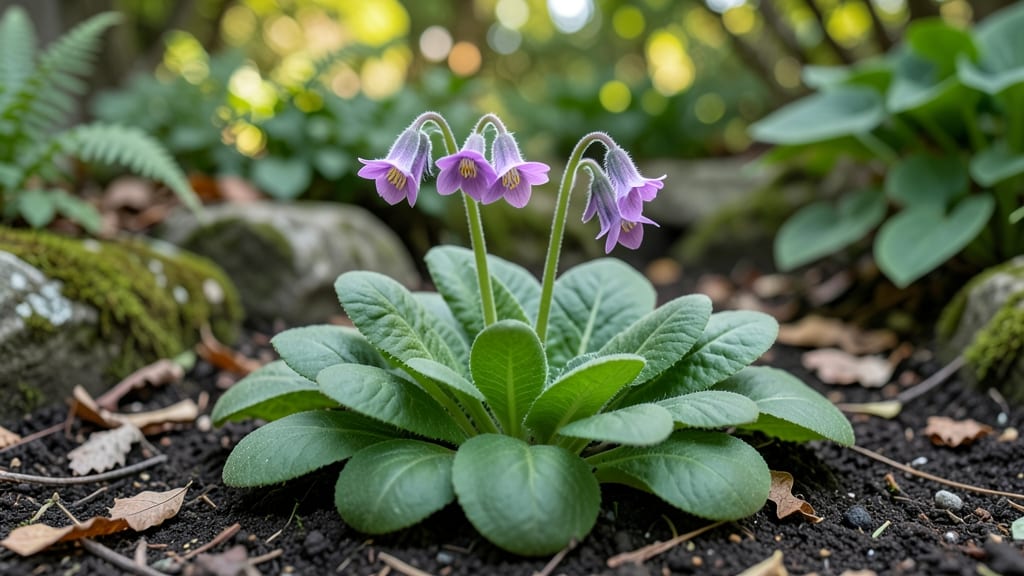
The purple primrose flower thrives where others falter—its velvety blooms punch through damp Pacific Northwest soil each spring like nature’s own defiance. 🌿 I’ve watched them transform soggy garden corners into jewel-toned havens, their deep violet petals standing out against the muted greens of early growth.
They’re not just cold-hardy; they’re the unsung heroes of shade gardens where most flowers refuse to play.
Pair them with silver-leaved plants like lamb’s ear or dusty miller for striking contrast, or tuck them alongside hellebores and ferns for a woodland-inspired border.
Their delicate clusters work beautifully in seasonal themes—plant them alongside early crocuses for a layered spring display, or mix with late-blooming lungwort for extended color. The key is grouping them in clusters of 5-7 plants for maximum impact without overwhelming the space.
What you’ll love most is how they soften harsh edges—their fuzzy foliage and nodding blooms add texture that smooths out garden transitions. Use them as a foundation layer in borders or as a focal point in containers, where their cheerful faces lift even the gloomiest corners.
Once established, they’ll multiply like wildfire, creating lush carpets of color that last from late winter through early summer.
For best results, plant them in partial shade with well-draining soil—they hate soggy roots but adore moisture. In the PNW’s rainy climate, they’ll reward you with blooms when most gardens are still bare.
The secret to long-term success? A light mulch of composted leaves in fall to protect their roots through winter. Now go make your garden sing with purple.
📚 In This Guide
- What you need
- Instructions
- Tips and common mistakes
- Wrapping up and next steps
What you need
- ● Purple primrose seeds or bulbs: Choose Primula vulgaris (common primrose) or Primula denticulata (cushion primrose) varieties. Buy from a trusted nursery or online seed supplier (e.g., Burpee or Baker Creek Heirloom Seeds). Quantity: 10–20 seeds/bulbs per planting area.
- ● Well-draining potting soil: A mix designed for shade-loving perennials or woodland plants. Size: 1–2 gallons per container or for direct sowing.
- ● Garden bed or containers: For in-ground planting: A partially shaded spot with moist, humus-rich soil (pH 5.5–6.5).
- ● For containers: 6–8" pots with drainage holes (terracotta or fabric pots work best).
- ○ Compost or organic fertilizer: A balanced 10-10-10 or fish emulsion to boost nutrients. Optional: Slow-release granules for long-term growth.
- ● Hand trowel or small shovel: For digging and transplanting.
- ● Watering can or hose with a gentle spray nozzle: Primroses love moisture but hate soggy roots!
- ○ Mulch (optional but recommended): Shredded bark or pine needles to retain moisture and suppress weeds.
- ● Pruners: For trimming dead foliage after blooming.
- ● Gloves: Protect your hands from thorny stems (if growing Primula denticulata).
- ● Timing: Seeds: Start indoors 8–10 weeks before last frost (Zone 5–9). Direct sow in fall for spring blooms.
- ● Bulbs: Plant in early fall (Sept–Oct) or early spring (March–April).
- ● Climate prep: Purple primroses thrive in USDA Zones 3–8. If in a warmer zone, provide afternoon shade.
- ● Patience: Seeds may take 2–3 weeks to germinate; bulbs bloom in 1–2 years.
Step-by-step guide to growing Pacific Northwest primroses
Here’s how to coax those vibrant purple blooms through winter’s chill—my go-to method for reliable color.
🌱 Step 1: Choose the Right Primrose Variety for Your Zone
Pacific Northwest gardeners should select Primula denticulata (cushion primrose) or Primula vulgaris (English primrose) for their cold tolerance. These varieties thrive in USDA Zones 3-8, handling winter’s damp and frost without fuss. I always opt for purple-flowered cultivars like ‘Purple Crown’ or ‘Jack’s Purple’—they’re the showstoppers that return year after year.
Check your microclimate: If your garden stays soggy in winter, P. denticulata handles wetter soils better. For drier spots, P. vulgaris performs well. Avoid hybrid primroses labeled for warmer climates—they’ll sulk in PNW winters.
🪴 Step 2: Plant in Late Summer for Winter Bloom Prep
Timing is everything with primroses. Plant bare-root tubers or container-grown plants in late August to early September, giving roots 6-8 weeks to establish before winter. Dig a hole twice as wide as the root ball but only as deep—primroses hate being buried too deep.
Amend the soil with 2 inches of compost (mixed into the top 6 inches of soil) to improve drainage. Primroses despise soggy feet, so if your soil is heavy clay, raise beds or plant on a slight mound. Space plants 12-18 inches apart—crowding leads to leggy stems and fewer blooms.
☀️ Step 3: Site for Partial Shade and Moisture Retention
Primroses thrive in partial shade (morning sun, afternoon shade) to prevent scorched foliage. In the PNW’s mild winters, they’ll even tolerate full shade under deciduous trees, though blooms may be sparser. I place mine where they get dappled sunlight—think under birch trees or along north-facing foundations.
Keep soil consistently moist but never waterlogged. Mulch with 2-3 inches of shredded bark (applied after planting) to retain winter moisture and suppress weeds. In dry summers, water once weekly—let the top 1 inch of soil dry between waterings to prevent rot.
✂️ Step 4: Deadhead and Divide Every 3-4 Years
After blooms fade, snip spent flowers just above the first set of leaves to encourage a second flush of blooms in late summer. I use clean, sharp scissors to avoid damaging new growth. Fertilize lightly with balanced 10-10-10 in early spring—primroses don’t need much, but a half-strength application boosts vigor.
Every 3-4 years, divide clumps in early spring (March-April) when new shoots appear. Lift the plant, separate crowns with 2-3 healthy leaves each, and replant immediately. This rejuvenates plants and prevents overcrowding. Discard any mushy or discolored roots—they’re signs of rot.
⏰ Step 5: Protect from Late Frosts and Slugs
Primroses are cold-hardy, but late spring frosts can damage tender new growth. Cover plants with frost cloth if temperatures dip below 28°F after buds form. I’ve also had success with row covers secured loosely to allow airflow.
Slugs and snails adore primrose leaves. Set out beer traps (a shallow dish of beer buried at soil level) or sprinkle diatomaceous earth around plants in early evening. Check traps daily—slugs will drown overnight, and you’ll catch them before they skeletonize your foliage.
Tips & tricks for perfect Pacific Northwest primroses
These insider tricks will help you grow showstopping purple primroses that thrive in our damp, chilly climate.
Variety Selection Matters: When choosing between Primula denticulata and Primula vulgaris, consider your microclimate. For soggy winter soils, P. denticulata handles moisture better, while P. vulgaris performs well in drier spots. I've found that 'Jack's Purple' consistently produces the most vibrant blooms in my Seattle garden—it's worth seeking out for that extra pop of color. The right cultivar makes all the difference in our unpredictable PNW winters.
Planting Depth and Spacing: That hole you dig should be twice as wide but only as deep as the root ball—primroses resent being buried too deep. I've ruined several plants by planting them too low, which leads to rot. For spacing, give them 12-18 inches between plants. Crowding stresses them out, leading to fewer blooms and leggy stems. Think of it like giving each plant its own personal space to shine.
Soil Prep Secret: The 2 inches of compost mixed into the top 6 inches of soil is non-negotiable for drainage. In heavy clay soils, I create slight mounds to prevent waterlogging. This simple elevation trick has saved my primroses from multiple seasons of root rot. Don't skip this step—it's the foundation for happy, healthy plants that will reward you with years of blooms.
Frost Protection Insight: The 28°F threshold is crucial—this is when frost cloth becomes your best friend. I've learned the hard way that even cold-hardy primroses can suffer from late spring frosts after buds form. Position your frost cloth before buds appear, and leave it on until after the last frost date in your area. This small precaution preserves those delicate buds that will become your stunning purple blooms.
Pro Tips for Purple Primrose Flower
- These insider tricks will help you grow showstopping purple primroses that thrive in our damp, chilly climate.
- Variety Selection Matters: When choosing between Primula denticulata and Primula vulgaris, consider your microclimate...
- Planting Depth and Spacing: That hole you dig should be twice as wide but only as deep as the root ball—primroses res...
Frequently asked questions
When is the best time to plant purple primrose flowers?
Plant purple primrose in early spring or fall (3–4 weeks before the first frost) for the best results. These cold-hardy beauties thrive in cooler temperatures and can even survive light frosts. Avoid planting in scorching summer heat—they’ll sulk until fall!
How cold can purple primrose tolerate?
Purple primrose is a true Pacific Northwest champ, handling temperatures down to 10°F (-12°C) once established. Young plants or newly seeded areas may need winter mulch (like straw or shredded leaves) for extra protection. Just don’t let them sit in soggy, icy soil!
Why aren’t my purple primrose flowers blooming?
Blooming hiccups often mean one of three things:
- Too much shade—they need partial sun (4–6 hours/day) to flower.
- Over-fertilizing—rich soil can push leafy growth but stifle blooms. Use a low-phosphorus fertilizer or skip it entirely.
- First-year plants—purple primrose often waits until their second year to burst into color. Patience pays off!
Can I grow purple primrose in containers?
Just use a well-draining pot (at least 12 inches deep) with a mix of potting soil and perlite. Place it in a spot with morning sun and afternoon shade—containers dry out faster, so water consistently. Bonus: Container-grown primrose is easier to move indoors if frost threatens!
Are purple primrose flowers toxic to pets or wildlife?
Great news: Purple primrose is non-toxic to dogs, cats, and wildlife! However, some gardeners report that slugs and snails may munch on young leaves. Set out beer traps or diatomaceous earth if pests become a problem—your blooms (and pets) will thank you.
Wrapping up and next steps
The purple primrose isn’t just a stunning addition to your garden—it’s a resilient, low-maintenance star that thrives in the Pacific Northwest’s cool climate. Whether you’re drawn to its delicate blooms, symbolic meaning, or ease of care, this flower proves that beauty and hardiness go hand in hand. 🌸
Ready to invite more color and life into your outdoor space? Start by planting a few purple primroses this season or experimenting with companion plants to create a thriving pollinator-friendly garden. Your green thumb (or just your love for flowers!) will thank you.