
Flowers
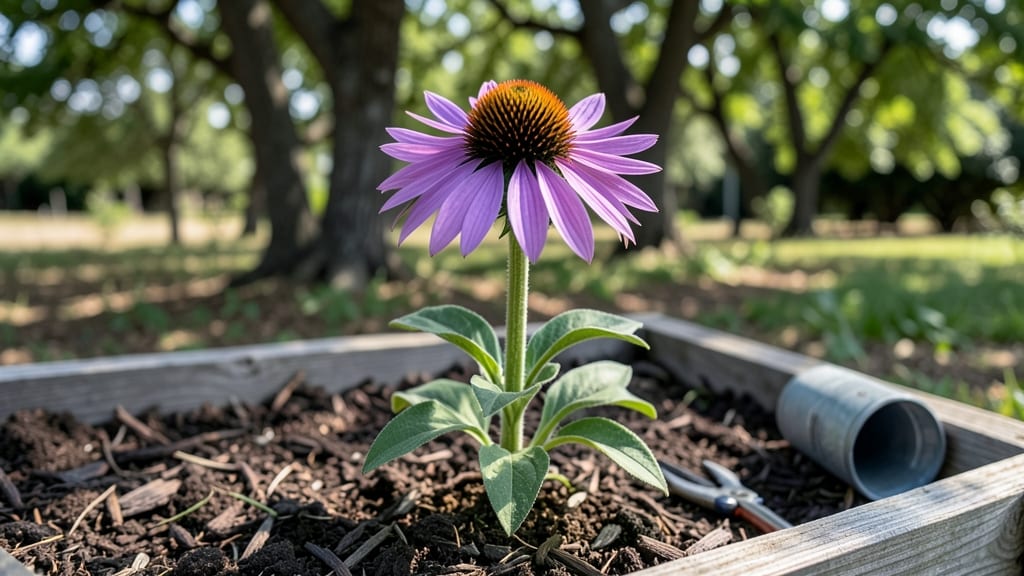
That purple thistle flower standing tall in your garden is a Pacific Northwest showstopper—drought-tough, pollinator-magnet, and impossible to ignore. ✨ I planted mine last spring, and by midsummer, it was the first thing visitors noticed, its deep lavender blooms swaying against the rain-washed greens of our yard.
The way it catches the light at dusk, turning almost violet, makes it perfect for dramatic focal points or wildflower meadows where you want height and movement.
Pair it with silvery foliage like lamb’s ear or dusty miller to make the purple pop even more, or tuck it into cottage-style borders where its spiky stems add unexpected texture. In pollinator gardens, it’s a magnet for bees and butterflies—just watch them swarm the blooms on a sunny afternoon.
The best part? It thrives on neglect, so you can let it go wild in a naturalized area or keep it slightly structured in a formal bed.
What you’ll love most is how it transforms a space: one minute it’s just another perennial, the next it’s the star of your garden, adding bold vertical drama without needing constant care. The blooms last for weeks, and even the dried stems hold interest through winter.
For maximum impact, plant it where it gets at least six hours of sun—it’ll reward you with months of effortless beauty that turns heads every season.
Whether you’re designing a wildflower meadow, a pollinator haven, or just want to add some dramatic height to your borders, this thistle is the secret weapon. Let’s talk about how to make it the centerpiece of your garden without breaking a sweat.
📚 In This Guide
- What you need
- Instructions
- Tips and common mistakes
- Wrapping up and next steps
What you need
- ● Purple thistle seeds (Echinacea purpurea or Cirsium spp.) – 50–100 seeds (or 3–5 young plants if buying transplants).
- ● Well-draining soil – Mix in compost (1 part compost to 3 parts native soil) for nutrient-rich growth.
- ● Organic mulch – Straw or wood chips (2–3 inches) to retain moisture and suppress weeds.
- ● Watering can or hose with a gentle spray nozzle – Thistles are drought-tolerant but need consistent moisture when young.
- ● Garden trowel or transplanting spade – For digging holes (3–4 inches deep for seeds, 12–18 inches for plants).
- ● Gloves – Garden or work gloves (thistle stems can be prickly!).
- ○ Pruning shears – For deadheading spent blooms (optional but encourages reblooming).
- ○ Stakes or cages (optional) – If your thistles grow tall (up to 5 feet), lightweight stakes help support them.
- ● Sunlight – Full sun (6+ hours/day) is ideal, but they tolerate partial shade.
- ● Drought-resistant zone – Thistles thrive in USDA Hardiness Zones 3–9 and are perfect for water-wise gardens.
- ● Patience – Seeds may take 1–2 years to bloom, while transplants flower the first season!
Step-by-step guide to planting and caring for Pacific Northwest thistles
Here’s how to grow these striking perennials with minimal fuss—once established, they thrive on neglect.
🌱 Step 1: Choose the Perfect Spot for Your Thistle Patch
Thistles adore full sun, so pick a location with at least 6-8 hours of direct sunlight daily. In the Pacific Northwest’s cooler climate, a south-facing slope gets the most light. Avoid low spots where cold air settles—thistles tolerate frost but hate soggy roots.
Test the soil by squeezing a handful. If it clumps tightly, amend with 2-3 inches of coarse sand to improve drainage. Thistles despise wet feet, so raised beds or slopes are ideal. I’ve seen them grow in poor soil, but they’ll reward you with bigger blooms if the ground drains well.
🪴 Step 2: Plant Thistle Roots at the Right Depth and Spacing
Dig holes twice as wide as the root ball but only as deep as the roots themselves. Thistles resent being buried too deep—this encourages rot. Space plants 3-4 feet apart for mature size, though they’ll spread naturally over time. I like to plant in clusters of 3-4 for a dramatic effect.
Gently tease apart crowded roots before placing in the hole. Backfill with native soil, pressing lightly to remove air pockets. Water deeply right after planting to settle the soil. A 1-inch layer of gravel mulch around the base helps prevent moisture buildup—critical in rainy seasons.
☀️ Step 3: Water Sparingly During Establishment
Keep soil evenly moist but never soggy for the first 6-8 weeks after planting. Water deeply once a week unless rain provides consistent moisture. Thistles are drought-tough, but young roots need consistent hydration to establish.
Once established, reduce watering to every 2-3 weeks unless your summer is exceptionally dry. You’ll know they’re thriving when you see new growth in early spring without any wilting. Overwatering is the fastest way to kill them—these plants evolved in dry meadows, not bogs.
✂️ Step 4: Deadhead and Maintain for Longer Blooms
After flowers fade, snip spent blooms back to the nearest leaf node with clean pruners. This encourages more flowering later in the season and prevents seed production (which can spread aggressively). I deadhead mine in late summer to extend the bloom period into fall.
In early spring, cut back any dead or damaged foliage to 2-3 inches above ground. This gives new growth room to emerge and strengthens the plant. Thistles are tough—they’ll bounce back even if you skip this step, but you’ll get bigger, healthier plants if you stay on top of it.
Tips & tricks for perfect purple thistle flowers
Thistles might seem tough, but these little tricks will help you coax out the most vibrant blooms and keep them thriving for years.
Sunlight Secret: While 6-8 hours of sun is ideal, I’ve found that thistles in the Pacific Northwest actually perform best with morning sun and afternoon shade during our hot summers. The intense afternoon sun can scorch the delicate blooms—watch for wilting leaves as a warning sign. If your spot gets harsh afternoon sun, consider providing some afternoon shade with nearby shrubs or a light fabric cover during peak heat.
Soil Prep Strategy: That 2-3 inches of coarse sand isn’t just about drainage—it’s about creating air pockets that prevent root rot. I like to mix in a handful of perlite or pumice with the sand for even better aeration. If your soil is particularly dense, consider planting in raised beds where you can control the mix completely. The key is mimicking their natural dry meadow habitat as closely as possible.
Watering Wisdom: The first 6-8 weeks are critical, but don’t be fooled into thinking "moist" means "soggy." Stick your finger an inch into the soil—if it’s damp but not wet, you’re golden. I’ve seen thistles drown in just a few days with too much water. Once established, let the soil dry completely between waterings—thistles actually grow better with occasional drought stress than with constant moisture.
Pruning Payoff: That late summer deadheading isn’t just about looks—it’s about redirecting the plant’s energy. When you snip back those spent blooms, you’re telling the plant to put its resources into producing more flowers rather than seeds. I’ve had thistles that kept blooming well into October when I was diligent about this step. Just be sure to use clean, sharp pruners to avoid damaging the stems.
Pro Tips for Purple Thistle Flower
- Thistles might seem tough, but these little tricks will help you coax out the most vibrant blooms and keep them thriving for years.
- Sunlight Secret: While 6-8 hours of sun is ideal, I’ve found that thistles in the Pacific Northwest actually perform best with morning sun and afternoon shade during our hot summers.
- Soil Prep Strategy: That 2-3 inches of coarse sand isn’t just about drainage—it’s about creating air pockets that prevent root rot.
Frequently asked questions
Got questions about growing or caring for purple thistle flowers? You're not alone! Here are some of the most common inquiries from gardeners in the Pacific Northwest and beyond.
Are purple thistles invasive or harmful to gardens?
No, Echinacea purpurea (common purple coneflower) and other non-native purple thistles like Cirsium species are not invasive in most PNW gardens. However, avoid Cirsium vulgare (scotch thistle), which is invasive in some regions. Stick to native or well-behaved cultivars like 'Kim's Knee High' or 'Magnus' for worry-free growing!
How long does it take for purple thistle flowers to bloom after planting?
Purple thistles are patient beauties! From seed, expect blooms in 60–90 days with proper care. Transplanted plants may flower within 2–3 months in ideal conditions (full sun, well-drained soil). Pro tip: Deadhead spent blooms to encourage a second flush of flowers later in the season!
Can purple thistles survive drought like other PNW natives?
Once established, purple thistles are drought-tolerant and thrive in the PNW’s dry summers. Water deeply once a week for the first year, then reduce to occasional moisture. Their deep roots make them resilient—perfect for water-wise gardens.
Do purple thistles attract pollinators, and are they deer-resistant?
Yes! These flowers are pollinator magnets, drawing bees, butterflies, and hummingbirds. While not deer-proof, they’re less appealing than tender perennials. For extra protection, plant them near deer-resistant companions like lavender or Russian sage.
What’s the best alternative if purple thistles don’t thrive in my garden?
If your soil is too wet or heavy, try these PNW-friendly alternatives with similar bold color and pollinator appeal:
- Gaillardia (blanket flower) – Drought-tolerant, fiery hues
- Achillea (yarrow) – Fern-like foliage, long bloom time
- Rudbeckia (black-eyed Susan) – Cheerful yellow blooms
- Salvia nemorosa (perennial sage) – Purple spikes, deer-resistant
Wrapping up and next steps
The purple thistle flower isn’t just a stunning addition to your Pacific Northwest garden—it’s a resilient, low-maintenance powerhouse that thrives where others falter. With its striking beauty and drought-tolerance, it’s the perfect way to bring bold color and sustainability to your outdoor space. 🌸
Ready to transform your garden? Start small—plant a few thistles this season and watch them become a standout feature. Need more inspiration? Explore companion plants or creative landscaping ideas to make your garden truly unique!