Flowers
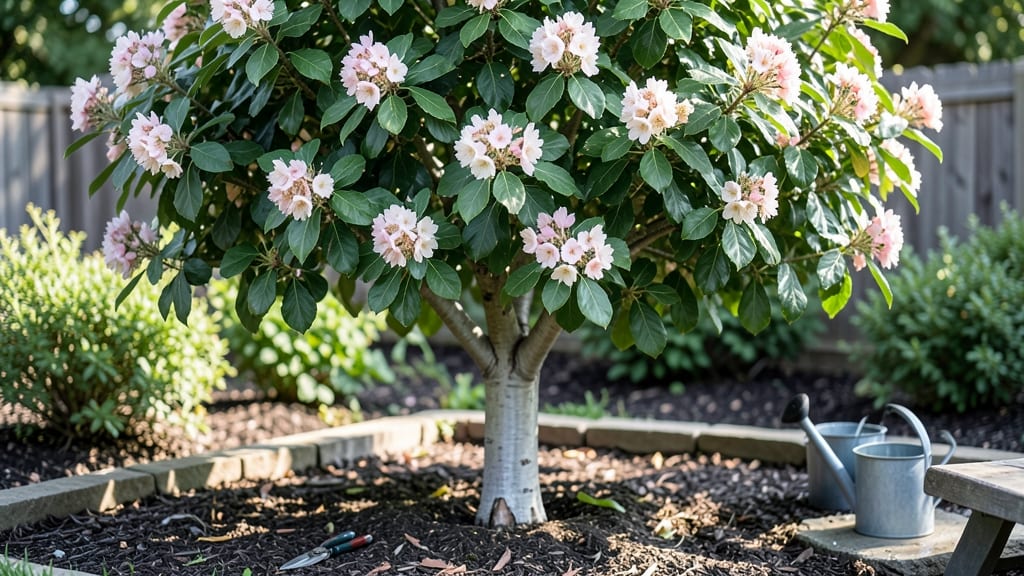
The delicate Pyrus calleryana flower bursts into bloom each spring, filling your yard with sweet fragrance and turning it into a fragrant haven—this fast-growing tree grows 12-18 inches per year, creating a lush privacy screen in just a few seasons. 🌿 I planted mine near the patio, and within two years, the delicate white flowers filled the air with a sweet, honey-like scent that lasts for weeks.
This tree thrives in full sun to partial shade and tolerates a wide range of soils, from clay to sandy loam. Watering is simple: deep watering once a week during the first year helps roots establish, while mature trees handle drought surprisingly well.
The key to keeping it flowering is pruning in late winter—just remove dead branches and thin out crowded growth to improve airflow.
By summer, you’ll enjoy glossy green leaves that stay vibrant all season, followed by small, edible pears (though they’re tart and best left for wildlife). The real magic happens in spring, when clusters of fragrant white blossoms attract bees and create a romantic atmosphere.
With minimal care, this tree becomes the backbone of your landscape.
Whether you’re planting as a privacy screen, specimen tree, or wildlife magnet, Pyrus calleryana delivers beauty and function. It’s tough enough for urban yards but elegant enough for formal gardens—here’s how to make it thrive in yours.
📚 In This Guide
- What you need
- Instructions
- Tips and common mistakes
- Wrapping up and next steps
What you need
- ● Pyrus calleryana plants: 3–5 young trees (spaced 15–20 ft apart for a dense screen). Choose disease-resistant cultivars like ‘Aristocrat’ or ‘Bradford’.
- ● Well-draining soil: Mix native topsoil with compost (50/50 ratio) for optimal growth. Test soil pH (ideal: 6.0–7.0).
- ● Organic mulch: 2–3 inches of wood chips or shredded bark to retain moisture and suppress weeds.
- ● Shovel & spade (for digging holes 2x wider than the root ball).
- ● Wheelbarrow (for mixing soil/amendments).
- ● Garden hose or watering can (with a soaker hose attachment for deep watering).
- ● Pruning shears (sterilized with rubbing alcohol to prevent disease).
- ● Gloves & knee pads (for comfort during planting).
- ● Slow-release fertilizer (e.g., 10-10-10 NPK) to boost early growth.
- ● Tree stakes & ties (if planting in windy areas).
- ● Pest deterrents: Neem oil (for aphids) or beneficial nematodes (for grubs).
- ● Drip irrigation system (for automated watering).
How to plant and care for Pyrus calleryana for fast privacy screens
Here’s the straightforward approach I use to establish fragrant, fast-growing Callery pear screens in any yard.
🌱 Step 1: Choose the Right Planting Location and Prepare the Soil
Callery pears thrive in full sun to partial shade, with at least 6 hours of direct sunlight daily for optimal growth and flowering. I always pick a spot with 6-8 feet of clearance in front and behind—these trees grow 30-40 feet tall and 20-30 feet wide when mature. Avoid low-lying areas where water pools, as soggy roots lead to root rot.
Before planting, loosen the soil to a depth of 12-18 inches with a shovel or tiller. Callery pears prefer well-draining, slightly acidic soil (pH 6.0-7.0). If your soil is heavy clay, mix in 2-3 inches of compost or sand to improve drainage. Test the soil first—amending compacted clay too late causes poor establishment.
🪴 Step 2: Plant Bare-Root or Container-Grown Trees at the Right Time
Plant bare-root trees in late fall or early spring when the ground is workable but not frozen. For container-grown trees, spring is ideal—they’ll have the entire growing season to establish roots before winter. Dig a hole twice as wide as the root ball but no deeper—planting too deep suffocates roots and encourages rot.
Place the tree in the hole so the top of the root ball sits 1-2 inches above ground level. This prevents soil from settling and burying the trunk over time. Backfill with native soil (no amendments) and water deeply to settle it around the roots. Avoid compacting the soil—just let gravity do the work. A 1-inch layer of mulch (keeping it 3 inches away from the trunk) helps retain moisture and regulate soil temperature.
☀️ Step 3: Water Deeply and Establish a Regular Care Routine
Water newly planted Callery pears deeply 2-3 times per week for the first 6-8 weeks, providing 10-15 gallons of water per tree each time. You’ll know it’s enough when water drains 6-8 inches deep into the soil. After that, water once a week during dry spells, aiming for 1-2 inches of water per week. Overwatering is worse than underwatering—these trees hate soggy feet.
Callery pears grow 2-3 feet per year when young, so fertilize lightly in early spring with a balanced 10-10-10 fertilizer (follow package rates). Avoid high-nitrogen fertilizers—they promote leafy growth at the expense of flowers. Prune in late winter or early spring before buds swell to remove dead, crossing, or weak branches. This keeps the tree open and encourages abundant spring blooms that perfume the air.
✂️ Step 4: Prune for Shape and Encourage Healthy Growth
Callery pears benefit from annual pruning to maintain their natural vase shape and improve airflow. Use clean, sharp pruners to make cuts just outside the branch collar—the swollen area where the branch meets the trunk. Remove suckers (shoots growing from the base or trunk) immediately—they drain energy from the main tree.
Here’s the thing—don’t over-prune. These trees grow fast, and aggressive cuts stimulate excessive water sprouts. Instead, focus on structural pruning in early spring and light cleanup pruning after flowering. You’ll see fewer but larger blooms and a stronger framework if you keep cuts minimal. Always sterilize pruners between cuts with rubbing alcohol to prevent disease spread.
🌿 Step 5: Protect Young Trees and Maintain Long-Term Health
Young Callery pears are vulnerable to deer, rabbits, and voles, which love the tender bark. Wrap the trunk with tree guard (available at nurseries) or use chicken wire cages for the first 2-3 years. Even with protection, check for girdling (where animals chew around the trunk)—this can kill a tree overnight if unnoticed.
Watch for fire blight, a bacterial disease that causes blackened, oozing branches. If you spot it, prune 6 inches below the infected area and sterilize tools. Callery pears are generally disease-resistant, but poor airflow from overcrowding invites problems. Space trees 15-20 feet apart for a dense, fragrant screen that grows fast and reliably—just as promised.
Tips & tricks for perfect calleryana privacy screens
Took me a while to figure these out, so here goes—these are the details that separate a good screen from a spectacular one.
Sunlight Strategy: While Callery pears tolerate partial shade, the 6 hours of direct sunlight mentioned in Step 1 is non-negotiable for those fragrant spring blooms. I’ve seen trees in shadier spots grow leaves but almost no flowers—those blooms need that sunlight to trigger their magical perfume. If your yard only gets morning sun, position trees to catch those morning rays rather than hoping for afternoon light.
Soil Test Tip: That 12-18 inch deep soil loosening in Step 1 is worth the effort. I learned this the hard way after planting in compacted clay—roots couldn’t spread properly, and the tree struggled for years. Grab a soil test kit (they’re cheap) before planting. If your pH is outside 6.0-7.0, amend with sulfur to lower pH or lime to raise it. The right soil makes all the difference in how fast your screen establishes.
Planting Depth Secret: The 1-2 inch elevation for the root ball in Step 2 might seem small, but it’s crucial. Too deep and you’ll smother the trunk; too shallow and roots dry out. I use a level to check—when the root ball sits just above ground level, I know I’m good. Pro tip: After planting, press lightly around the edges to eliminate air pockets, then water deeply to settle everything.
Watering Hack: Those 10-15 gallons per watering in Step 3 might sound like a lot, but it’s how you get water 6-8 inches deep. I use a long screwdriver to check—if it comes out dry at that depth, water again. For larger trees, consider installing a drip irrigation system. It’s worth the investment to avoid the stress of underwatering, especially during those first critical 6-8 weeks.
Pro Tips for Pyrus Calleryana Flower
- Took me a while to figure these out, so here goes—these are the details that separate a good screen from a spectacular one.
- Sunlight Strategy: While Callery pears tolerate partial shade, the 6 hours of direct sunlight mentioned in Step 1 is non-negotiable for those fragrant spring blooms.
- Soil Test Tip: That 12-18 inch deep soil loosening in Step 1 is worth the effort.
Frequently asked questions
Got questions about Pyrus calleryana flowers? You’re not alone! Here are some of the most common queries—plus straightforward answers to help you grow and enjoy this stunning privacy screen with ease.
When do Pyrus calleryana flowers bloom, and how long do they last?
Pyrus calleryana (also called Callery pear) typically bursts into bloom in early to mid-spring, usually between late March and April, depending on your climate. The fragrant white flowers last 1–2 weeks, creating a breathtaking display. For extended blooms, choose varieties like 'Bradford' or 'Chanticleer', which are known for their prolific flowers.
How fast does Pyrus calleryana grow, and how tall can it get?
This fast-growing tree can add 3–5 feet per year under ideal conditions, reaching 30–50 feet tall at maturity. For a quicker privacy screen, plant it in full sun with well-draining soil. Dwarf varieties like 'Cleveland Select' stay under 20 feet, perfect for smaller yards.
Are Pyrus calleryana flowers invasive, and should I worry about them spreading?
While Pyrus calleryana isn’t highly invasive, some varieties (like 'Bradford') can spread via suckers. To control growth, prune aggressively in late winter and remove unwanted shoots. Opt for sterile cultivars like 'Aristocrat' if invasiveness is a concern.
What are some alternatives to Pyrus calleryana for fragrant flowers and privacy?
If you love the look and scent but want options, consider:
- Crabapple trees (Malus spp.): Similar blooms, disease-resistant varieties available.
- Forsythia: Early spring yellow flowers, fast-growing, but less fragrant.
- Serviceberry (Amelanchier): Edible berries + white blooms, slightly slower growth.
- Hawthorn: Dense foliage + fragrant white flowers, great for wildlife.
Why aren’t my Pyrus calleryana flowers opening, or are they dropping early?
Early flower drop or failure to bloom can stem from:
- Late frost: Protect young buds with frost cloth in spring.
- Over-fertilizing: Too much nitrogen = fewer flowers. Use a balanced 10-10-10 fertilizer instead.
- Stress: Check for pests (aphids, spider mites) or root issues. Mulch well to retain moisture.
- Age: Young trees may take 3–5 years to bloom fully.
If the issue persists, consult a local arborist to rule out disease (e.g., fire blight).
Wrapping up and next steps
Incorporating Pyrus calleryana into your landscape isn’t just about adding beauty—it’s about creating a low-maintenance, fragrant, and fast-growing privacy screen that thrives with minimal effort. 🌸 Whether you’re drawn to its stunning spring blooms, resilient foliage, or wildlife-friendly appeal, this tree delivers year-round charm while requiring little fuss.
Ready to transform your outdoor space? Start by selecting the perfect location, gather your supplies, and plant with confidence—your future privacy haven awaits!