
Flowers
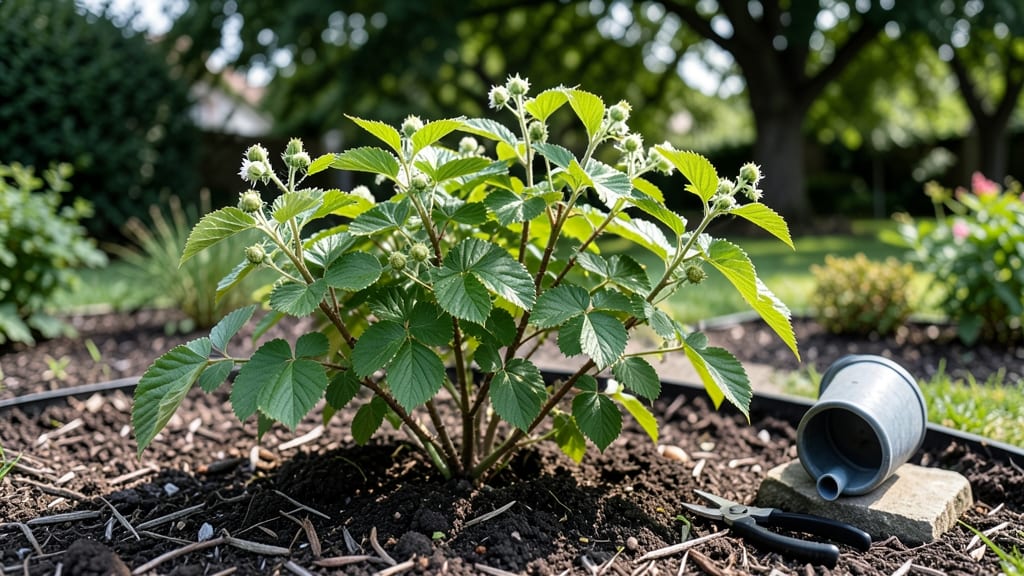
Raspberry flower buds form the foundation of your harvest, and understanding them means doubling your fruit every year. I remember my first raspberry patch—tiny red buds in early spring that promised sweet summer berries, only to disappoint when they failed to set fruit.
The difference between a sparse harvest and a lush, productive cane? Timing, sunlight, and a little strategic pruning.
These buds appear on second-year canes after winter dormancy, typically between late winter and early spring, depending on your zone. Your raspberries need at least 6 hours of sunlight daily and well-draining soil rich in organic matter.
Too much shade or soggy roots, and those buds will wither before they even bloom. The key is balancing pruning—removing old canes in late winter gives new growth space to thrive, while over-pruning can starve your plant of energy.
When buds develop properly, you’ll see vibrant green leaves and clusters of tiny flowers by late spring. Each successful bloom turns into a fruit, so protecting these buds from frost and pests is critical.
A light frost can damage emerging buds, while aphids or spider mites will suck the life out of them before they open. With the right care, you’ll go from a handful of berries to pounds of fruit by summer’s end.
This method works for both summer- and fall-bearing varieties, though timing shifts slightly. Summer-bearing types produce buds on second-year canes, while fall-bearing types flower on new growth—knowing which you have changes everything. Let’s turn those buds into a bountiful harvest without the guesswork.
📚 In This Guide
- What you need
- Instructions
- Tips and common mistakes
- Wrapping up and next steps
What you need
- ● Raspberry plants: Choose between floricane (summer-bearing) or primocane (fall-bearing) varieties. Start with 3–5 healthy canes per plant for optimal blooming.
- ● Well-draining soil: A mix of 60% topsoil, 30% compost, and 10% perlite or sand (pH 5.5–6.5). Test soil acidity with a pH test kit.
- ● Organic fertilizer: 10-10-10 or 5-10-10 NPK ratio (balanced for flowering). Use 1–2 cups per plant during spring and early summer.
- ● Mulch: 2–3 inches of straw or wood chips to retain moisture and suppress weeds.
- ● Watering can or drip irrigation: Aim for 1–2 inches of water per week, especially during bud formation.
- ● Pruning shears: Bypass pruners (sharp, clean, and sanitized with rubbing alcohol).
- ● Gloves: Heavy-duty gardening gloves to protect against thorns.
- ● Trellis or stakes: 6–8 ft tall to support canes (use 3–4 stakes per plant).
- ● Soil probe: For checking moisture levels 2–3 inches deep.
- ○ Spray bottle (optional): For misting buds during dry spells.
- ● Sunlight: 6–8 hours of full sun daily (partial shade in hot climates).
- ● Planting time: Bare-root plants: Late winter/early spring (before buds swell).
- ● Container plants: Spring or early fall (avoid frost).
- ● Pruning schedule: Trim 1–2 times per year (late winter for floricane types; fall for primocane types).
- ● Pest control: Monitor for spider mites, aphids, or cane borers; use neem oil or insecticidal soap if needed.
How to encourage raspberry flower buds for consistent harvests
Here's the method I've used to keep my raspberry canes blooming reliably—no aggressive pruning required.
🌱 Step 1: Select and Prepare Healthy Raspberry Canes
Start with one-year-old canes that showed strong growth last season. These are your primary producers. Cut back any weak, diseased, or crossing canes immediately—this prevents energy drain and improves air circulation. I always make clean cuts with sterilized pruners at a 45-degree angle just above a bud or lateral branch.
For fall-bearing varieties, remove all fruit from the current season's canes. This might seem counterintuitive, but it redirects the plant's energy into developing next year's flower buds instead of supporting fruit development. You'll see new growth emerge from the base of the canes within 2-3 weeks if conditions are right.
☀️ Step 2: Optimize Light and Nutrients for Bud Formation
Raspberry flower buds form best when canes receive full sun (6-8 hours daily). If your plants are in partial shade, gradually move them to a sunnier location over 2-3 weeks to avoid leaf scorch. Sudden exposure to intense sunlight can stress the canes and reduce bud development.
Apply a balanced 10-10-10 fertilizer in early spring when new growth begins. I use about 1/4 cup per plant worked into the top 6 inches of soil. Follow up with a low-nitrogen, high-phosphorus fertilizer (5-10-10) in late spring to encourage flowering. Water deeply after each application to prevent root burn.
💧 Step 3: Maintain Consistent Moisture Without Overwatering
Flower buds develop best when soil moisture remains consistent but not soggy. Water deeply 1-2 times per week, providing about 1-2 gallons per plant each time. The goal is to keep the root zone evenly moist to a depth of 12 inches. Use a moisture meter or check by inserting your finger—soil should feel damp but not waterlogged.
Mulch around the base with 2-3 inches of organic mulch to retain moisture and regulate soil temperature. I use shredded leaves or straw because they break down slowly and improve soil structure over time. Avoid piling mulch directly against the stems to prevent rot.
✂️ Step 4: Light Pruning to Stimulate Bud Development
After the initial cleanup, perform minimal pruning to shape the canes. Remove any suckers growing from the roots—they compete with established canes for nutrients. For summer-bearing varieties, thin out crowded canes to 4-6 strong canes per plant to ensure each receives adequate sunlight and nutrients.
In late summer, trim back any overly vigorous growth by 1/3 to redirect energy toward flower bud formation. This is especially important for fall-bearing varieties. You'll notice new lateral branches forming—these are where next year's flower buds will develop.
⏰ Step 5: Prepare for Winter to Protect Flower Buds
As temperatures drop below 40°F, protect the canes by bending them to the ground and securing them with U-shaped stakes. This method insulates the buds from freezing temperatures and prevents winter damage. Cover the canes with 12-18 inches of straw or leaves for additional protection.
In early spring, remove the mulch and stakes gradually as new growth appears. This prevents sudden temperature shocks to emerging buds. You'll see flower buds forming along the canes in 4-6 weeks, signaling that your efforts are paying off.
Tips & tricks for encouraging raspberry flower buds
These simple strategies will help you maximize your raspberry plant's potential for consistent, vibrant blooms throughout the growing season.
Canes Selection: When selecting those one-year-old canes in Step 1, look for canes that are about pencil-thick with a smooth, green surface. Avoid canes with any signs of disease or damage, as these can compromise the entire plant's health. I've found that selecting canes with a slight upward angle at the base helps promote better flower bud development. This subtle positioning encourages the plant to focus energy upward, where the buds form.
Light Transition: The gradual 2-3 week transition to full sun in Step 2 is crucial. I recommend moving plants incrementally—about 2 hours of additional sunlight each week. This acclimation period prevents leaf scorch and allows the plant to adjust its photosynthetic processes. You'll notice the leaves develop a deeper green color as they adapt, which is a good sign that the plant is ready for full sun exposure.
Fertilizer Timing: The two-step fertilizer application in Step 2 deserves special attention. The balanced 10-10-10 in early spring promotes overall plant health, while the high-phosphorus 5-10-10 in late spring specifically targets flower development. I've seen dramatic improvements in bud formation when plants receive this phosphorus boost during their active growth phase. Just be sure to water deeply after each application to prevent fertilizer burn.
Winter Protection: For the 12-18 inches of winter mulch in Step 5, I recommend using a combination of straw and leaves for optimal insulation. The straw provides excellent air circulation while retaining heat, and the leaves add an extra insulating layer. When removing the mulch in early spring, do it gradually over several days to prevent temperature shock to the emerging buds. This careful removal helps maintain consistent soil temperatures, which is crucial for bud development.
Pro Tips for Raspberry Flower Buds
- These simple strategies will help you maximize your raspberry plant's potential for consistent, vibrant blooms throughout the growing season.
- Canes Selection: When selecting those one-year-old canes in Step 1, look for canes that are about pencil-thick with a smooth, green surface.
- Light Transition: The gradual 2-3 week transition to full sun in Step 2 is crucial.
Frequently asked questions
Got questions about growing raspberry flower buds?
You’re not alone! Here are answers to the most common queries to help you cultivate vibrant blooms year-round.
When do raspberry flower buds appear?
Raspberry flower buds typically form in late summer or early fall (primocanes for fall-bearing varieties) or early spring (floricanes for summer-bearing types). Timing depends on your climate and variety—cool nights and warm days encourage bud development. Monitor your plants closely in these seasons!
How long does it take for buds to bloom?
Once buds appear, it takes 4–6 weeks for them to open into flowers, depending on temperature and sunlight. Summer-bearing varieties bloom in spring, while fall-bearing types produce flowers on new canes in late summer. Patience pays off—healthy buds = more berries!
What if my raspberry buds aren’t opening?
Bud failure often stems from cold snaps, pests, or overpruning. Check for aphids or spider mites, ensure consistent watering, and avoid heavy pruning in late winter. If buds are brown/mushy, fungal disease (like botrytis) may be the culprit—prune affected canes immediately and improve airflow.
Can I force raspberry buds to bloom earlier?
While you can’t rush nature, you can extend the season by protecting plants from frost (use row covers or mulch) or choosing early-blooming varieties like ‘Heritage’ or ‘Nova.’ Avoid artificial heat sources—they stress plants. Focus on optimal growing conditions (sun, soil, water) for natural timing.
Do raspberry flower buds guarantee fruit?
Not always! Buds need pollination (bees or wind) and proper care to develop into fruit. If buds drop off, check for:
- Pollinators: Plant bee-friendly flowers nearby.
- Nutrients: Test soil for nitrogen/phosphorus.
- Water stress: Keep soil moist but not soggy.
Wrapping up and next steps
Growing raspberry flower buds is a rewarding journey that brings beauty and abundance to your garden with minimal effort! 🌸 Whether you're a seasoned gardener or just starting, these resilient plants thrive with the right care—think sunlight, well-draining soil, and a little patience.
Now that you’re armed with tips on pruning, pest control, and year-round blooms, it’s time to roll up your sleeves and watch your raspberry bushes flourish.
Ready to take the next step? Start small—plant a few buds in a sunny spot this season and observe their progress. Soon, you’ll be harvesting vibrant blooms (and delicious berries!) while enjoying the satisfaction of nurturing nature’s bounty. Happy gardening! 🌱