
Flowers
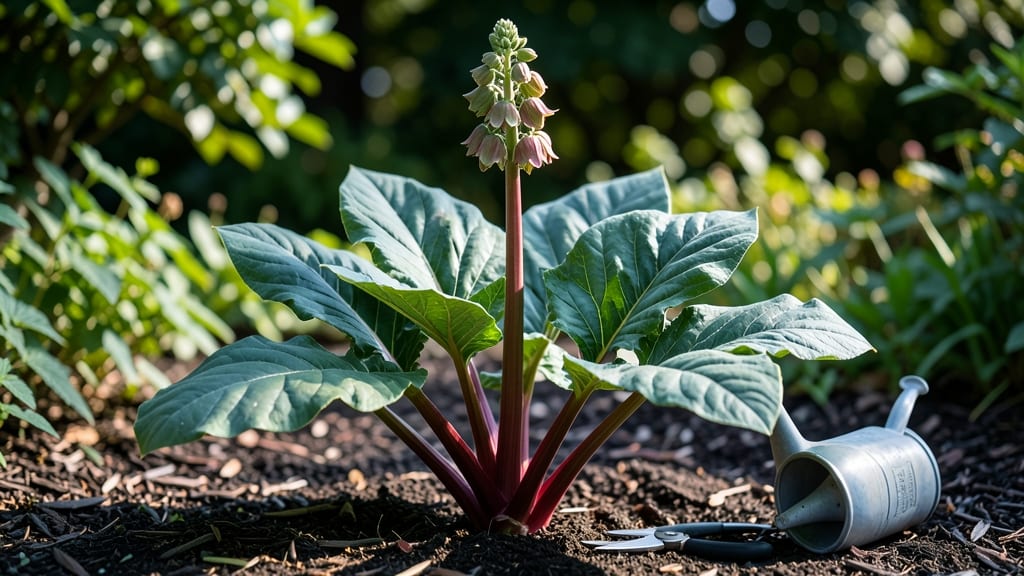
When rhubarb flower stalks shoot up in early spring, they’re either a sign of a thriving plant—or a warning you’re about to lose your harvest. 🌱 I’ve learned the hard way that ignoring them means fewer stalks at harvest time, but removing them at the right moment keeps your rhubarb productive for years.
The key is timing: too early, and you stunt the plant; too late, and you drain its energy from the stems you actually want to eat.
Most gardeners snip these flower stalks as soon as they’re 3-4 inches tall, using clean pruners or even your fingers. The goal is to redirect the plant’s energy back into the edible stalks, not the seeds it would produce if left alone.
I’ve seen rhubarb plants go from scrawny to robust in just one season after mastering this simple step—no fancy tools or secret fertilizers required.
What you’ll end up with is a rhubarb patch that delivers sweet, plump stalks from early spring through summer. The plants stay vigorous, the roots expand, and you avoid the disappointment of a harvest that peters out by June.
Plus, those removed flower stalks? They’re edible too—mildly sweet with a tart kick, perfect for garnishes or infusing into syrups.
This method works for both first-year plants and established patches, and it’s just as effective in containers as it is in garden beds. The only real mistake is waiting too long—so grab those pruners before the stalks start blooming, and watch your harvest thrive.
📚 In This Guide
- What you need
- Instructions
- Tips and common mistakes
- Wrapping up and next steps
What you need
- ● Fresh rhubarb plant: Organic, pesticide-free (if possible) for safety
- ● Mature stalks (at least 1–2 years old) for best flavor
- ● Harvesting tools: Sharp pruning shears or kitchen knife (sterilized with rubbing alcohol)
- ○ Gloves (optional, but recommended for prickly stems)
- ● Cleaning supplies: Cold water
- ● Soft brush or cloth (for gentle scrubbing)
- ○ Baking soda (1 tsp per gallon of water, optional for tough stains)
- ● For flower stalks: Small bowl (for soaking in cold water)
- ● Paper towels (to pat dry)
- ○ For culinary use (optional but fun!): Honey or simple syrup (for infusions)
- ● Butter or olive oil (for sautéing petals)
- ● Salt, pepper, and herbs (e.g., thyme or mint)
- ● Positive plant ID: Confirm it’s Rheum rhabarbarum (not toxic lookalikes like Rumex species).
- ● Harvest timing: Stalks: Early spring (before leaves unfurl) for tender, sweetest flavor.
- ● Flowers: Fully open blooms (late spring/early summer).
- ● Allergy check: Test a small amount of cooked rhubarb if you’re new to it!
How to harvest and enjoy rhubarb flower stalks and edible blooms
Rhubarb isn't just about tart stems—its flowers and tender stalks are edible treasures waiting to be discovered.
🌱 Step 1: Identify and Prepare the Plant for Harvest
Start by selecting a healthy rhubarb plant with thick, vibrant stalks and lush green leaves. The best time to harvest both stalks and flowers is in early spring, just as the flower stalks emerge but before they fully bloom. This ensures the stalks are still tender and the flowers haven't gone to seed.
Gently inspect the plant for any signs of disease or pests. Remove any damaged or yellowing leaves to encourage new growth. Here's the thing—rhubarb plants need at least 3-4 years to establish strong roots before heavy harvesting. If your plant is young, limit yourself to just a few stalks and a single flower stalk to avoid stressing it.
☀️ Step 2: Harvest the Flower Stalks and Stalks
Use a sharp knife or clean pruners to cut the flower stalk at its base, just above where it meets the crown of the plant. This encourages the plant to produce more stalks and flowers in the future. For the edible stalks, grasp them firmly at the base and twist gently until they snap cleanly—this prevents tearing the plant.
You'll want to harvest the stalks when they're about 8-12 inches long and still firm to the touch. Avoid harvesting stalks smaller than ½ inch in diameter, as they can be too fibrous and less flavorful. Cutting the flower stalk early also prevents the plant from putting energy into seed production, which can weaken the stalks.
💧 Step 3: Clean and Prepare for Use
Rinse the harvested stalks and flower stalks under cool water to remove any dirt or debris. Pat them dry gently with a clean towel or paper towels. The flower stalks can be used whole, but you might want to trim off any wilted or damaged petals. Here's where it gets fun—the petals are mild and slightly sweet, with a flavor reminiscent of rhubarb itself.
For the stalks, peel off the tough outer skin if desired, especially if they're older or thicker. The inner flesh should be bright pink or red and crisp. Store them in the refrigerator, wrapped in a damp paper towel, for up to 5-7 days. The flower stalks will keep for about 3 days in the fridge, best used fresh for maximum flavor.
✂️ Step 4: Cook or Enjoy Raw
Rhubarb flower stalks and stalks are incredibly versatile. The flower petals can be used fresh in salads, garnishes, or even infused into simple syrups. The stalks are traditionally used in pies and compotes, but they're also delicious lightly poached with honey or baked into muffins. Here's the trick—balance their tartness with sweet elements like berries, vanilla, or citrus.
To enjoy the flower stalks raw, separate the petals and use them in salads or as a colorful garnish. For cooking, you can steam, bake, or sauté them like you would the regular stalks. Just remember, rhubarb leaves are toxic, so always discard them and avoid using any green parts of the stalk.
Tips & tricks for perfect rhubarb flower stalk harvesting
Here's what nobody tells you about getting the most from your rhubarb harvest—beyond the basics.
Timing is Everything: Early spring is your golden window for harvesting both flower stalks and tender stalks before they become tough or bitter. I learned this the hard way after harvesting fully bloomed flowers that tasted bland and seedy—aim for those just-emerging buds. The flower stalks should be firm but pliable, not woody, and the petals should still be tightly closed. This ensures maximum tenderness and flavor.
Harvesting Technique Matters: When cutting flower stalks, make your cut just above the crown at a slight angle—this prevents water from pooling and rotting the base. For stalks, the twist-and-snap method works best: grasp firmly at the base and give a gentle twist until they separate cleanly. This preserves the plant's health and encourages future growth. Between us, I used to pull stalks, which often tore the plant and left it vulnerable to disease.
Storage Wisdom: The 5-7 day fridge life for stalks and 3-day limit for flower stalks are hard deadlines. Wrap them in a damp paper towel to maintain moisture—this mimics their natural environment and keeps them crisp. For flower stalks, you can even store them in a sealed container with a paper towel to absorb any excess moisture. I've found that using glass containers instead of plastic helps maintain freshness longer, as plastic can trap too much humidity.
Safety First: Remember, rhubarb leaves are toxic—never use them! The toxic oxalic acid is concentrated in the leaves, so always discard any green parts or leaves that might have fallen onto your harvest. Even the base of the stalk where it meets the leaf can be slightly toxic, so peel away any green bits. I keep a small bowl nearby while harvesting to collect any discarded leaves and stems to avoid accidentally using them later.
Pro Tips for Rhubarb Flower Stalk
- Here's what nobody tells you about getting the most from your rhubarb harvest—beyond the basics.
- Timing is Everything: Early spring is your golden window for harvesting both flower stalks and tender stalks before they become tough or bitter.
- Harvesting Technique Matters: When cutting flower stalks, make your cut just above the crown at a slight angle—this prevents water from pooling and rotting the base.
Frequently asked questions
Got questions about rhubarb flower stalks? You’re not alone! Here are answers to the most common curiosities—from harvesting to cooking—so you can make the most of this versatile plant.
Can you eat rhubarb flower stalks?
Yes! Both the stems (the classic tart stalks) and flowers are edible. The stalks are most commonly used in pies and jams, while the flowers add a delicate, slightly tangy flavor to salads, garnishes, or even fritters. Just avoid the leaves—they contain oxalic acid and can be toxic.
When is the best time to harvest rhubarb flower stalks?
Harvest rhubarb stalks in early spring (March–April) when they’re young and tender. For flowers, wait until they’re fully open but still fresh—typically late spring to early summer. Avoid harvesting when the plant is stressed (e.g., drought or extreme heat) to ensure regrowth.
What can I substitute for rhubarb if I can’t find any?
If you’re craving rhubarb’s tartness, try these swaps:
- Sour cherries or cranberries (for pies/jams)
- Green apples or gooseberries (for salads or baking)
- Red cabbage or beets (for a deep, earthy flavor in stews)
Why is my rhubarb plant not producing stalks or flowers?
Several factors could be at play:
- Age: Young plants (under 2 years) focus on root growth. Be patient!
- Light: Rhubarb needs full sun (6+ hours/day). Move it if shaded.
- Soil/nutrients: Amend soil with compost. Over-fertilizing can reduce flowering.
- Stress: Drought, pests, or disease (like crown rot) can stunt growth. Check for wilting or spots.
How do I cook with rhubarb flowers?
Rhubarb flowers are delicate and best used raw or lightly cooked. Try these ideas:
- Toss into spring salads with a citrus vinaigrette.
- Garnish soups or gazpacho for a pop of color.
- Add to frittatas or omelets for a floral touch.
- Infuse syrups or cocktails (like gin or elderflower spritzers).
Wrapping up and next steps
Discovering the hidden potential of rhubarb flower stalks—whether savoring their delicate blooms or harvesting their crisp stems—opens up a world of culinary and gardening creativity! 🌸 From gourmet garnishes to sustainable foraging, these versatile plants offer both beauty and bounty.
Whether you're a seasoned chef or a curious gardener, embracing their unique qualities can elevate your dishes and gardens alike.
Ready to explore further? Start experimenting in your kitchen or garden today! Try growing your own rhubarb patch or whipping up a recipe with fresh blooms—your next culinary adventure awaits! 🌱