
Flowers
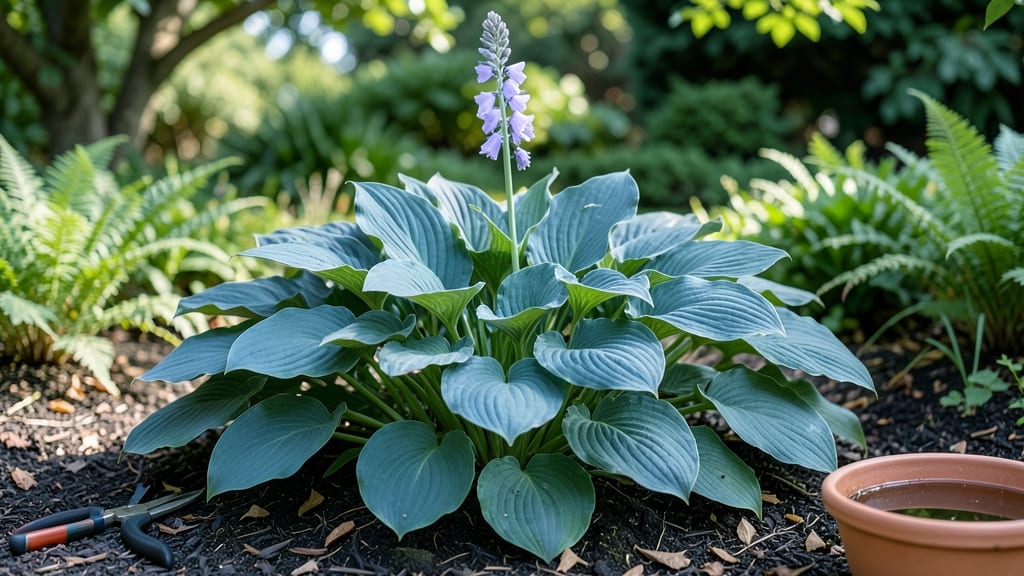
Shade-tolerant flowers transform even the darkest corners into vibrant displays. 🌿 After years of struggling with patchy, sun-starved garden beds, I discovered these low-light bloomers that thrive where others fail—producing lush foliage and bold colors without a single hour of direct sun.
The secret lies in choosing the right varieties and understanding their unique needs, from moisture-loving impatiens to delicate hellebores that bloom before the trees leaf out.
This isn't about sacrificing beauty for shade—it's about curating a collection that performs reliably under trees, along north-facing walls, or in dense woodland gardens. You'll work with plants like astilbes with their feathery plumes, ferns with their delicate fronds, and lungwort that adds texture and interest.
The results? A garden that stays vibrant from early spring through late fall, with minimal maintenance and maximum impact.
What you'll achieve is a cohesive, layered look that softens harsh shadows while adding depth and movement. Imagine borders that spill over edges, containers that burst with color, and understory plantings that frame trees beautifully.
These flowers don't just survive in shade—they thrive, creating focal points where others would struggle. The payoff comes in the form of lush, healthy plants that reward your efforts with weeks of continuous blooms.
Whether you're working with a deep woodland garden, a city patio with limited sunlight, or simply the shady spots in your backyard, these plants adapt beautifully. The key is matching their light requirements to their placement—some need dappled shade, others tolerate dense darkness.
Let's bring your shady spaces to life with plants that actually perform where they're planted.
📚 In This Guide
- What you need
- Instructions
- Tips and common mistakes
- Wrapping up and next steps
What you need
- ● Shade-tolerant flower seeds or plants: Choose from hostas, heucheras, bleeding hearts, impatiens, foxgloves, or astilbes. Aim for 5–10 plants per square foot for a lush look.
- ● Well-draining potting mix or garden soil: 1–2 cubic yards (for in-ground gardens) or 5–10 bags (for containers). Opt for a mix amended with peat moss or compost (20–30% by volume) to improve moisture retention.
- ● Containers or garden beds: Containers: 5–15-gallon pots (1 per plant) with drainage holes. Terracotta or fabric grow bags work best.
- ● In-ground beds: A 4’x4’ or larger area with 6+ hours of dappled shade (e.g., under trees or near north-facing walls).
- ● Organic mulch: 2–3 inches of shredded bark, pine straw, or cocoa hulls to retain moisture and suppress weeds.
- ● Slow-release fertilizer: A balanced 10-10-10 or 20-20-20 formula (apply 1 tbsp per plant at planting time).
- ● Watering can or hose with a gentle spray nozzle: For deep but infrequent watering (avoid soggy soil!).
- ● Garden trowel or hand shovel (for transplanting seedlings).
- ● Pruning shears (to trim dead foliage or overgrown stems).
- ● Gloves (gardening or work gloves to protect your hands).
- ● Measuring tape or ruler (to space plants 12–24 inches apart, depending on variety).
- ○ pH test kit (optional but helpful)—ideal soil pH for shade plants is 6.0–7.0.
- ● Decorative stones or pebbles (to border beds and add visual appeal).
- ● Epsom salt (1 tbsp dissolved in water monthly for heucheras and hostas).
- ● Lightweight shade cloth (if your area gets partial sun and you want to filter light further).
- ● Self-watering planters (for low-maintenance container gardens).
Step-by-step guide to planting shade-tolerant flowers
Here's how to create a vibrant garden in low-light spots—no sun required.
🌱 Step 1: Choose the Right Flowers for Your Light Conditions
First, match your shade level to the right plants. Dappled shade (filtered light) works for impatiens, ferns, and astilbes, while deep shade (little to no direct light) thrives with hostas, hellebores, and lungwort. Check the shade tolerance of each variety—some need just a few hours of indirect light, while others tolerate full shade all day.
I always group plants by their light needs to avoid disappointment. For example, place hostas under tall trees where they’ll get minimal sun, but keep impatiens near the garden edge where they can catch a little morning light. This ensures each plant gets the perfect balance for blooming.
🪴 Step 2: Prepare the Soil for Moisture Retention
Shade-loving flowers need well-draining but moisture-retentive soil—sandy soil drains too fast, while clay holds too much water. Amend your garden bed with 2-3 inches of compost (from your materials) and a handful of perlite or vermiculite to improve aeration. Mix it in until the soil looks dark and crumbly.
Test the moisture level by squeezing a handful—it should hold together but not feel soggy. If your soil is heavy clay, add extra perlite to prevent root rot. Shade plants often struggle with waterlogged roots, so good drainage is key. I like to work the amendments in a few days before planting to let them settle.
☀️ Step 3: Plant with Careful Spacing and Mulch
Dig holes just deep enough to fit the root ball without burying the stem. Space plants 12-24 inches apart, depending on their mature size—crowding leads to competition for water and nutrients. For example, hostas need about 18 inches of space, while impatiens can sit closer at 6-12 inches. Fill the holes with soil, pressing gently to remove air pockets.
After planting, spread 2-3 inches of mulch (from your materials) around each plant, keeping it 2 inches away from the stems to prevent rot. Mulch helps retain moisture and keeps roots cool in shady spots. Water deeply right after planting to settle the soil and encourage root growth.
💧 Step 4: Water Consistently and Monitor Growth
Shade-tolerant flowers need consistent moisture—they won’t dry out as fast as sun-lovers, but they also won’t tolerate drought. Water 1-2 times per week, depending on rainfall, until the top 2 inches of soil feel moist. Avoid overhead watering, which can spread disease in dense foliage. Instead, use a soaker hose or watering wand to deliver moisture directly to the roots.
Watch for signs of stress: yellowing leaves often mean overwatering, while wilting or crispy edges signal underwatering. Adjust your watering schedule based on what you see. Once plants establish (after 4-6 weeks), they’ll need less frequent watering, but mulch helps maintain even moisture.
✂️ Step 5: Prune and Maintain for Long-Lasting Blooms
Deadhead spent blooms regularly to encourage more flowers—this applies to impatiens, astilbes, and ferns. Use clean, sharp scissors to snip just above a set of leaves or a new growth point. For hostas and hellebores, remove any yellow or damaged foliage in early spring to make room for fresh growth.
Fertilize lightly in early spring with a balanced, slow-release fertilizer (like the 10-10-10 type from your materials) to support blooming. Too much fertilizer can lead to lush foliage but fewer flowers. I like to apply it once in spring and again in midsummer, following the package rates. Avoid fertilizing in fall—it encourages tender new growth that won’t survive winter.
Tips & tricks for perfect shade-tolerant flower gardens
These simple strategies will help your shade-loving plants thrive and bloom beautifully with minimal effort.
Light Level Intelligence: Pay close attention to your specific shade conditions—dappled shade (filtered light) and deep shade (minimal light) require different plant selections. For example, impatiens and astilbes handle dappled shade beautifully, while hostas and hellebores thrive in deeper shade. Observe your garden throughout the day to identify the exact light patterns before selecting plants. This precision prevents disappointment and ensures each plant gets the perfect growing conditions.
Soil Prep Pro Tip: When amending your soil with 2-3 inches of compost and perlite, mix in a handful of worm castings (optional but recommended) for extra nutrients. This boosts microbial activity, helping roots absorb moisture more efficiently—critical for shade plants that rely on consistent hydration. Work the amendments in a few days before planting to let them settle properly, creating the ideal crumbly texture that retains moisture without becoming waterlogged.
Planting Precision: The spacing guidelines (12-24 inches apart) are crucial for airflow and root development. For hostas, aim for 18 inches between plants to give their broad leaves room to spread, while impatiens can sit closer at 6-12 inches since they're more compact. After planting, press the soil gently around each root ball to eliminate air pockets—this ensures immediate contact with moisture and nutrients. A quick watering afterward helps settle the soil and encourages root growth right away.
Watering Wisdom: The 1-2 times per week guideline works for most shade gardens, but adjust based on your soil type and rainfall. Test moisture by squeezing a handful of soil—it should hold together but not feel soggy. If your garden has heavy clay soil, you may need to water slightly more often, while sandy soil might require less frequent watering. Always water deeply to encourage roots to grow downward, and use a soaker hose to deliver moisture directly to the roots without wetting the foliage, which helps prevent fungal diseases.
Pro Tips for Shade Tolerant Flowers
- These simple strategies will help your shade-loving plants thrive and bloom beautifully with minimal effort.
- Light Level Intelligence: Pay close attention to your specific shade conditions—dappled shade (filtered light) and deep shade (minimal light) require different plant selections.
- Soil Prep Pro Tip: When amending your soil with 2-3 inches of compost and perlite, mix in a handful of worm castings (optional but recommended) for extra nutrients.
Frequently asked questions
Got questions about growing shade-tolerant flowers? You’re not alone! Here are some of the most common concerns—and their easy solutions.
What are the best shade-tolerant flowers for beginners?
Start with impatiens, fuchsias, or heucheras—they’re forgiving, colorful, and thrive in low light. For height, try astilbes or foxgloves. These picks bloom reliably with minimal fuss!
How long does it take for shade-tolerant flowers to bloom?
Most shade-lovers bloom within 6–12 weeks after planting, but some (like hostas) may take a year to fully establish. Patience pays off—think of it as a slow-blooming reward!
Do shade-tolerant flowers need extra care in wet climates?
Yes! Overwatering can drown roots. Use well-draining soil and containers with drainage holes. Avoid soggy spots—begonias and caladiums hate "wet feet."
Can I grow shade-tolerant flowers in pots?
Pansies, coleus, and sweet potatoes love containers. Just ensure pots are at least 6 inches deep and use a light, airy potting mix. Rotate pots occasionally for even growth!
Why aren’t my shade flowers blooming?
Check these fixes:
- Light: Are they getting some indirect light (even dappled sun)?
- Food: Feed with low-nitrogen fertilizer (like 5-10-10) to encourage blooms.
- Deadheading: Snip spent blooms to prompt new flowers!
Wrapping up and next steps
Shade-tolerant flowers are a game-changer for gardeners with limited sunlight—proving that beauty doesn’t need full sun to bloom! 🌿 Whether you’re brightening a shady patio, lining a woodland garden, or adding pops of color under trees, these resilient blooms deliver vibrant results with minimal effort.
The key? Choose the right varieties, prep your soil, and give them the love they crave—water, mulch, and occasional pruning.
Ready to transform your low-light spaces? Start small—pick one or two shade stars from our list, plant them in a sunny (or shady) spot, and watch your garden flourish. Need inspiration? Sketch a quick layout or snap photos of your space to plan your next move! 🌸