Flowers
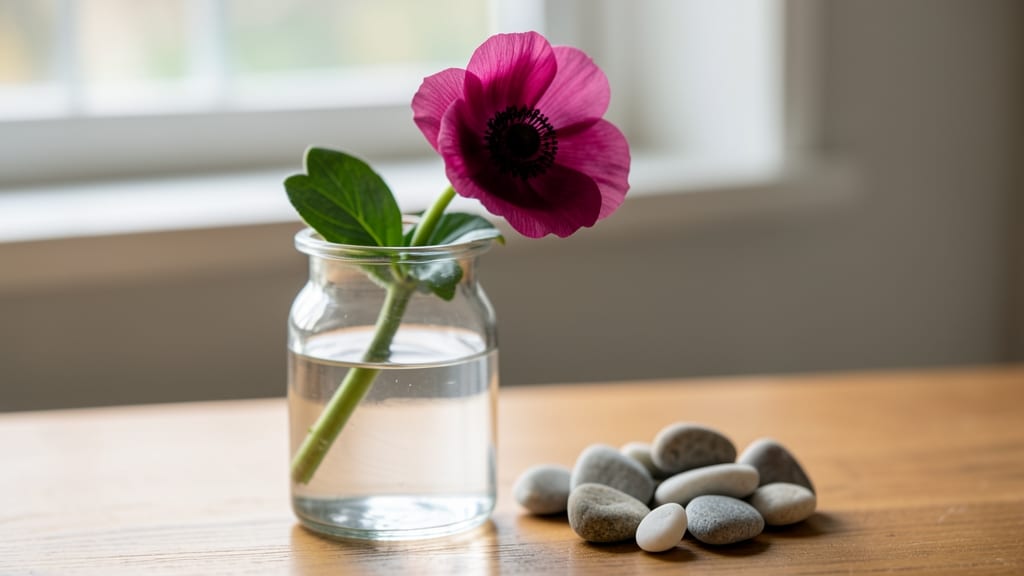
A single flower in a vase transforms any room with effortless elegance. 🌸 I still remember the first time I placed a single peony in a simple glass vase—it became the centerpiece of my dining table, drawing compliments from everyone who walked in.
The beauty lies in simplicity: one stem, one vase, and the perfect moment to appreciate nature's artistry.
Start with a tall, slender vase to make the flower stand out. A single ranunculus or delphinium adds drama, while a rosemary sprig or eucalyptus adds texture and fragrance. Seasonal blooms like tulips in spring or chrysanthemums in fall keep the look fresh year-round.
The key is balance—let the flower take center stage while subtle accents enhance its natural beauty.
With just a few adjustments, your single-stem arrangement can last up to two weeks. Trim the stem at an angle, change the water every other day, and place the vase away from direct sunlight or heat sources. The result? A fresh, fragrant centerpiece that feels luxurious without the fuss.
This minimalist style works in any space—whether it's a cozy kitchen nook, a sleek living room, or even your garden patio. The simplicity makes it adaptable to any decor, proving that sometimes, less truly is more. Ready to try it?
📚 In This Guide
- What you need
- Instructions
- Tips and common mistakes
- Wrapping up and next steps
What you need
- ● 1 fresh-cut flower – Choose a long-stemmed bloom like a peony, ranunculus, or garden rose (6–12 inches tall). For drama, opt for a double bloom or oversized petals.
- ● 1 clean vase – Select a tapered or cylindrical glass vase (4–8 inches tall) to highlight the stem. Ceramic or metal options work too!
- ● Floral preservative – A packet of commercial flower food (like FTD Fresh Look) or a DIY mix of 1 tsp sugar + 2 drops bleach per cup of water.
- ● Sharp floral shears or scissors – Avoid dull blades; they crush stems and shorten vase life.
- ● Room-temperature water – Fill the vase ¾ full to prevent stem damage.
- ● Decorative elements – Add a single sprig of eucalyptus, a cinnamon stick, or a ribbon for subtle texture.
- ● Colored water – A drop of food coloring (e.g., blue for hydrangeas) can tie the arrangement to your decor.
- ● Vase liner – A clear plastic liner keeps water clean longer and hides stems if preferred.
- ● Spray adhesive – For dried flowers, secure stems with a light coat before arranging.
Step-by-Step instructions for crafting a single-stem floral arrangement
Here's how to elevate one flower into a breathtaking centerpiece.
🪴 Step 1: Select and Prepare Your Vase
Choose a vase with a narrow neck to create visual tension with your single stem. I prefer glass or ceramic—both materials allow the flower's natural beauty to shine while providing clean lines. Rinse the vase thoroughly with warm water to remove any residue that could clog the stem or introduce bacteria.
Fill the vase with room-temperature water—cold water can shock the stem, while warm water helps it absorb moisture more efficiently. Add a floral preservative (like a pinch of sugar and a splash of bleach or commercial solution) to extend vase life. The water should reach about 2 inches up the stem when inserted—this ensures stability and proper hydration.
🌿 Step 2: Choose and Condition Your Flower
Select a stem with a straight, unblemished neck and vibrant petals—avoid flowers with brown edges or wilting signs. For maximum impact, opt for a bloom that's just beginning to open; fully open flowers have shorter vase life. Hold the stem under lukewarm running water for 30-60 seconds to hydrate it before cutting.
Trim the stem at a 45-degree angle using sharp floral shears or clean scissors. Angling the cut increases water absorption surface area. Remove any lower leaves that would sit below the waterline—these can rot and foul the water. Strip leaves only to the point where the stem enters the vase; leaving some foliage above the water adds visual interest.
☀️ Step 3: Arrange for Maximum Impact
Position the vase where natural light enhances the flower's colors—near a window but not in direct sunlight, which can cause petals to wilt prematurely. Hold the stem at the desired angle and gently lower it into the water at a slight diagonal (about 30 degrees) for dynamic movement. The angle should feel natural, not forced.
Adjust the stem's placement until you achieve balance. The flower should feel stable when gently tugged—if it wobbles, trim another ½ inch from the stem and reposition. For added drama, consider adding a single floating leaf (like a eucalyptus sprig) at the water's surface to create texture without clutter.
⏰ Step 4: Maintain and Refresh Daily
Check the water level every 24 hours—top off with fresh room-temperature water as needed to keep the stem submerged. Remove any leaves that fall below the waterline immediately to prevent bacterial growth. I like to refresh the water every 2-3 days and re-cut the stem at a 45-degree angle to rejuvenate the flower.
Keep the arrangement away from direct heat sources (like radiators or vents) and drafts, which can cause rapid wilting. Mist the petals lightly with water if they appear dry but not soggy. With proper care, your single-stem arrangement will last 5-7 days—longer than most multi-flower bouquets.
Tips & tricks for perfect single-stem floral arrangements
Even the simplest floral arrangement can become extraordinary with these thoughtful details—let's make your single stem shine.
The Vase Selection Matters: Glass or ceramic vases with narrow necks create the perfect visual contrast with your single stem. For an unexpected twist, try a textured vase or one with an organic shape—like a hand-blown glass piece—that complements the flower's natural form. The key is choosing a vessel that enhances rather than competes with your bloom's elegance.
Flower Conditioning Secret: That 30-60 second lukewarm water soak in Step 2 isn't just hydration—it's a stress reliever for your flower. Think of it like giving your stem a spa treatment before the big reveal. For extra longevity, add a few drops of lemon juice to the water (the acidity helps preserve color) while conditioning the stem. This simple step can extend your arrangement's life by an extra day or two.
Angle Precision Technique: When inserting your stem at that 30-degree angle in Step 3, imagine you're creating a dynamic line rather than just placing a flower in water. The angle should feel effortless—if it feels forced, you're overcorrecting. For extra stability, gently press the stem against the opposite side of the vase while positioning it. This creates subtle tension that makes the arrangement feel more intentional and balanced.
Refresh Routine: The 2-3 day water refresh schedule in Step 4 is your secret weapon for longevity. I like to set a reminder on my phone for every 48 hours to re-cut the stem and refresh the water—this small habit can triple your arrangement's lifespan. Pro tip: When refreshing, add a fresh floral preservative to the water each time for maximum effectiveness. The small investment in time pays off with days of fresh, vibrant blooms.
Pro Tips for Single Flower In A Vase
- Even the simplest floral arrangement can become extraordinary with these thoughtful details—let's make your single stem shine.
- The Vase Selection Matters: Glass or ceramic vases with narrow necks create the perfect visual contrast with your single stem.
- Flower Conditioning Secret: That 30-60 second lukewarm water soak in Step 2 isn't just hydration—it's a stress reliever for your flower.
Frequently asked questions
Got questions about creating or caring for a single flower in a vase? You’re not alone! Here are some of the most common queries—plus simple, satisfying answers to keep your minimalist arrangement looking fresh and fabulous.
How long will a single flower last in water?
A single stem can last 5–10 days with proper care, depending on the flower type. Roses, peonies, and hydrangeas typically last longer (7–10 days), while delicate blooms like tulips or ranunculus may wilt in 3–5 days. Change the water every 2–3 days and trim the stem at an angle to extend its life.
Do I need to add flower food to a single stem?
Yes! Flower food (or a DIY mix of 1 tsp sugar + 2 drops bleach per quart of water) helps preserve your bloom. For a single stem, even a pinch of sugar or a splash of vodka (to prevent bacteria) can make a difference. Skip it, and your flower may droop faster due to bacterial growth in the vase.
What’s the best vase for a single flower?
Any clean, narrow-necked vase works—think mason jars, bud vases, or even a repurposed wine bottle. The key is a snug fit to reduce water evaporation. For tall stems (like snapdragons), opt for a taller vase; for full blooms (like roses), a wider base adds drama. Pro tip: A 3–4 inch vase is perfect for most single stems!
Why is my single flower wilting so fast?
Wilting can stem from bacterial buildup, thirst, or ethylene gas (a natural aging hormone). Fix it by:
- Recutting the stem at a 45° angle under water.
- Changing the water and rinsing the vase.
- Removing lower leaves submerged in water to prevent rot.
- Avoiding direct sunlight or drafts (like AC vents).
Can I use a single flower in a vase for events like weddings?
Single-stem arrangements are trendy for intimate weddings, dinner parties, or even table centerpieces. Pair it with a minimalist runner, a scattered petal backdrop, or a single candle for elegance. Pro tip: Choose long-lasting blooms like orchids, roses, or eucalyptus for events, and refresh vases mid-day to keep them crisp.
Wrapping up and next steps
A single flower in a vase isn’t just a decoration—it’s a powerful statement of simplicity and beauty. Whether you’re drawn to the bold drama of a peony or the delicate grace of a ranunculus, this minimalist approach lets each bloom shine as the star.
The key? Mindful selection, thoughtful placement, and a touch of creativity.
Ready to transform your space? Start small: grab a single stem, a vase, and let your intuition guide you. Your next masterpiece is just one petal away! 🌸