Flowers
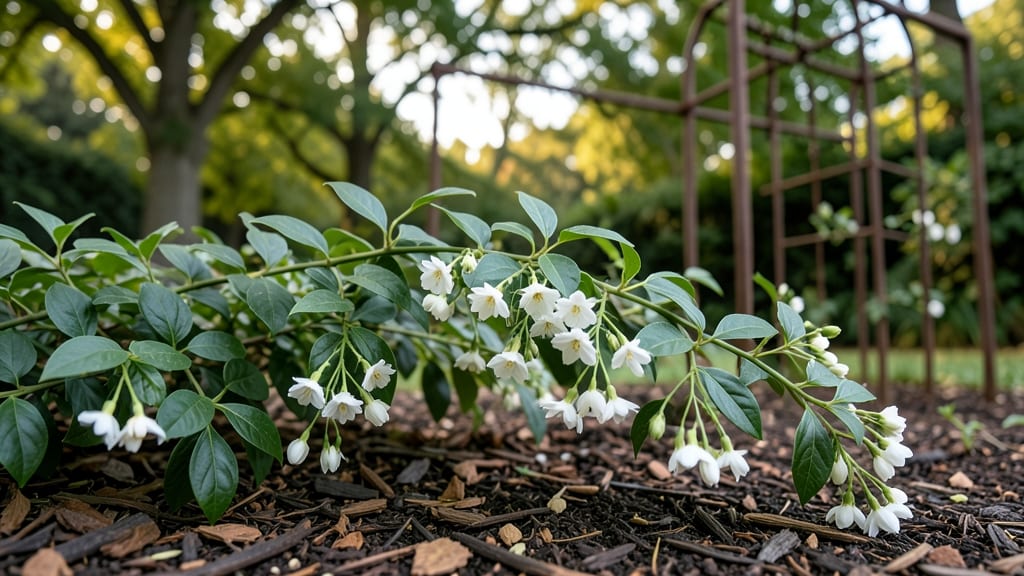
Small white scented flowers transform any garden into a fragrant sanctuary where bees hum and butterflies drift. 🌿 I remember the first time I planted sweet alyssum along my front walkway—the air filled with a honey-like perfume that lingered long after sunset.
These delicate blooms aren’t just pretty; they’re nature’s secret weapon for creating sensory-rich spaces that feel alive with every step.
Think jasmine’s intoxicating nighttime aroma, gardenia’s creamy vanilla scent, or white roses’ classic floral sweetness—each variety brings something unique to your garden. They thrive in borders, spill over container edges, or line fragrant paths, pairing beautifully with lavender’s purple spikes or the soft greenery of hostas.
Most need well-draining soil and 4-6 hours of sunlight daily, though some like shade-tolerant sweet woodruff.
What you’ll love most is how these flowers work together: their white petals contrast stunningly against deep greens, while their fragrance peaks at dawn and dusk. Plant them near seating areas or entryways to create an inviting, aromatic greeting.
The best part? They attract pollinators like crazy, turning your garden into a buzzing, blooming ecosystem.
Whether you’re designing a cottage-style border or a modern container arrangement, these flowers deliver effortless elegance with minimal fuss. Start with one variety, then layer in others—your garden will thank you with waves of intoxicating scent and endless pollinator visits. Let’s get planting!
📚 In This Guide
- What you need
- Instructions
- Tips and common mistakes
- Wrapping up and next steps
What you need
- ● Seeds or bulbs: Choose fragrant varieties like Arabis, Sweet Alyssum, or Jasmine (1–2 seed packets or 5–10 bulbs per plant).
- ● Potting soil: Well-draining, organic mix (5–10 lbs, depending on container size).
- ● Containers or garden beds: For containers: 6–12" pots with drainage holes (1–2 plants per pot).
- ● For garden beds: Loose, sunny spots (6–12" spacing between plants).
- ● Watering can or hose: With a gentle spray nozzle for delicate seedlings.
- ● Fertilizer: Balanced, slow-release granular (e.g., 10-10-10) or liquid bloom booster (1 tbsp per gallon of water).
- ● Gloves & kneeling pad: For comfort while planting.
- ● Trowel or hand shovel: For transplanting seedlings.
- ● Mulch: Straw or shredded bark (1–2 inches) to retain moisture.
- ● Pest control: Neem oil or insecticidal soap (for aphids/spider mites).
- ○ Stakes or trellis: (Optional) For climbing varieties like Jasmine.
How to cultivate a pollinator-friendly garden with small white scented flowers
Here’s the approach I’ve refined over years of growing fragrant white blooms that attract bees, butterflies, and hummingbirds.
🌱 Step 1: Select Pollinator-Friendly Varieties
Start with white sweet alyssum, white gardenia, or white evening primrose—these are proven crowd-pleasers for pollinators. I always choose native varieties when possible, as they’ve co-evolved with local wildlife. For example, white swamp milkweed supports monarch butterflies while emitting a delicate honey scent.
Check bloom times: sweet alyssum flowers early spring to fall, while evening primrose lights up summer evenings with its intoxicating fragrance. Mixing varieties ensures continuous nectar and pollen sources. Avoid hybridized "double blooms"—they often lack the open structure pollinators need.
☀️ Step 2: Position for Optimal Sun and Airflow
Most small white-scented flowers thrive in full sun (6+ hours daily), but evening primrose tolerates partial shade. I place them where they’ll get morning sun and afternoon breeze—this prevents fungal issues while keeping fragrance strong. Gardenias are exceptions; they prefer dappled shade and high humidity.
Space plants 12-18 inches apart to allow airflow. Crowding traps moisture, leading to powdery mildew—a common problem with white flowers. If growing in containers, use 6-inch pots for compact varieties like sweet alyssum, but 1-gallon pots for gardenias to accommodate their root systems.
💧 Step 3: Water and Fertilize for Fragrance
Water deeply once weekly (adjust for heat) until the top 2 inches of soil feel dry. White flowers often signal overwatering by yellowing leaves, so I always check soil moisture before watering. Gardenias need slightly acidic soil (pH 5.0-6.5)—I use a citrus peel compost tea monthly to boost fragrance.
Fertilize lightly with a balanced organic fertilizer (10-10-10) at planting, then again in early summer. Too much nitrogen reduces fragrance—focus on phosphorus for blooms. I avoid synthetic fertilizers; they can make flowers less aromatic and attract fewer pollinators.
✂️ Step 4: Prune and Deadhead for Continuous Blooms
Pinch back leggy stems to encourage bushier growth, and deadhead spent blooms weekly. This redirects energy to new flowers, keeping your garden fragrant longer. For evening primrose, I wait until flowers fade completely before cutting—this gives pollinators maximum time to visit.
In late fall, cut back woody stems (like gardenias) to 6 inches tall. This prevents disease buildup and encourages stronger spring regrowth. For annuals like sweet alyssum, simply pull them after frost and compost the debris—it’s nutrient-rich!
🪴 Step 5: Extend the Season with Strategic Planting
For year-round interest, stagger plantings: sow sweet alyssum every 4 weeks from spring to early summer. Gardenias can be planted in early spring or fall, while evening primrose self-seeds prolifically—just let some flowers go to seed for next year’s display.
Add mulch (2-3 inches) around plants to retain moisture and suppress weeds. I use shredded hardwood mulch—it breaks down slowly and won’t smother roots. In colder climates, add a light straw mulch in winter to protect tender varieties like gardenias.
Tips & tricks for perfect small white scented flowers
These refined strategies will help you cultivate a fragrant garden that becomes a pollinator magnet while keeping your white-scented blooms thriving all season.
Variety Selection: When choosing between white sweet alyssum, gardenia, and evening primrose, consider your climate and pollinator goals. Sweet alyssum's compact growth makes it ideal for borders, while gardenias add height and drama—place them at the back of beds. For maximum fragrance impact, I always include at least two varieties that bloom at different times, ensuring continuous scent and nectar availability. The key is diversity: white swamp milkweed's honey-scented blooms will attract monarchs while evening primrose's nighttime fragrance draws moths.
Sunlight Strategy: While most white-scented flowers love full sun, don't overlook microclimates in your garden. I've found that gardenias in southern exposures get too hot, so I position them where they receive morning sun and afternoon shade. For evening primrose, which tolerates partial shade, I plant them under taller shrubs where they get dappled light—this prevents leaf scorch while maintaining their signature nighttime fragrance. Always observe your plants' response to sunlight after a week or two and adjust their positions if needed.
Fragrance Preservation: To maintain that intoxicating white flower scent, I've developed a simple routine: water in the morning so the blooms have time to dry before evening. This prevents fungal growth that can mute fragrance. For gardenias specifically, I add a tablespoon of Epsom salt to their water monthly—this boosts magnesium levels and intensifies their floral aroma. And here's what nobody tells you: deadheading isn't just about looks. When you remove spent blooms, you're also eliminating potential fungal spores that could compromise future fragrance.
Seasonal Extension: The 4-week sowing schedule for sweet alyssum works perfectly for staggered blooms, but I've found you can push this further. In mild climates, you can even sow a final batch in late summer for fall color and fragrance. For gardenias, I've successfully planted them in late summer with proper winter protection—just add an extra 2 inches of mulch and wrap tender stems in burlap. This gives you a head start on spring blooms while extending your garden's pollinator appeal into the cooler months.
Pro Tips for Small White Scented Flowers
- These refined strategies will help you cultivate a fragrant garden that becomes a pollinator magnet while keeping your white-scented blooms thriving all season.
- Variety Selection: When choosing between white sweet alyssum, gardenia, and evening primrose, consider your climate and pollinator goals.
- Sunlight Strategy: While most white-scented flowers love full sun, don't overlook microclimates in your garden.
Frequently asked questions
Got questions about adding small white scented flowers to your garden? You’re not alone! Here are some of the most common inquiries—and their answers—to help you create a fragrant, pollinator-friendly space with ease.
What are the best small white scented flowers for beginners?
Start with easy-to-grow varieties like Sweet Alyssum, Dianthus, or Jasmine. These thrive in most climates, require minimal care, and release heavenly fragrances that attract bees and butterflies. For low-maintenance options, Moonflower (night-blooming) or Arabis (ground cover) are fantastic picks!
When is the best time to plant these flowers?
Most small white scented flowers love spring or early fall planting when soil is warm but not scorching. Check your USDA zone for specifics—cool-season bloomers (like Stock) can even handle light frost! If planting in summer, water deeply and shade seedlings for the first few weeks to prevent stress.
Do these flowers really attract pollinators?
Flowers like Lavender, Honeysuckle, and Phlox are pollinator magnets. Their sweet nectar and easy access to petals make them ideal for bees, butterflies, and hummingbirds. For extra appeal, plant in clusters and avoid pesticides—pollinators thrive on diversity and safety!
How do I keep small white flowers smelling fresh longer?
Deadhead spent blooms regularly to encourage reblooming and prevent mildew. For cut flowers, trim stems at an angle and place them in cool water with a drop of bleach (1 part bleach to 4 parts water) to extend vase life. Mulch around plants to retain moisture, and prune leggy growth to boost airflow and fragrance.
What if my flowers aren’t fragrant?
Several factors can dull scent: overcrowding (reduces airflow), poor soil (lack of nutrients), or heat stress (intense sun can mute fragrance). Try moving plants to partial shade, fertilizing with compost, or choosing evening-blooming varieties like Night-Scented Stock, which release their best aroma after sunset!
Wrapping up and next steps
From sweet alyssum to delicate jasmine, small white scented flowers bring magic to gardens—filling the air with fragrance while supporting pollinators. Whether you’re a seasoned gardener or just starting, these blooms prove beauty and purpose go hand in hand. 🌸
Ready to transform your outdoor space? Start small—pick one fragrant variety, gather your supplies, and let nature do the rest! Plant, nurture, and soon, your garden will buzz with life and scent. Happy gardening! 🌿