Flowers
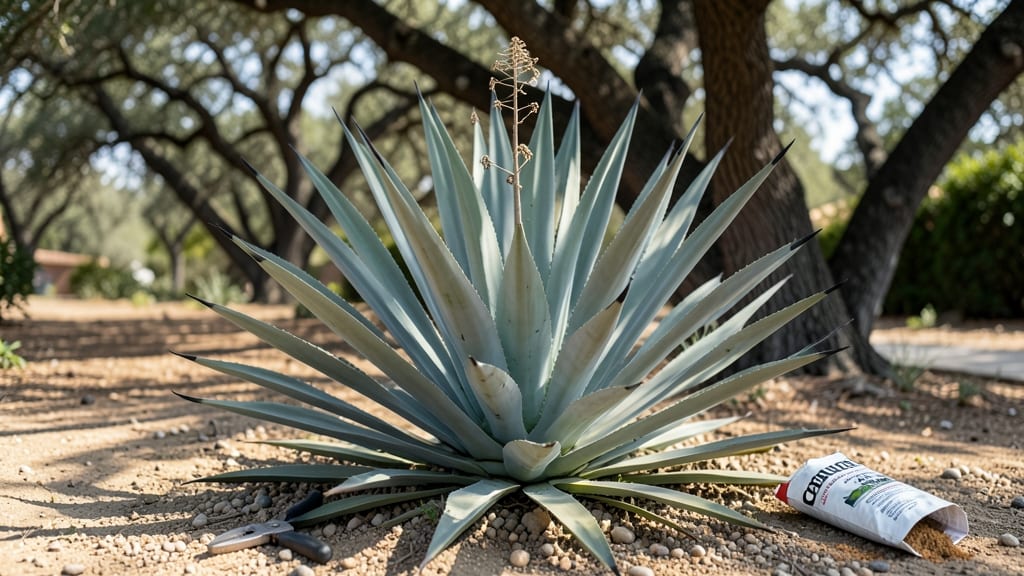
The Spanish dagger flower (Yucca gloriosa) brings striking vertical drama to Pacific Northwest gardens with its bold, sword-like foliage and towering striped blooms. 🌿 I’ve grown mine for years in my drought-prone yard, and its resilience—paired with that architectural presence—makes it a standout.
The key? Matching its desert roots to your climate by planting in well-draining soil and full sun.
This plant thrives where others struggle, needing minimal water once established and handling our region’s wet winters better than most succulents. Start with mature offsets (not seeds) for faster results, and space them 3–4 feet apart to let their dramatic forms shine.
Prune spent flower stalks in early spring to encourage new growth, but leave the leaves—they’re the real show.
You’ll love how it transforms dry corners into focal points, its sharp-edged leaves catching the light like glass sculptures. Just keep pets and kids at arm’s length—those blades pack a sting. With proper care, it rewards you with summer blooms that last for weeks, turning heads in every neighborhood.
Perfect for modern landscapes, pollinator gardens, or as a striking accent near patios. Once planted, it’s nearly maintenance-free—just watch it grow. Here’s how to get started without the guesswork.
📚 In This Guide
- What you need
- Instructions
- Tips and common mistakes
- Wrapping up and next steps
What you need
- ● Spanish dagger plants: 1–3 mature plants (3–5 ft tall, depending on desired impact)
- ● OR seeds (if starting from scratch—germination can take 2+ weeks)
- ● Well-draining soil: Native sandy or rocky soil (ideal for PNW’s dry climates)
- ○ Optional: Amend with coarse sand or gravel (1 part sand to 3 parts soil) for faster drainage
- ● Sunlight access: Full sun (6+ hours/day) in a sheltered spot (protection from harsh winds)
- ● Watering can or hose: With a gentle spray nozzle (avoid overhead watering)
- ● Garden gloves (to protect hands from sharp leaf edges)
- ● Trowel or shovel (for planting—choose a 6–8" wide blade for ease)
- ○ Mulch (optional): 2–3 inches of gravel or decomposed granite (to mimic natural habitat)
- ● Avoid organic mulch (can retain too much moisture)
- ● Pruning shears (for trimming dead foliage or spent flower stalks)
- ○ Plant markers (optional): Stakes or labels to track varieties (e.g., ‘Variegata’ or ‘Bright Star’)
- ● 🌡️ Timing: Plant in early spring or fall (avoid summer heat stress).
- ● ✨ Spacing: Give plants 4–6 feet apart to prevent overcrowding.
- ● 💧 Watering: Only when soil is bone-dry—these drought-lovers thrive on neglect!
Step-by-Step instructions for planting Spanish dagger flowers
Here's how to grow these striking plants with minimal fuss—perfect for PNW gardeners.
🌱 Step 1: Choose the Perfect Spot in Your Garden
Spanish dagger thrives in full sun with at least 6 hours of direct light daily. In the Pacific Northwest, this means selecting a south-facing location where plants get morning sun and afternoon light without harsh midday shade. I always test spots by observing how sunlight moves across the garden—look for areas where other sun-loving plants like lavender or Russian sage already flourish.
These plants tolerate well-draining soil—critical in our rainy climate. If your soil stays damp for more than 24 hours after rain, amend it with 3-4 inches of coarse sand or gravel mixed into the top 12 inches of soil. The roots need oxygen, and soggy conditions will rot them within weeks. Here's the thing—don't rush this step. Dig a hole, fill it with water, and wait to see how long it takes to drain. If it's still holding water after an hour, you know you need to improve drainage.
🪴 Step 2: Plant at the Right Time and Depth
Wait until after the last frost date in your area—typically mid to late May in the PNW—to plant Spanish dagger. These plants are tender and won't survive freezing temperatures. Start by digging a hole twice as wide as the root ball but only as deep as the container it came in. The top of the root ball should sit level with the surrounding soil—burying too deep suffocates the plant, while planting too shallow exposes roots to drying winds.
Gently remove the plant from its container and loosen any circling roots with your fingers. Place it in the hole, then backfill with native soil mixed with a handful of compost to give it a gentle nutrient boost. Press the soil lightly around the base but don't compact it—you want air pockets to help roots establish. Water deeply right after planting to settle the soil and eliminate air gaps. You'll know it's done right when water pools slightly at the surface but drains within 15 minutes.
☀️ Step 3: Water and Maintain Through the First Season
Spanish dagger is drought-tolerant once established, but new plants need consistent moisture for their first 2-3 months. Water deeply once a week during dry spells, aiming for 1-2 gallons per plant each time. The key is to soak the root zone thoroughly—stick your finger 2 inches into the soil. If it feels dry, water again. If it's still damp, wait another day. Overwatering is the fastest way to kill these plants, so err on the side of less frequent but deeper watering.
Mulch around the base with 2-3 inches of gravel or small rocks to prevent soil from compacting and to improve drainage. Organic mulches like wood chips can work, but they retain too much moisture in our climate. Avoid letting mulch touch the stems—keep it 2-3 inches away to prevent rot. Here's where it gets fun: watch for the first spike-like leaves emerging in early summer. That's your signal the plant is settling in and ready for less frequent watering.
✂️ Step 4: Prune and Prepare for Winter
Once flowering season ends—typically late summer or early fall—cut back the dead flower spikes to the base. This encourages a cleaner look and redirects the plant's energy toward root growth for next season. I use clean, sharp pruners and make cuts at a 45-degree angle just above a leaf node. This prevents water from pooling on the cut and reduces the risk of disease. Don't worry about cutting back too much—Spanish dagger is tough and will bounce back with new growth in spring.
In the Pacific Northwest, these plants are perennial and will come back year after year. However, they're not frost-hardy, so protect them in winter. Once temperatures drop below 30°F, mound 4-6 inches of mulch or straw around the base of the plant. This insulates the roots and keeps them from freezing. In spring, remove the mulch as soon as new growth appears—usually by late March or early April. You'll see the first emerging leaves** as a sign it's time to uncover and water lightly to wake up the roots.
Tips & tricks for perfect Spanish dagger flower planting
Common pitfalls—and how to sidestep every one when growing these striking PNW plants.
Sunlight Strategy: Those 6 hours of daily sun are non-negotiable for Spanish dagger. In the Pacific Northwest, where clouds can be unpredictable, I recommend planting near a south-facing wall or fence that reflects sunlight back onto the plants. This extra light boost helps compensate for our often-overcast days. If you notice the leaves turning yellow or growing leggy, it's your plant's way of saying "I need more light!"
Drainage Test: The 24-hour drainage test in Step 1 is your secret weapon against root rot. I've learned this the hard way—after losing three plants to soggy soil, I now make it a habit to test every potential planting spot. If water disappears within 15 minutes, you're golden. If not, mix in that 3-4 inches of gravel or sand before planting. The roots will thank you by growing strong and healthy instead of sitting in waterlogged misery.
Planting Depth: Getting the depth right in Step 2 makes all the difference. The top of the root ball should sit level with the surrounding soil—no higher, no lower. I use a small stake to mark the exact depth before removing the plant from its container. This visual reference helps me avoid the common mistake of planting too shallow, which exposes delicate roots to drying winds and too deep, which suffocates them. Trust me on this: a little extra attention at planting time prevents years of frustration.
Winter Protection: When temperatures drop below 30°F, that 4-6 inches of mulch becomes your plant's lifeline. I like to use straw because it breaks down slowly and provides continuous insulation. Here's a little trick: mound the mulch in a cone shape around the base rather than spreading it flat. This creates a warmer microclimate right where the roots need it most. In spring, I always remove the mulch as soon as I see those first emerging leaves—usually by late March—because too much mulch too long can actually smother new growth.
Pro Tips for Spanish Dagger Flower
- Common pitfalls—and how to sidestep every one when growing these striking PNW plants.
- Sunlight Strategy: Those 6 hours of daily sun are non-negotiable for Spanish dagger. In the Pacific Northwest, where ...
- Drainage Test: The 24-hour drainage test in Step 1 is your secret weapon against root rot. I've learned this the hard...
Frequently asked questions
Got questions about growing Datura (Spanish dagger flower)?
You’re not alone—this striking plant is as fascinating as it is unique! Here are answers to the most common queries to help you cultivate these bold blooms with confidence.
Is the Spanish dagger flower toxic?
Yes, Datura is highly toxic if ingested—all parts of the plant contain dangerous alkaloids. Keep it away from pets, children, and curious wildlife. Even handling the leaves can cause skin irritation in some people. Wear gloves when pruning!
How long does it take for Spanish dagger flowers to bloom?
From seed, expect blooms in 90–120 days under ideal conditions (warmth, full sun, and well-draining soil). If starting with transplants, you may see flowers as early as 60–80 days. Patience pays off—these night-blooming beauties are worth the wait!
Can I grow Spanish dagger flowers in containers?
Use a large container (at least 12–18 inches wide) with drainage holes and a fast-draining mix (cactus/succulent soil works well). Containers keep roots from spreading aggressively, but expect rapid growth—prune regularly to maintain shape. Just ensure the pot gets full sun (6+ hours daily).
Do Spanish dagger flowers attract pollinators?
While their fragrant, trumpet-shaped blooms lure night-flying moths and bats, they’re not a top choice for bees or butterflies. The plant’s toxicity deters many daytime pollinators. If you want to boost your garden’s biodiversity, pair it with bee-friendly neighbors like Lavandula or Salvia.
Why aren’t my Spanish dagger flowers opening?
Several factors could be at play:
- Not enough light: These sun-lovers need full sun (6+ hours daily). Move your plant to a sunnier spot or supplement with grow lights.
- Overwatering: Datura hates soggy soil. Let the top 2–3 inches dry out between waterings.
- Cool temperatures: Blooms may stall if nights dip below 50°F (10°C). Use row covers or wait until warmer weather.
- Lack of nutrients: Feed with a balanced fertilizer (10-10-10) every 4–6 weeks during the growing season.
Pro Tip:
For longer blooming seasons, deadhead spent flowers (wear gloves!) and pinch back leggy stems to encourage bushier growth. Just remember—Datura self-seeds aggressively, so collect seeds if you don’t want surprises next year!
Wrapping up and next steps
The Spanish dagger flower brings a touch of Mediterranean drama to Pacific Northwest gardens, thriving in its bold, striped blooms and drought-resistant charm.
Whether you're a seasoned gardener or just starting, this striking plant offers low-maintenance beauty with high impact—perfect for adding vertical interest and year-round structure to your outdoor space. 🌿
Ready to transform your garden? Start by selecting the right variety for your climate, then plan your planting spot with confidence. Grab your gloves, and let the Spanish dagger’s dramatic elegance become the star of your landscape!