
Flowers
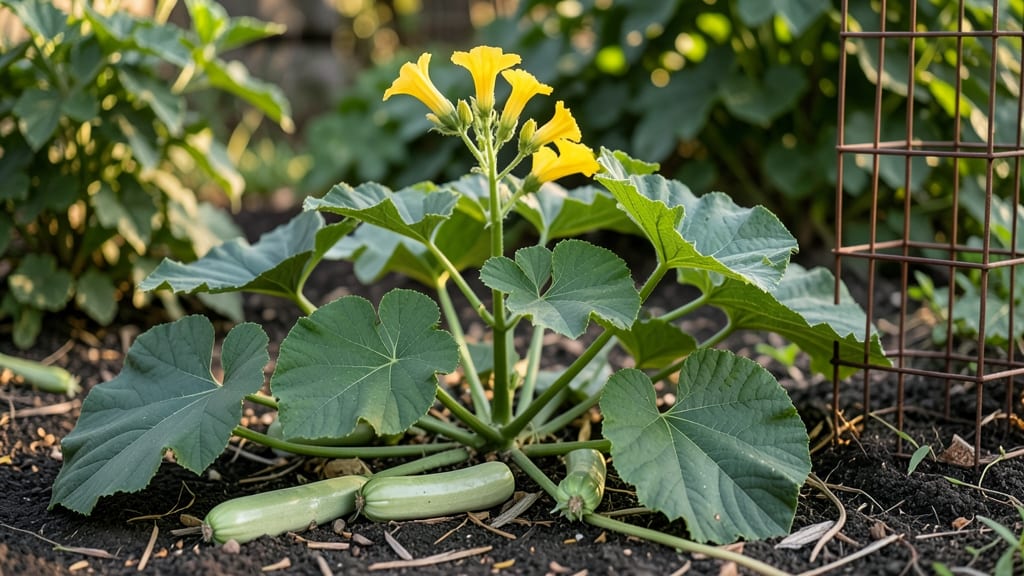
Your squash leaves and flowers are more than just pretty—they’re packed with nutrients and flavor you might be missing. 🌿 I’ve learned the hard way that ignoring leaf and flower health means sacrificing both harvest quality and quantity, but with the right knowledge, you can turn those lush greens into a gourmet bonus.
The secret lies in spotting the difference between harmless discoloration and real trouble. Yellowing leaves could signal nitrogen deficiency, while spotted or chewed foliage means pests are at work. Flowers that drop without fruiting?
Often a sign of poor pollination or stress. I’ll walk you through how to diagnose these issues fast and fix them before they derail your harvest.
By the end, you’ll know exactly which leaves to eat (young, tender ones), how to revive struggling plants, and when to pull the plug on a doomed vine.
Your squash patch will stay productive, and you’ll end up with more than just fruit—you’ll have a bounty of edible greens and blossoms too.
Whether you’re growing zucchini, butternut, or pumpkins, these tips apply. Let’s keep your plants thriving so you can enjoy every edible part of the harvest—from first bloom to last leaf.
📚 In This Guide
- What you need
- Instructions
- Tips and common mistakes
- Wrapping up and next steps
What you need
- ● Fresh squash plants: Butternut, zucchini, or pumpkin varieties (organic, pesticide-free preferred)
- ● Plants at least 4–6 weeks old (for mature leaves) or flowering stage (for blooms)
- ● Harvesting tools: Sharp pruning shears or clean kitchen scissors (sterilized with rubbing alcohol)
- ○ Gloves (optional, for handling prickly stems)
- ● Cleaning supplies: Cold water
- ● Soft-bristle brush (for stubborn dirt)
- ● Food-safe sanitizer (like diluted vinegar or baking soda solution)
- ● Cooking tools: Cast-iron skillet or sauté pan
- ● Olive oil, garlic, and herbs (for sautéing)
- ● Preservation supplies: Ice cube trays (for freezing leaves)
- ● Glass jars (for pickling flowers)
- ● Identification guide: A plant ID app (like PictureThis) to confirm edible varieties.
How to identify and harvest edible squash leaves and flowers
Here's how to pick the perfect leaves and blossoms for your kitchen—no guesswork, just confidence.
🌿 Step 1: Know Your Squash Varieties for Edible Parts
Not all squash leaves and flowers are edible—focus on summer squash like zucchini, yellow crookneck, or pattypan. These varieties produce tender, flavorful leaves and delicate blossoms. Avoid winter squash like butternut or pumpkins—their leaves are tough and bitter. Young leaves (under 4 inches long) are the most tender, while mature ones develop a fibrous texture.
Check the plant's growth stage: leaves are best when light green and glossy, while flowers should be fully open but not yet wilted. I like to harvest leaves in the morning when they're crispest—just pinch them off at the stem with your fingers. For flowers, pick them when they're bright and fully open, but before they start to droop.
🌱 Step 2: Harvest Leaves for Maximum Flavor and Tenderness
Use clean, sharp scissors or your fingers to snip leaves just above a leaf node (the point where leaves attach to the stem). This encourages bushier growth. Start with the outer leaves first—they're older and less tender, so you won't sacrifice the plant's center. Never take more than one-third of the plant's foliage at once, or you'll stress the squash.
Harvest leaves when they're 3-6 inches long and still young—older leaves become stringy and tough. I aim for 2-3 leaves per plant per week to keep the harvest going without harming the plant. If you see leaves with yellowing edges, that's a sign of overharvesting or nutrient deficiency—time to cut back.
☀️ Step 3: Pick Flowers at Peak Freshness
Squash blossoms are best harvested in the morning when they're fully open and still firm. Gently twist the flower off its stem—it should come away cleanly without tearing. Avoid flowers that are already wilting or have brown edges, as they'll be bitter. I like to harvest flowers every 2-3 days to encourage more blooms and prevent the plant from overproducing fruit.
Look for flowers that are bright yellow or white, depending on the variety, and have a slight sweet scent. Male flowers (with a long stem) are slightly more tender than female flowers (which have a tiny squash at the base). Both are edible, but male flowers are often preferred for frying or stuffing due to their delicate texture.
💧 Step 4: Store and Use Your Harvest Immediately
Squash leaves and flowers don't store well, so use them within 2-3 days for the best flavor. Rinse gently under cool water to remove dirt, then pat dry with a paper towel. Store in a sealed container lined with a damp paper towel in the fridge. For flowers, you can also wrap them loosely in a damp cloth to keep them fresh longer.
Use leaves like spinach—sauté them with garlic, toss them into soups, or blend them into pesto. Flowers are perfect for frying (like tempura), stuffing, or adding to salads for a delicate crunch. If you harvest too many at once, blanch leaves for 1-2 minutes and freeze them in an airtight container for later use.
Tips & tricks for perfect squash leaf and flower harvesting
Here's what nobody tells you about getting the most from your garden—without sacrificing the plant.
Timing is Everything: Morning is your best friend for harvesting. The dew has dried but the heat hasn't set in yet, so leaves are crispest and flowers retain their delicate texture. I've learned this the hard way after harvesting wilted flowers in the afternoon—always go early! For leaves, aim for those bright, glossy ones that haven't been exposed to full sun all day.
Gentle Handling Matters: When picking flowers, twist them gently at the base rather than cutting with scissors. This prevents tearing and lets the plant heal more naturally. For leaves, use clean scissors or your fingers to avoid crushing the tender stems. I've seen people use dull tools and end up with bruised leaves that turn bitter—don't make that mistake!
Storage Wisdom: That 2-3 day window for freshness is critical. For leaves, line your container with a damp paper towel to maintain moisture, but don't overdo it—too much water causes rot. Flowers last slightly longer if you wrap them in a damp cloth, but use them within 2 days for best texture. I've found that storing them in a single layer prevents bruising, especially with delicate blossoms.
Plant Health First: Never take more than one-third of a plant's foliage at once. This rule prevents stressing your squash and ensures continued production. I've seen gardeners take half the leaves and wonder why their plants stopped flowering—don't let that happen to you! Also watch for yellowing edges, which signal you're harvesting too aggressively.
Pro Tips for Squash Leaves And Flowers
- Here's what nobody tells you about getting the most from your garden—without sacrificing the plant.
- Timing is Everything: Morning is your best friend for harvesting.
- Gentle Handling Matters: When picking flowers, twist them gently at the base rather than cutting with scissors.
Frequently asked questions
Got questions about harvesting and using squash leaves and flowers? Here are some of the most common queries from gardeners—plus clear, actionable answers to help you make the most of your edible garden!
Can I eat squash leaves and flowers raw, or do they need cooking?
Squash leaves and flowers are best lightly cooked to enhance flavor and digestibility. Raw leaves can be tough and bitter, while flowers (like zucchini blooms) are delicious raw in salads or lightly sautéed. Pro tip: Blanch leaves for 2–3 minutes to soften them before adding to stir-fries or soups.
When is the best time to harvest squash leaves and flowers for eating?
Harvest young, tender leaves (3–4 inches long) and fully open flowers in the morning for peak freshness. Avoid harvesting when temperatures exceed 85°F, as this can make leaves bitter. Timing tip: Pick flowers just before they bloom—they’re most flavorful and tender!
What’s the difference between squash leaves and flowers in terms of taste and texture?
| Part | Flavor | Texture | Best Uses |
|---|---|---|---|
| Leaves | Earthy, slightly bitter (like spinach) | Tender when young, tough when mature | Stir-fries, soups, sautéed greens |
| Flowers | Mild, sweet, slightly nutty | Delicate, crisp petals | Stuffed, fried, or raw in salads |
Are there any squash varieties I should avoid for eating leaves and flowers?
Stick to edible varieties like zucchini, butternut, or pumpkin (check seed packets). Avoid bitter melon (bitter gourd) or ornamental squash—some can be toxic. Safety tip: If unsure, taste a small amount first or consult a local gardening expert!
What’s a simple recipe to try with squash leaves and flowers?
Try this easy Sautéed Squash Greens:
- Wash 2 cups chopped young leaves and flowers.
- Sauté 2 minced garlic cloves in olive oil for 30 seconds.
- Add leaves/flowers and cook 3–4 minutes until wilted.
- Season with salt, pepper, and lemon juice. Serve over pasta or rice!
Wrapping up and next steps
From vibrant squash blossoms to nutrient-packed leaves, your garden is a treasure trove of edible delights! Whether you're whipping up a floral-infused oil or sautéing tender greens, these versatile harvests add flavor, texture, and sustainability to your meals. 🌱
Ready to elevate your cooking? Start by experimenting with one new recipe—try stuffed squash blossoms or a pesto with squash leaves—and share your creations with fellow gardeners. Your garden isn’t just growing food; it’s growing excitement!