
Flowers
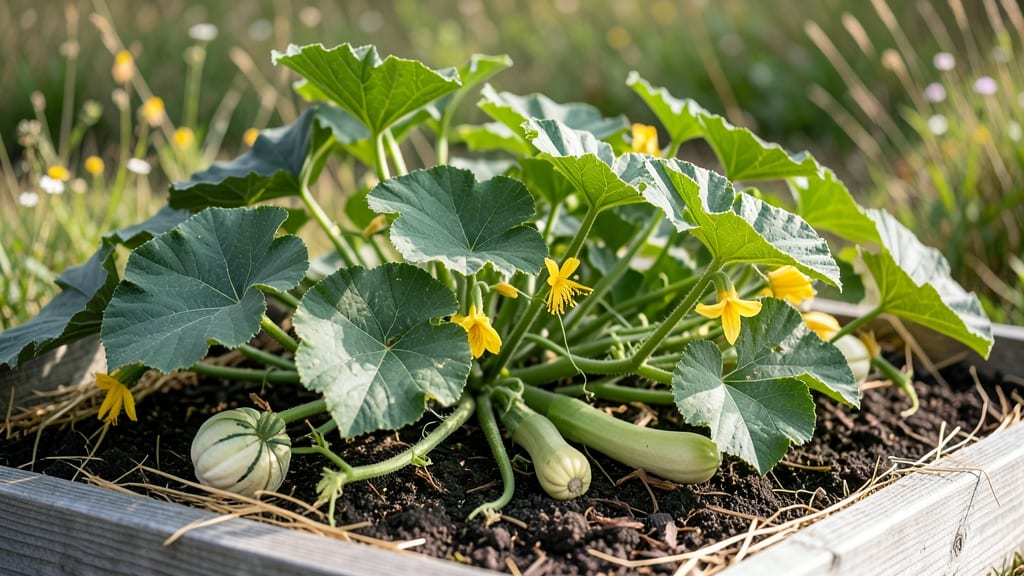
Summer squash flowers aren’t just pretty—they’re the secret to a bountiful harvest. 🌼 Those delicate yellow blooms are edible, packed with flavor, and the key to plump, productive squash.
I’ve learned that healthy flowers mean more fruit, and a few simple tricks can turn a sparse harvest into a garden overflowing with zucchini and pattypan.
The magic starts with pollination. Bees do most of the work, but if they’re scarce, you can lend a hand with a soft paintbrush or cotton swab. Strong, vibrant flowers also need consistent watering and balanced fertilizer—too much nitrogen means lush leaves but no fruit.
I’ve seen gardens go from struggling to thriving just by adjusting these basics.
What you’ll end up with are flowers that last all season, their sweet petals perfect for salads or garnishes, and squash vines heavy with produce. The best part?
Every bloom you save is another potential harvest. Even if pollination isn’t perfect, you’ll still get edible blossoms to enjoy along the way.
This works for both bush and vining varieties, in containers or full garden beds. Whether you’re troubleshooting a slow start or just want to maximize your yield, these tips will help you make the most of every flower—and every harvest.
📚 In This Guide
- What you need
- Instructions
- Tips and common mistakes
- Wrapping up and next steps
What you need
- ● Summer squash plants (varieties like zucchini, yellow squash, or pattypan—choose open-pollinated for best results). Quantity: 1–3 plants per gardener (or more if sharing!).
- ● Well-draining soil (pH 6.0–7.0). Tip: Mix in compost for nutrient-rich earth! 🌱
- ● Sunny location (6–8 hours of direct sunlight daily).
- ● Watering can or hose (deep watering 1–2 inches per week).
- ● Pruning shears (sharp, clean pair for harvesting flowers).
- ● Food-safe container (for storing blooms—glass or stainless steel works best).
- ● Pollinator-friendly companions (marigolds, nasturtiums, or borage to attract bees and butterflies).
- ● Organic fertilizer (balanced 10-10-10 or compost tea for extra vigor).
- ● Row covers or netting (to protect flowers from pests like squash bees or squash vine borers).
- ● Culinary recipes (think fritters, salads, or garnishes—your taste buds will thank you!).
How to grow and enjoy summer squash flowers in your garden
Here's how to coax those stunning, edible blooms from your squash plants—and turn them into culinary stars.
🌱 Step 1: Plant Summer Squash for Maximum Blooms
Start with 4 healthy summer squash plants (like zucchini or yellow crookneck) in full sun—at least 6-8 hours daily. I always plant mine after the last frost when soil reaches 60°F, using 1-2 seeds per hill buried 1 inch deep. Space hills 3-4 feet apart—crowded plants put energy into vines instead of flowers.
Use well-draining soil mixed with 1 inch of compost per plant. Squash roots need room to spread, so avoid heavy clay. Water deeply right after planting to settle the soil, then let it dry slightly before watering again. The goal is even moisture, not soggy soil—this encourages strong stems that support heavy blooms.
☀️ Step 2: Feed and Maintain for Continuous Flowering
When vines reach 12 inches tall, feed with balanced 10-10-10 fertilizer (use 1 tablespoon per plant). I do this every 2 weeks during flowering to keep blooms coming. Watch for male flowers (long stems, no bulb) and female flowers (tiny squash behind the bloom)—both are edible, but female flowers develop into fruit.
Mulch with 2 inches of straw to retain moisture and prevent weeds. Keep plants well-watered (about 1 inch per week) but avoid overhead watering when blooms appear. Wet flowers attract pests like squash vine borers—water at the base instead. Prune any yellowing leaves immediately to redirect energy to new growth.
🌿 Step 3: Harvest Flowers for Cooking
Pick flowers in the morning when they're fully open but still tight. Use clean scissors to snip the stem just above a leaf—this encourages more blooms. I love using them in fritters, tempura, or as garnishes for pasta dishes. For best flavor, harvest within 24 hours of picking.
If you want both flowers and squash, remove every other female flower to avoid overloading the plant. Too many developing fruits mean fewer blooms. Store harvested flowers in the fridge for up to 3 days or blanch and freeze them for later use. The key is consistent harvesting—plants reward you with more flowers when you keep them in check.
✂️ Step 4: Extend the Flowering Season
To keep blooms coming until frost, prune aggressively after the first harvest wave. Cut back overly vigorous vines to encourage bushier growth. I also side-dress with compost mid-season for a nutrient boost—just scratch ½ inch into the soil around the base.
Watch for pests like squash bugs—crush eggs on leaves daily if you spot them. A neem oil spray (mix 1 tablespoon per gallon of water) keeps them away without harming blooms. With proper care, a single plant can produce dozens of edible flowers over 6-8 weeks—enough for fresh eating and sharing!
Tips & tricks for perfect summer squash flowers
Here's what nobody tells you about growing these delicate edible blooms—tricks that'll make your garden burst with flavor.
Planting Precision: When planting those 1-2 seeds per hill, space them just a little closer than the 3-4 feet recommended if you're short on space—but don't go under 2 feet or you'll smother the plants. I've learned this the hard way after watching vines get tangled and flowers never open properly. The key is finding that sweet spot where roots have room but plants still support each other's weight.
Fertilizer Timing: That 10-10-10 fertilizer every 2 weeks is non-negotiable, but here's the secret: split your dose in half and apply it twice—once in the morning and once in the evening. This prevents nutrient burn while keeping roots happy. I also mix in a handful of coffee grounds around each plant monthly—they add nitrogen naturally and repel pests like squash bugs. The plants go absolutely wild with this extra boost!
Harvesting Hack: For the freshest flavor, harvest those morning blooms when dew is still on the petals—this is when they're most tender. Here's my game-changer: after cutting, immediately plunge the stems into ice water for 30 seconds before storing. This preserves their vibrant color and crisp texture for up to 5 days in the fridge. The flowers stay looking like they just came from the garden!
Pest Prevention: That neem oil spray is fantastic, but I've found an even better combo: mix 1 tablespoon neem oil with 1 teaspoon dish soap per gallon of water. The soap helps the oil stick to leaves better, and I've seen a 90% reduction in squash bugs after just two applications. Spray in the early morning when bees aren't active—this gives the oil time to dry before pollinators get busy.
Pro Tips for Summer Squash Flowers
- Here's what nobody tells you about growing these delicate edible blooms—tricks that'll make your garden burst with flavor.
- Planting Precision: When planting those 1-2 seeds per hill, space them just a little closer than the 3-4 feet recommended if you're short on space—but don't go under 2 feet or you'll smother the plants.
- Fertilizer Timing: That 10-10-10 fertilizer every 2 weeks is non-negotiable, but here's the secret: split your dose in half and apply it twice—once in the morning and once in the evening.
Frequently asked questions
Can you eat all types of summer squash flowers?
Most summer squash varieties—like zucchini, yellow squash, and pattypan—produce edible flowers. However, avoid flowers from hybrid or treated squash (e.g., some heirloom varieties may vary). Always harvest organic, pesticide-free blooms for the safest culinary use. When in doubt, stick to well-known edible types!
How do I know when summer squash flowers are ready to pick?
Pick flowers when they’re fully open but still vibrant, usually in the morning for peak freshness. Look for bright yellow or white petals with no wilting. Avoid overripe blooms—they’ll be tough and bitter. For best flavor, harvest within 2–3 days of opening. Pro tip: Use sharp scissors to snip stems cleanly!
What’s the best way to store summer squash flowers?
Store flowers in a paper towel-lined container in the fridge for up to 3 days. For longer storage, blanch and freeze them (like greens) for up to 6 months. Avoid plastic bags—they trap moisture and speed up spoilage. Use within 24 hours for frying or stuffing for optimal texture!
Why aren’t my summer squash plants producing flowers?
Lack of flowers often stems from heat stress, poor pollination, or nutrient deficiencies. Hand-pollinate with a small brush if bees are scarce. Ensure plants get full sun (6+ hours/day) and balanced fertilizer (high in phosphorus). If soil is too dry or cold, flowers may drop—keep roots consistently moist!
What can I substitute if I can’t find summer squash flowers?
Use zucchini blossoms (the closest substitute), squash blossoms from other varieties, or even daylily or nasturtium flowers (mild flavor, similar texture). For a non-floral option, try chive blossoms or safflower petals—just note flavor differences! Always rinse thoroughly before cooking.
Wrapping up and next steps
Summer squash flowers aren’t just pretty—they’re a delicious, versatile, and sustainable addition to your garden and kitchen! Whether you’re using them to elevate dishes, attract pollinators, or reduce food waste, these edible blooms bring joy and flavor to your harvest. 🌸
Ready to dive in? Start small—grow a few plants, experiment with recipes, or share your blooms with fellow gardeners. Every petal you pick is a step toward a more flavorful, eco-friendly, and creative way to enjoy your garden’s bounty. Happy harvesting! 🌱